
MAY 29, 2026
Dollar Softens as Cooler Core PCE and Easing Haven Demand Shift Forex Focus to Euro and YenThe dollar heads for a softer weekly finish as core PCE cools, haven demand fades and traders reassess euro and yen risks.

© 1box.site 2026

MAY 29, 2026
Gold moved higher on Friday as a softer U.S. dollar and easing Treasury yields gave precious metals room to recover from this week’s defensive trading, while copper remained close to recent highs as investors balanced short-term profit taking against a still-tight industrial supply picture.
The move followed the latest U.S. inflation data, which showed price pressure still running well above the Federal Reserve’s target but cooling on a monthly basis from March. The April personal consumption expenditures price index rose 0.4% from the previous month, down from 0.7% in March, while core PCE increased 0.2%. On an annual basis, headline PCE was up 3.8% and core PCE rose 3.3%, keeping the policy backdrop restrictive even as the immediate shock from earlier energy-price gains eased.
For metals traders, the important shift was not a clean green light for rate cuts, but a pause in the dollar-and-yield squeeze that had pressured non-yielding assets. Spot gold traded around the mid-$4,500s per ounce, recovering as real-rate fears moderated. Silver was steadier near the mid-$75 area, with gains more restrained as investors weighed its precious-metal appeal against signs of uneven industrial demand.
The latest inflation release leaves gold in a complicated position. Softer monthly core inflation helped buyers rebuild exposure, but the annual readings remain too high for the market to assume a quick pivot by the Federal Reserve. That keeps the metal sensitive to every move in yields, the dollar and short-term rate expectations.
Gold’s rebound also reflected a partial unwind of the pressure seen before the data. Earlier in the week, traders had been reluctant to add fresh long positions while inflation, oil and central-bank commentary pointed to a higher-for-longer rate environment. Friday’s trading suggested some of that caution was being reversed, though not enough to erase the broader policy overhang.
A sustained move above the recent resistance zone near the upper $4,500s would likely be needed to confirm stronger momentum. Without that, gold may remain range-bound, supported by central-bank demand and lingering geopolitical uncertainty but capped by the opportunity cost of holding an asset that pays no yield.
Copper told a different story. The red metal hovered near $6.4 per pound and remained on track for a second consecutive monthly advance, supported by demand expectations tied to power-grid upgrades, renewable energy infrastructure and the rapid expansion of data centers. Those themes have kept dip buyers active even as some traders took profits after copper’s sharp May rally.
Supply concerns also remain part of the bullish case. Production constraints in Chile, the world’s largest copper-producing country, have reinforced worries about refined metal availability. At the same time, higher U.S. import activity ahead of possible tariff measures has raised questions about whether regional inventories are being pulled forward, tightening availability elsewhere in the system.
Other base metals were generally firm. Aluminium, nickel, zinc and lead all benefited from the same mix of softer dollar conditions and resilient industrial demand expectations. Still, copper remains the clearest barometer for the market because it sits at the intersection of construction, electrification, grid investment and artificial-intelligence infrastructure spending.
Silver’s performance was more cautious than gold’s. The metal benefited from lower yields and a weaker dollar, but traders remained wary of resistance near the upper end of its recent range. Silver’s dual role as both a monetary and industrial metal means it can lag gold when investors are unsure whether the dominant driver is safe-haven demand or manufacturing activity.
That split has become more important as copper strength signals confidence in long-term electrification demand, while sticky inflation keeps rate-sensitive precious metals under scrutiny. If yields continue to drift lower, silver could regain momentum. If the dollar rebounds or rate-cut expectations fade again, the metal may struggle to break decisively higher.
The near-term metals outlook depends on whether Friday’s easing in yields and the dollar develops into a broader trend. Gold has regained a bid, but inflation remains high enough to keep Federal Reserve policy risk alive. Copper’s monthly advance is stronger fundamentally, though its rapid rise leaves it vulnerable to short-term corrections if risk appetite cools.
For now, the metals market is showing a clear split: precious metals are trading the macro cycle, while copper and selected base metals are trading structural demand and supply tightness. That divergence may define early June trading, especially if incoming labor and inflation data force investors to reassess how long restrictive U.S. rates will remain in place.
MAY 29, 2026
Dollar Softens as Cooler Core PCE and Easing Haven Demand Shift Forex Focus to Euro and Yen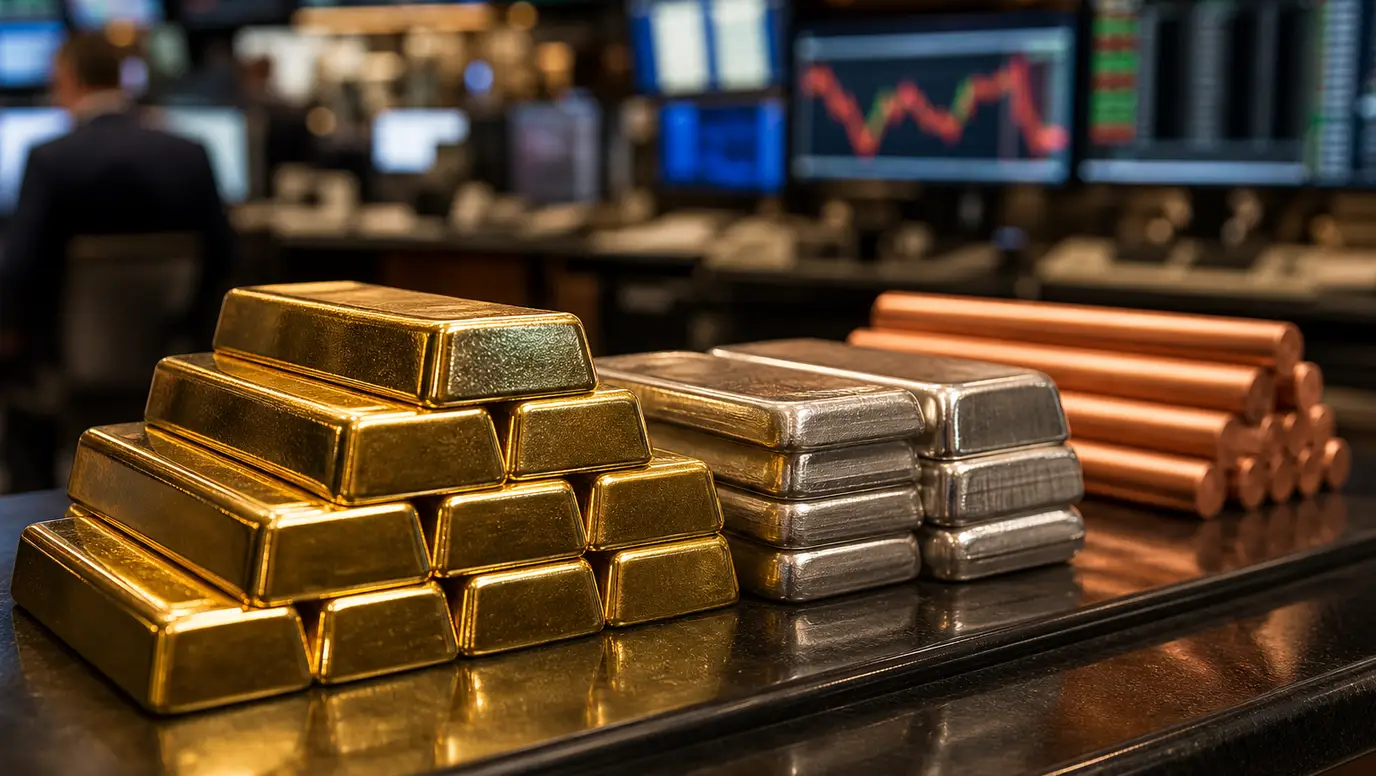
MAY 28, 2026
Gold Tests Two-Month Low as PCE Countdown Keeps Metals on Defensive
MAY 28, 2026
Dollar Rally Faces PCE Test as Yen Intervention Risk Returns to FX Desks
MAY 27, 2026
Dollar Breakout Bets Build as Fed Inflation Focus Pressures Yen and Euro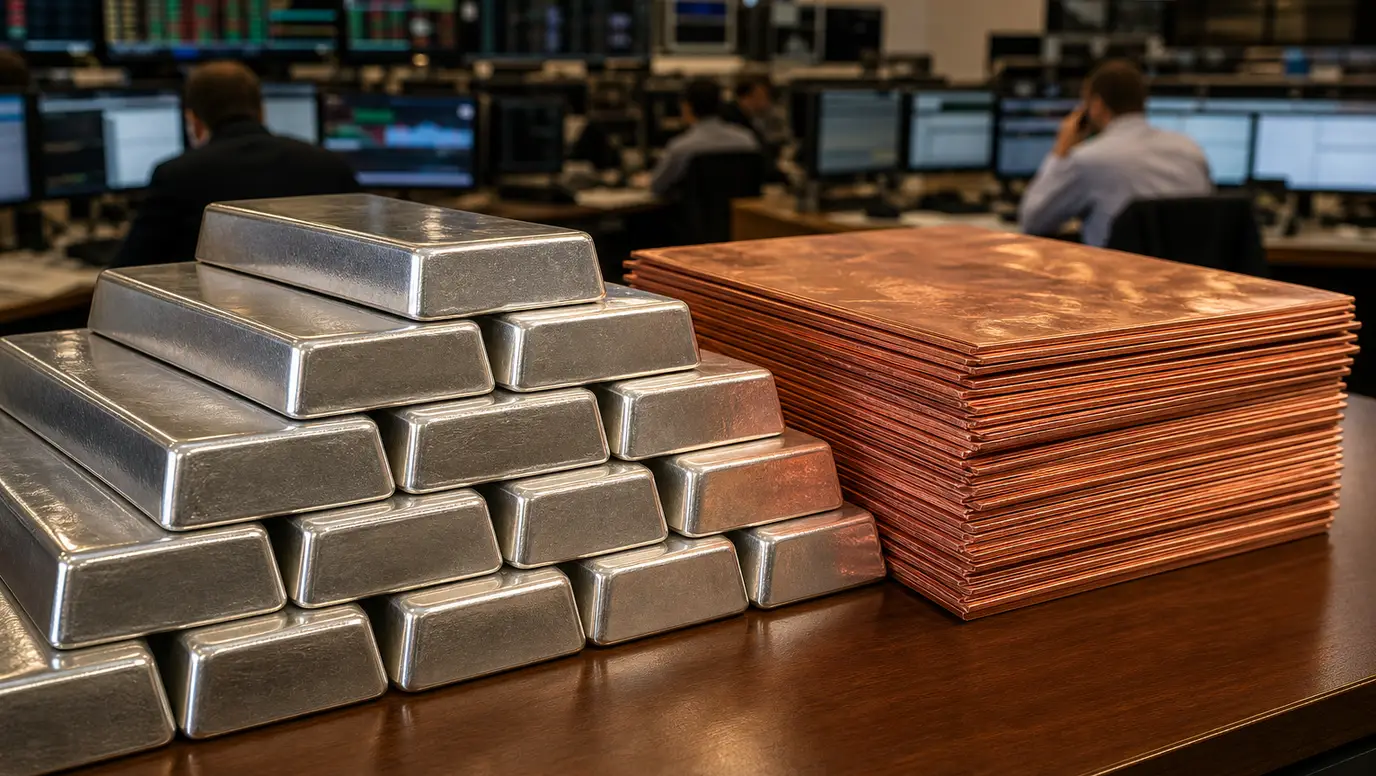
MAY 27, 2026
Silver Leads Metals Lower as Copper Resilience Highlights Split in Demand
MAY 26, 2026
Gold Slips as Oil Shock Revives Rate-Risk Trade in Precious Metals
MAY 26, 2026
Pound Slips as Dollar Rate Premium Returns to Center of FX Trading
MAY 25, 2026
Gold Rebounds as Lower Yields Bring Buyers Back to Precious Metals
MAY 25, 2026
Dollar Loses Haven Bid as Middle East Deal Hopes Lift Risk Currencies
MAY 24, 2026
Crypto Market Tries to Stabilize as ETF Flow Split and Leverage Flush Keep Traders Defensive
MAY 23, 2026
Euro Under Pressure Near 1.16 as Dollar Holds Policy Advantage
MAY 23, 2026
Silver Takes Lead in Metals as Gold Holds Near Late-Week Support
MAY 21, 2026
Dollar Rally Pauses as Yen Intervention Risk and Fed Caution Grip FX Markets