
MAY 30, 2026
Yen Intervention Tally Puts Dollar Bulls on Notice as Forex Market Enters JuneThe dollar heads into June under pressure as Japan’s record yen support and softer haven demand reshape major forex pairs.

© 1box.site 2026

MAY 30, 2026
Metals markets entered the final session of May with a sharper split between precious and industrial price action, making the sector the stronger current news focus among major market desks. Gold recovered late in the week as U.S. inflation data eased fears of an immediate shift toward more aggressive Federal Reserve tightening, but the broader monthly picture remained uneven. Silver, meanwhile, held a firmer relative tone, supported by its dual role as a monetary metal and an industrial input.
The latest trading pattern suggests investors are no longer treating the metals complex as a single macro trade. Gold is still being pulled between inflation protection and the opportunity cost of elevated yields, while silver is drawing additional support from expectations for industrial consumption. Copper and other base metals are facing a more cautious end-month tone as traders reassess global demand, China-linked activity signals and the strength of the dollar.
Silver’s performance stood out because it managed to preserve a monthly gain even as gold remained on track for another monthly decline. That divergence is important for metals investors because it points to a market that is rewarding assets with both financial and industrial demand channels. Gold’s rebound from recent lows showed that dip buyers are still active, but the metal has struggled to build a sustained advance while U.S. real-rate expectations remain firm.
For gold, the key issue is not only inflation. Persistent price pressures can support the long-term hard-asset case, but higher Treasury yields and a steady U.S. Dollar reduce the appeal of holding a non-yielding asset. That tension has kept rallies vulnerable to profit-taking. Silver is facing the same macro headwinds, yet its industrial link to electrification, solar demand and broader manufacturing activity has helped cushion the downside when gold sentiment turns defensive.
The base-metals side of the market looked more cautious into month-end, with copper and tin among the weaker performers in overnight trading. Copper had previously shown resilience despite higher yields, but the latest pullback suggests traders are becoming more selective after a strong spring advance. The market is now watching whether physical demand and supply tightness can offset concerns about slower global growth and a firmer dollar.
Copper remains central to the industrial metals outlook because it is closely tied to construction, power infrastructure and the energy transition. However, price strength has also made the metal more sensitive to any disappointment in manufacturing data or signs that buyers are delaying purchases. If copper stabilizes near recent ranges, it could help keep silver supported through its industrial channel. If copper weakens further, silver’s relative advantage may narrow.
The latest inflation readings reduced the urgency around a hawkish policy surprise, but they did not remove the higher-for-longer backdrop. That leaves the metals market highly exposed to Treasury yield moves, especially at the front and middle of the curve where rate expectations are most visible. A softer dollar would likely help gold and silver extend rebounds, while renewed dollar strength could put pressure back on both metals.
For the week ahead, traders are likely to focus on three signals: whether gold can hold its recovery above recent support, whether silver can keep outperforming despite choppy industrial sentiment, and whether copper can defend its spring trading range. The answer will determine whether May’s split metals trade turns into a broader June recovery or remains a market defined by rotation, caution and sensitivity to every shift in U.S. rate expectations.
MAY 30, 2026
Yen Intervention Tally Puts Dollar Bulls on Notice as Forex Market Enters June
MAY 29, 2026
Gold Rebounds as Softer Yields Lift Metals, While Copper Holds Monthly Advance
MAY 29, 2026
Dollar Softens as Cooler Core PCE and Easing Haven Demand Shift Forex Focus to Euro and Yen
MAY 28, 2026
Gold Tests Two-Month Low as PCE Countdown Keeps Metals on Defensive
MAY 28, 2026
Dollar Rally Faces PCE Test as Yen Intervention Risk Returns to FX Desks
MAY 27, 2026
Dollar Breakout Bets Build as Fed Inflation Focus Pressures Yen and Euro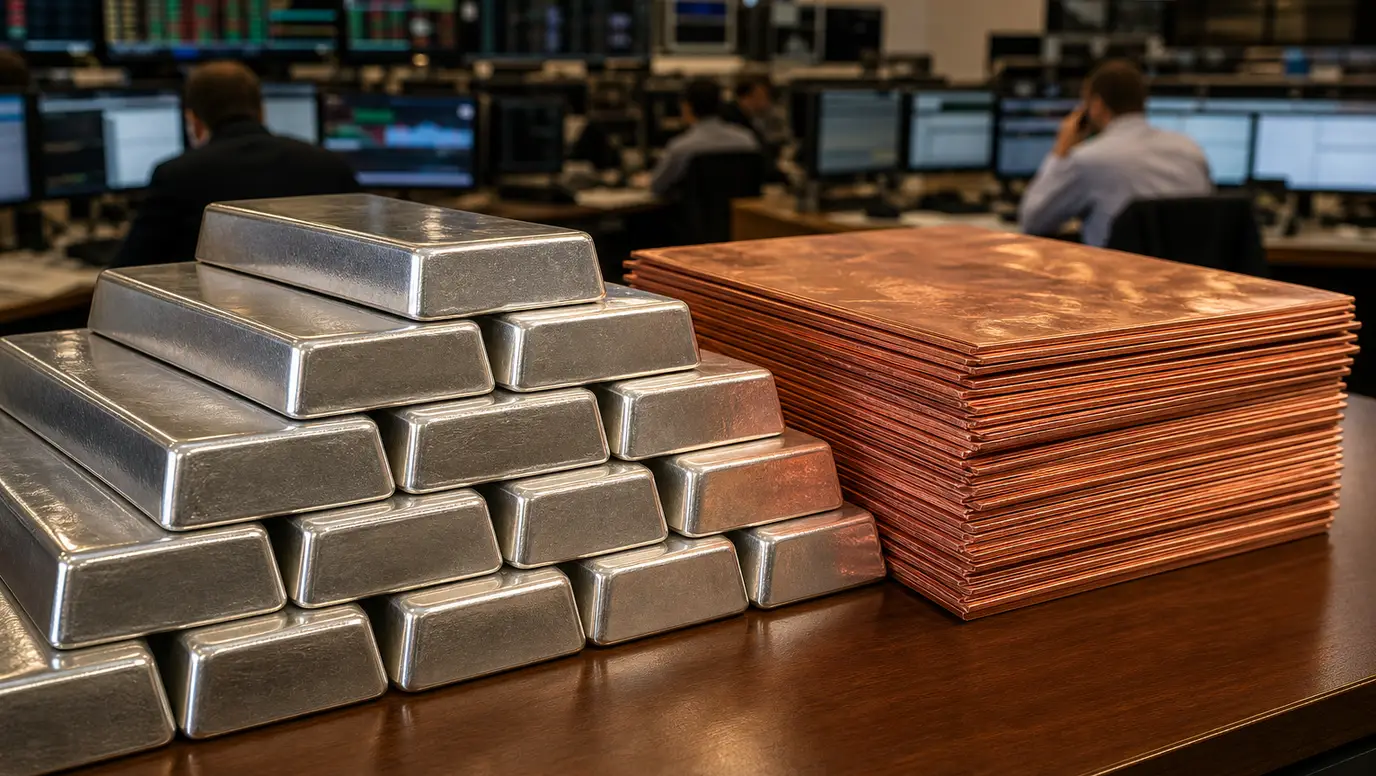
MAY 27, 2026
Silver Leads Metals Lower as Copper Resilience Highlights Split in Demand
MAY 26, 2026
Gold Slips as Oil Shock Revives Rate-Risk Trade in Precious Metals
MAY 26, 2026
Pound Slips as Dollar Rate Premium Returns to Center of FX Trading
MAY 25, 2026
Gold Rebounds as Lower Yields Bring Buyers Back to Precious Metals
MAY 25, 2026
Dollar Loses Haven Bid as Middle East Deal Hopes Lift Risk Currencies
MAY 24, 2026
Crypto Market Tries to Stabilize as ETF Flow Split and Leverage Flush Keep Traders Defensive
MAY 23, 2026
Euro Under Pressure Near 1.16 as Dollar Holds Policy Advantage
MAY 23, 2026
Silver Takes Lead in Metals as Gold Holds Near Late-Week Support
MAY 21, 2026
Dollar Rally Pauses as Yen Intervention Risk and Fed Caution Grip FX Markets