
JUNE 6, 2026
Yen Intervention Risk Takes Over Forex Market as Dollar Rally Clears 160The dollar’s post-payroll rally puts USD/JPY above 160, forcing forex traders to price Fed patience against Japan intervention risk.

© 1box.site 2026

JUNE 7, 2026
The metals market entered the new week with pressure concentrated in the most rate-sensitive and liquidity-sensitive corners of the complex, as a sharp fall in tin, renewed weakness in copper and fresh restrictions on Indian silver imports forced traders to reassess both macro and physical-market risks.
The latest activity has been stronger in metals than in the forex section, with fresh moves spanning base metals, precious metals and physical import policy. That breadth gives the metals market the clearest current news lead, even as the US dollar and Treasury yields remain important drivers behind the selling pressure.
Tin stood out as the weakest major contract after steep overnight declines on both Shanghai and London venues. The drop was notable because tin had recently benefited from tight supply expectations and speculative momentum, leaving it vulnerable to a fast unwind when higher-rate expectations returned to the front of the market.
Copper also retreated sharply, underperforming several other industrial metals as investors cut exposure to growth-linked commodities. Aluminum and zinc fell by more modest margins, but the direction across the base-metals board was broadly negative. The move suggests that traders are no longer treating tight inventories and electrification demand as sufficient protection against a stronger dollar and higher financing costs.
The selloff does not erase the longer-term industrial story. Copper demand tied to power grids, electric vehicles, data centers and artificial intelligence infrastructure remains a central theme for 2026. However, the latest price action shows that cyclical macro forces can still dominate when traders move to reduce risk across commodities at the same time.
Precious metals added a separate layer of market stress after India tightened rules on several forms of silver imports, including grain and powder, requiring prior authorization for more shipments. The change follows a broader policy push to restrain precious-metals inflows after earlier tariff increases on gold and silver.
For global silver traders, the policy shift matters because India is a major consumer of the metal for jewelry, investment and industrial use. Import restrictions may not immediately lift international prices if global risk appetite is weak, but they can widen local premiums, complicate arbitrage and make physical availability more important in domestic pricing.
Gold and silver remain caught between two opposing forces. On one side, higher yields and a firm dollar reduce the appeal of non-yielding assets. On the other, geopolitical uncertainty and concerns over inflation continue to support strategic demand from long-term holders. That tension is likely to keep intraday volatility elevated, especially around US inflation data and Federal Reserve communication.
The next test for the metals market is whether the dollar rally extends or stalls. A stronger dollar makes dollar-priced commodities more expensive for non-US buyers and often pressures both precious and base metals. If Treasury yields remain elevated, gold and silver may struggle to rebuild momentum, while copper, aluminum and zinc could remain exposed to additional long liquidation.
Still, traders are unlikely to abandon the metals complex entirely. Supply discipline, energy costs, policy intervention and demand from clean-energy infrastructure continue to create support beneath the market. The immediate question is whether that support is enough to absorb a macro-driven reset after the latest selloff.
For now, the metals market looks divided between strong structural demand arguments and a harsher short-term trading environment. Tin’s slide has made that split harder to ignore, while India’s silver curbs show that physical-market policy can still surprise traders even when the dominant headline is coming from rates and the dollar.
JUNE 6, 2026
Yen Intervention Risk Takes Over Forex Market as Dollar Rally Clears 160
JUNE 6, 2026
Copper Stockpiling Keeps Metals Market on Edge as Dollar Pressure Hits the Complex
JUNE 5, 2026
Gold Leads Metals Lower as Hot Payrolls Revive Rate-Risk Trade
JUNE 5, 2026
Hot Payrolls Put Dollar Back in Charge as Forex Market Cuts Fed Easing Bets
JUNE 5, 2026
LNG Demand and Summer Power Burn Put Natural Gas Back at the Center of Energy Market Trade
JUNE 4, 2026
Dollar Safe-Haven Bid Puts Yen Intervention Risk Back in Forex Focus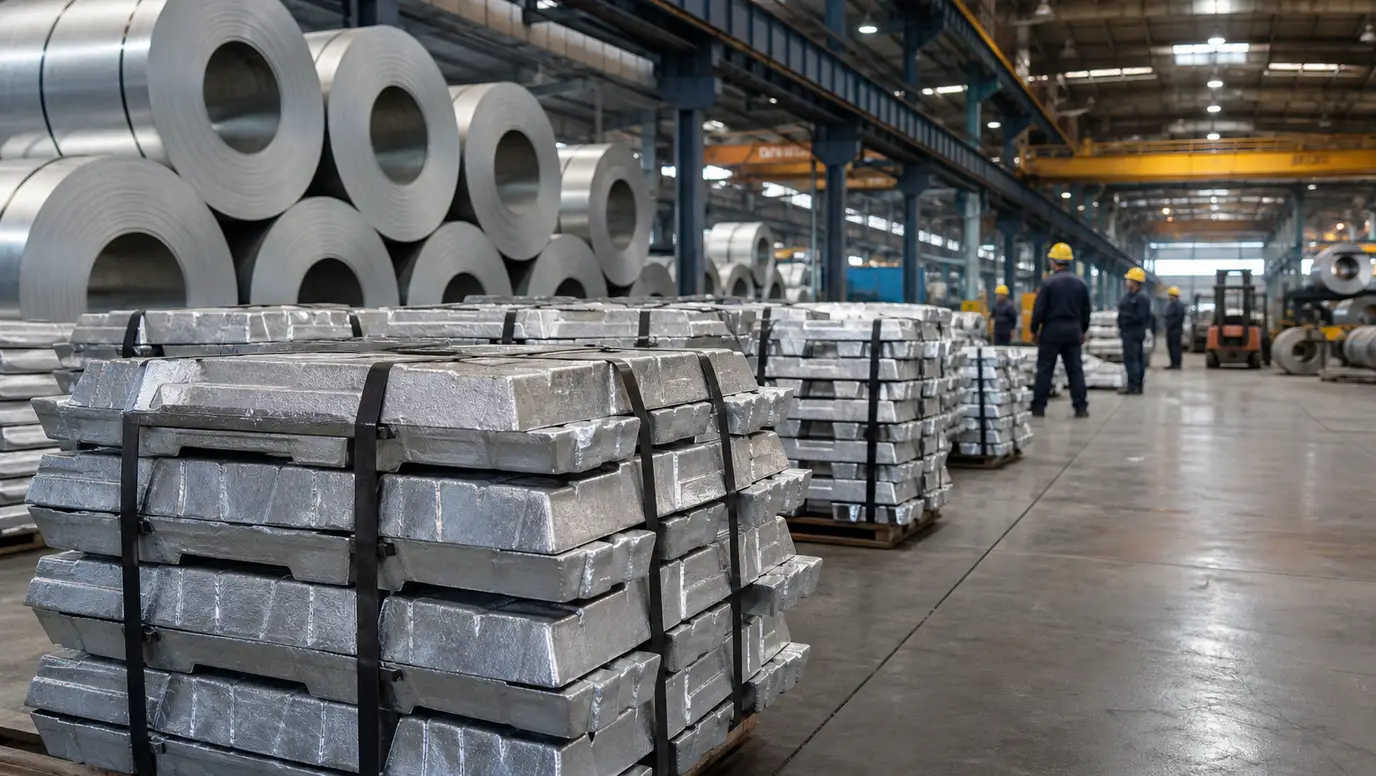
JUNE 4, 2026
Zinc Breakout Moves to Center of Metals Market as Copper Rally Cools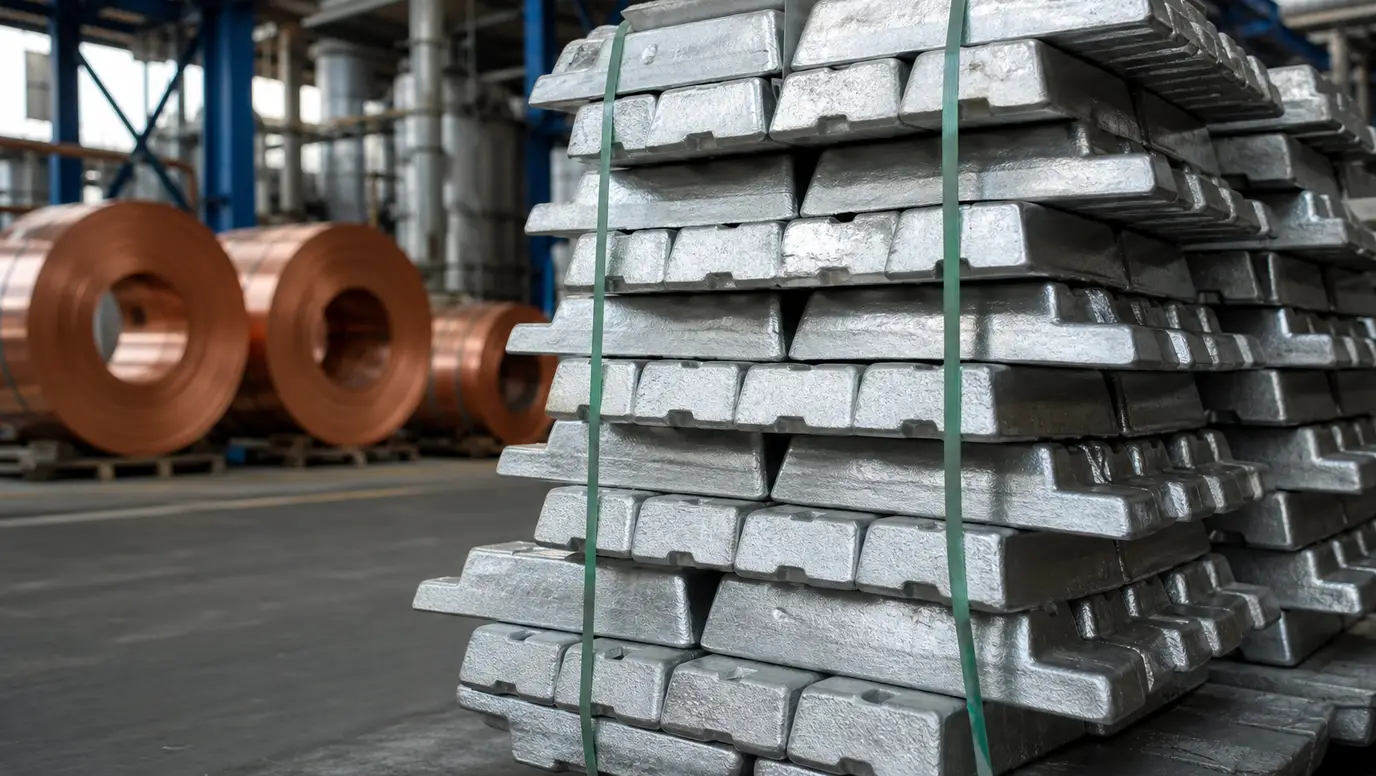
JUNE 3, 2026
Aluminum Squeeze Takes Lead in Metals Market as Low Stocks Lift Premiums
JUNE 3, 2026
Dollar Rebound Faces Services PMI Test as Forex Traders Reprice Payrolls Week
JUNE 2, 2026
Dollar Holds Its Ground After JOLTS Surprise as Euro and Yen Face Separate Tests
JUNE 2, 2026
Copper Tariff Premium Leads Metals Market as Gold Waits for Jobs Data
JUNE 1, 2026
Dollar Finds Support as Oil Risk and Payrolls Week Reset Forex Trade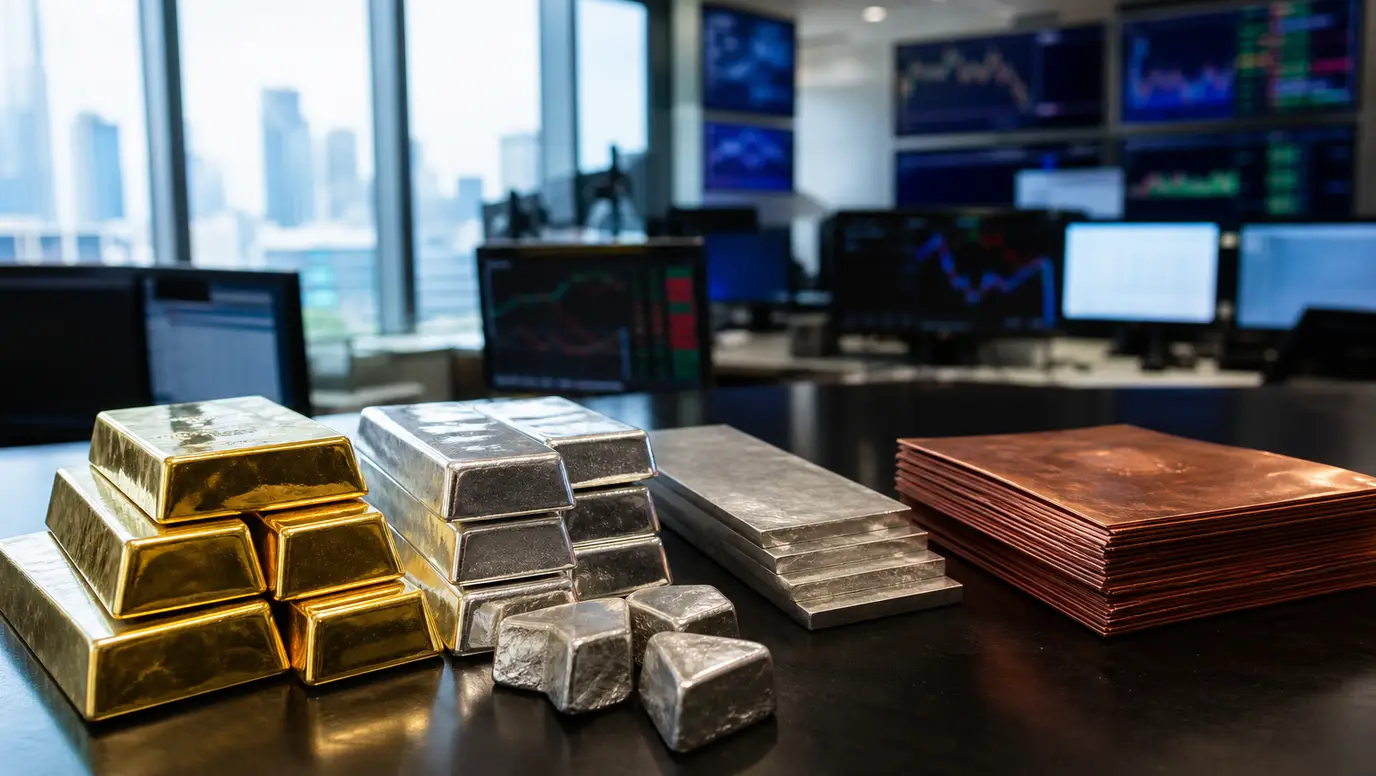
JUNE 1, 2026
Gold Slips as Platinum, Silver and Copper Keep Metals Trade Split
MAY 31, 2026
EUR/USD Faces June Data Test as Dollar Traders Shift From PCE to Payrolls
MAY 31, 2026
Copper Premium Keeps Metals Market Active as Gold Turns to June Jobs Data
MAY 30, 2026
Yen Intervention Tally Puts Dollar Bulls on Notice as Forex Market Enters June
MAY 30, 2026
Silver Holds the Spotlight as Month-End Metals Trade Splits After Inflation Data
MAY 29, 2026
Gold Rebounds as Softer Yields Lift Metals, While Copper Holds Monthly Advance
MAY 29, 2026
Dollar Softens as Cooler Core PCE and Easing Haven Demand Shift Forex Focus to Euro and Yen
MAY 28, 2026
Gold Tests Two-Month Low as PCE Countdown Keeps Metals on Defensive
MAY 28, 2026
Dollar Rally Faces PCE Test as Yen Intervention Risk Returns to FX Desks
MAY 27, 2026
Dollar Breakout Bets Build as Fed Inflation Focus Pressures Yen and Euro
MAY 27, 2026
Silver Leads Metals Lower as Copper Resilience Highlights Split in Demand
MAY 26, 2026
Gold Slips as Oil Shock Revives Rate-Risk Trade in Precious Metals
MAY 26, 2026
Pound Slips as Dollar Rate Premium Returns to Center of FX Trading
MAY 25, 2026
Gold Rebounds as Lower Yields Bring Buyers Back to Precious Metals
MAY 25, 2026
Dollar Loses Haven Bid as Middle East Deal Hopes Lift Risk Currencies
MAY 24, 2026
Crypto Market Tries to Stabilize as ETF Flow Split and Leverage Flush Keep Traders Defensive
MAY 23, 2026
Euro Under Pressure Near 1.16 as Dollar Holds Policy Advantage
MAY 23, 2026
Silver Takes Lead in Metals as Gold Holds Near Late-Week Support