
JUNE 6, 2026
Yen Intervention Risk Takes Over Forex Market as Dollar Rally Clears 160The dollar’s post-payroll rally puts USD/JPY above 160, forcing forex traders to price Fed patience against Japan intervention risk.

© 1box.site 2026

JUNE 6, 2026
The metals market is entering the new week with a sharper split between macro pressure and physical-market tightness, as copper stockpiling linked to U.S. tariff uncertainty continues to support parts of the base-metals complex even after a stronger dollar and higher Treasury yields triggered broad selling across precious and industrial metals.
Late-week trading showed how quickly sentiment can shift when rate expectations move against commodities. A stronger-than-expected U.S. labor reading pushed investors to reduce bets on easier Federal Reserve policy, lifting the dollar and yields while pressuring gold, silver, copper, aluminum, zinc, tin and nickel. The move was not limited to one contract: base metals traded lower across major venues, while precious metals lost safe-haven momentum as real-rate concerns returned to the center of the market.
Yet the copper market remains difficult to read as a simple macro trade. Traders are still watching whether U.S. import flows will remain elevated ahead of a late-June policy review that could reshape regional pricing for refined copper. That uncertainty has encouraged metal to move toward the U.S. market, keeping attention on spreads, warehouse queues and the gap between local and international pricing.
Copper usually reacts cleanly to shifts in manufacturing expectations, Chinese demand signals and the dollar. This month, however, policy risk is competing with those traditional drivers. The market has already seen episodes of strength as buyers tried to secure supply ahead of possible tariff changes, even as the broader commodity complex absorbed pressure from tighter financial conditions.
That leaves copper vulnerable to two-way volatility. If tariff expectations harden, U.S. buyers may continue pulling forward purchases, reinforcing regional tightness and keeping premiums elevated. If the policy threat fades or timing becomes less urgent, some of that stockpiling demand could unwind quickly, especially after the recent run-up in prices.
For investors, the key issue is not only the headline copper price but also the quality of demand behind it. Electrification, grid spending, data-center construction and long-term mine-supply constraints remain supportive structural themes. But near-term demand linked to pre-emptive buying can create air pockets once inventories have been moved and users become less willing to chase prices.
Aluminum remains another focal point because visible inventory has stayed tight by recent historical standards. Low exchange stocks can magnify price reactions when industrial buyers return to the market or when energy costs raise concern about smelter margins. Even after the broad pullback in metals, aluminum’s supply backdrop keeps it from trading purely as a dollar-sensitive asset.
Zinc is also drawing attention after a strong recent advance, though the latest session showed that momentum trades can cool when the entire complex faces macro selling. In both aluminum and zinc, traders are weighing supply discipline against the risk that stronger yields and a firmer U.S. dollar curb speculative appetite.
Nickel remains the weaker link in the base-metals chain, with oversupply concerns still limiting rallies. That contrast matters because it shows the market is becoming more selective. Investors are not simply buying or selling all industrial metals on one global-growth view; they are separating metals with visible supply constraints from those still dealing with excess capacity or softer demand narratives.
Precious metals are facing a different challenge. Gold and silver had previously benefited from geopolitical risk, inflation hedging and central-bank interest, but the latest rate repricing has made the opportunity cost of holding non-yielding assets harder to ignore. When the dollar rises at the same time as Treasury yields, the pressure on gold and silver can intensify quickly.
Silver’s decline has been especially important for metals traders because it sits between the precious and industrial worlds. A weaker silver price can reflect both reduced monetary demand and concern that higher rates will cool activity in manufacturing, solar equipment and electronics. However, silver’s industrial-demand profile means any improvement in risk appetite or renewable-energy demand expectations could still produce sharp rebounds.
The next major test for the metals market is whether inflation data and Fed commentary confirm the tighter-rate interpretation created by the jobs report. A cooler inflation signal could stabilize gold and silver while allowing copper and aluminum to refocus on supply issues. A hotter reading would likely keep the dollar firm and make it harder for metals to sustain rallies without fresh evidence of physical tightness.
For now, the metals market is not sending a single message. Precious metals are warning that rate risk is back, while copper and aluminum are showing that supply chains and policy uncertainty can still overpower macro headwinds. That tension is likely to keep volatility elevated as traders move toward the late-June tariff window and the next round of U.S. inflation data.
JUNE 6, 2026
Yen Intervention Risk Takes Over Forex Market as Dollar Rally Clears 160
JUNE 5, 2026
Gold Leads Metals Lower as Hot Payrolls Revive Rate-Risk Trade
JUNE 5, 2026
Hot Payrolls Put Dollar Back in Charge as Forex Market Cuts Fed Easing Bets
JUNE 5, 2026
LNG Demand and Summer Power Burn Put Natural Gas Back at the Center of Energy Market Trade
JUNE 4, 2026
Dollar Safe-Haven Bid Puts Yen Intervention Risk Back in Forex Focus
JUNE 4, 2026
Zinc Breakout Moves to Center of Metals Market as Copper Rally Cools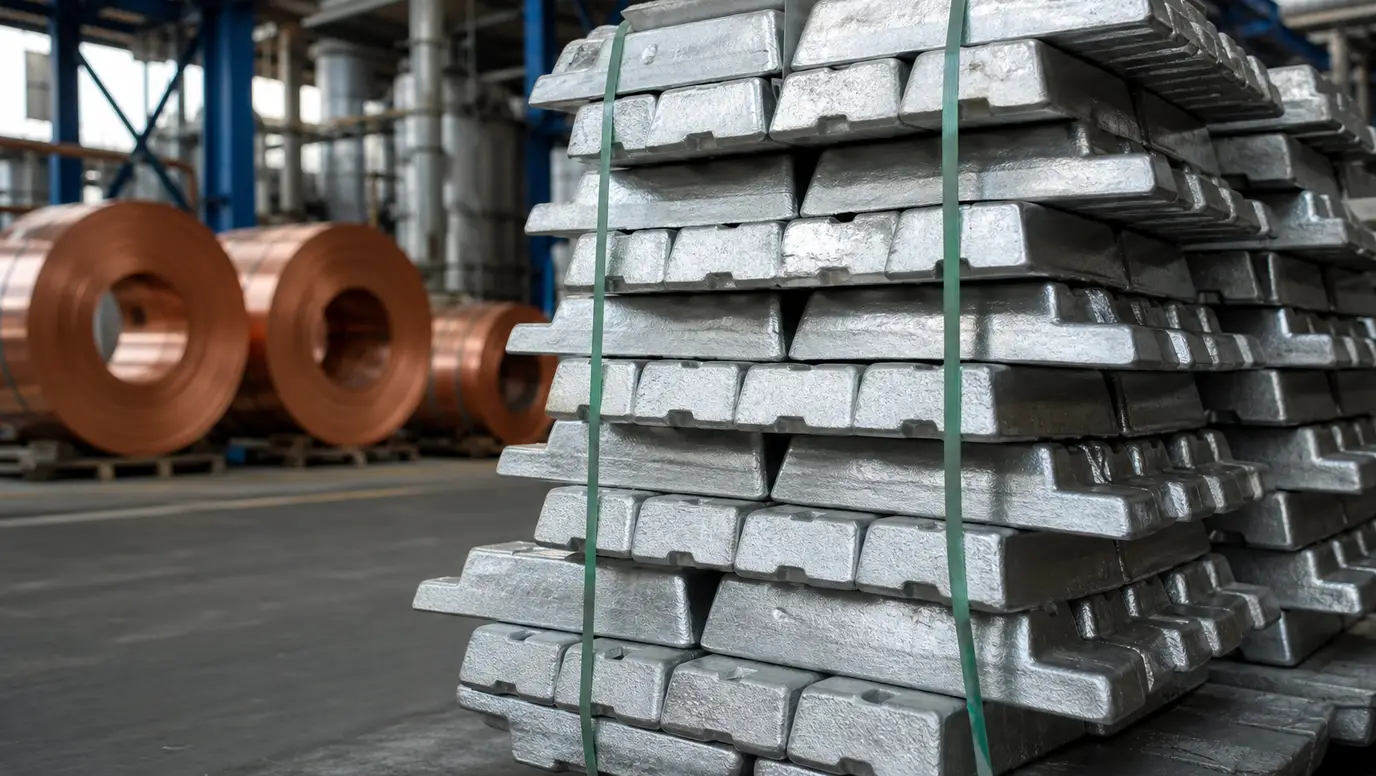
JUNE 3, 2026
Aluminum Squeeze Takes Lead in Metals Market as Low Stocks Lift Premiums
JUNE 3, 2026
Dollar Rebound Faces Services PMI Test as Forex Traders Reprice Payrolls Week
JUNE 2, 2026
Dollar Holds Its Ground After JOLTS Surprise as Euro and Yen Face Separate Tests
JUNE 2, 2026
Copper Tariff Premium Leads Metals Market as Gold Waits for Jobs Data
JUNE 1, 2026
Dollar Finds Support as Oil Risk and Payrolls Week Reset Forex Trade
JUNE 1, 2026
Gold Slips as Platinum, Silver and Copper Keep Metals Trade Split
MAY 31, 2026
EUR/USD Faces June Data Test as Dollar Traders Shift From PCE to Payrolls
MAY 31, 2026
Copper Premium Keeps Metals Market Active as Gold Turns to June Jobs Data
MAY 30, 2026
Yen Intervention Tally Puts Dollar Bulls on Notice as Forex Market Enters June
MAY 30, 2026
Silver Holds the Spotlight as Month-End Metals Trade Splits After Inflation Data
MAY 29, 2026
Gold Rebounds as Softer Yields Lift Metals, While Copper Holds Monthly Advance
MAY 29, 2026
Dollar Softens as Cooler Core PCE and Easing Haven Demand Shift Forex Focus to Euro and Yen
MAY 28, 2026
Gold Tests Two-Month Low as PCE Countdown Keeps Metals on Defensive
MAY 28, 2026
Dollar Rally Faces PCE Test as Yen Intervention Risk Returns to FX Desks
MAY 27, 2026
Dollar Breakout Bets Build as Fed Inflation Focus Pressures Yen and Euro
MAY 27, 2026
Silver Leads Metals Lower as Copper Resilience Highlights Split in Demand
MAY 26, 2026
Gold Slips as Oil Shock Revives Rate-Risk Trade in Precious Metals
MAY 26, 2026
Pound Slips as Dollar Rate Premium Returns to Center of FX Trading
MAY 25, 2026
Gold Rebounds as Lower Yields Bring Buyers Back to Precious Metals
MAY 25, 2026
Dollar Loses Haven Bid as Middle East Deal Hopes Lift Risk Currencies
MAY 24, 2026
Crypto Market Tries to Stabilize as ETF Flow Split and Leverage Flush Keep Traders Defensive
MAY 23, 2026
Euro Under Pressure Near 1.16 as Dollar Holds Policy Advantage
MAY 23, 2026
Silver Takes Lead in Metals as Gold Holds Near Late-Week Support
MAY 21, 2026
Dollar Rally Pauses as Yen Intervention Risk and Fed Caution Grip FX Markets