
JUNE 11, 2026
Euro Stalls After ECB Hike as Hot U.S. PPI Keeps Dollar Demand AliveThe euro struggled after the ECB raised rates as firm U.S. producer prices and Fed repricing kept the dollar supported in forex trading.

© 1box.site 2026
JUNE 11, 2026
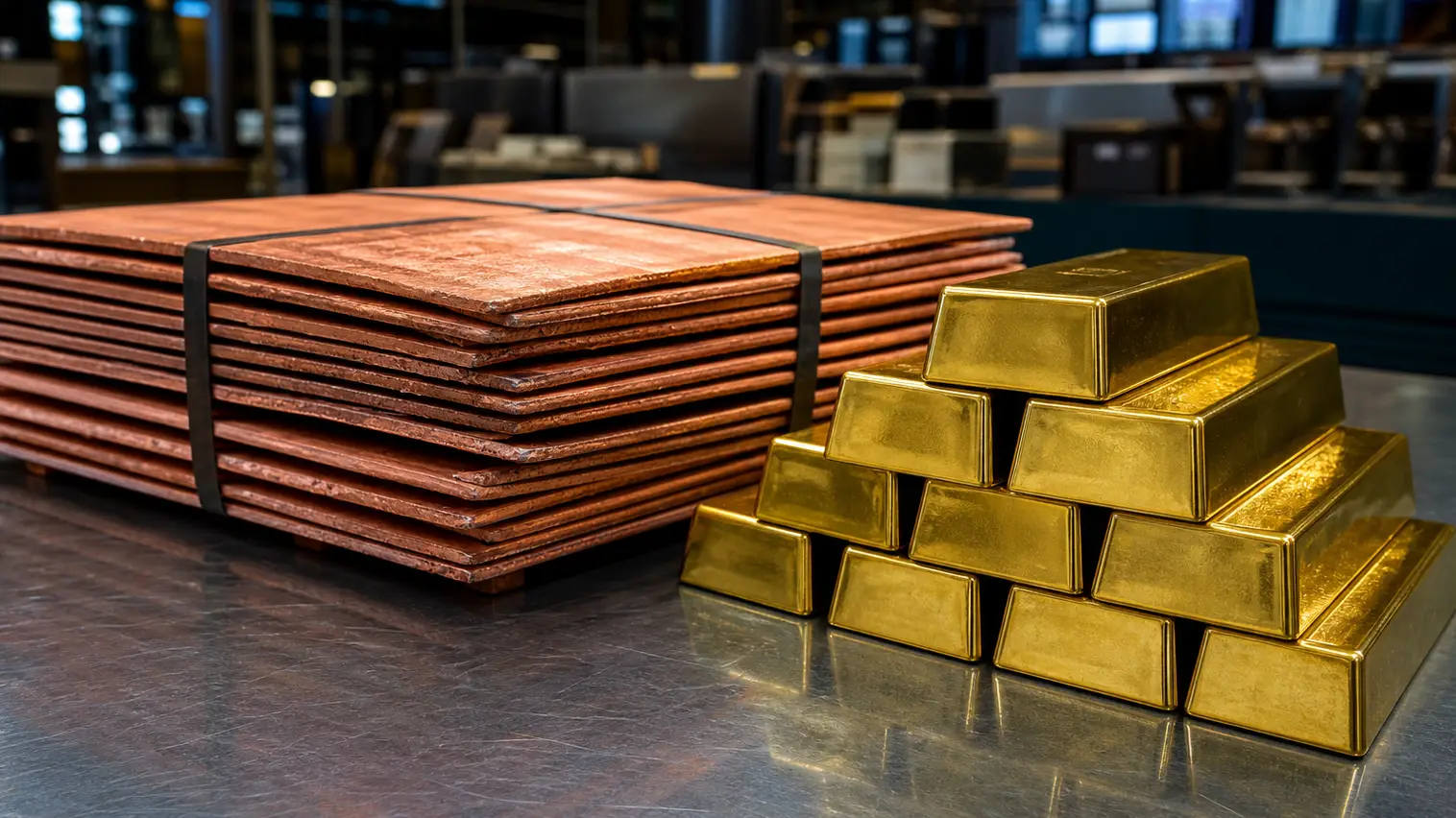
Gold and copper moved lower on Thursday as a stronger inflation signal from the U.S. producer price index pushed the metals market back into a familiar defensive trade: higher real-rate expectations, firmer dollar demand and less tolerance for non-yielding or growth-sensitive commodities.
The pressure was broad rather than isolated. Precious metals lost traction after a brief attempt to stabilize earlier in the week, while base metals struggled to hold support even though visible supply conditions remain tight in parts of the complex. The reaction suggests traders are again prioritizing macro risk over physical-market stories, at least until the Federal Reserve’s next policy message becomes clearer.
Gold’s retreat was notable because bullion would normally attract haven demand when geopolitical risk and equity volatility rise. Instead, the market focused on the cost of holding a non-yielding asset if sticky wholesale inflation keeps the Fed restrictive for longer. Silver weakened alongside gold, with the metal’s hybrid status as both a monetary and industrial asset leaving it exposed to the same rates pressure that hit bullion and the same demand concerns weighing on base metals.
The latest price action shows how sensitive metals remain to U.S. inflation surprises. A hotter producer-price reading tends to lift the market-implied path for interest rates, particularly when investors are already debating whether the Fed can move toward easier policy without risking another inflation flare-up. For gold, that matters because higher Treasury yields increase the opportunity cost of holding bullion.
The U.S. dollar also remains a key transmission channel. Metals priced in dollars often face selling pressure when the greenback firms, as overseas buyers see higher local-currency costs. Even when the dollar move is modest, the combination of a stronger currency and higher yields can be enough to slow momentum across gold, silver and platinum-group metals.
That is why the current pullback is less about a collapse in long-term demand and more about near-term positioning. Gold remains supported by reserve diversification, geopolitical hedging and long-running investor interest in hard assets. But after a sharp multi-month rally, the market is more vulnerable to profit-taking whenever U.S. data argues against quick rate relief.
Copper also came under pressure, with three-month London trading slipping around three-week lows as investors weighed tight exchange inventories against a more cautious global growth outlook. The red metal has been one of the strongest structural stories in commodities this year, supported by electrification demand, power-grid investment and concerns over mine supply. Yet the short-term trade is now being shaped by whether higher rates and elevated energy costs will dent manufacturing activity.
That tension is visible across the base-metals board. Copper’s fundamentals have not suddenly weakened, but the market is less willing to pay a premium for future scarcity when macro data points to tighter financial conditions. Aluminum, nickel and zinc have faced similar pressure as traders reduce exposure to cyclical commodities until there is more clarity on demand from China, Europe and the United States.
The metals market is also watching trade-policy risk around refined copper flows. Any move that changes import costs or redirects physical supply could widen regional price gaps and increase volatility between U.S., London and Asian benchmarks. For now, however, tariff risk is acting more as a background volatility factor than a clear bullish catalyst because traders are still trying to price the immediate effect of rates and demand.
The next test for metals is whether the Fed validates the market’s higher-for-longer interpretation. If policymakers emphasize inflation persistence, gold could remain capped below recent rebound levels and copper may struggle to regain upside momentum despite tight supply. If the Fed instead frames wholesale inflation as temporary or energy-driven, metals could recover quickly as dollar pressure eases.
For investors, the key distinction is between structural support and tactical risk. Gold still has a long-term bid from central-bank demand and portfolio hedging, while copper remains central to energy-transition and infrastructure spending. But in the near term, both metals are trading as macro assets, and that leaves them exposed to every move in Treasury yields, the U.S. dollar and Fed-rate expectations.
Until those signals soften, rallies in the metals market may face heavier selling from funds reducing inflation-sensitive and growth-sensitive exposure. The broader trend has not been broken, but Thursday’s move shows that sticky U.S. price data can still overwhelm tight inventories, haven demand and long-term commodity scarcity narratives.
JUNE 11, 2026
Euro Stalls After ECB Hike as Hot U.S. PPI Keeps Dollar Demand Alive
JUNE 10, 2026
Dollar Eases as In-Line CPI Cools Fed Hike Premium in Forex Market
JUNE 9, 2026
Gold Stabilizes Before CPI as Rate-Hike Risk Keeps Metals Rebound in Check
JUNE 9, 2026
Dollar Slips as Euro Finds Relief and Yen Stays Under Pressure
JUNE 8, 2026
Gold Loses Haven Bid as Copper Tariff Premium Splits Metals Market
JUNE 8, 2026
Bitcoin Rebound Puts Crypto Market Back on Support Watch After Weekend Liquidations
JUNE 8, 2026
Dollar Holds High Ground as CPI Countdown Resets Forex Market Risk
JUNE 7, 2026
Tin Slump Takes Lead in Metals Market as Silver Import Curbs Tighten Physical Trade
JUNE 6, 2026
Yen Intervention Risk Takes Over Forex Market as Dollar Rally Clears 160
JUNE 6, 2026
Copper Stockpiling Keeps Metals Market on Edge as Dollar Pressure Hits the Complex
JUNE 5, 2026
Gold Leads Metals Lower as Hot Payrolls Revive Rate-Risk Trade
JUNE 5, 2026
Hot Payrolls Put Dollar Back in Charge as Forex Market Cuts Fed Easing Bets
JUNE 5, 2026
LNG Demand and Summer Power Burn Put Natural Gas Back at the Center of Energy Market Trade
JUNE 4, 2026
Dollar Safe-Haven Bid Puts Yen Intervention Risk Back in Forex Focus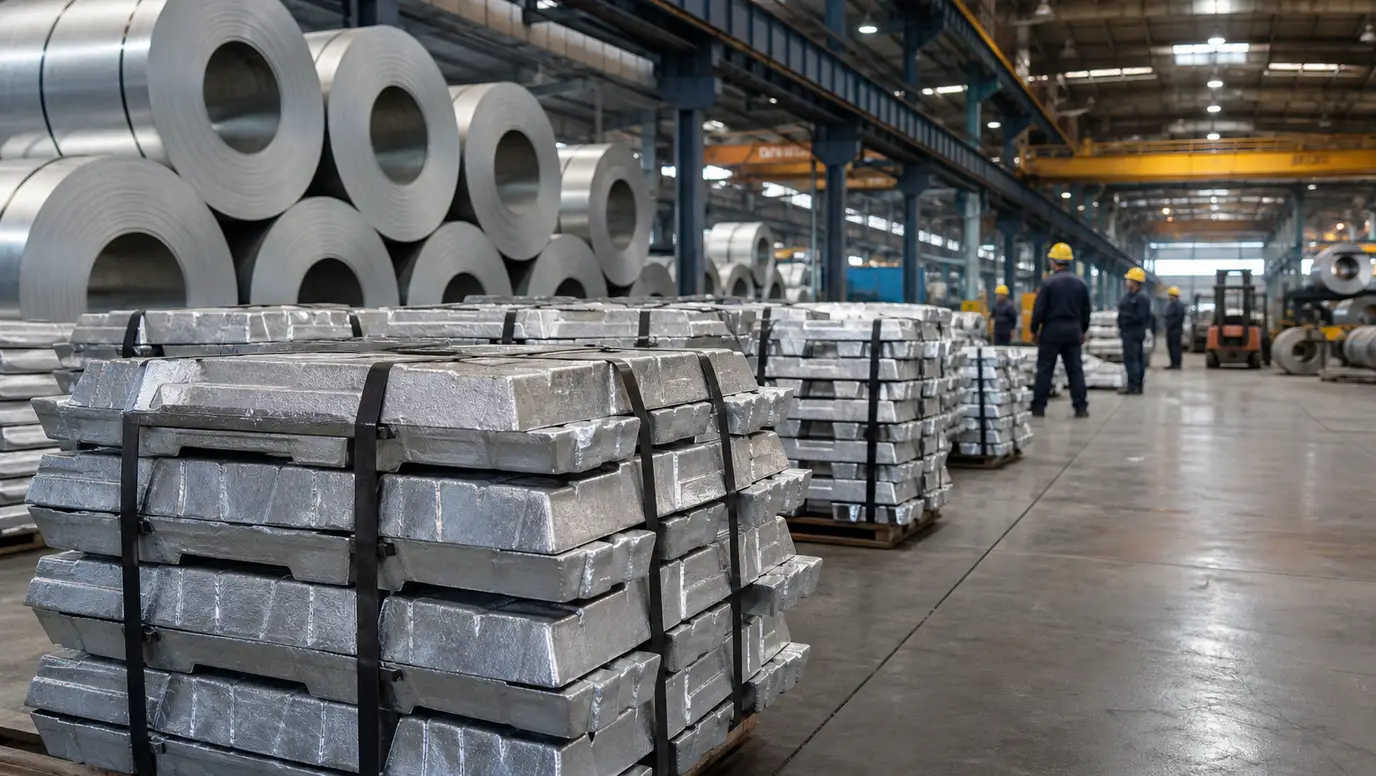
JUNE 4, 2026
Zinc Breakout Moves to Center of Metals Market as Copper Rally Cools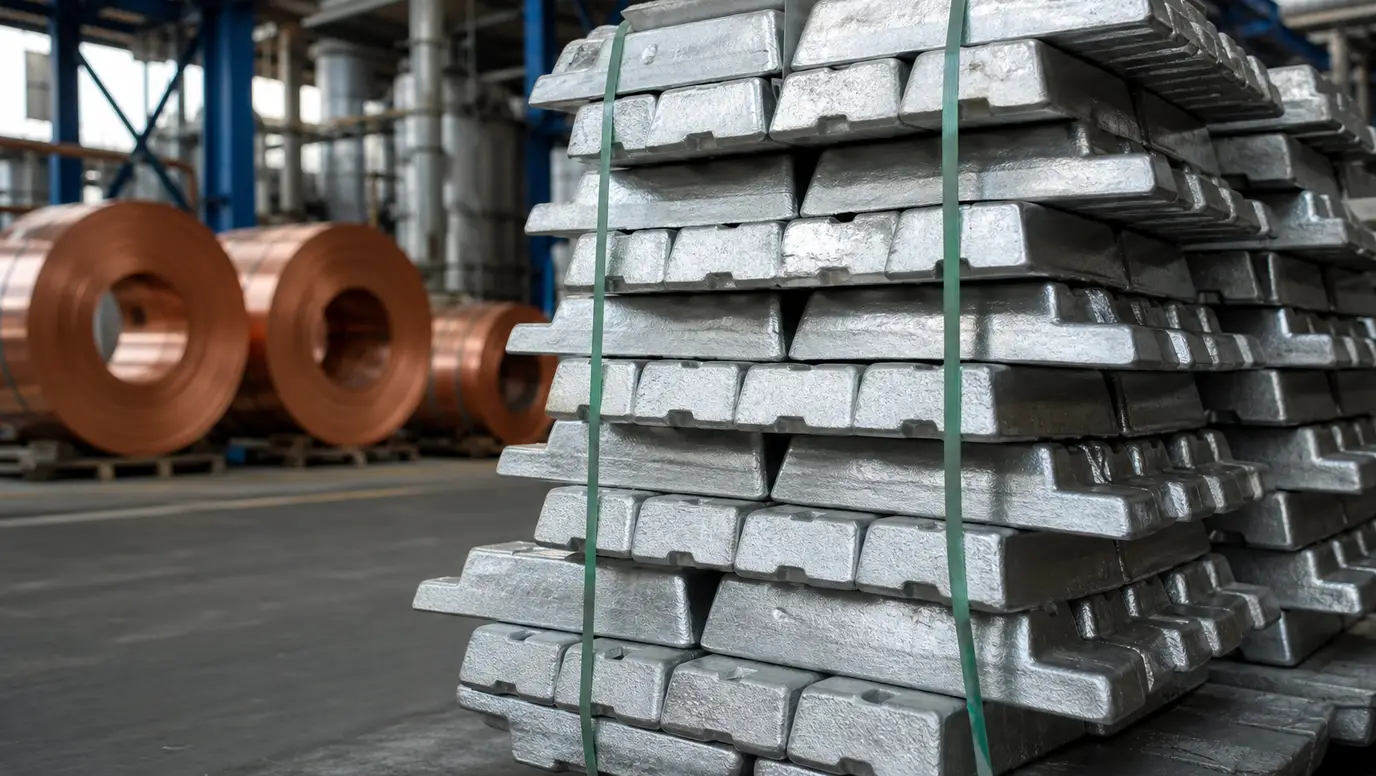
JUNE 3, 2026
Aluminum Squeeze Takes Lead in Metals Market as Low Stocks Lift Premiums
JUNE 3, 2026
Dollar Rebound Faces Services PMI Test as Forex Traders Reprice Payrolls Week
JUNE 2, 2026
Dollar Holds Its Ground After JOLTS Surprise as Euro and Yen Face Separate Tests
JUNE 2, 2026
Copper Tariff Premium Leads Metals Market as Gold Waits for Jobs Data
JUNE 1, 2026
Dollar Finds Support as Oil Risk and Payrolls Week Reset Forex Trade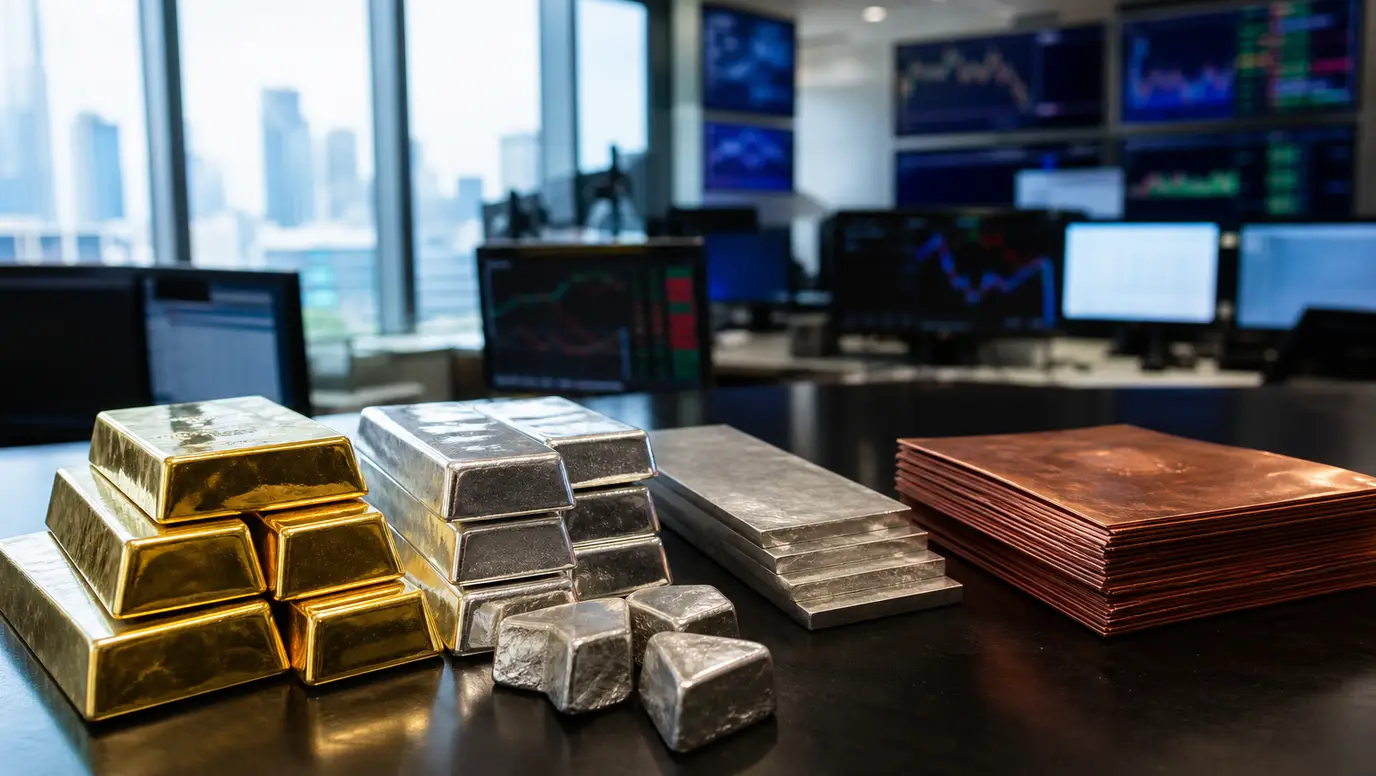
JUNE 1, 2026
Gold Slips as Platinum, Silver and Copper Keep Metals Trade Split
MAY 31, 2026
EUR/USD Faces June Data Test as Dollar Traders Shift From PCE to Payrolls
MAY 31, 2026
Copper Premium Keeps Metals Market Active as Gold Turns to June Jobs Data
MAY 30, 2026
Yen Intervention Tally Puts Dollar Bulls on Notice as Forex Market Enters June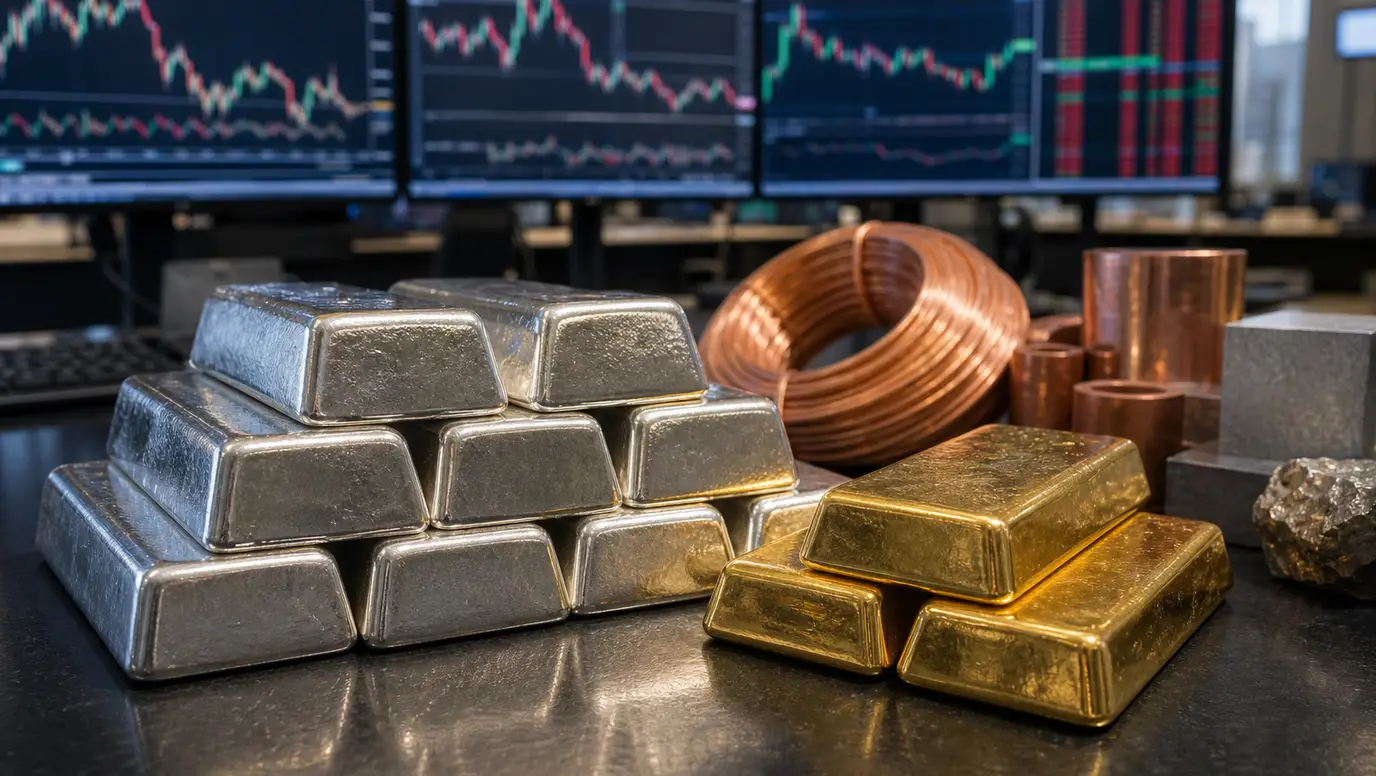
MAY 30, 2026
Silver Holds the Spotlight as Month-End Metals Trade Splits After Inflation Data
MAY 29, 2026
Gold Rebounds as Softer Yields Lift Metals, While Copper Holds Monthly Advance
MAY 29, 2026
Dollar Softens as Cooler Core PCE and Easing Haven Demand Shift Forex Focus to Euro and Yen
MAY 28, 2026
Gold Tests Two-Month Low as PCE Countdown Keeps Metals on Defensive
MAY 28, 2026
Dollar Rally Faces PCE Test as Yen Intervention Risk Returns to FX Desks
MAY 27, 2026
Dollar Breakout Bets Build as Fed Inflation Focus Pressures Yen and Euro