
JUNE 12, 2026
Yen Near 160 as Dollar Finds Support Before Fed-BOJ Policy CollisionYen weakens near 160 per dollar as traders weigh U.S. inflation, ceasefire doubts and central bank meetings in a volatile forex market.

© 1box.site 2026

JUNE 12, 2026
Copper moved back into the lead of the metals market on Friday as a softer US dollar, lower energy prices and easing geopolitical stress helped buyers return to both industrial and precious metals after a volatile week dominated by inflation and Federal Reserve risk.
Benchmark three-month copper on the London Metal Exchange traded higher in early activity, with the red metal regaining ground near the upper end of its recent range. The move came alongside broad overnight gains across base metals, while gold and silver also rebounded sharply as the dollar eased from recent highs and Treasury yields pulled back.
The recovery does not fully erase the pressure created by stronger US inflation signals earlier in the week, but it changes the tone of the metals market. Traders are no longer focused only on the risk of higher-for-longer interest rates. They are also re-evaluating supply constraints, physical demand and the possibility that a calmer geopolitical backdrop could reduce energy-cost stress without removing the case for hard assets.
Copper’s rebound is being driven by more than short-term currency weakness. The industrial metal remains underpinned by a tight concentrate market, smelting bottlenecks and limited rapid-response mine supply. Even when macro conditions weaken, traders have been reluctant to price copper as a typical late-cycle commodity because visible supply does not fully resolve longer-term concerns around ore grades, project delays and refining capacity.
Reports of disruption risks around sulphur and sulphuric acid supply have added another layer to the copper discussion. Sulphuric acid is an important input for some copper production processes, particularly in leaching operations. Any sustained squeeze in chemical availability could complicate output plans in regions already facing logistical and power-related constraints.
That supply-side sensitivity explains why copper has been able to recover even as investors remain cautious about global growth. China demand signals, grid investment, electrification and data-center infrastructure continue to support the strategic case for copper, while the market remains alert to policy changes that could redirect metal flows between exchanges and physical consumers.
Gold also recovered as the dollar softened and yields eased, improving the relative appeal of non-yielding assets. The metal had struggled earlier in the week as inflation data kept the Federal Reserve at the center of the trade, but the latest price action shows that safe-haven and reserve-diversification demand has not disappeared.
Silver outperformed in the precious metals complex, helped by the same macro relief that lifted gold and by its stronger industrial profile. When rate expectations stabilize and risk appetite improves, silver can draw demand from both sides of the market: investors looking for monetary protection and manufacturers exposed to solar, electronics and electrification demand.
Platinum group metals also found firmer footing, although sentiment remains uneven because demand expectations are more closely tied to automotive and industrial activity. For traders, the broader message from Friday’s rebound is that the metals complex is still highly sensitive to small moves in the dollar and yields, but supply stories are increasingly capable of amplifying rallies.
The next test for the metals market remains the Federal Reserve. The upcoming policy decision and updated economic projections will help determine whether this rebound can extend or whether metals face another wave of pressure from real yields. A hawkish message would likely challenge gold and silver first, while copper may depend more heavily on whether physical-market tightness offsets any renewed growth concerns.
For now, the market is trading on a more balanced mix of signals. Softer currency conditions are helping metals stabilize, lower oil prices are easing cost concerns, and supply constraints are keeping dip-buyers interested in copper. However, inflation has not faded as a risk, and traders are unlikely to chase the rally aggressively until the policy outlook becomes clearer.
That leaves the metals market in a constructive but fragile position. Copper has regained leadership, gold has recovered its defensive appeal, and silver is again showing the leverage that can make it the most volatile major precious metal. The question for the next session is whether the softer-dollar trade can survive fresh rate guidance or whether the rebound becomes another short-covering rally inside a wider consolidation range.
JUNE 12, 2026
Yen Near 160 as Dollar Finds Support Before Fed-BOJ Policy Collision
JUNE 11, 2026
Gold and Copper Slide as Hot PPI Puts Metals Market Back Under Yield Pressure
JUNE 11, 2026
Euro Stalls After ECB Hike as Hot U.S. PPI Keeps Dollar Demand Alive
JUNE 10, 2026
Dollar Eases as In-Line CPI Cools Fed Hike Premium in Forex Market
JUNE 9, 2026
Gold Stabilizes Before CPI as Rate-Hike Risk Keeps Metals Rebound in Check
JUNE 9, 2026
Dollar Slips as Euro Finds Relief and Yen Stays Under Pressure
JUNE 8, 2026
Gold Loses Haven Bid as Copper Tariff Premium Splits Metals Market
JUNE 8, 2026
Bitcoin Rebound Puts Crypto Market Back on Support Watch After Weekend Liquidations
JUNE 8, 2026
Dollar Holds High Ground as CPI Countdown Resets Forex Market Risk
JUNE 7, 2026
Tin Slump Takes Lead in Metals Market as Silver Import Curbs Tighten Physical Trade
JUNE 6, 2026
Yen Intervention Risk Takes Over Forex Market as Dollar Rally Clears 160
JUNE 6, 2026
Copper Stockpiling Keeps Metals Market on Edge as Dollar Pressure Hits the Complex
JUNE 5, 2026
Gold Leads Metals Lower as Hot Payrolls Revive Rate-Risk Trade
JUNE 5, 2026
Hot Payrolls Put Dollar Back in Charge as Forex Market Cuts Fed Easing Bets
JUNE 5, 2026
LNG Demand and Summer Power Burn Put Natural Gas Back at the Center of Energy Market Trade
JUNE 4, 2026
Dollar Safe-Haven Bid Puts Yen Intervention Risk Back in Forex Focus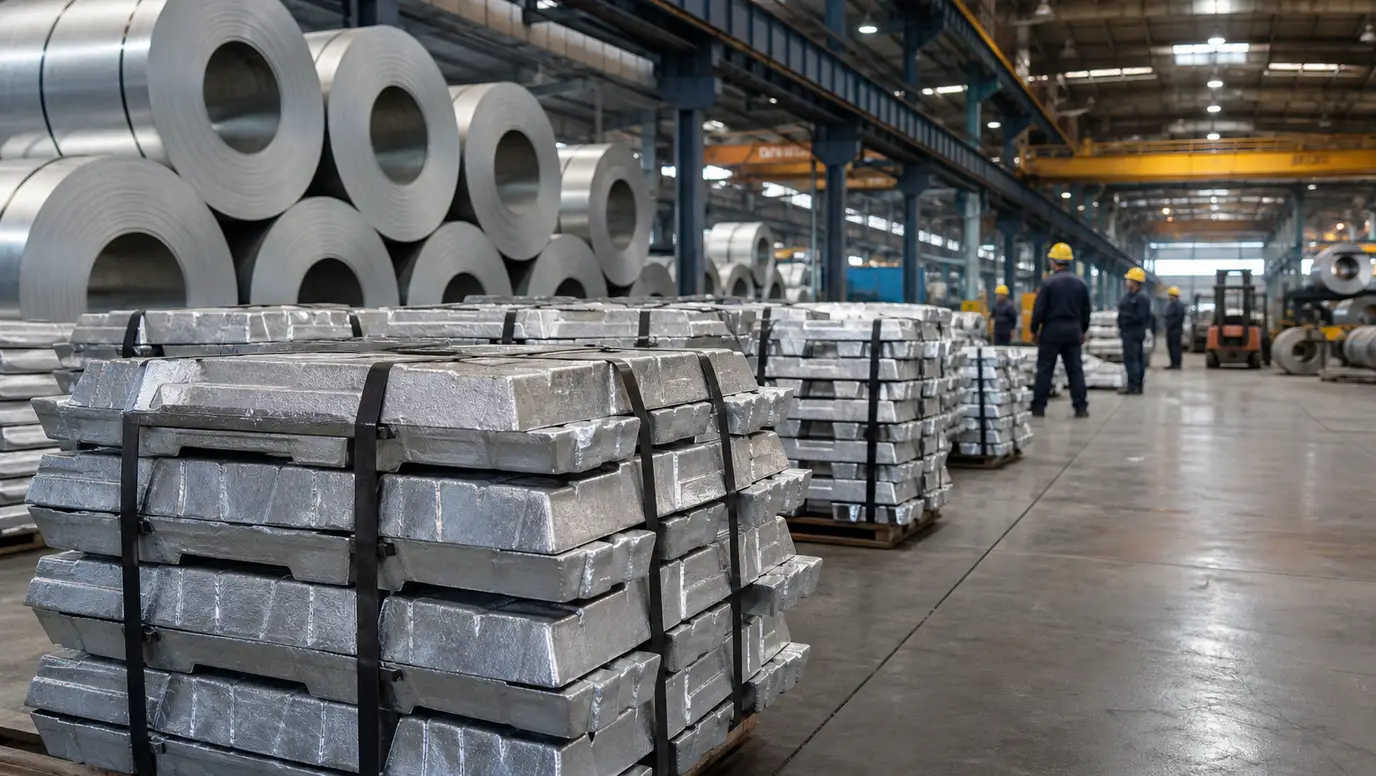
JUNE 4, 2026
Zinc Breakout Moves to Center of Metals Market as Copper Rally Cools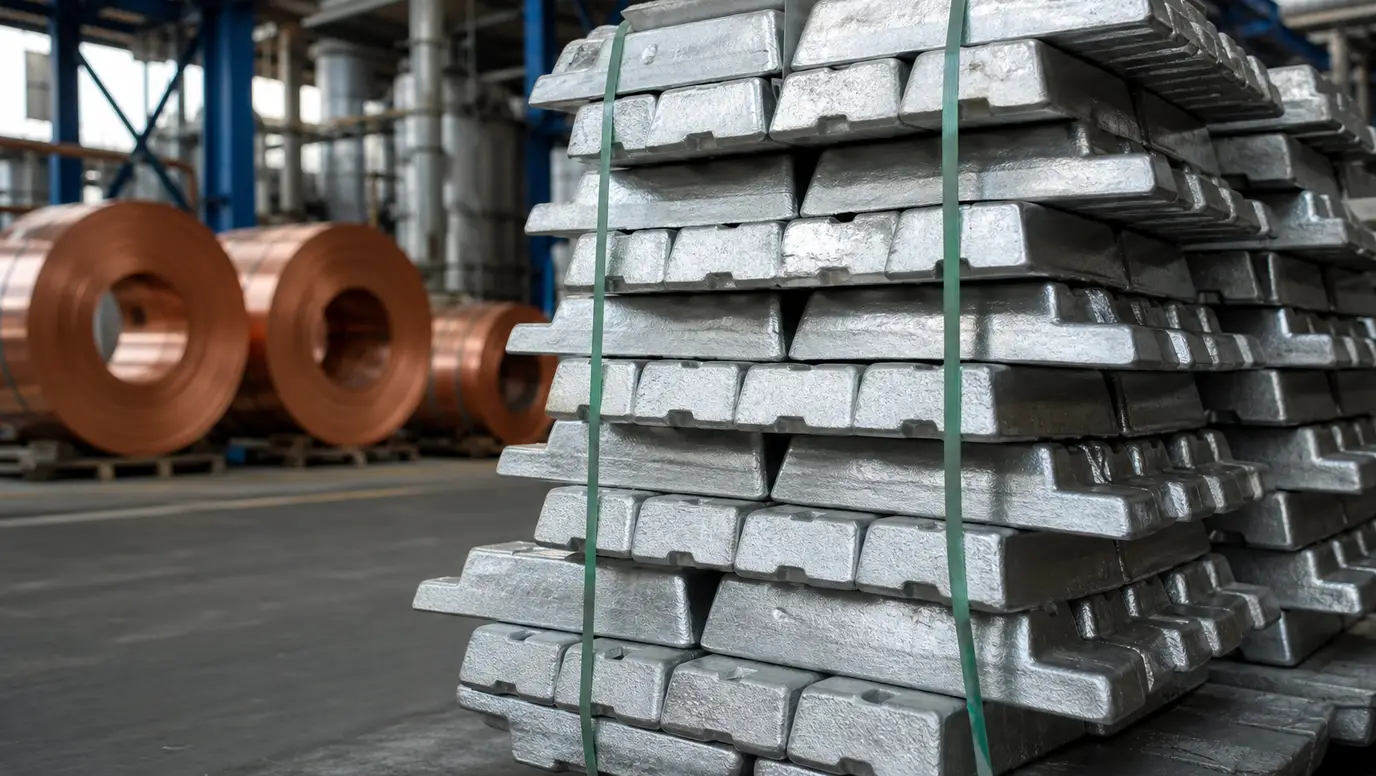
JUNE 3, 2026
Aluminum Squeeze Takes Lead in Metals Market as Low Stocks Lift Premiums
JUNE 3, 2026
Dollar Rebound Faces Services PMI Test as Forex Traders Reprice Payrolls Week
JUNE 2, 2026
Dollar Holds Its Ground After JOLTS Surprise as Euro and Yen Face Separate Tests
JUNE 2, 2026
Copper Tariff Premium Leads Metals Market as Gold Waits for Jobs Data
JUNE 1, 2026
Dollar Finds Support as Oil Risk and Payrolls Week Reset Forex Trade
JUNE 1, 2026
Gold Slips as Platinum, Silver and Copper Keep Metals Trade Split
MAY 31, 2026
EUR/USD Faces June Data Test as Dollar Traders Shift From PCE to Payrolls
MAY 31, 2026
Copper Premium Keeps Metals Market Active as Gold Turns to June Jobs Data
MAY 30, 2026
Yen Intervention Tally Puts Dollar Bulls on Notice as Forex Market Enters June
MAY 30, 2026
Silver Holds the Spotlight as Month-End Metals Trade Splits After Inflation Data
MAY 29, 2026
Gold Rebounds as Softer Yields Lift Metals, While Copper Holds Monthly Advance
MAY 29, 2026
Dollar Softens as Cooler Core PCE and Easing Haven Demand Shift Forex Focus to Euro and Yen
MAY 28, 2026
Gold Tests Two-Month Low as PCE Countdown Keeps Metals on Defensive