
JUNE 16, 2026
Yen Stays Near 160 After BOJ Hike as Dollar Awaits Fed SignalYen remains under pressure near 160 per dollar after a BOJ rate hike, while the dollar softens before the Fed decision.

© 1box.site 2026
JUNE 16, 2026
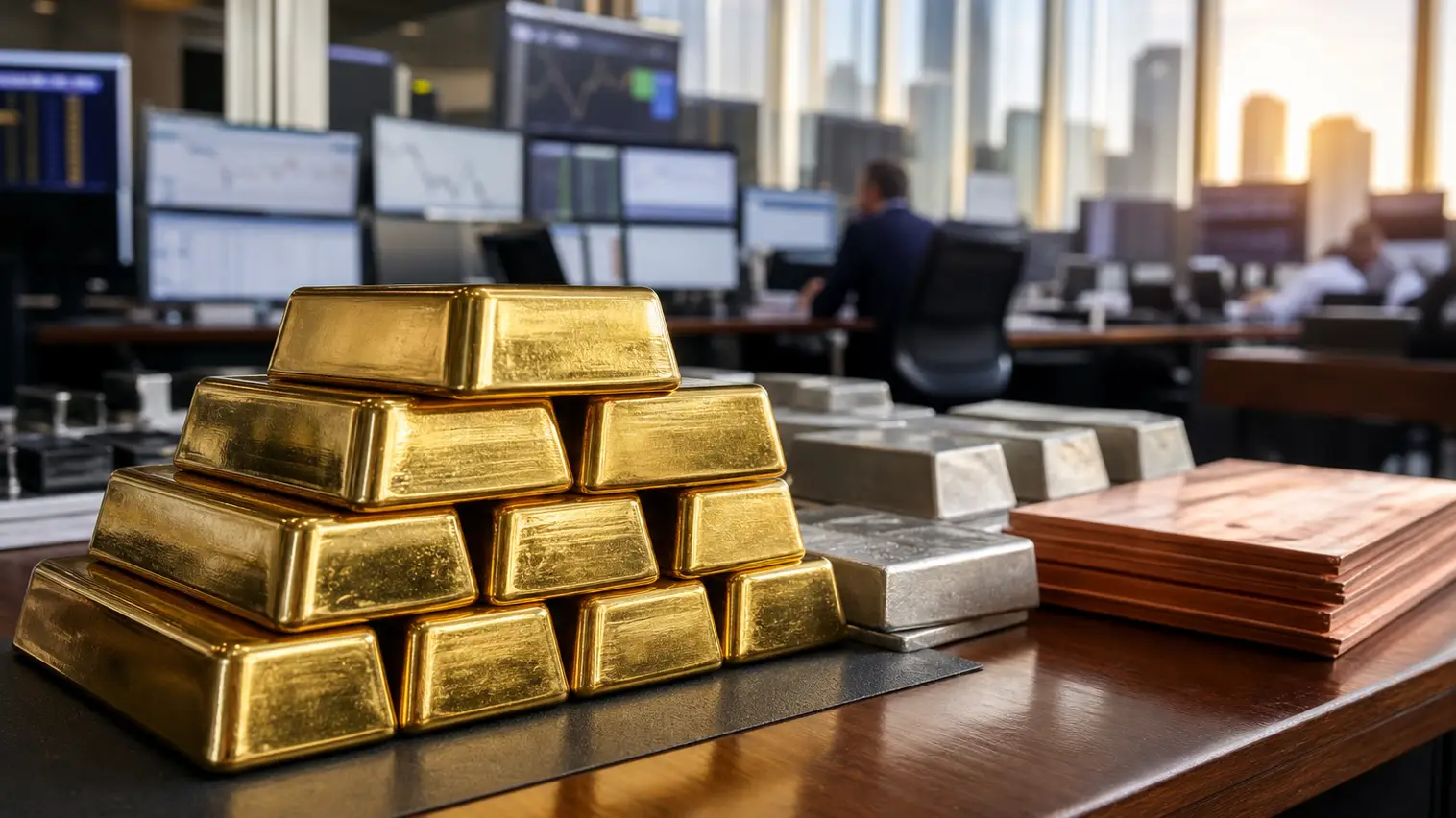
Gold extended its rebound on Tuesday as traders reassessed the metals market after a preliminary U.S.-Iran peace agreement reduced fears of an energy-driven inflation shock. The move gave bullion fresh support by easing expectations that the Federal Reserve may need to respond more aggressively to price pressures.
Spot gold rose about 0.4% to around $4,323 per ounce in early global trading, building on a sharp Monday advance that briefly lifted the metal to its highest level since June 5. U.S. gold futures were slightly lower, showing that the market remains cautious ahead of the Federal Reserve decision and the updated policy guidance expected this week.
The latest move marks a shift in the gold narrative. Earlier in June, bullion was pressured by a stronger U.S. dollar, higher Treasury yields and renewed concerns that stubborn inflation could keep policy restrictive. This week, the peace framework has lowered the immediate oil-price risk premium, helping investors look again at gold as a beneficiary of softer real-rate expectations rather than only as a crisis hedge.
A diplomatic breakthrough would normally be expected to reduce safe-haven demand for gold. The current reaction is more nuanced. Traders are focusing on the possibility that lower energy prices could ease inflation expectations, reduce pressure on bond yields and weaken the case for additional rate hikes. That combination can be supportive for non-yielding assets such as gold.
The durability of the agreement remains the key uncertainty. Investors are still waiting for details on implementation, timing and whether the truce can hold beyond the initial announcement. As a result, gold’s rebound has not yet become a broad precious-metals surge. The market is instead pricing a lower probability of the most hawkish monetary-policy outcome while keeping some geopolitical risk premium intact.
For gold traders, the next technical focus is whether prices can hold above the recent rebound zone and challenge resistance near the mid-$4,300s to $4,400 area. A sustained move above that range would suggest that rate-sensitive buying is returning. Failure to hold the latest gains would indicate that the market still sees the Federal Reserve as the dominant driver.
Silver did not fully track gold’s advance, slipping about 0.4% to roughly $69.76 per ounce. Platinum eased near $1,762, while palladium fell toward $1,332. The divergence shows that investors are separating gold’s monetary-policy sensitivity from the more mixed industrial and automotive demand signals affecting the rest of the precious-metals complex.
Silver remains caught between two forces. Lower yields and a softer dollar would normally support the metal, but its industrial exposure makes traders more sensitive to global growth expectations and manufacturing demand. After the steep volatility seen earlier this month, silver buyers appear reluctant to chase upside before the Federal Reserve provides clearer guidance.
Platinum and palladium are also trading on a different set of fundamentals. Supply concerns and autocatalyst demand can create sharp moves, but near-term sentiment has been uneven as investors weigh slower economic momentum against earlier supply-deficit expectations. That has left the platinum-group metals vulnerable to profit-taking even as gold stabilizes.
The Federal Reserve’s June 16-17 meeting is now the central event for the metals market. Chair Kevin Warsh’s first policy decision and press conference will be closely watched for any indication that officials are more comfortable with the inflation outlook after the retreat in energy-risk pricing.
If policymakers emphasize easing inflation risks and avoid signaling another rate increase, gold could extend its recovery as the dollar and Treasury yields soften. A more hawkish message would likely cap the rally by lifting the opportunity cost of holding bullion. That makes the Fed statement, projections and tone more important for gold than the headline peace announcement alone.
For now, the metals market is trading a relief rally rather than a confirmed trend reversal. Gold has regained momentum, but silver, platinum and palladium are showing that investors are not yet willing to price a broad-based precious-metals breakout. The next leg will depend on whether lower geopolitical inflation risk is reinforced by a less restrictive policy message from the Federal Reserve.
JUNE 16, 2026
Yen Stays Near 160 After BOJ Hike as Dollar Awaits Fed Signal
JUNE 15, 2026
Gold Stalls as Dollar Strength Tests Metals Before Fed Decision
JUNE 15, 2026
Dollar Pauses as Euro Traders Brace for Fed Dot Plot and BOJ Decision
JUNE 14, 2026
Platinum and Palladium Pullback Tests the PGM Deficit Trade
JUNE 14, 2026
Yen Carry Trade Faces Volatility Test as Fed and BOJ Week Opens
JUNE 13, 2026
Gold Holds Safe-Haven Bid as Silver Volatility Sets Up Fed Week Metals Test
JUNE 13, 2026
Dollar Holds Firm as Euro Rally Fades Before Fed Week
JUNE 12, 2026
Copper Leads Metals Rebound as Softer Dollar Revives Gold and Silver Demand
JUNE 12, 2026
Yen Near 160 as Dollar Finds Support Before Fed-BOJ Policy Collision
JUNE 11, 2026
Gold and Copper Slide as Hot PPI Puts Metals Market Back Under Yield Pressure
JUNE 11, 2026
Euro Stalls After ECB Hike as Hot U.S. PPI Keeps Dollar Demand Alive
JUNE 10, 2026
Dollar Eases as In-Line CPI Cools Fed Hike Premium in Forex Market
JUNE 9, 2026
Gold Stabilizes Before CPI as Rate-Hike Risk Keeps Metals Rebound in Check
JUNE 9, 2026
Dollar Slips as Euro Finds Relief and Yen Stays Under Pressure
JUNE 8, 2026
Gold Loses Haven Bid as Copper Tariff Premium Splits Metals Market
JUNE 8, 2026
Bitcoin Rebound Puts Crypto Market Back on Support Watch After Weekend Liquidations
JUNE 8, 2026
Dollar Holds High Ground as CPI Countdown Resets Forex Market Risk
JUNE 7, 2026
Tin Slump Takes Lead in Metals Market as Silver Import Curbs Tighten Physical Trade
JUNE 6, 2026
Yen Intervention Risk Takes Over Forex Market as Dollar Rally Clears 160
JUNE 6, 2026
Copper Stockpiling Keeps Metals Market on Edge as Dollar Pressure Hits the Complex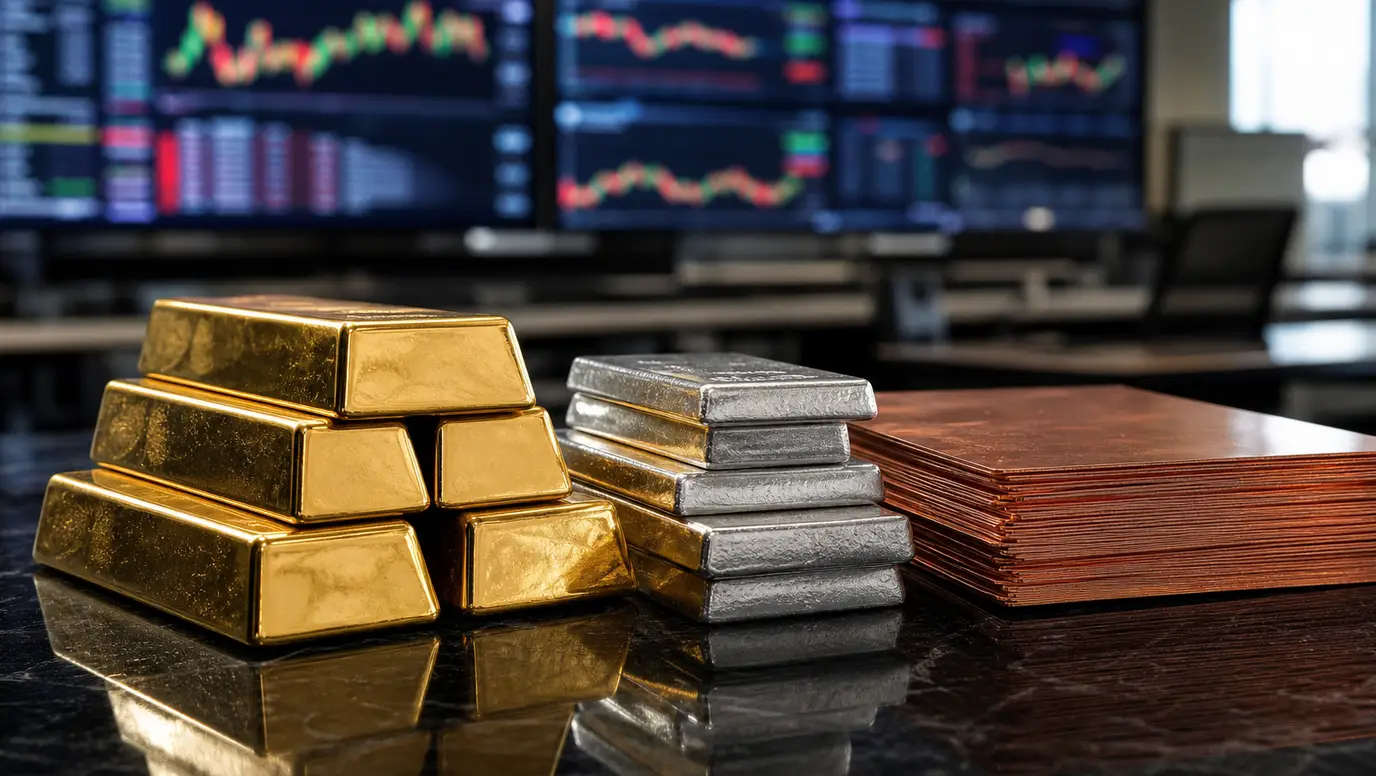
JUNE 5, 2026
Gold Leads Metals Lower as Hot Payrolls Revive Rate-Risk Trade
JUNE 5, 2026
Hot Payrolls Put Dollar Back in Charge as Forex Market Cuts Fed Easing Bets
JUNE 5, 2026
LNG Demand and Summer Power Burn Put Natural Gas Back at the Center of Energy Market Trade
JUNE 4, 2026
Dollar Safe-Haven Bid Puts Yen Intervention Risk Back in Forex Focus
JUNE 4, 2026
Zinc Breakout Moves to Center of Metals Market as Copper Rally Cools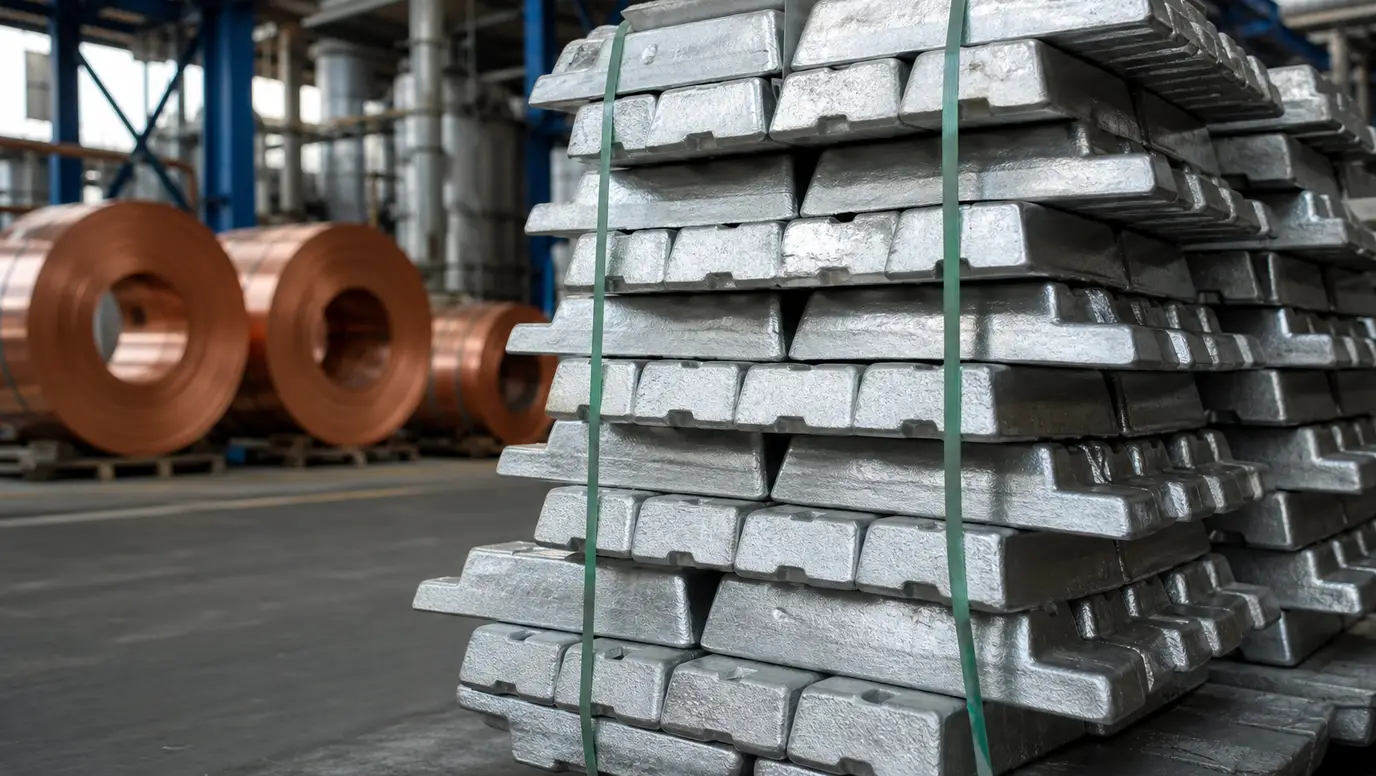
JUNE 3, 2026
Aluminum Squeeze Takes Lead in Metals Market as Low Stocks Lift Premiums
JUNE 3, 2026
Dollar Rebound Faces Services PMI Test as Forex Traders Reprice Payrolls Week
JUNE 2, 2026
Dollar Holds Its Ground After JOLTS Surprise as Euro and Yen Face Separate Tests
JUNE 2, 2026
Copper Tariff Premium Leads Metals Market as Gold Waits for Jobs Data
JUNE 1, 2026
Dollar Finds Support as Oil Risk and Payrolls Week Reset Forex Trade