
JUNE 21, 2026
Euro Bears Regroup as US Dollar Rally Shifts Focus to Fed-ECB Rate GapEUR/USD faces renewed pressure as the US dollar rally and Fed rate expectations put the Fed-ECB policy gap back in focus.

© 1box.site 2026

JUNE 21, 2026
Gold enters the new trading week under pressure after a third consecutive weekly decline shifted the metals market from momentum buying to support testing. The latest move leaves bullion vulnerable to another challenge of the $4,000 area, with traders balancing a stronger US dollar, higher-for-longer rate expectations and fading haven demand after geopolitical risk premiums cooled.
Spot gold fell sharply into the end of the week, briefly trading near the low $4,100s before stabilizing above that zone. The decline followed a Federal Reserve message that kept the possibility of tighter policy alive, reinforcing the headwind for non-yielding assets. For metals traders, the key question is no longer whether gold can retest recent highs, but whether dip buyers are willing to defend the broader bull trend while real-yield pressure remains elevated.
The dollar’s rebound has been central to the shift in precious metals sentiment. A firmer greenback makes dollar-priced bullion more expensive for overseas buyers, while rising yield expectations reduce the relative appeal of holding gold. That combination has left short-term accounts more cautious, especially after gold failed to hold early-week gains.
Technical positioning is also becoming more important. Gold’s slide below widely watched trend levels has encouraged some momentum traders to reduce exposure, while longer-term investors are watching whether the market can hold above the psychological $4,000 threshold. A decisive break below that level would likely increase volatility across precious metals, even if structural demand from central banks and portfolio hedging remains supportive over a longer horizon.
Silver remains exposed to the same macro pressure, but its industrial demand profile could make price action less straightforward. If growth expectations weaken alongside a stronger dollar, silver may struggle to separate from gold. If manufacturing and electrification demand stay resilient, the metal could find relative support even as bullion remains defensive.
Base metals are sending a more mixed message. Copper has held up better than gold in recent sessions as tight exchange inventories and resilient Chinese physical demand offset concerns about high prices and uneven factory activity. Recent data from China showed firm import volumes over the first five months of the year, while low visible stockpiles have kept buyers alert to supply squeezes.
That split matters for the broader metals market. Precious metals are being driven mainly by the dollar, Treasury yields and Fed repricing. Copper, by contrast, is trading more on supply-chain stress, Chinese demand signals and expectations for power-grid, construction and electrification consumption. The result is a market where macro funds may sell gold while industrial users continue to treat copper pullbacks as opportunities to secure supply.
Still, copper is not insulated from risk. If the dollar extends gains and global growth expectations soften, industrial metals could face renewed pressure. High prices have already made some downstream buyers more selective, and any disappointment in Chinese consumption could narrow copper’s relative strength against precious metals.
The next major catalyst for gold and copper is likely to come from US inflation data and the market’s interpretation of the Fed’s reaction function. A sticky inflation reading could push yields higher and deepen pressure on gold. A softer reading would give bullion bulls a chance to argue that the recent selloff has gone too far.
For now, the metals market is split rather than broadly bearish. Gold is facing a credibility test near major support as the dollar strengthens, while copper continues to benefit from tighter physical-market signals. That divergence may define trading in the days ahead, with investors favoring selectivity over broad commodity exposure.
JUNE 21, 2026
Euro Bears Regroup as US Dollar Rally Shifts Focus to Fed-ECB Rate Gap
JUNE 20, 2026
Gold and Silver Slide as Hawkish Fed Signal Puts Metals Back on Yield Watch
JUNE 20, 2026
Dollar Holds Breakout as Yen Weakness Puts Intervention Risk Back in Focus
JUNE 19, 2026
Copper Holds Firm as Metals Traders Reprice Dollar and Fed Rate Risk
JUNE 19, 2026
Dollar Breakout Pressures Pound and Yen as Fed and BoE Divergence Reprices FX
JUNE 17, 2026
Silver Holds Near $70 as Fed Decision Puts Industrial Metals Trade on Alert
JUNE 17, 2026
Dollar Steadies as Euro Rally Stalls Before Fed Decision
JUNE 16, 2026
Gold Extends Rebound as Iran Deal Cools Rate-Hike Fears Before Fed
JUNE 16, 2026
Yen Stays Near 160 After BOJ Hike as Dollar Awaits Fed Signal
JUNE 15, 2026
Gold Stalls as Dollar Strength Tests Metals Before Fed Decision
JUNE 15, 2026
Dollar Pauses as Euro Traders Brace for Fed Dot Plot and BOJ Decision
JUNE 14, 2026
Platinum and Palladium Pullback Tests the PGM Deficit Trade
JUNE 14, 2026
Yen Carry Trade Faces Volatility Test as Fed and BOJ Week Opens
JUNE 13, 2026
Gold Holds Safe-Haven Bid as Silver Volatility Sets Up Fed Week Metals Test
JUNE 13, 2026
Dollar Holds Firm as Euro Rally Fades Before Fed Week
JUNE 12, 2026
Copper Leads Metals Rebound as Softer Dollar Revives Gold and Silver Demand
JUNE 12, 2026
Yen Near 160 as Dollar Finds Support Before Fed-BOJ Policy Collision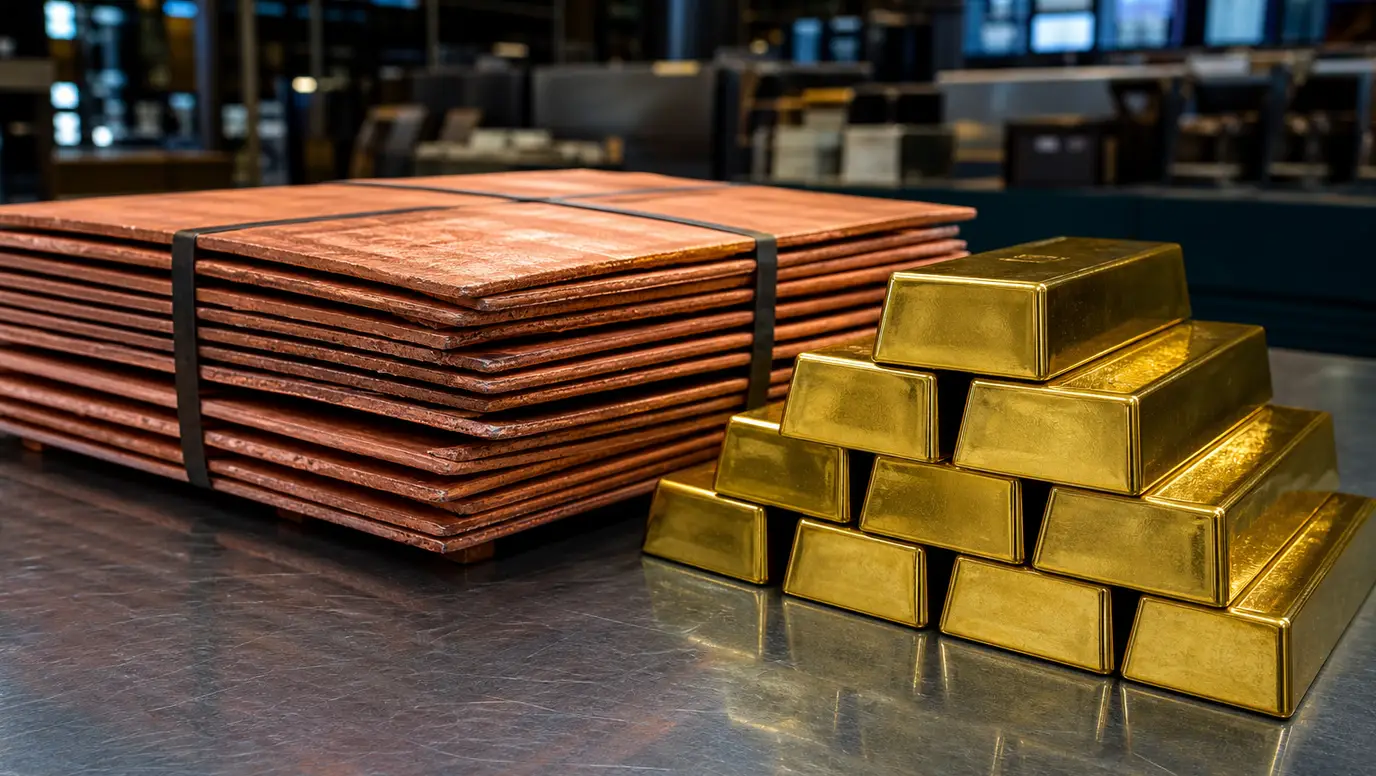
JUNE 11, 2026
Gold and Copper Slide as Hot PPI Puts Metals Market Back Under Yield Pressure
JUNE 11, 2026
Euro Stalls After ECB Hike as Hot U.S. PPI Keeps Dollar Demand Alive
JUNE 10, 2026
Dollar Eases as In-Line CPI Cools Fed Hike Premium in Forex Market
JUNE 9, 2026
Gold Stabilizes Before CPI as Rate-Hike Risk Keeps Metals Rebound in Check
JUNE 9, 2026
Dollar Slips as Euro Finds Relief and Yen Stays Under Pressure
JUNE 8, 2026
Gold Loses Haven Bid as Copper Tariff Premium Splits Metals Market
JUNE 8, 2026
Bitcoin Rebound Puts Crypto Market Back on Support Watch After Weekend Liquidations
JUNE 8, 2026
Dollar Holds High Ground as CPI Countdown Resets Forex Market Risk
JUNE 7, 2026
Tin Slump Takes Lead in Metals Market as Silver Import Curbs Tighten Physical Trade
JUNE 6, 2026
Yen Intervention Risk Takes Over Forex Market as Dollar Rally Clears 160
JUNE 6, 2026
Copper Stockpiling Keeps Metals Market on Edge as Dollar Pressure Hits the Complex
JUNE 5, 2026
Gold Leads Metals Lower as Hot Payrolls Revive Rate-Risk Trade
JUNE 5, 2026
Hot Payrolls Put Dollar Back in Charge as Forex Market Cuts Fed Easing Bets