
JUNE 20, 2026
Dollar Holds Breakout as Yen Weakness Puts Intervention Risk Back in FocusThe dollar holds firm after a hawkish Fed shift, pressuring the yen and euro as forex traders watch yields, intervention risk and data.

© 1box.site 2026

JUNE 20, 2026
Gold and silver ended the week under renewed pressure as metals traders shifted their focus from geopolitical risk back to the Federal Reserve, the US dollar and Treasury yields. The move marked a sharp change in tone for a market that had recently benefited from haven demand, inflation anxiety and persistent interest in hard assets.
Spot gold was trading around the low $4,000s per ounce late in the week, while silver retreated from the upper-$60s area after briefly holding near the psychologically important $70 level earlier in June. Platinum and palladium also softened, showing that the latest selloff was not limited to the most liquid precious metals contracts.
The immediate driver was the Fed’s latest policy message. Although policymakers left rates unchanged, projections and commentary kept the possibility of tighter policy alive for later in 2026. That pushed investors to reassess the opportunity cost of holding non-yielding metals, especially after a strong run earlier in the year.
The metals market is now trading less like a pure geopolitical hedge and more like a rates-sensitive macro asset class. A stronger US dollar makes dollar-denominated commodities more expensive for overseas buyers, while higher real-yield expectations reduce the relative appeal of gold and silver compared with cash and short-duration bonds.
That shift matters because gold’s early-2026 rally was supported by several overlapping forces: central-bank reserve diversification, persistent inflation worries, political risk and retail demand for physical bullion. Those supports have not disappeared, but the latest price action shows that they can be overwhelmed in the short term when the Fed leans hawkish and the dollar firms.
Silver remains more volatile because it sits between the precious and industrial metals camps. Its recent pullback below the $70 area has forced traders to question whether investment demand can continue absorbing bouts of profit-taking. At the same time, the metal still has support from long-term demand tied to electrification, solar manufacturing and high-conductivity industrial uses.
For gold, the key technical question is whether buyers defend the lower-$4,000 area or allow a deeper correction toward levels last seen before the latest haven-driven surge. A sustained break lower would likely trigger more systematic selling, while a quick recovery could suggest that long-term allocators are still using pullbacks to build exposure.
Base metals are dealing with a more mixed setup. Copper, aluminum, zinc and nickel remain exposed to the same dollar and rate pressures hitting precious metals, but their demand profile is more closely tied to China, manufacturing activity, grid investment and the global energy transition. That has kept parts of the industrial metals complex better supported than a simple macro reading would suggest.
Copper is still the central barometer for industrial sentiment. Traders continue to balance firm long-term demand expectations against near-term concerns over inventories, tariff risk and uneven factory data. The result is a choppy market in which dips can attract strategic buyers, but breakouts require clearer evidence that physical demand is tightening.
Aluminum and zinc are also being watched for signs of whether construction, transport and power-infrastructure demand can offset broader macro caution. Nickel remains more fragile, with supply growth and battery-sector uncertainty keeping rallies vulnerable to reversals.
Platinum and palladium occupy a separate lane within the metals market. Their exposure to auto-catalyst demand, mine supply from southern Africa and substitution trends means they can diverge from gold and silver over longer periods. This week, however, the broader liquidation in precious metals pulled both lower, suggesting macro positioning dominated metal-specific fundamentals.
The next phase for metals will likely depend on three signals: whether Treasury yields extend their post-Fed climb, whether the dollar holds its breakout momentum, and whether inflation data keeps rate-hike risk alive. If yields stabilize, gold and silver could regain support from physical buying and portfolio hedging. If yields keep rising, rallies may be sold more aggressively.
Energy prices also remain important. Lower oil prices can reduce inflation fear and weaken the case for defensive metals buying, but a fresh energy shock would quickly revive demand for inflation hedges. That leaves metals caught between relief from lower commodity-driven inflation and the loss of a near-term haven catalyst.
For now, the metals market heads into the weekend with a defensive tone. Gold and silver remain elevated by historical standards, but the latest pullback shows that price momentum is no longer one-way. The market’s message is clear: without a weaker dollar or a softer Fed path, precious metals may need stronger physical demand to rebuild upside momentum.
JUNE 20, 2026
Dollar Holds Breakout as Yen Weakness Puts Intervention Risk Back in Focus
JUNE 19, 2026
Copper Holds Firm as Metals Traders Reprice Dollar and Fed Rate Risk
JUNE 19, 2026
Dollar Breakout Pressures Pound and Yen as Fed and BoE Divergence Reprices FX
JUNE 17, 2026
Silver Holds Near $70 as Fed Decision Puts Industrial Metals Trade on Alert
JUNE 17, 2026
Dollar Steadies as Euro Rally Stalls Before Fed Decision
JUNE 16, 2026
Gold Extends Rebound as Iran Deal Cools Rate-Hike Fears Before Fed
JUNE 16, 2026
Yen Stays Near 160 After BOJ Hike as Dollar Awaits Fed Signal
JUNE 15, 2026
Gold Stalls as Dollar Strength Tests Metals Before Fed Decision
JUNE 15, 2026
Dollar Pauses as Euro Traders Brace for Fed Dot Plot and BOJ Decision
JUNE 14, 2026
Platinum and Palladium Pullback Tests the PGM Deficit Trade
JUNE 14, 2026
Yen Carry Trade Faces Volatility Test as Fed and BOJ Week Opens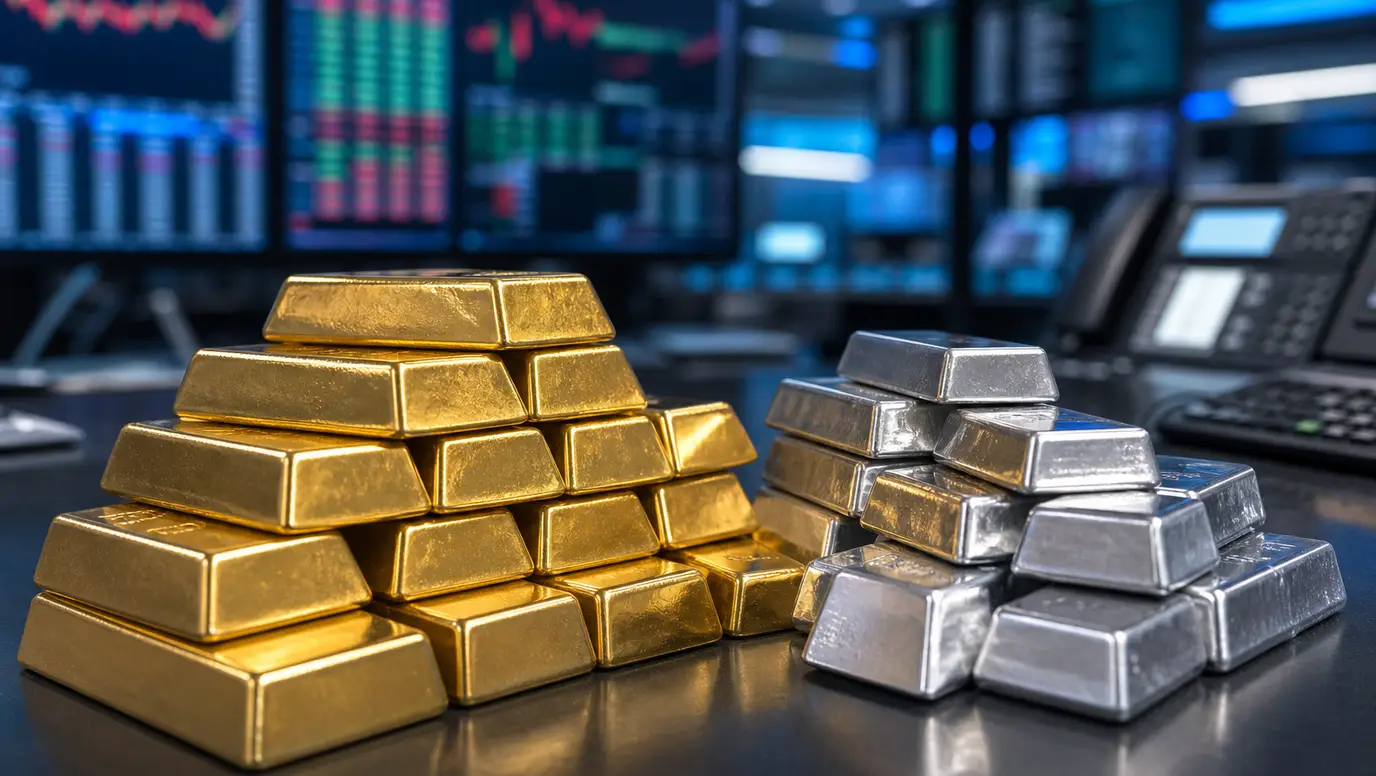
JUNE 13, 2026
Gold Holds Safe-Haven Bid as Silver Volatility Sets Up Fed Week Metals Test
JUNE 13, 2026
Dollar Holds Firm as Euro Rally Fades Before Fed Week
JUNE 12, 2026
Copper Leads Metals Rebound as Softer Dollar Revives Gold and Silver Demand
JUNE 12, 2026
Yen Near 160 as Dollar Finds Support Before Fed-BOJ Policy Collision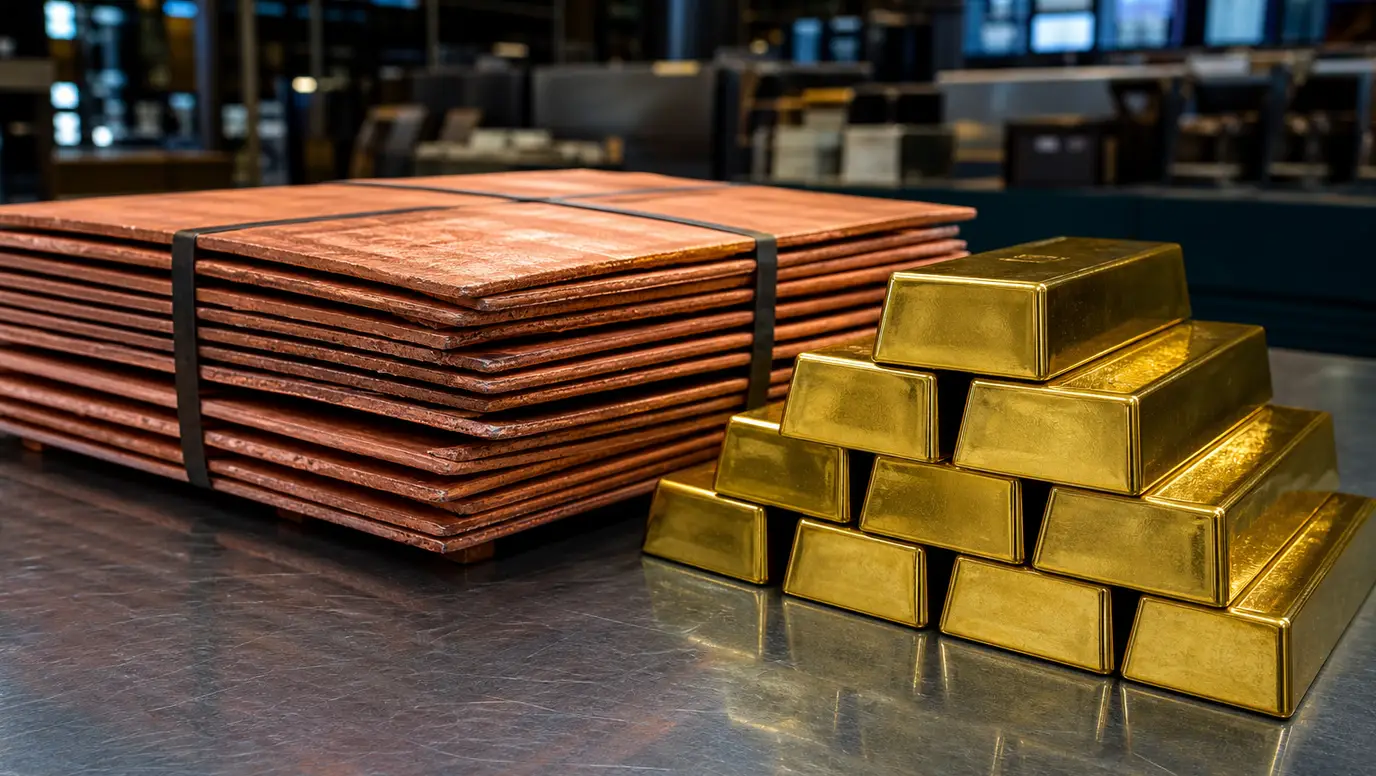
JUNE 11, 2026
Gold and Copper Slide as Hot PPI Puts Metals Market Back Under Yield Pressure
JUNE 11, 2026
Euro Stalls After ECB Hike as Hot U.S. PPI Keeps Dollar Demand Alive
JUNE 10, 2026
Dollar Eases as In-Line CPI Cools Fed Hike Premium in Forex Market
JUNE 9, 2026
Gold Stabilizes Before CPI as Rate-Hike Risk Keeps Metals Rebound in Check
JUNE 9, 2026
Dollar Slips as Euro Finds Relief and Yen Stays Under Pressure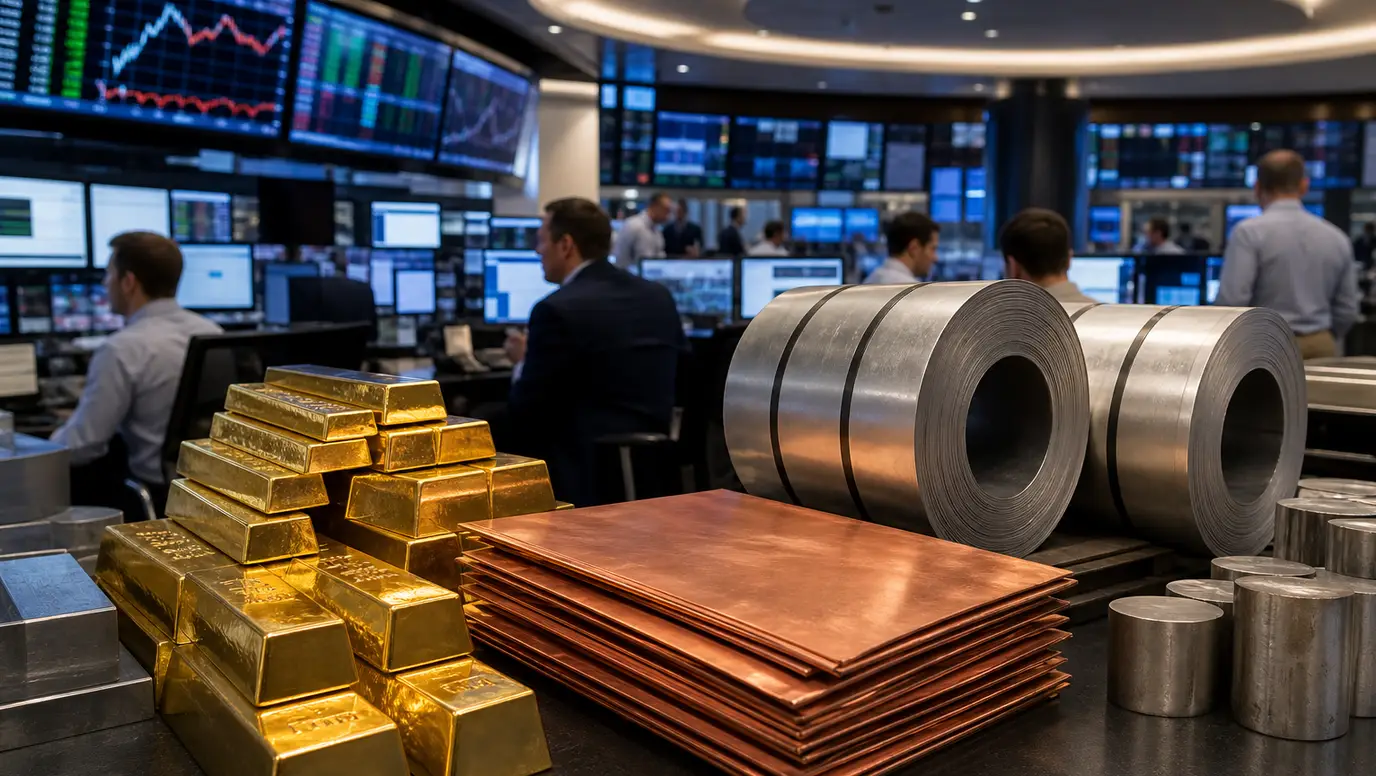
JUNE 8, 2026
Gold Loses Haven Bid as Copper Tariff Premium Splits Metals Market
JUNE 8, 2026
Bitcoin Rebound Puts Crypto Market Back on Support Watch After Weekend Liquidations
JUNE 8, 2026
Dollar Holds High Ground as CPI Countdown Resets Forex Market Risk
JUNE 7, 2026
Tin Slump Takes Lead in Metals Market as Silver Import Curbs Tighten Physical Trade
JUNE 6, 2026
Yen Intervention Risk Takes Over Forex Market as Dollar Rally Clears 160
JUNE 6, 2026
Copper Stockpiling Keeps Metals Market on Edge as Dollar Pressure Hits the Complex
JUNE 5, 2026
Gold Leads Metals Lower as Hot Payrolls Revive Rate-Risk Trade
JUNE 5, 2026
Hot Payrolls Put Dollar Back in Charge as Forex Market Cuts Fed Easing Bets
JUNE 5, 2026
LNG Demand and Summer Power Burn Put Natural Gas Back at the Center of Energy Market Trade
JUNE 4, 2026
Dollar Safe-Haven Bid Puts Yen Intervention Risk Back in Forex Focus