
JUNE 19, 2026
Dollar Breakout Pressures Pound and Yen as Fed and BoE Divergence Reprices FXThe dollar extends a post-Fed advance as the pound slips after the BoE hold and USD/JPY returns to intervention-sensitive levels.

© 1box.site 2026

JUNE 19, 2026
Copper held a firmer tone in metals trading as investors weighed resilient industrial demand against a renewed rise in the US dollar and Treasury yields after the Federal Reserve’s latest policy signal. The move left base metals better supported than parts of the precious metals complex, where gold and silver continued to absorb pressure from higher real-rate expectations.
The broader metals market is now trading less on a simple safe-haven narrative and more on the balance between monetary policy, currency strength and physical demand. That shift is important for copper because the metal remains closely tied to expectations for power grids, construction, electric vehicles and data-center expansion, even as tighter financial conditions can slow speculative buying.
Copper’s resilience reflects a market still focused on structural demand themes and supply discipline. Traders continue to monitor exchange inventories, smelter economics and mine supply risks, all of which can sharpen price moves when macro conditions change quickly. While a stronger dollar typically makes dollar-priced metals more expensive for non-US buyers, copper has avoided the deeper weakness seen in more rate-sensitive precious metals.
Aluminum, zinc and nickel also remain tied to the same macro crosscurrents, but copper is drawing the clearest attention because of its role in electrification and infrastructure spending. Any evidence of stronger manufacturing activity or renewed grid investment could reinforce the demand case, while a sustained rise in yields would make it harder for the rally to extend without confirmation from physical buyers.
Precious metals faced a more difficult setup after policymakers held rates steady but left investors debating whether inflation risks could require a tighter path later in 2026. Gold, which had benefited earlier from safe-haven demand and central-bank buying expectations, struggled as the dollar firmed. Silver remained volatile because it carries both precious-metal and industrial-demand characteristics.
The result is a more selective metals market. Gold buyers are still watching geopolitical risk, reserve diversification and inflation hedging, but near-term positioning is being dictated by yields and the dollar. Silver traders, meanwhile, are balancing investment flows with demand from solar, electronics and broader industrial use.
The next phase for metals is likely to depend on whether incoming US data validates the Fed’s caution or revives expectations for easier policy. Softer inflation readings would likely reduce pressure from yields and could help gold and silver stabilize. Stronger data, however, would keep the dollar supported and may leave precious metals vulnerable to further position trimming.
For copper, the key test is whether industrial demand can remain strong enough to offset macro headwinds. A continued drawdown in visible inventories or signs of tighter refined supply would strengthen the bullish case. Without that confirmation, traders may treat rallies as tactical rather than the start of a broad-based metals breakout.
Overall, the metals market is entering a more differentiated phase. Copper is holding attention as the leading industrial signal, while gold and silver are being forced to reprice a less friendly interest-rate backdrop. That divide could define metals trading into the next round of inflation, employment and manufacturing data.
JUNE 19, 2026
Dollar Breakout Pressures Pound and Yen as Fed and BoE Divergence Reprices FX
JUNE 17, 2026
Silver Holds Near $70 as Fed Decision Puts Industrial Metals Trade on Alert
JUNE 17, 2026
Dollar Steadies as Euro Rally Stalls Before Fed Decision
JUNE 16, 2026
Gold Extends Rebound as Iran Deal Cools Rate-Hike Fears Before Fed
JUNE 16, 2026
Yen Stays Near 160 After BOJ Hike as Dollar Awaits Fed Signal
JUNE 15, 2026
Gold Stalls as Dollar Strength Tests Metals Before Fed Decision
JUNE 15, 2026
Dollar Pauses as Euro Traders Brace for Fed Dot Plot and BOJ Decision
JUNE 14, 2026
Platinum and Palladium Pullback Tests the PGM Deficit Trade
JUNE 14, 2026
Yen Carry Trade Faces Volatility Test as Fed and BOJ Week Opens
JUNE 13, 2026
Gold Holds Safe-Haven Bid as Silver Volatility Sets Up Fed Week Metals Test
JUNE 13, 2026
Dollar Holds Firm as Euro Rally Fades Before Fed Week
JUNE 12, 2026
Copper Leads Metals Rebound as Softer Dollar Revives Gold and Silver Demand
JUNE 12, 2026
Yen Near 160 as Dollar Finds Support Before Fed-BOJ Policy Collision
JUNE 11, 2026
Gold and Copper Slide as Hot PPI Puts Metals Market Back Under Yield Pressure
JUNE 11, 2026
Euro Stalls After ECB Hike as Hot U.S. PPI Keeps Dollar Demand Alive
JUNE 10, 2026
Dollar Eases as In-Line CPI Cools Fed Hike Premium in Forex Market
JUNE 9, 2026
Gold Stabilizes Before CPI as Rate-Hike Risk Keeps Metals Rebound in Check
JUNE 9, 2026
Dollar Slips as Euro Finds Relief and Yen Stays Under Pressure
JUNE 8, 2026
Gold Loses Haven Bid as Copper Tariff Premium Splits Metals Market
JUNE 8, 2026
Bitcoin Rebound Puts Crypto Market Back on Support Watch After Weekend Liquidations
JUNE 8, 2026
Dollar Holds High Ground as CPI Countdown Resets Forex Market Risk
JUNE 7, 2026
Tin Slump Takes Lead in Metals Market as Silver Import Curbs Tighten Physical Trade
JUNE 6, 2026
Yen Intervention Risk Takes Over Forex Market as Dollar Rally Clears 160
JUNE 6, 2026
Copper Stockpiling Keeps Metals Market on Edge as Dollar Pressure Hits the Complex
JUNE 5, 2026
Gold Leads Metals Lower as Hot Payrolls Revive Rate-Risk Trade
JUNE 5, 2026
Hot Payrolls Put Dollar Back in Charge as Forex Market Cuts Fed Easing Bets
JUNE 5, 2026
LNG Demand and Summer Power Burn Put Natural Gas Back at the Center of Energy Market Trade
JUNE 4, 2026
Dollar Safe-Haven Bid Puts Yen Intervention Risk Back in Forex Focus
JUNE 4, 2026
Zinc Breakout Moves to Center of Metals Market as Copper Rally Cools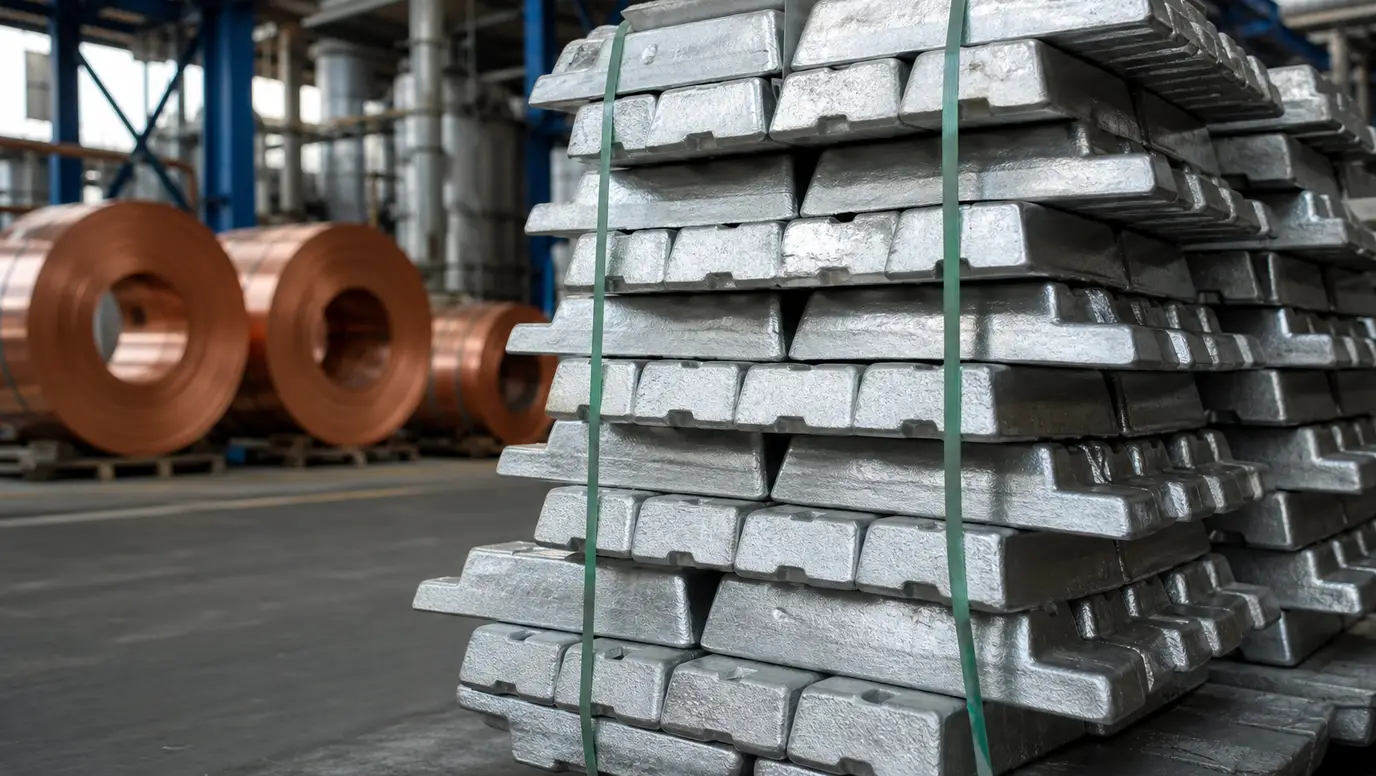
JUNE 3, 2026
Aluminum Squeeze Takes Lead in Metals Market as Low Stocks Lift Premiums