
JUNE 23, 2026
Dollar Firms as Pound Whipsaws and Euro Slips on Fed Rate PremiumDollar strength pressures EUR/USD while sterling swings on UK politics and traders reassess Fed rate risk after easing geopolitical stress.

© 1box.site 2026
JUNE 23, 2026
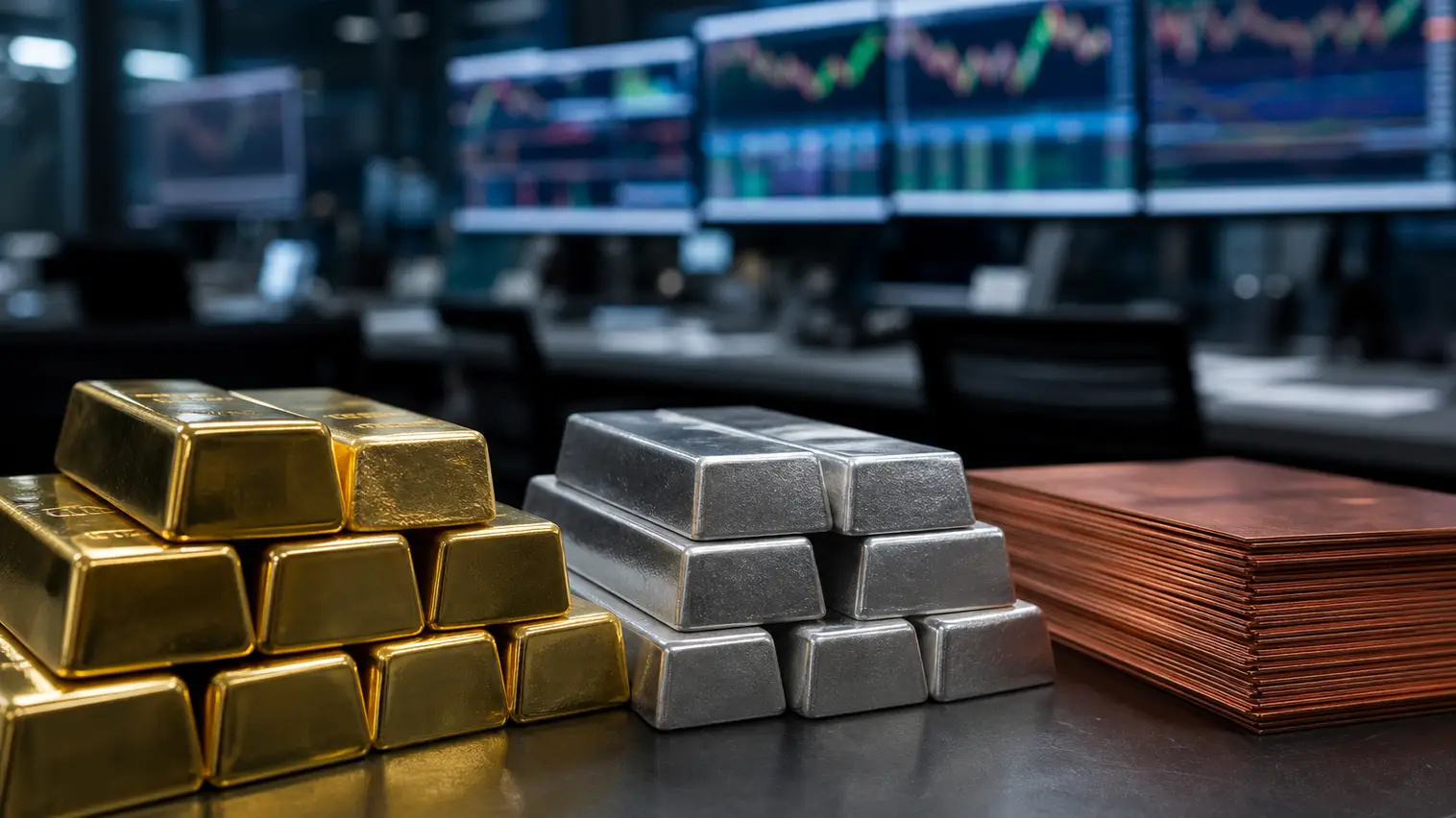
The metals market turned broadly defensive on Tuesday, June 23, as a stronger U.S. dollar and rising expectations for another Federal Reserve rate increase pressured both precious and industrial contracts. Spot gold slipped around 1.5% to about $4,126 an ounce in early U.S. trading, while U.S. gold futures hovered just above $4,140. Silver suffered a steeper retreat, dropping more than 4% toward the low $62 area, underlining how quickly leveraged momentum has thinned across the precious metals complex.
Copper also joined the move lower rather than acting as a cyclical offset. Benchmark three-month copper traded around $13,500 to $13,600 a metric ton on the London market, while U.S. copper futures slid toward $6.20 a pound. The reversal suggests investors are no longer separating long-term electrification demand from short-term macro risk when the dollar and rate outlook are moving against commodities.
Last week’s Federal Reserve decision left rates unchanged at 3.50% to 3.75%, but updated projections put at least one 2026 hike back into the policy discussion. For gold and silver, the key issue is opportunity cost: higher short-term rates and firmer real yields reduce the relative appeal of assets that do not pay income. The U.S. Dollar Index holding near a 13-month high added a second headwind by making dollar-priced metals more expensive for overseas buyers.
Geopolitics has not disappeared from the trade, but it is being repriced. Progress in U.S.-Iran negotiations helped pull some war premium out of oil and safe-haven assets, shifting the metals focus back to inflation data and central-bank reaction functions. Traders are now watching Thursday’s Personal Consumption Expenditures report for confirmation on whether sticky inflation can justify tighter policy into year-end.
Industrial metals were hit by the same rate concern, because higher borrowing costs can slow construction, manufacturing and inventory financing. In Shanghai, the most-active copper contract eased to roughly 104,060 yuan a ton, while aluminum, zinc, nickel and lead also traded lower in global dealings. The synchronized weakness points to a macro-led session rather than a metal-specific shock.
Supply signals were mixed. Chinese refined copper output rose year over year in May, helped by stronger smelter economics, while global primary aluminum production also increased. At the same time, traders continued to monitor Gulf-related shipping and production disruptions, leaving the aluminum balance vulnerable even as China’s exports of certain aluminum products rose sharply.
The immediate test for metals is whether gold can stabilize above the $4,100 area and whether silver can defend the $60 to $62 support band after its outsized decline. Copper’s signal is equally important: a hold near $13,500 on the London market would keep the structural demand story intact, but a deeper break would warn that macro tightening is overwhelming the electrification narrative in the near term.
Until the PCE data lands, rallies may face selling into strength. A softer inflation reading could revive the argument that the Fed is overpricing inflation risk, giving gold and silver room to recover. A firm reading would likely keep the dollar supported and leave the metals market vulnerable to another round of position-cutting.
JUNE 23, 2026
Dollar Firms as Pound Whipsaws and Euro Slips on Fed Rate Premium
JUNE 22, 2026
Copper Leads Metals Watch as Gold Waits for Dollar and Yield Break
JUNE 22, 2026
Yen Carry Trade Stays Hot as Dollar Bulls Test Tokyo’s Limits
JUNE 22, 2026
Oil Risk Premium Fades as Brent and WTI Slide on Fresh U.S.-Iran Talks
JUNE 21, 2026
Gold Tests $4,000 Risk as Copper Demand Keeps Metals Market Split
JUNE 21, 2026
Euro Bears Regroup as US Dollar Rally Shifts Focus to Fed-ECB Rate Gap
JUNE 20, 2026
Gold and Silver Slide as Hawkish Fed Signal Puts Metals Back on Yield Watch
JUNE 20, 2026
Dollar Holds Breakout as Yen Weakness Puts Intervention Risk Back in Focus
JUNE 19, 2026
Copper Holds Firm as Metals Traders Reprice Dollar and Fed Rate Risk
JUNE 19, 2026
Dollar Breakout Pressures Pound and Yen as Fed and BoE Divergence Reprices FX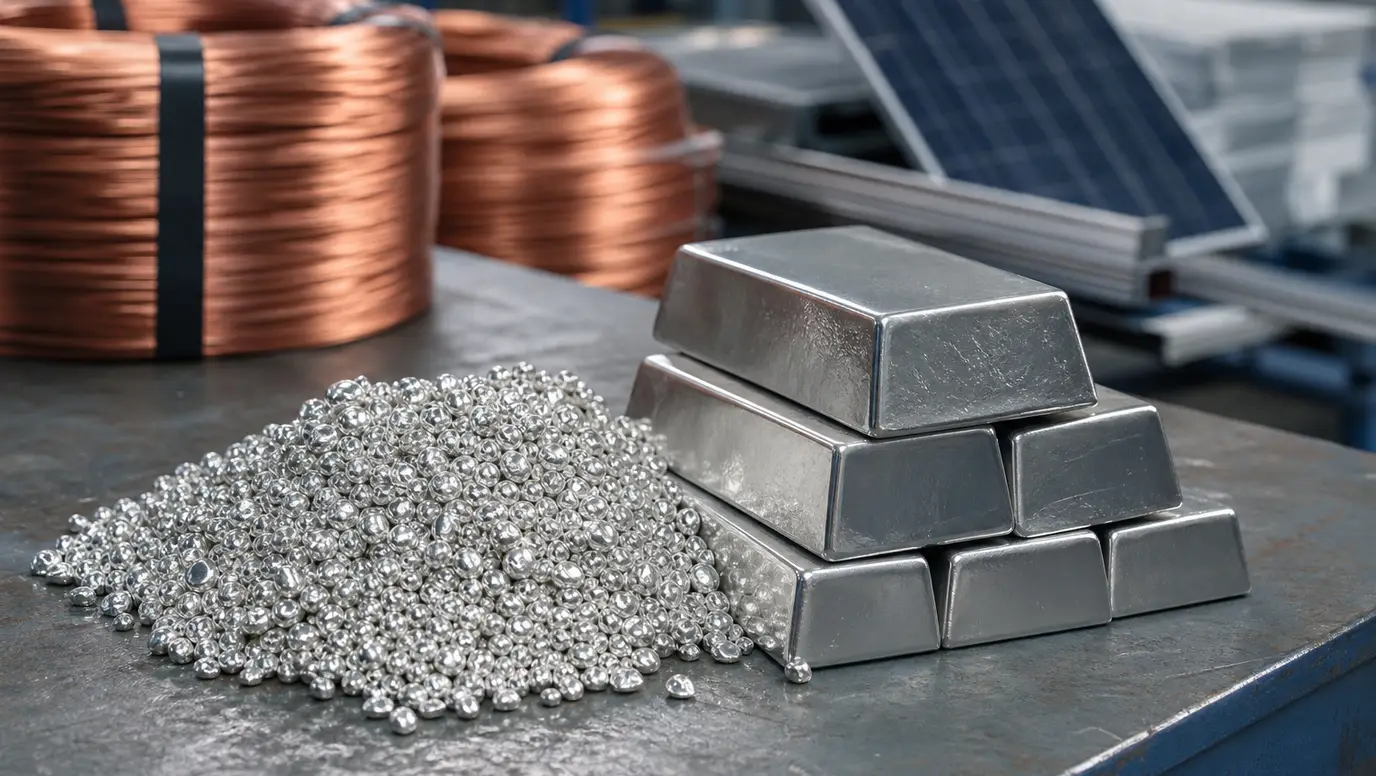
JUNE 17, 2026
Silver Holds Near $70 as Fed Decision Puts Industrial Metals Trade on Alert
JUNE 17, 2026
Dollar Steadies as Euro Rally Stalls Before Fed Decision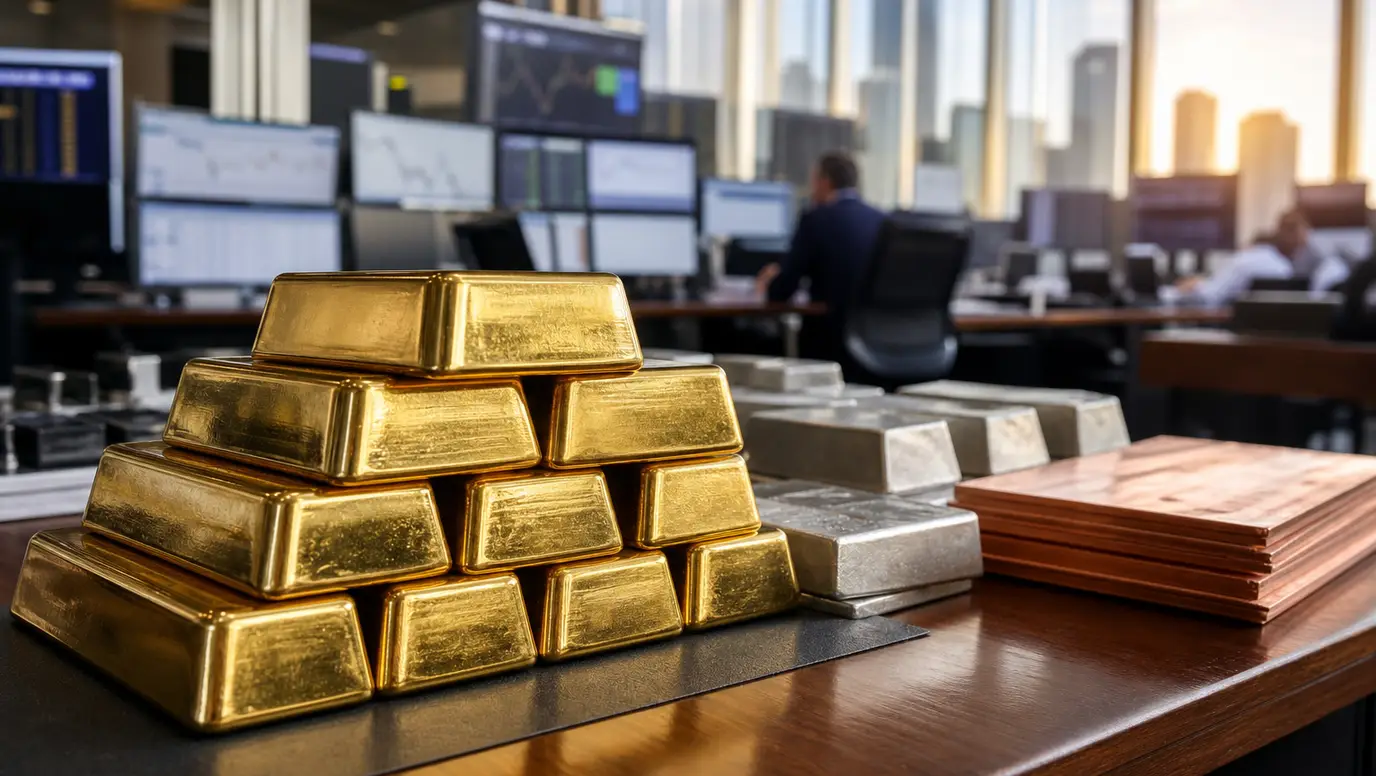
JUNE 16, 2026
Gold Extends Rebound as Iran Deal Cools Rate-Hike Fears Before Fed
JUNE 16, 2026
Yen Stays Near 160 After BOJ Hike as Dollar Awaits Fed Signal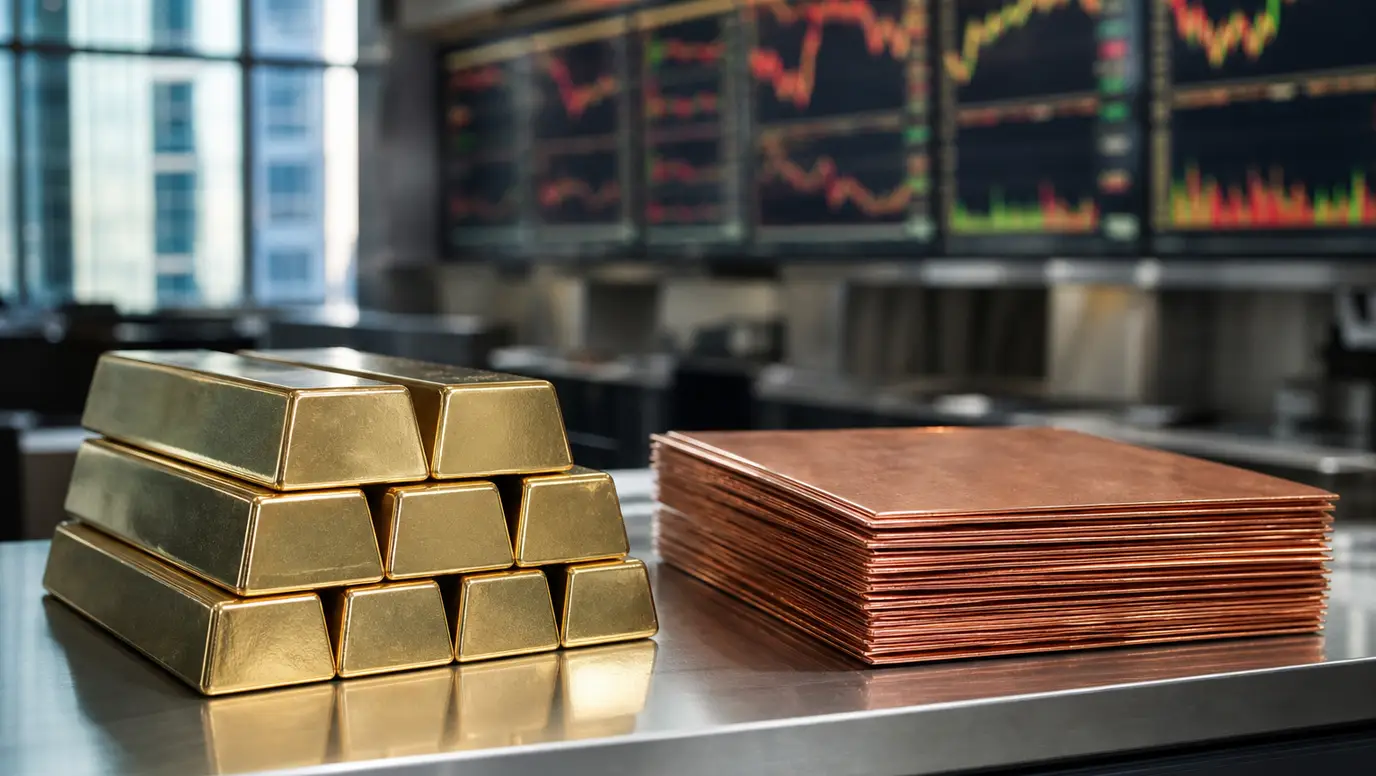
JUNE 15, 2026
Gold Stalls as Dollar Strength Tests Metals Before Fed Decision
JUNE 15, 2026
Dollar Pauses as Euro Traders Brace for Fed Dot Plot and BOJ Decision
JUNE 14, 2026
Platinum and Palladium Pullback Tests the PGM Deficit Trade
JUNE 14, 2026
Yen Carry Trade Faces Volatility Test as Fed and BOJ Week Opens
JUNE 13, 2026
Gold Holds Safe-Haven Bid as Silver Volatility Sets Up Fed Week Metals Test
JUNE 13, 2026
Dollar Holds Firm as Euro Rally Fades Before Fed Week
JUNE 12, 2026
Copper Leads Metals Rebound as Softer Dollar Revives Gold and Silver Demand
JUNE 12, 2026
Yen Near 160 as Dollar Finds Support Before Fed-BOJ Policy Collision
JUNE 11, 2026
Gold and Copper Slide as Hot PPI Puts Metals Market Back Under Yield Pressure
JUNE 11, 2026
Euro Stalls After ECB Hike as Hot U.S. PPI Keeps Dollar Demand Alive
JUNE 10, 2026
Dollar Eases as In-Line CPI Cools Fed Hike Premium in Forex Market
JUNE 9, 2026
Gold Stabilizes Before CPI as Rate-Hike Risk Keeps Metals Rebound in Check
JUNE 9, 2026
Dollar Slips as Euro Finds Relief and Yen Stays Under Pressure
JUNE 8, 2026
Gold Loses Haven Bid as Copper Tariff Premium Splits Metals Market
JUNE 8, 2026
Bitcoin Rebound Puts Crypto Market Back on Support Watch After Weekend Liquidations
JUNE 8, 2026
Dollar Holds High Ground as CPI Countdown Resets Forex Market Risk