
JUNE 1, 2026
Nvidia AI PC Push Lifts Hardware Stocks as Intel Feels New PressureNvidia’s AI PC chip push moved chip and hardware stocks Monday, lifting partners while pressuring Intel and AMD.

© 1box.site 2026

JUNE 1, 2026
U.S. equity benchmarks opened June with a resilience test rather than a broad retreat, as a renewed jump in crude prices failed to pull the major indices far from record territory. The S&P 500 was little changed in Monday trading, the Nasdaq complex held firmer on continued technology demand, and the Dow Jones Industrial Average lagged as economically sensitive and fuel-exposed shares came under pressure.
The tone was notable because the move in oil would normally raise concerns about inflation, margins and consumer spending. Airlines, cruise operators and other transport-linked groups were among the early weak spots, while large-cap growth shares helped keep the index market from turning the energy shock into a wider risk-off session.
Exchange-traded funds tracking the main benchmarks reflected the split. The S&P 500 tracker hovered close to unchanged, the Nasdaq 100 tracker was modestly higher, and the Dow tracker traded lower, underscoring how leadership remains concentrated in growth and technology even as the broader tape absorbs higher input-cost risk.
The latest advance in crude prices has put inflation sensitivity back into the center of index trading. Higher energy costs can complicate the path for Treasury yields, delay expectations for easier monetary policy and pressure companies with direct fuel exposure. For now, however, investors appear to be treating the move as a rotation risk inside the market rather than a reason to abandon equities altogether.
That distinction matters for the S&P 500 and Nasdaq 100. If oil strength stays isolated to energy and transport pricing, index bulls may continue to lean on earnings momentum, AI infrastructure spending and strong balance sheets in mega-cap technology. If the oil move begins to push yields decisively higher, the same high-valuation growth stocks that have carried the rally could face a tougher discount-rate test.
The Dow’s underperformance also shows that the rally is not equally distributed. Industrial, travel and consumer-linked names are more exposed to the growth-and-cost squeeze created by expensive energy. In contrast, the Nasdaq remains supported by investors seeking exposure to companies tied to cloud computing, advanced semiconductors and AI hardware demand.
The index market is also entering a dense U.S. data calendar. Manufacturing figures open the week, followed by labor-market indicators and the Federal Reserve’s regional economic update, before the main payrolls report at the end of the week. With indices already near highs, traders have less tolerance for data that points to both sticky inflation and weaker hiring.
A soft but orderly employment report could support the view that the economy is cooling without breaking, which would be constructive for equities if Treasury yields remain contained. A hotter wage or hiring number could revive concern that the Federal Reserve will keep policy restrictive for longer. A sharp downside surprise, meanwhile, would challenge the market’s confidence in earnings growth beyond the AI-led leaders.
For the S&P 500, the near-term technical question is whether buyers can keep defending recent breakout levels while energy prices and yields move in the same direction. For the Nasdaq 100, the test is narrower but more important: whether the AI trade can keep offsetting pressure elsewhere in the index. A rally led by fewer stocks can still make new highs, but it becomes more vulnerable to disappointment from a small group of market leaders.
Monday’s early action points to a market that is cautious but not yet fragile. The absence of a broader selloff suggests that investors are still willing to buy dips in index exposure, particularly where earnings visibility is strongest. Yet the divergence between the Nasdaq, the S&P 500 and the Dow also shows that breadth remains a key risk for June.
If more sectors begin to participate, the record-setting advance could broaden beyond technology and become more durable. If leadership stays concentrated while oil and yields rise, the index market may remain vulnerable to quick pullbacks around macro data and earnings headlines.
For now, the message from Wall Street is one of controlled stress. The oil shock has changed the sector map, but it has not yet broken the index uptrend. The next confirmation will come from yields, payrolls and whether buyers continue to reward the growth stocks that have carried the market into June.
JUNE 1, 2026
Nvidia AI PC Push Lifts Hardware Stocks as Intel Feels New Pressure
JUNE 1, 2026
Dollar Finds Support as Oil Risk and Payrolls Week Reset Forex Trade
JUNE 1, 2026
Gold Slips as Platinum, Silver and Copper Keep Metals Trade Split
MAY 31, 2026
Nasdaq 100 Above 30,000 Puts Index Rally on Payrolls Watch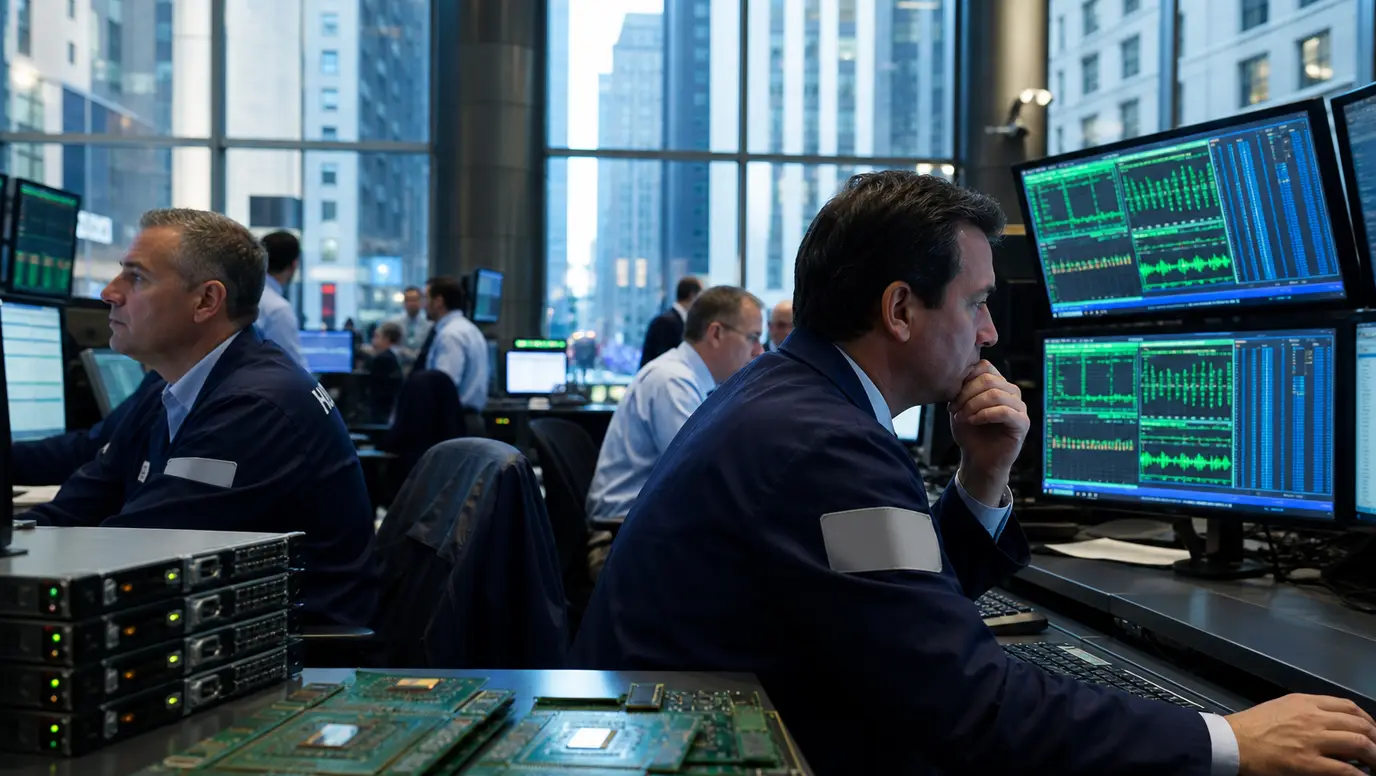
MAY 31, 2026
Broadcom and CrowdStrike Earnings Put AI Stock Rally on June Watch
MAY 31, 2026
EUR/USD Faces June Data Test as Dollar Traders Shift From PCE to Payrolls
MAY 31, 2026
Copper Premium Keeps Metals Market Active as Gold Turns to June Jobs Data
MAY 30, 2026
Micron’s Trillion-Dollar Run Shifts AI Stock Rally Toward Memory Chips
MAY 30, 2026
S&P 500 Nine-Week Streak Puts Index Breadth on Trial for June
MAY 30, 2026
Yen Intervention Tally Puts Dollar Bulls on Notice as Forex Market Enters June
MAY 30, 2026
Silver Holds the Spotlight as Month-End Metals Trade Splits After Inflation Data
MAY 29, 2026
Dell Surge Puts AI Server Demand Back at Center of Stock-Market Trade
MAY 29, 2026
U.S. Index Rally Enters Friday at Records as Traders Look Past Hot PCE
MAY 29, 2026
Gold Rebounds as Softer Yields Lift Metals, While Copper Holds Monthly Advance
MAY 29, 2026
Dollar Softens as Cooler Core PCE and Easing Haven Demand Shift Forex Focus to Euro and Yen
MAY 28, 2026
S&P 500 Stalls Near Record as GDP Cut and Sticky PCE Test Index Bulls
MAY 28, 2026
Salesforce Guidance Puts AI Software Stocks on Trial as Costco Earnings Loom
MAY 28, 2026
Gold Tests Two-Month Low as PCE Countdown Keeps Metals on Defensive
MAY 28, 2026
Dollar Rally Faces PCE Test as Yen Intervention Risk Returns to FX Desks
MAY 27, 2026
AI Stock Rotation Tests Wall Street as Traders Reprice Growth Risk
MAY 27, 2026
S&P 500 Holds Near Record as Lower Oil Prices Shift Index Leadership
MAY 27, 2026
Dollar Breakout Bets Build as Fed Inflation Focus Pressures Yen and Euro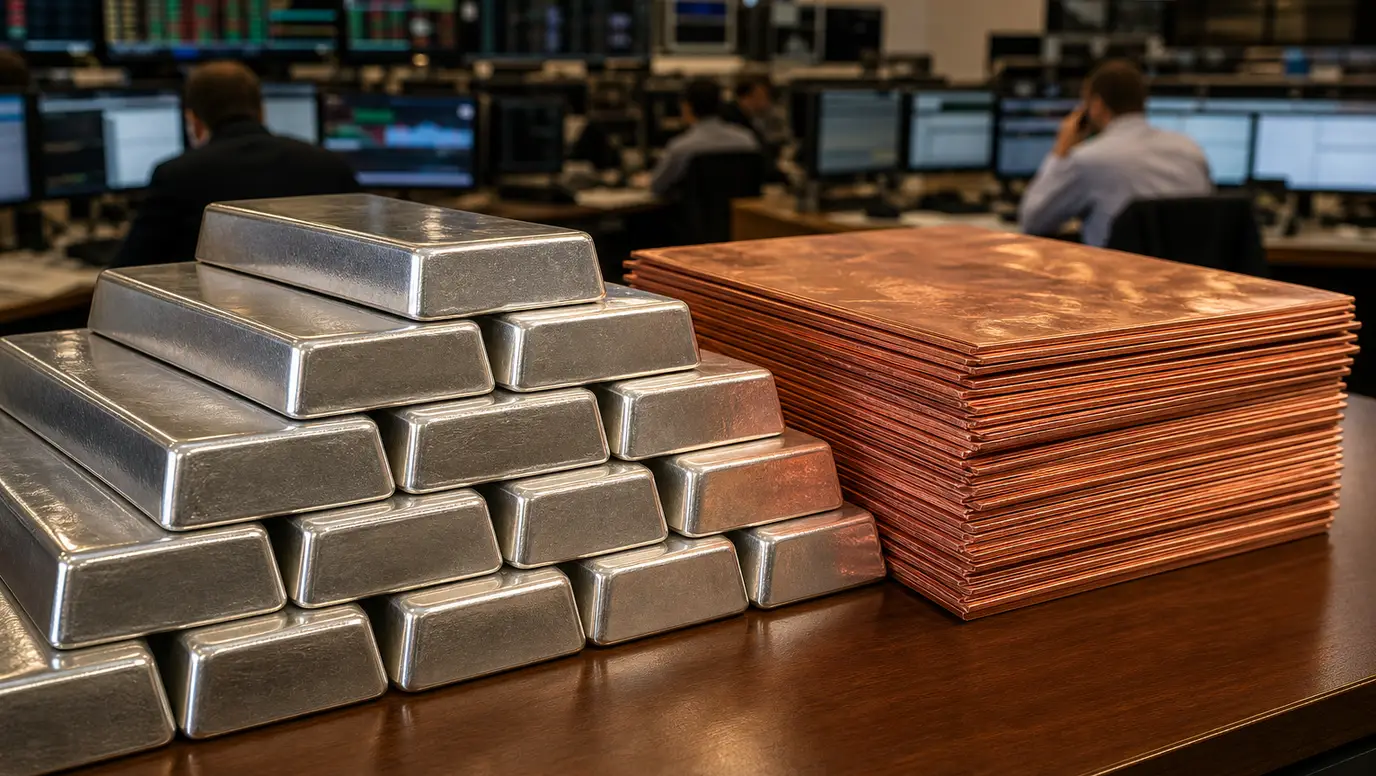
MAY 27, 2026
Silver Leads Metals Lower as Copper Resilience Highlights Split in Demand
MAY 26, 2026
Earnings Spotlight Turns to Marvell, Salesforce and Costco as Stock Rally Seeks Broader Support
MAY 26, 2026
Nasdaq Leads Wall Street Higher as S&P 500 Reopens Near Record Territory
MAY 26, 2026
Gold Slips as Oil Shock Revives Rate-Risk Trade in Precious Metals
MAY 25, 2026
Index Futures Rise in Holiday-Thinned Trade as Global Benchmarks Extend AI-Led Momentum
MAY 25, 2026
U.S. Stocks Face Shortened-Week Test as Yields Challenge Earnings Momentum
MAY 25, 2026
Gold Rebounds as Lower Yields Bring Buyers Back to Precious Metals
MAY 24, 2026
Crypto Market Tries to Stabilize as ETF Flow Split and Leverage Flush Keep Traders Defensive