MAY 25, 2026
Index Futures Rise in Holiday-Thinned Trade as Global Benchmarks Extend AI-Led MomentumU.S. index futures rise during a Memorial Day pause as global benchmarks extend an AI-led advance and traders watch yields and data.

© 1box.site 2026

MAY 25, 2026
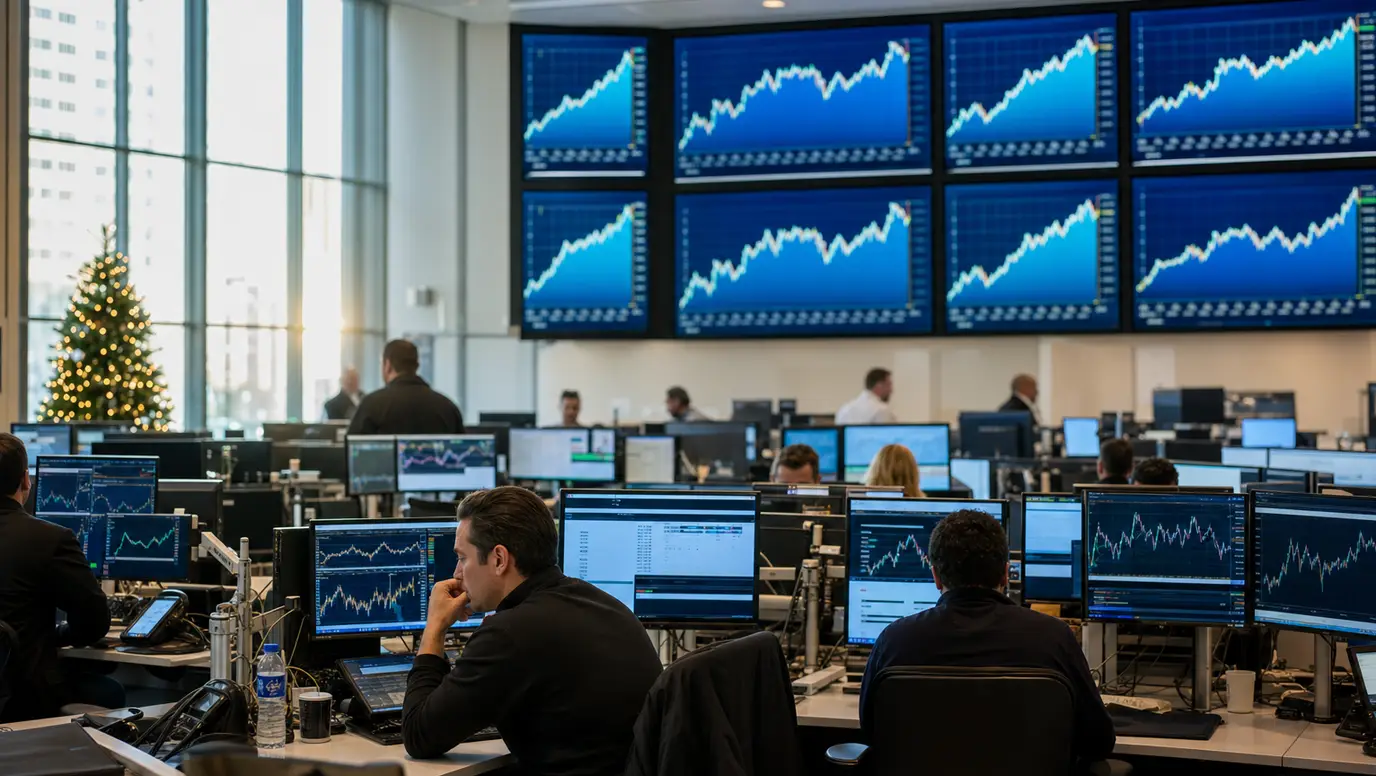
U.S. stocks enter the final week of May with momentum still tilted toward buyers, but the next test for Wall Street is shifting from headline earnings surprises to whether valuations can withstand higher bond yields and a more cautious Federal Reserve outlook.
The cash equity market is closed Monday for Memorial Day, leaving investors with a shortened trading week after major benchmarks finished the previous week near record territory. The recent advance has been supported by resilient corporate profits, steady demand for large technology shares and signs that investors remain willing to buy dips even as macro risks persist.
That confidence is not without limits. Treasury yields have moved back into focus as traders reassess the path of interest rates, and futures markets have reflected growing debate over whether the Fed may have to stay restrictive for longer. For equity investors, that matters because higher yields raise the bar for expensive growth stocks and can pull capital toward safer income-producing assets.
The first-quarter reporting season has largely reinforced the view that corporate America is still generating enough profit growth to support elevated share prices. However, with most of the largest companies already reported, the market’s attention is turning to whether the remaining results can confirm strength outside the biggest technology and AI-linked winners.
Retail, software and hardware names due to report in the coming sessions may carry more weight than usual because investors are looking for evidence on two fronts: the health of the U.S. consumer and the durability of enterprise technology spending. Retail updates will help show whether households are absorbing higher prices and borrowing costs, while software and server-related results may indicate whether corporate AI budgets remain a real earnings driver rather than only a market narrative.
The setup is more delicate because expectations are no longer low. After an extended rally, many stocks are priced for steady margins, disciplined spending and confident guidance. That leaves less room for companies that merely meet forecasts, especially if executives flag cost pressure, weaker demand or caution around the second half of the year.
AI-linked stocks remain one of the strongest themes in the equity market, but the tone has become more selective. Investors are no longer rewarding every company with exposure to data centers, chips or automation in the same way. Instead, the focus is moving toward cash flow, order visibility, margin protection and the ability to convert AI spending into measurable revenue growth.
That shift could keep volatility high in semiconductor suppliers, cloud infrastructure firms and enterprise software stocks. Strong guidance may still attract buyers, but stretched valuations mean even positive results can lead to uneven share-price reactions if the market sees signs that growth is slowing or that capital expenditure plans are becoming harder to justify.
This does not mean the AI trade is over. It means the bar has risen. Companies with clear demand, pricing power and expanding earnings may continue to lead, while weaker names with speculative AI exposure could struggle if yields remain elevated.
For the broader stock market, the most important near-term risk may be the bond market. If Treasury yields continue to climb, equity multiples could come under pressure even if earnings forecasts remain stable. That would be particularly important for high-growth shares, where a larger portion of expected value is tied to future profits.
Fed commentary and incoming inflation data will therefore remain critical. Investors have spent much of the rally assuming that earnings growth can offset higher financing costs. That assumption may hold if inflation cools and yields stabilize, but it becomes harder to defend if policymakers signal that restrictive rates are needed for longer.
The shortened week could also exaggerate moves because trading volumes may be thinner after the holiday. A single strong earnings report or a surprise in macro data could have an outsized impact on sentiment, especially with major indexes already close to technically important levels.
For now, the equity market’s message is cautiously constructive: earnings have been good enough to keep buyers engaged, but the next leg higher may require confirmation that profit growth can broaden beyond the biggest winners. Without that, rising yields could turn a strong rally into a more selective stock-picker’s market.
MAY 25, 2026
Index Futures Rise in Holiday-Thinned Trade as Global Benchmarks Extend AI-Led Momentum
MAY 25, 2026
Gold Rebounds as Lower Yields Bring Buyers Back to Precious Metals
MAY 24, 2026
Crypto Market Tries to Stabilize as ETF Flow Split and Leverage Flush Keep Traders Defensive
MAY 24, 2026
AI Stock Rally Faces Tougher Valuation Test After Nvidia’s Cash Return Surprise
MAY 24, 2026
U.S. Index Rally Faces Inflation Test After Dow Record and Eight-Week S&P 500 Run
MAY 23, 2026
Euro Under Pressure Near 1.16 as Dollar Holds Policy Advantage
MAY 23, 2026
Silver Takes Lead in Metals as Gold Holds Near Late-Week Support
MAY 22, 2026
U.S. Indexes Rise as Yield Relief Keeps Buyers Focused on Megacaps
MAY 22, 2026
Quantum Rally Lifts U.S. Stocks as Oil Reversal Eases Inflation Fears
MAY 21, 2026
Dollar Rally Pauses as Yen Intervention Risk and Fed Caution Grip FX Markets
MAY 21, 2026
Asian Benchmarks Jump as Chip Rally Restores Momentum to Global Indexes
MAY 21, 2026
Gold Stalls Below $4,550 as Fed Rate Risk Pressures Precious Metals
MAY 20, 2026
Oil Retreats as Traders Weigh U.S. Inventory Draw Against Hormuz Supply Risk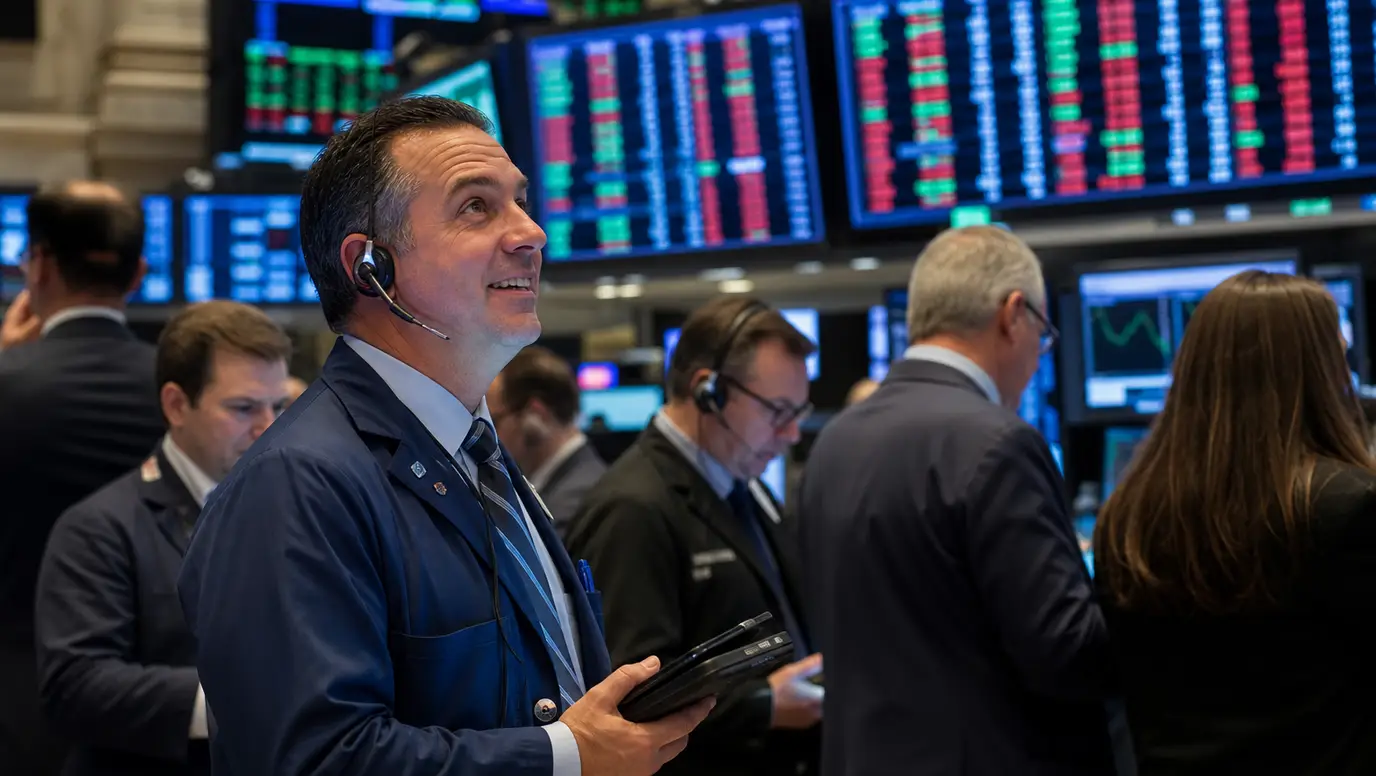
MAY 20, 2026
U.S. Stocks Rebound as Nvidia Earnings and Fed Minutes Take Center Stage