MAY 28, 2026
S&P 500 Stalls Near Record as GDP Cut and Sticky PCE Test Index BullsU.S. indexes hover near records after weaker GDP and sticky PCE inflation complicate the Fed outlook and test Wall Street breadth.

© 1box.site 2026

MAY 28, 2026
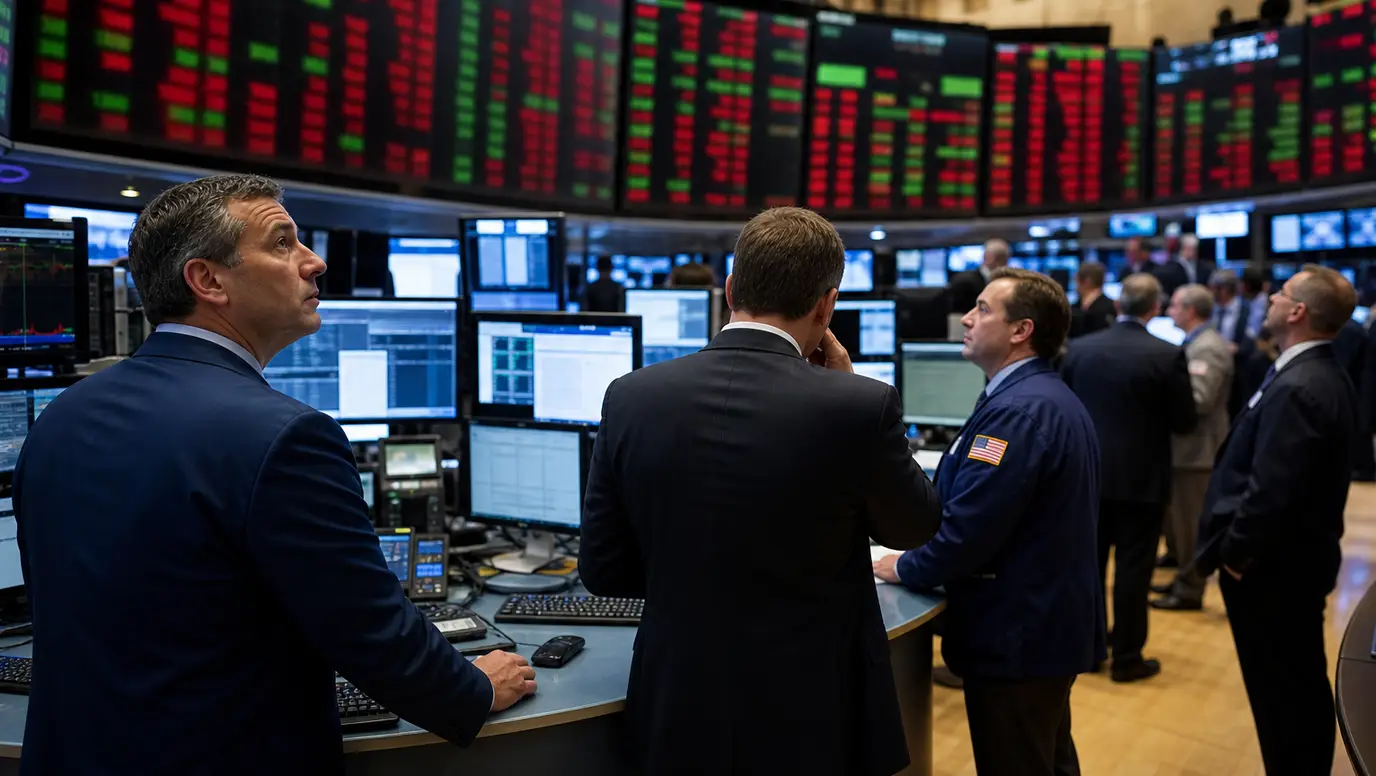
U.S. stock traders moved into Thursday’s session with a more selective tone, shifting attention from broad record-level index strength to company-level evidence on earnings quality, artificial intelligence monetization and consumer resilience. The strongest fresh news flow in the market section centered on Salesforce after its quarterly update and Costco ahead of its earnings release, giving investors a new test of whether premium valuations can survive a more demanding guidance environment.
Salesforce became the main stock-specific focus after reporting first-quarter fiscal 2027 revenue of $11.1 billion, up 13% from a year earlier, with non-GAAP diluted earnings per share of $3.88. The company also highlighted rapid growth in its Agentforce and Data 360 businesses, saying annual recurring revenue for the combined category reached nearly $3.4 billion, including $1.2 billion from Agentforce.
The initial market reaction was cautious rather than euphoric. Salesforce shares were only slightly higher in late-morning U.S. trading after swinging between an intraday low near $172 and a high above $182. That muted response showed that investors were not simply rewarding AI-linked language; they were weighing whether new automation products can materially accelerate organic growth while the company absorbs the effects of its Informatica acquisition and a large share repurchase program.
The Salesforce report reinforced a broader stock-market theme: investors still want exposure to artificial intelligence, but they are becoming more disciplined about which companies deserve AI premiums. Hardware leaders have already set a high bar for revenue growth, and software companies are now being asked to prove that AI agents, data platforms and automation tools can translate into durable subscription expansion rather than one-time enthusiasm.
Salesforce raised the midpoint of its full-year fiscal 2027 revenue outlook to a range of $45.9 billion to $46.2 billion, implying roughly 11% growth. However, its second-quarter revenue guide of $11.27 billion to $11.35 billion left traders focused on the pace of near-term acceleration. In a market already trading close to record territory, that distinction matters: a company can beat reported numbers and still face pressure if forward guidance does not clearly expand the growth narrative.
The company’s capital return plan also drew attention. Salesforce said it returned $27.5 billion to shareholders in the quarter, including $27.1 billion through repurchases, and entered into a $25 billion accelerated share repurchase agreement. Buybacks can support earnings per share and signal confidence, but they also raise the hurdle for investors who want to see cash deployed in ways that sustain revenue growth over multiple years.
That debate is especially important for AI software stocks because the market is no longer treating every AI reference as equally valuable. Traders are increasingly separating companies with visible recurring AI revenue from those still relying on future adoption stories. For Salesforce, Agentforce has become the key yardstick: the higher the reported adoption metrics climb, the more investors will expect the product line to show up in billings, margin durability and second-half revenue momentum.
Costco added a second major catalyst for stock-market desks, with its quarterly report scheduled after Thursday’s close. The warehouse retailer entered the session trading near $1,002, little changed on the day, with a market value above $445 billion and a valuation that leaves limited room for disappointment. That makes the report a key read on whether defensive consumer growth stocks can continue to command premium multiples while shoppers remain selective.
Investors are likely to focus on comparable sales, membership-fee income, renewal trends and any commentary on traffic, discretionary demand and private-label strength. Costco’s model has historically been prized for recurring membership economics and high customer loyalty, but its elevated price-to-earnings multiple means the market will be sensitive to even modest signs of margin pressure or slowing basket growth.
The Costco setup also matters beyond retail. A resilient report could support the view that higher-income consumers remain healthy enough to keep spending, while a weaker tone could add to concerns that equity valuations are running ahead of earnings breadth. With U.S. stocks near highs, investors need more than megacap technology leadership to keep the rally balanced.
Broader market conditions remain supportive but not risk-free. The S&P 500 proxy SPY was modestly higher in late-morning trading, while Nvidia traded slightly lower after its recent earnings-driven attention. Treasury yields, oil-price swings and the approaching inflation data calendar are keeping traders alert to the risk that higher discount rates could challenge richly valued growth stocks.
For now, the stock market is not sending a broad risk-off signal. Instead, it is becoming more discriminating. Salesforce showed that strong AI metrics must be matched by convincing guidance, while Costco will test whether consumer staples leadership can justify premium pricing. The next leg of the equity rally may depend less on headline enthusiasm and more on whether individual companies can deliver clean earnings, credible growth drivers and guidance strong enough to withstand a market priced for good news.
MAY 28, 2026
S&P 500 Stalls Near Record as GDP Cut and Sticky PCE Test Index Bulls
MAY 28, 2026
Gold Tests Two-Month Low as PCE Countdown Keeps Metals on Defensive
MAY 28, 2026
Dollar Rally Faces PCE Test as Yen Intervention Risk Returns to FX Desks
MAY 27, 2026
AI Stock Rotation Tests Wall Street as Traders Reprice Growth Risk
MAY 27, 2026
S&P 500 Holds Near Record as Lower Oil Prices Shift Index Leadership
MAY 27, 2026
Dollar Breakout Bets Build as Fed Inflation Focus Pressures Yen and Euro
MAY 27, 2026
Silver Leads Metals Lower as Copper Resilience Highlights Split in Demand
MAY 26, 2026
Earnings Spotlight Turns to Marvell, Salesforce and Costco as Stock Rally Seeks Broader Support
MAY 26, 2026
Nasdaq Leads Wall Street Higher as S&P 500 Reopens Near Record Territory
MAY 26, 2026
Gold Slips as Oil Shock Revives Rate-Risk Trade in Precious Metals
MAY 25, 2026
Index Futures Rise in Holiday-Thinned Trade as Global Benchmarks Extend AI-Led Momentum
MAY 25, 2026
U.S. Stocks Face Shortened-Week Test as Yields Challenge Earnings Momentum
MAY 25, 2026
Gold Rebounds as Lower Yields Bring Buyers Back to Precious Metals
MAY 24, 2026
Crypto Market Tries to Stabilize as ETF Flow Split and Leverage Flush Keep Traders Defensive
MAY 24, 2026
AI Stock Rally Faces Tougher Valuation Test After Nvidia’s Cash Return Surprise
MAY 24, 2026
U.S. Index Rally Faces Inflation Test After Dow Record and Eight-Week S&P 500 Run
MAY 23, 2026
Euro Under Pressure Near 1.16 as Dollar Holds Policy Advantage
MAY 23, 2026
Silver Takes Lead in Metals as Gold Holds Near Late-Week Support
MAY 22, 2026
U.S. Indexes Rise as Yield Relief Keeps Buyers Focused on Megacaps
MAY 22, 2026
Quantum Rally Lifts U.S. Stocks as Oil Reversal Eases Inflation Fears
MAY 21, 2026
Dollar Rally Pauses as Yen Intervention Risk and Fed Caution Grip FX Markets
MAY 21, 2026
Asian Benchmarks Jump as Chip Rally Restores Momentum to Global Indexes
MAY 21, 2026
Gold Stalls Below $4,550 as Fed Rate Risk Pressures Precious Metals
MAY 20, 2026
Oil Retreats as Traders Weigh U.S. Inventory Draw Against Hormuz Supply Risk
MAY 20, 2026
U.S. Stocks Rebound as Nvidia Earnings and Fed Minutes Take Center Stage