JUNE 26, 2026
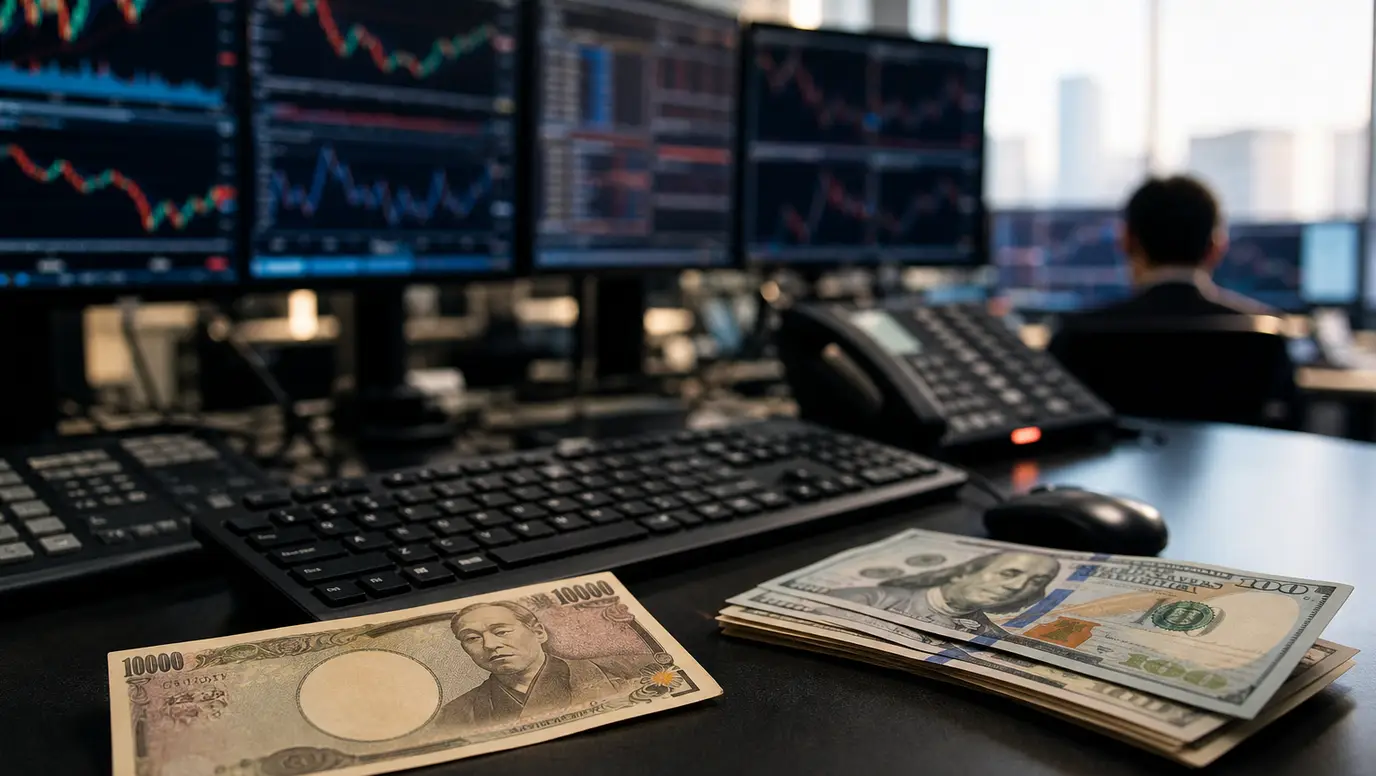
Yen Finds Weekend Bid as Dollar Pullback Shifts Forex Focus to Intervention RiskYen steadies near intervention-sensitive levels as the dollar eases after US data, keeping forex traders focused on Fed pricing.

© 1box.site 2026

MAY 27, 2026
U.S. equity benchmarks hovered near record territory on Wednesday, May 27, as a sharp pullback in oil prices helped broaden support beyond the technology-heavy trade that carried the S&P 500 and Nasdaq Composite to fresh closing highs in the previous session.
The S&P 500 was little changed in early trading after ending Tuesday at a record 7,519.12, while the Nasdaq Composite paused after its latest high at 26,656.18. The Dow Jones Industrial Average, which had lagged on Tuesday, regained ground as investors rotated into economically sensitive and fuel-cost-exposed shares.
The move marked a more balanced test for the index market. AI-linked megacaps remain central to Nasdaq performance, but the retreat in crude prices gave investors a reason to revisit transport, travel and consumer-facing groups that had been pressured by concerns over energy-driven inflation. That rotation helped limit downside pressure even as some high-growth technology shares cooled after a strong run.
The most important shift for Wednesday’s tape was the reversal in energy prices. Brent crude and U.S. benchmark oil fell sharply as traders priced in a reduced supply-risk premium tied to Middle East shipping routes and ceasefire headlines. Lower fuel costs can improve margin expectations for airlines, cruise operators, delivery firms and other companies with large energy bills, giving the Dow and broader S&P 500 a different source of support.
For index investors, the question is whether lower crude can ease the inflation anxiety that has repeatedly pushed Treasury yields higher and challenged equity valuations. A sustained drop in oil would not remove the Federal Reserve from the market narrative, but it could soften one of the clearest near-term risks to consumer spending and corporate profit margins.
That matters because the latest record highs have arrived with leadership still concentrated in large technology and AI-related companies. When oil prices fall and rate-sensitive cyclicals join the advance, market breadth can improve. When those groups fail to participate, the major benchmarks become more dependent on a narrow set of megacap earnings stories.
The Nasdaq’s slight hesitation on Wednesday did not erase the strength of Tuesday’s rally, when chip and AI optimism helped push the benchmark to a new peak. Still, traders are watching whether the index can hold gains without relying solely on semiconductor leadership. A pause after record highs is not unusual, but extended weakness in the largest growth names would quickly test the durability of the broader rally.
The S&P 500 faces a similar challenge. Its record close reflects strong earnings expectations, optimism around AI capital spending and relief from recent geopolitical stress. Yet the index is also vulnerable to any renewed rise in Treasury yields, especially if inflation expectations rebuild before the next major round of economic data.
Wednesday’s action suggested investors were not abandoning risk, but they were becoming more selective. Defensive buying was limited, cyclicals attracted renewed interest, and the Dow’s relative improvement showed that traders were willing to look beyond the Nasdaq leaders when the macro backdrop became more supportive.
The Federal Reserve remains a key constraint on the index rally. Even with oil prices moving lower, policymakers are expected to stay focused on inflation persistence, wage trends and financial conditions. Equity markets have benefited from the idea that rates may not need to rise further, but record valuations leave little room for disappointment if yields climb again.
For now, the S&P 500’s ability to hold near its high suggests dip buyers remain active. The next test is whether the index can build on the record with broader participation from industrials, financials, travel and consumer sectors, rather than depending on another surge in AI-linked technology shares.
If crude continues to retreat and Treasury yields remain contained, the path of least resistance for U.S. benchmarks may stay upward. If oil rebounds or bond yields resume their climb, Wednesday’s rotation could quickly turn into a more defensive session. That leaves the index market balanced between record-high momentum and a still-fragile macro backdrop.
JUNE 26, 2026
Yen Finds Weekend Bid as Dollar Pullback Shifts Forex Focus to Intervention Risk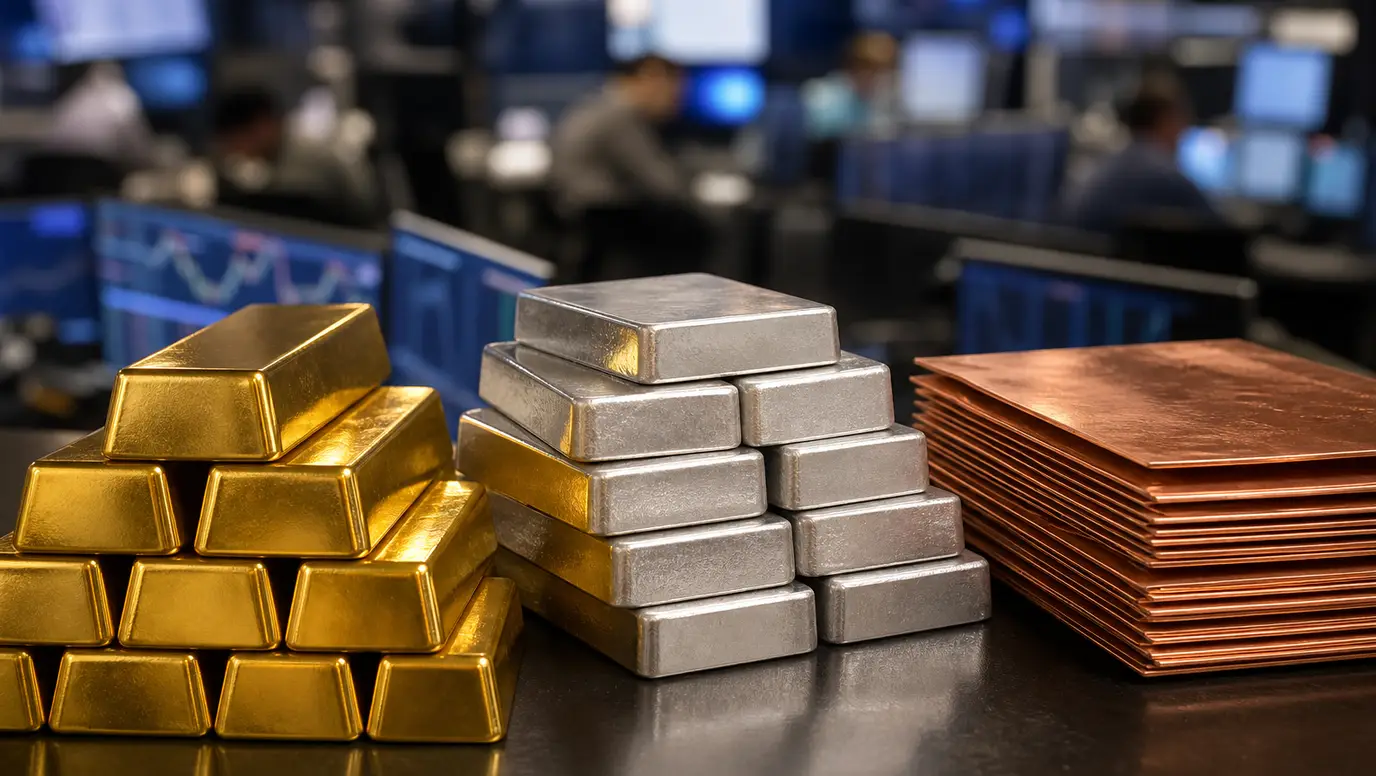
JUNE 25, 2026
Gold Break Below $4,000 Keeps Metals Market on Dollar and Rate Alert
JUNE 25, 2026
Euro Slides Below $1.14 as PCE Relief Fails to Break Dollar’s Forex Grip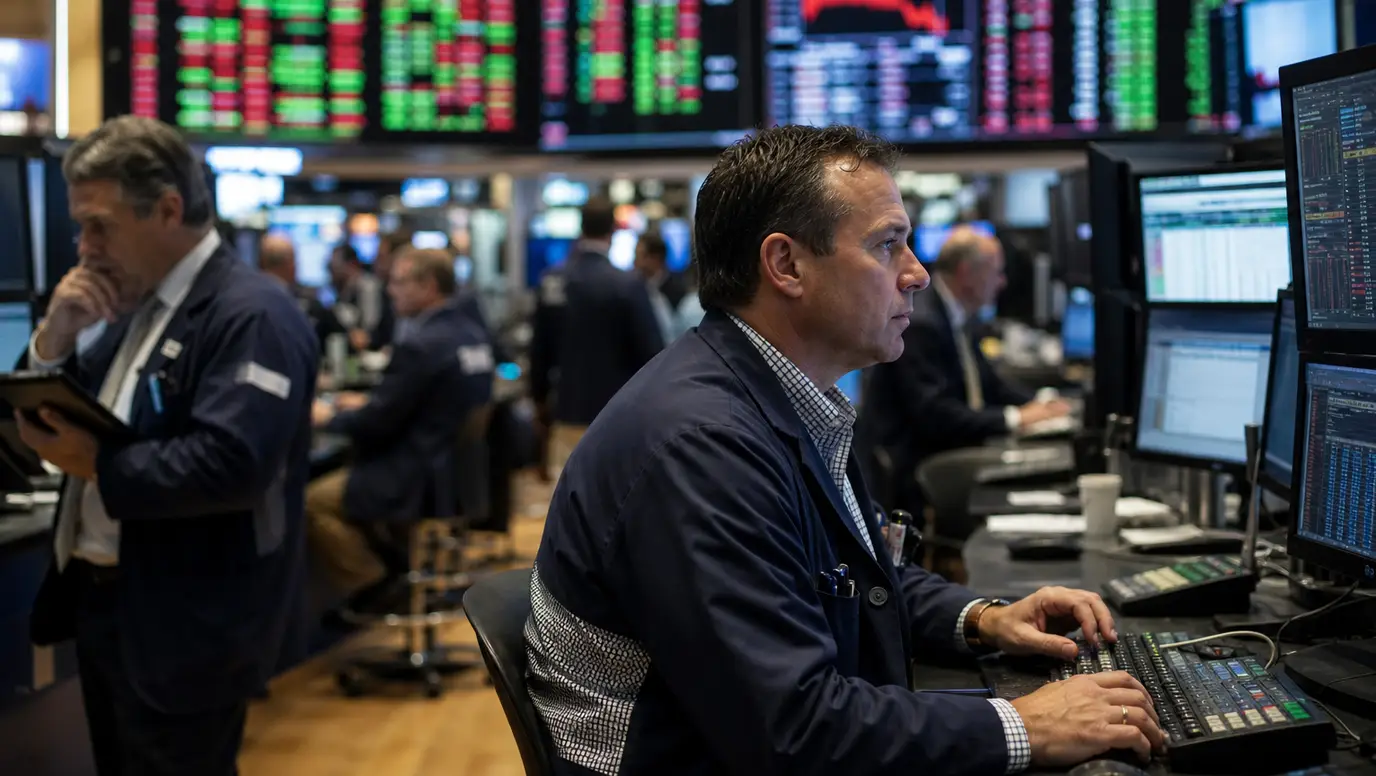
JUNE 25, 2026
Nasdaq Rebound Puts Index Market Breadth Back in Focus as Chip Rally Meets Rate Risk
JUNE 23, 2026
Dollar Firms as Pound Whipsaws and Euro Slips on Fed Rate Premium
JUNE 23, 2026
Nasdaq Slide Tests S&P 500 as Dow Resilience Highlights Index Rotation
JUNE 22, 2026
Copper Leads Metals Watch as Gold Waits for Dollar and Yield Break
JUNE 22, 2026
Yen Carry Trade Stays Hot as Dollar Bulls Test Tokyo’s Limits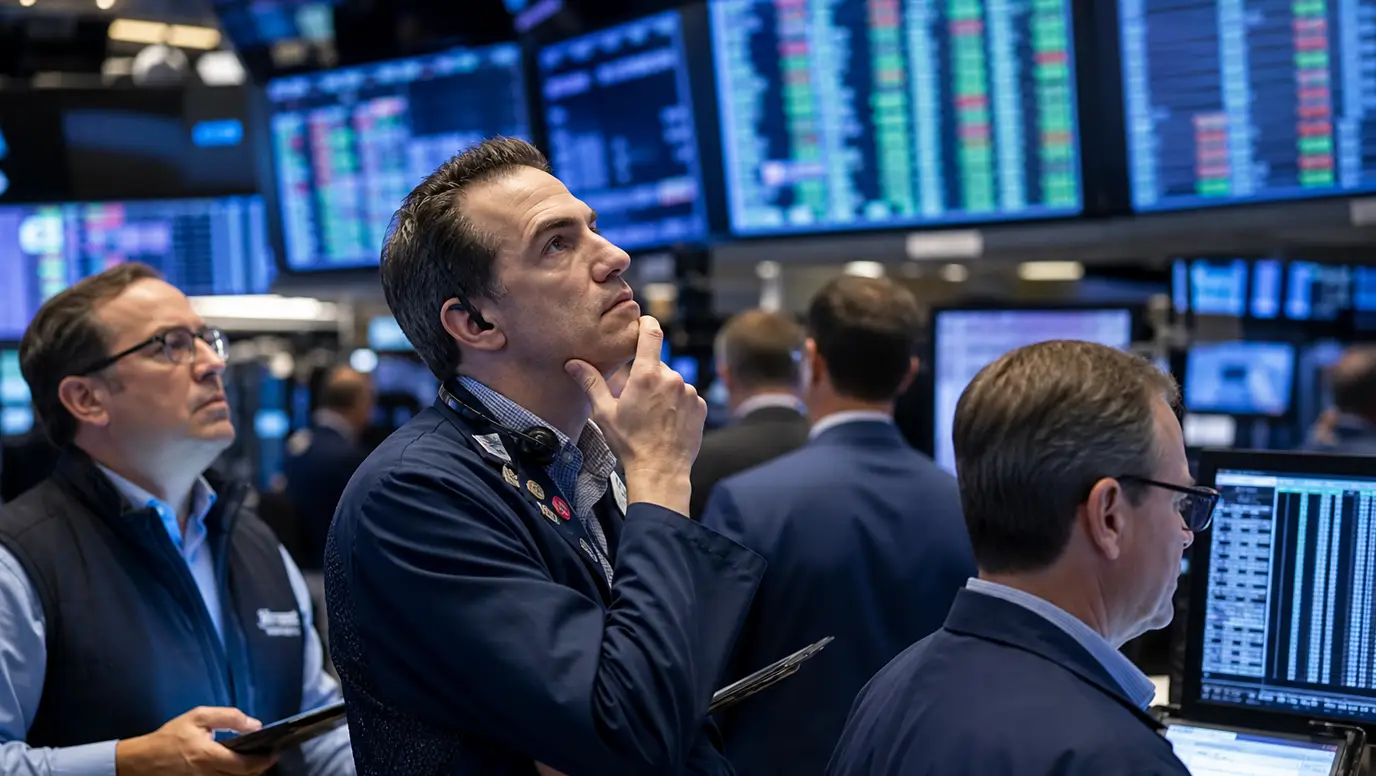
JUNE 22, 2026
S&P 500 Stalls Near Record as Oil Relief Leaves Nasdaq Behind
JUNE 21, 2026
Dow Record Keeps Index Traders Defensive as Nasdaq Rally Faces Treasury Yield Test
JUNE 20, 2026
Gold and Silver Slide as Hawkish Fed Signal Puts Metals Back on Yield Watch
JUNE 20, 2026
Dollar Holds Breakout as Yen Weakness Puts Intervention Risk Back in Focus
JUNE 20, 2026
Nasdaq and Russell 2000 Lead Index Bounce as Traders Reassess Market Breadth
JUNE 20, 2026
S&P 500 Holds 7,500 as Wall Street Tests Fed Hike Risk After Juneteenth Break
JUNE 19, 2026
S&P 500 and Nasdaq Rebound Puts Index Traders Back on Fed Watch After Juneteenth Pause
JUNE 19, 2026
Copper Holds Firm as Metals Traders Reprice Dollar and Fed Rate Risk
JUNE 17, 2026
S&P 500 and Nasdaq Edge Higher as Dow Holds Record Ground Before Fed Decision
JUNE 17, 2026
Silver Holds Near $70 as Fed Decision Puts Industrial Metals Trade on Alert
JUNE 17, 2026
Dollar Steadies as Euro Rally Stalls Before Fed Decision
JUNE 16, 2026
Dow Takes Lead as S&P 500 Pauses Near Record and Nasdaq Cools
JUNE 16, 2026
Gold Extends Rebound as Iran Deal Cools Rate-Hike Fears Before Fed
JUNE 16, 2026
S&P 500 Futures Stall as Nasdaq Rally Faces Warsh Fed Debut
JUNE 15, 2026
Nasdaq Leads Index Rebound as S&P 500 and Dow Track Fed Week Relief Bid
JUNE 15, 2026
Gold Stalls as Dollar Strength Tests Metals Before Fed Decision
JUNE 15, 2026
Dollar Pauses as Euro Traders Brace for Fed Dot Plot and BOJ Decision
JUNE 14, 2026
S&P 500, Nasdaq and Dow Face Fed Week as Index Volatility Rebuilds
JUNE 14, 2026
Yen Carry Trade Faces Volatility Test as Fed and BOJ Week Opens
JUNE 13, 2026
Gold Holds Safe-Haven Bid as Silver Volatility Sets Up Fed Week Metals Test
JUNE 13, 2026
Dollar Holds Firm as Euro Rally Fades Before Fed Week
JUNE 13, 2026
S&P 500 Rally Broadens as Oil Retreat Gives Small Caps Room to Catch Up