
JULY 13, 2026
Nasdaq Leads Index Pullback as Oil-Yield Shock Hits AI TradeNasdaq and S&P 500 retreat as higher oil prices, firmer Treasury yields and AI stock weakness test index market risk appetite.

© 1box.site 2026

JUNE 20, 2026
U.S. equity benchmarks entered the long weekend with a firmer tone after a volatile Federal Reserve week, as growth shares and smaller companies helped repair part of the damage from the prior session. The latest move left index traders focused less on a single headline level and more on whether the rebound is broad enough to support another test of recent highs.
The S&P 500 rose 1.1% in the latest full session to close at 7,500.58, while the Nasdaq Composite advanced 1.9% to 26,517.93. The Dow Jones Industrial Average added a more modest 0.1% to 51,564.70, leaving the blue-chip gauge near record territory but no longer the clear leader of the short-term tape. The Russell 2000 gained 2.1%, making small caps a notable part of the recovery rather than a bystander.
The Nasdaq’s outperformance suggested investors were willing to rotate back into higher-duration growth shares once Treasury yields eased. That matters for index markets because the technology-heavy benchmark had recently been the pressure point whenever rate expectations hardened. A rebound led by both the Nasdaq and the Russell 2000 points to improved risk appetite, but traders will want confirmation that gains are not concentrated in only a handful of mega-cap stocks.
For the week, the Nasdaq remained ahead with a 2.4% gain, compared with a 0.9% rise for the S&P 500 and a 0.7% advance for the Dow. That spread shows the market still rewards growth exposure when yields stop rising, even as investors remain cautious about valuations after a powerful first-half advance. Year to date, the Nasdaq is still the strongest of the major U.S. benchmarks, while the Russell 2000’s larger 2026 percentage gain highlights the appeal of domestic cyclicals when recession fears stay contained.
The rebound did not remove the central risk facing index investors: the market is still adjusting to a more hawkish policy backdrop. The Federal Reserve kept rates steady this week, but policymakers signaled that a rate increase later in 2026 remains possible if inflation pressures fail to cool. That shift pushed traders to reassess equity multiples, especially in growth sectors where valuations are most sensitive to discount rates.
Lower yields in the latest session helped stabilize sentiment, but the next durable move in the S&P 500 will likely depend on whether bond markets continue to absorb the Fed message without another sharp backup. If yields rise again, the Nasdaq could face renewed pressure and the Dow’s defensive and industrial components may regain relative support. If yields remain contained, the S&P 500 could hold the 7,500 area as a near-term pivot while buyers test whether the rally can extend beyond artificial intelligence and large-cap technology.
U.S. stock exchanges were closed on Friday for Juneteenth, meaning the next regular cash-market session is Monday, June 22. That pause may amplify attention on futures trading, Treasury moves and any weekend geopolitical headlines before Wall Street fully reopens. With liquidity thinner around the holiday, traders may be reluctant to overread short-term futures moves unless they are confirmed by cash-market breadth.
For index investors, the immediate checklist is clear: whether the S&P 500 can remain above 7,500, whether the Nasdaq can sustain leadership without another surge in yields, and whether the Russell 2000 continues to participate. A broader advance would strengthen the case that the market is digesting Fed risk rather than simply rebounding from an oversold patch. A narrow restart, by contrast, would leave the major benchmarks vulnerable to another rotation-driven pullback.
JULY 13, 2026
Nasdaq Leads Index Pullback as Oil-Yield Shock Hits AI Trade
JULY 12, 2026
S&P 500 and Nasdaq Face Triple Test as CPI, Fed Testimony and Earnings Converge
JULY 11, 2026
Bank Stocks Face Earnings Test as Wall Street Looks Beyond the AI Rally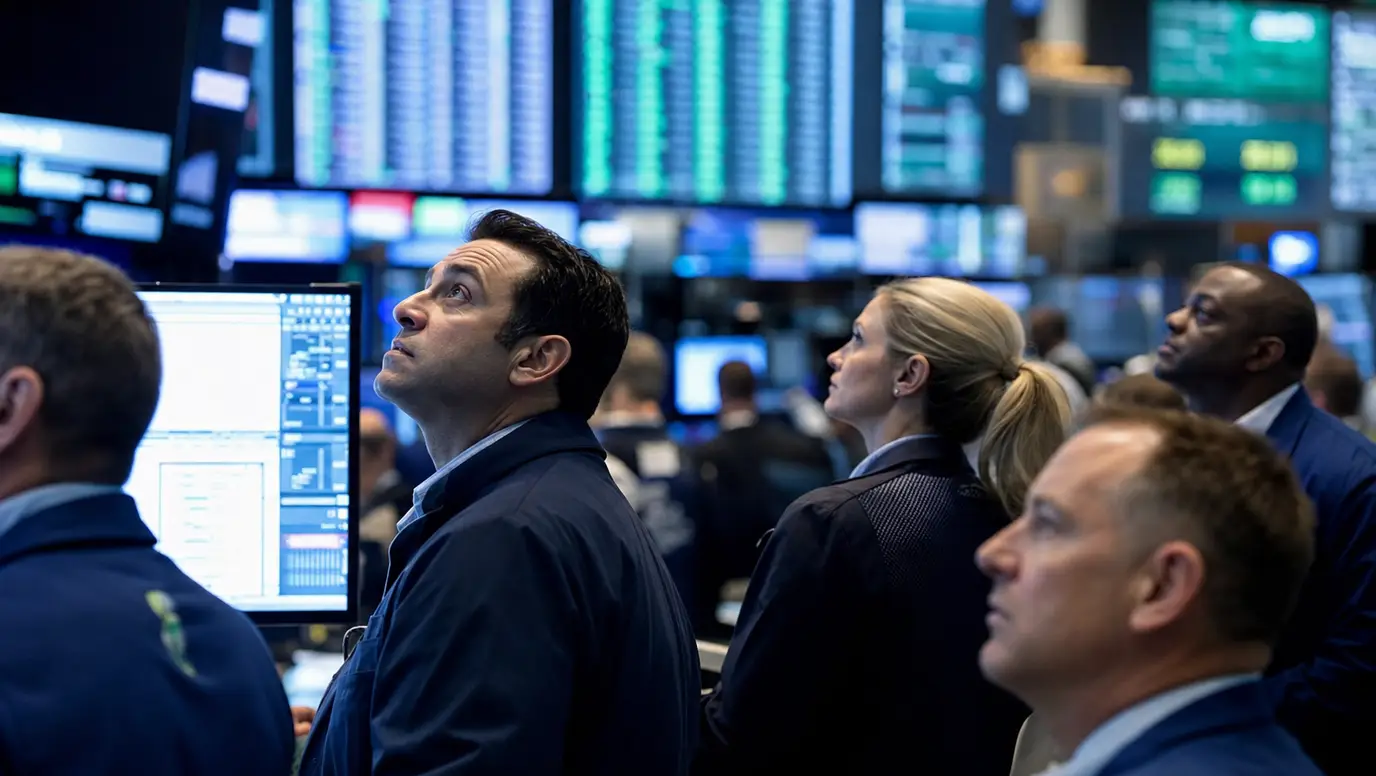
JULY 11, 2026
S&P 500 and Nasdaq Extend Weekly Climb as AI Bid Faces CPI Test
JULY 10, 2026
S&P 500 Stalls as Dow Resilience Offsets Nasdaq Chip Drag
JULY 9, 2026
S&P 500 Regains Footing as Nasdaq Leads Index Rebound After Dow Shock
JULY 8, 2026
Consumer Earnings Put Stock Market Rotation on Trial as Profit Bar Jumps
JULY 8, 2026
Nasdaq Futures Slip as Chip Rout and Fed Minutes Put Index Market on Alert
JULY 7, 2026
AI Chip Reversal Tests Index Market Rally as S&P 500 Retreats From Record Zone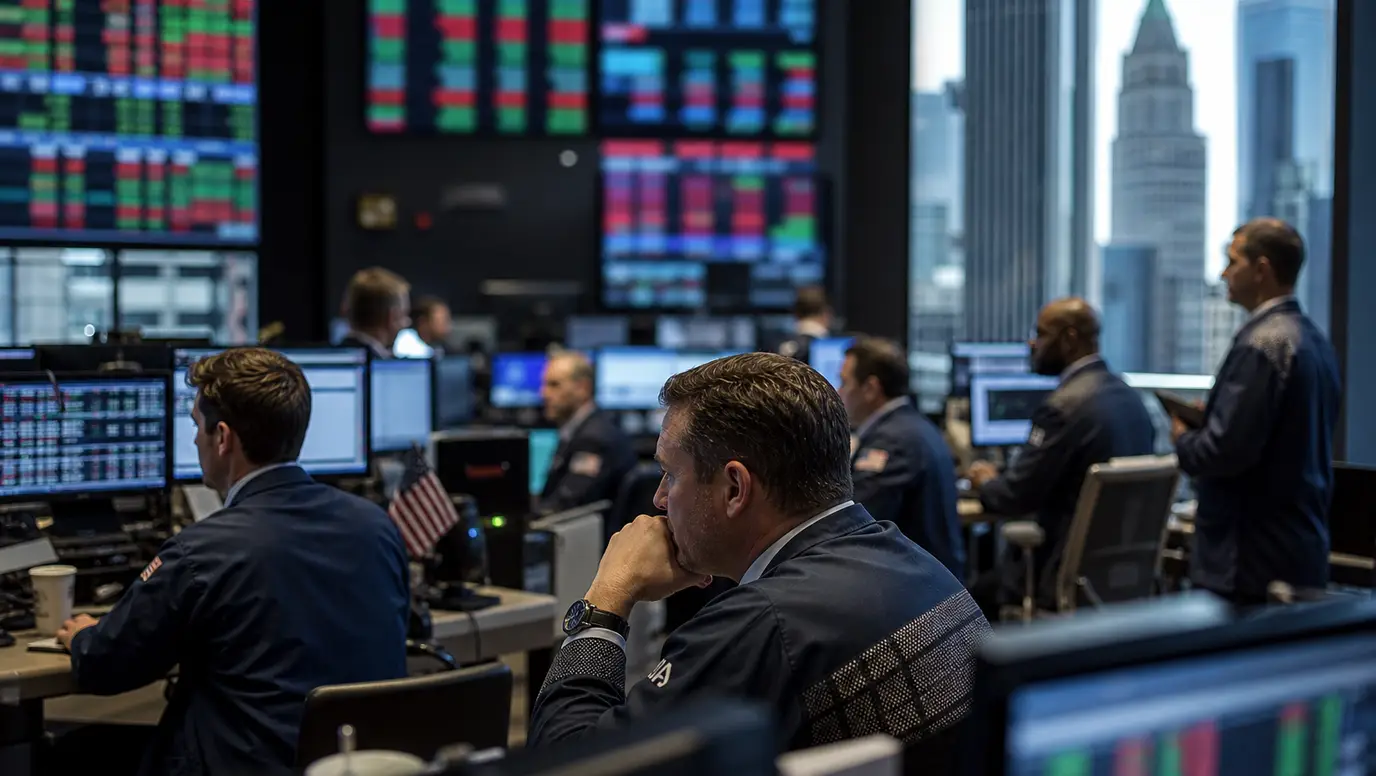
JULY 6, 2026
Stock Market Faces Earnings Breadth Test as Fed Minutes Loom After Chip Rout
JULY 6, 2026
Nasdaq Leads Index Market Rebound as Chip Recovery Offsets Dow Drift
JULY 5, 2026
SpaceX Nasdaq-100 Entry Puts Index Market on Liquidity Watch Before Fed Minutes
JULY 4, 2026
Nasdaq Weakness Puts Index Market Breadth Back in Focus as Dow Rotation Holds
JULY 3, 2026
Dow Record Sets Up Global Index Rally as U.S. Holiday Thins Trading
JULY 2, 2026
S&P 500 Firms as Dow Outruns Nasdaq After June Payroll Shock
JULY 1, 2026
S&P 500 Wavers as Nasdaq Drag Shows Yield Risk After Strong Quarter
JUNE 30, 2026
S&P 500 Edges Higher as Nasdaq Leads Cautious Index Market Into Jobs Data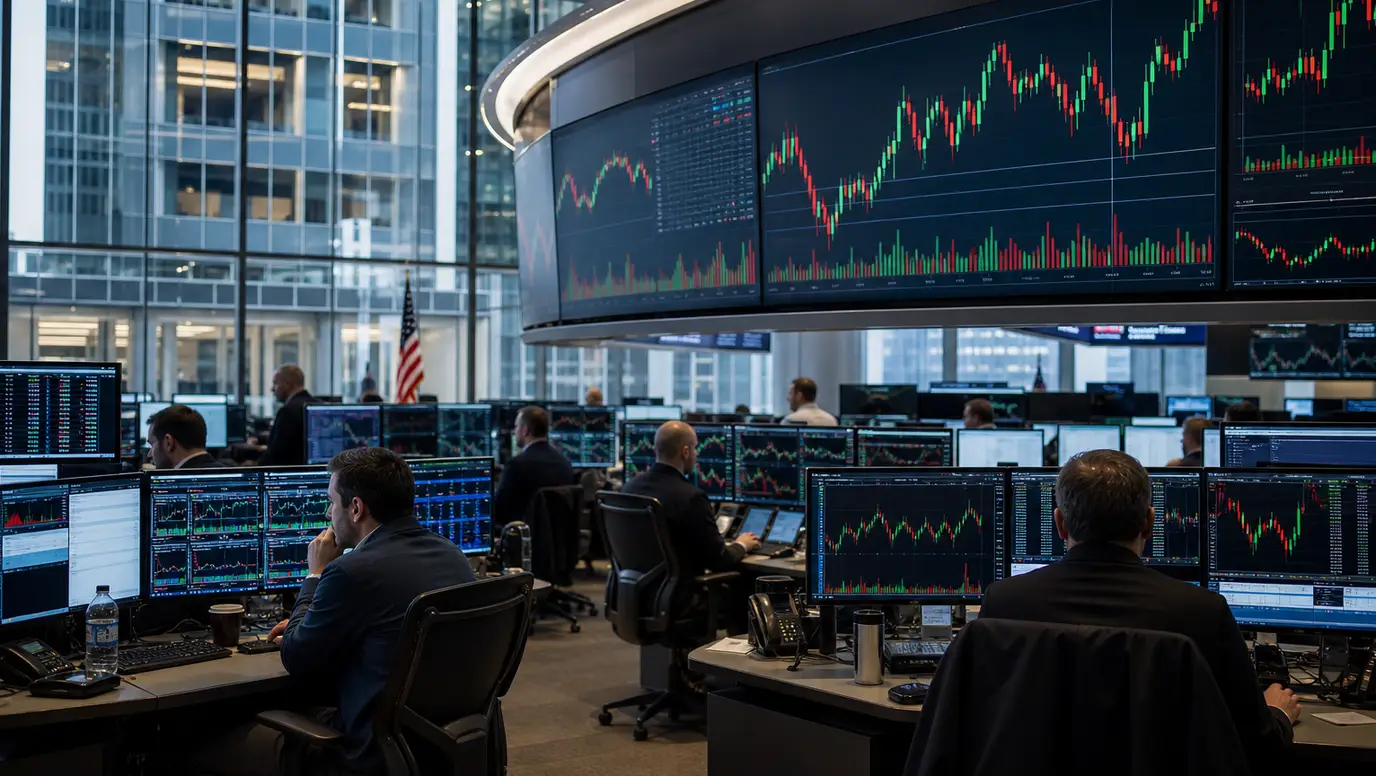
JUNE 29, 2026
S&P 500 Rebound Lifts Index Market as Nasdaq Recovers and Russell 2000 Lags
JUNE 29, 2026
Honeywell Aerospace Debut Puts Stock Market Rebalance Back in the Spotlight
JUNE 28, 2026
S&P 500 Faces Quarter-End Test as Russell 2000 Strength Broadens Index Market
JUNE 27, 2026
Chip Rout Leaves Nasdaq Under Pressure as Healthcare Rotation Cushions Stock Market Losses
JUNE 27, 2026
S&P 500 Slips Despite Better Breadth as AI Drag Reshapes Index Market
JUNE 26, 2026
Nasdaq Weakness Spreads Globally as Dow Record Masks Index Market Stress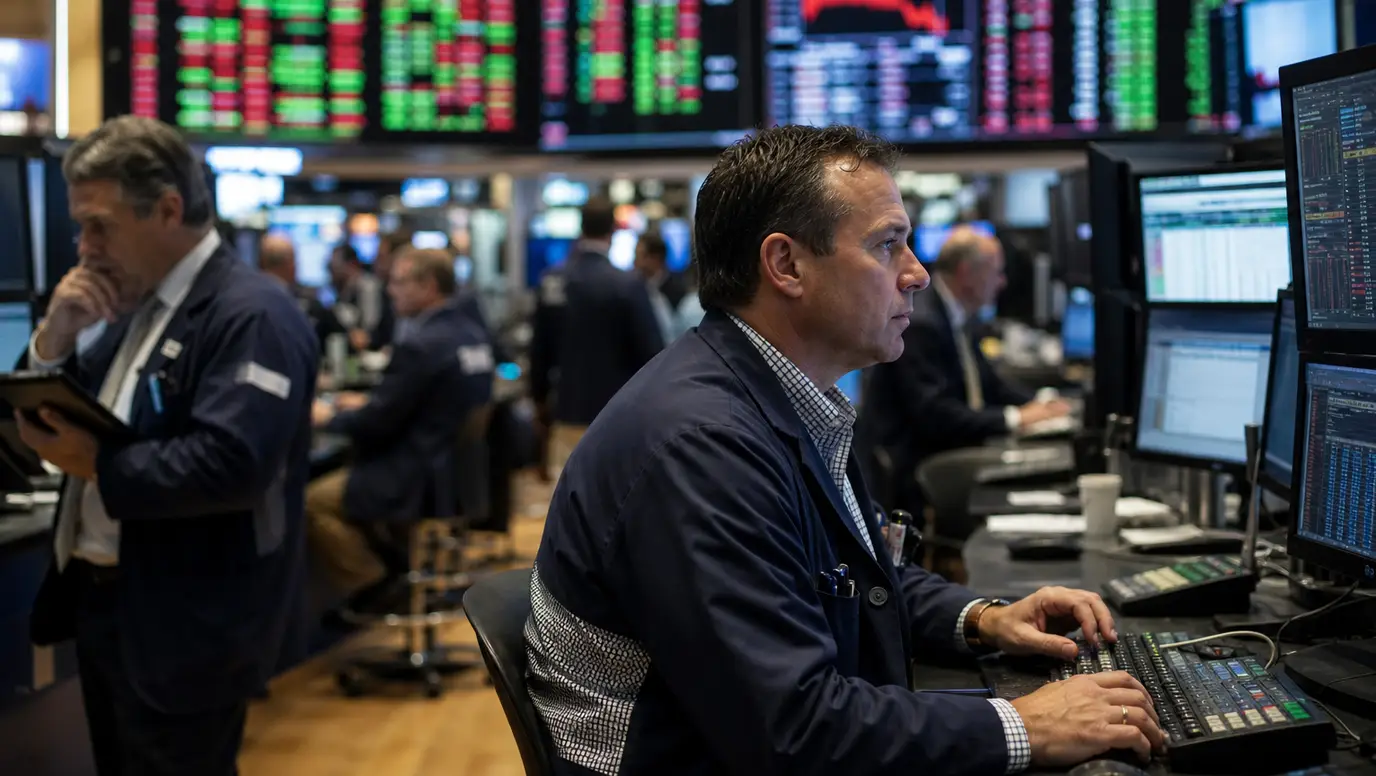
JUNE 25, 2026
Nasdaq Rebound Puts Index Market Breadth Back in Focus as Chip Rally Meets Rate Risk
JUNE 24, 2026
Dow Shake-Up Puts Alphabet at Center of Index Market Rebalance
JUNE 23, 2026
Nasdaq Slide Tests S&P 500 as Dow Resilience Highlights Index Rotation
JUNE 22, 2026
S&P 500 Stalls Near Record as Oil Relief Leaves Nasdaq Behind
JUNE 21, 2026
Dow Record Keeps Index Traders Defensive as Nasdaq Rally Faces Treasury Yield Test
JUNE 21, 2026
Marvell Technology Enters S&P 500 as AI Stock Momentum Faces a Valuation Test
JUNE 20, 2026
S&P 500 Holds 7,500 as Wall Street Tests Fed Hike Risk After Juneteenth Break