
OCTOBER 23, 2026
American Express Stock Falls as Profit Beat Meets Cost-Cut ScrutinyAmerican Express stock slips as record Q3 revenue, stronger guidance and resilient card spending collide with 5% workforce cuts.

© 1box.site 2026

JUNE 29, 2026
The U.S. stock market opened a fresh week with a major corporate separation in focus as Honeywell Aerospace began trading as an independent public company under the ticker HONA. The debut follows the completion of Honeywell’s aerospace spin-off, leaving the remaining automation-focused parent to trade as Honeywell Technologies under the HON ticker.
The transaction gives equity investors a cleaner way to price two different industrial stories: a standalone aerospace supplier tied to aircraft demand, defense spending and aftermarket service cycles, and a slimmer automation company exposed to buildings, industrial software, process controls and productivity upgrades. That separation matters at a time when traders are looking beyond mega-cap technology for companies with clearer earnings drivers and more distinct capital-allocation plans.
Honeywell Aerospace starts life as a listed company with immediate benchmark relevance. The new company is set to enter the S&P 500 and S&P 100, while the parent remains in the S&P 500 after the spin-off. The structure may create initial trading volume as index-linked funds, active managers and arbitrage desks adjust positions around the new share distribution.
For shareholders, the mechanics are also important. The spin-off was completed through a distribution of one Honeywell Aerospace share for every two Honeywell Technologies shares held by investors of record as of mid-June. The parent company also completed a 1-for-2 reverse stock split, reducing its share count while keeping HON as the trading symbol.
That combination can make early price action harder to interpret. A sharp move in either HONA or HON may reflect index demand, portfolio rebalancing and post-spin technical flows as much as a fresh view on fundamentals. Investors will be watching whether buyers treat the aerospace unit as a premium industrial compounder or wait for several sessions of standalone trading before assigning a firmer valuation range.
The Honeywell separation arrives on the same trading day as another high-profile blue-chip adjustment: Alphabet is joining the Dow Jones Industrial Average, replacing Verizon. While that change sits inside the index complex, it also reinforces a broader stock-market theme: large benchmarks are being reshaped to better reflect the weight of platform technology, artificial intelligence infrastructure and asset-light digital businesses.
For the stock market, the contrast is notable. Alphabet’s Dow entry highlights the continued pull of mega-cap technology, while Honeywell Aerospace’s debut gives investors a new industrial pure play with a very different earnings cycle. Together, the moves may encourage renewed scrutiny of legacy conglomerates, especially companies whose parts could trade at higher multiples than the combined entity.
The timing is sensitive. Equity sentiment remains divided between enthusiasm for AI-linked growth and concern that valuations in parts of the market have run ahead of near-term earnings visibility. Industrial spin-offs can attract support in that environment when they promise cleaner reporting, sharper management incentives and a more direct comparison with sector peers.
The first test for HONA is liquidity. A smooth debut with orderly volume would support the view that the market had largely prepared for the separation. Wider intraday swings, by contrast, could indicate that index funds and shareholders are still working through position sizes after receiving new shares.
The second test is relative performance. If Honeywell Aerospace trades firmly while HON stabilizes after the reverse split, investors may read the separation as value-accretive for both entities. If one side lags sharply, the market may be signaling either valuation discomfort or uncertainty about the earnings profile now that the businesses are no longer bundled together.
The broader stock-market takeaway is that corporate structure remains a catalyst even as macro headlines, Federal Reserve expectations and AI valuation debates dominate daily trading. Honeywell’s split gives investors a fresh benchmark for whether focused industrial companies can command stronger attention in a market still searching for leadership beyond the largest technology names.
OCTOBER 23, 2026
American Express Stock Falls as Profit Beat Meets Cost-Cut Scrutiny
OCTOBER 22, 2026
Nasdaq Leads Index Market Lower as AI Stocks and Oil Shock Hit Wall Street
OCTOBER 22, 2026
Tesla Stock Falls as Profit Drop and SpaceX Merger Questions Eclipse Robotaxi Progress
OCTOBER 21, 2026
Netflix Stock Slide Puts Media Stocks on Wall Street Alert as Ad Forecast Is Cut
OCTOBER 20, 2026
GE Aerospace and RTX Lift Industrial Stocks as Earnings Beats Reset Wall Street
OCTOBER 18, 2026
S&P 500 Stocks Face Breadth Test as AI Rout Collides With Earnings Week
OCTOBER 18, 2026
Bank Stocks Find Earnings Support as Consumer Spending Eases Credit Fears
OCTOBER 17, 2026
Airline Stocks Face Fuel-Cost Test as Earnings Season Moves Beyond AI
OCTOBER 16, 2026
Tesla Stock Rises as Roadster Reveal Gives EV Stocks a Break From AI Rout
OCTOBER 15, 2026
Morgan Stanley Stock Slips as Record Wealth Revenue Fails to Offset Cost Worries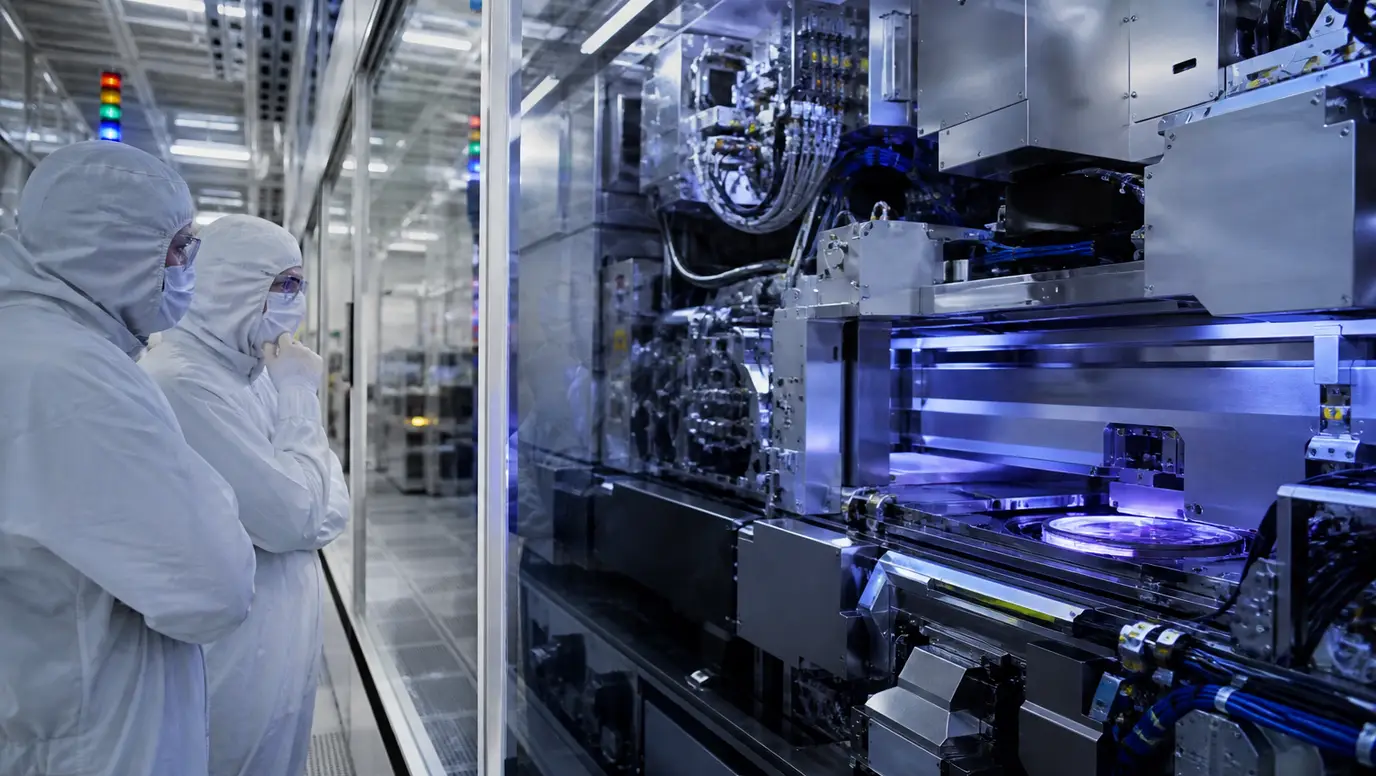
OCTOBER 14, 2026
ASML Stock Swings as AI Demand Lifts Sales Outlook and Supply Warning Caps Rally
OCTOBER 13, 2026
FTSE 100 Hits Three-Week High as Bank Stocks and Lower Gilt Yields Lift London Index
OCTOBER 13, 2026
Semiconductors Slide as Wall Street Weighs Bank Earnings and AI Rally Risk
OCTOBER 12, 2026
UnitedHealth Stock Slips as Traders Brace for Q3 Earnings and Medical-Cost Guidance
OCTOBER 11, 2026
Hang Seng Index Rebounds as Tech Stocks Lift Hong Kong Market Before China Data
OCTOBER 11, 2026
Bank Stocks Face Earnings Test as S&P 500 Rally Puts Federal Reserve in Focus
OCTOBER 10, 2026
Telecom Stocks Sink as SpaceX Spectrum Deal Resets Wireless Competition Risk
OCTOBER 10, 2026
Russell 2000 Stocks Rebound as Treasury Yields Keep Small-Cap Index on Alert
OCTOBER 9, 2026
Delta Air Lines Stock Falls as Fuel Costs Cut Into Airline Profit Outlook
OCTOBER 8, 2026
PepsiCo Stock Climbs as Earnings Beat Meets North America Warning
OCTOBER 4, 2026
Nvidia Stock Hits Record as AI Buyback Puts Cash Returns in Focus
OCTOBER 3, 2026
Synaptics Stock Jumps as onsemi Semiconductor Deal Turns to $5.7 Billion Cash Offer
OCTOBER 2, 2026
Nike Stock Slides as Revenue Miss and China Weakness Deepen Turnaround Test
OCTOBER 1, 2026
Stacks STX Jumps as Bitcoin DeFi Yield Narrative Revives Crypto Market Rotation
SEPTEMBER 30, 2026
Carnival CCL Stock Holds Rally as Record Earnings Put Cruise Shares Back in Focus
SEPTEMBER 28, 2026
Vail Resorts Stock Faces Earnings Test as Investors Watch Pass Sales and Weather Risk
SEPTEMBER 23, 2026
IonQ Stock Rally Puts Quantum Stocks Back on Wall Street's Growth Radar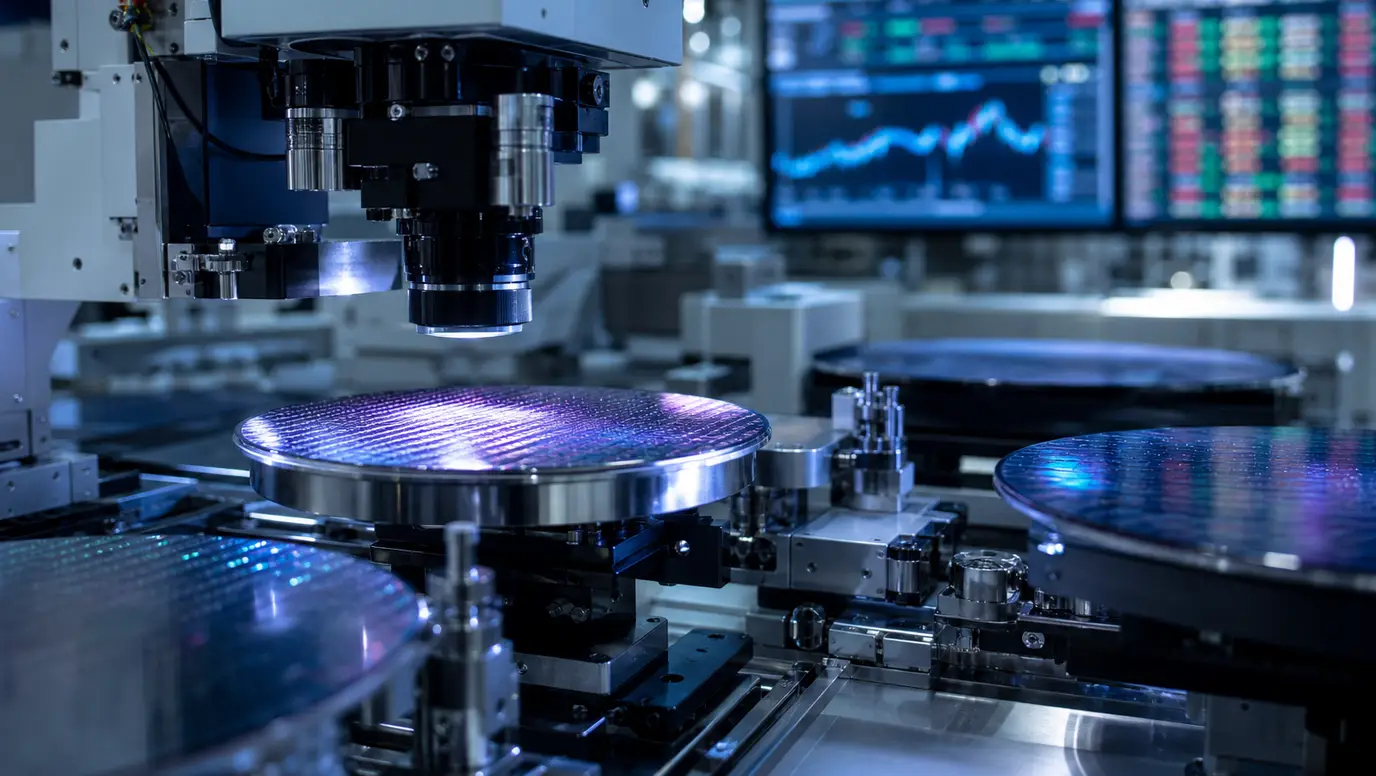
SEPTEMBER 22, 2026
AMD Holds $1 Trillion Value as AI Chip Rally Keeps Stock Market Bid
SEPTEMBER 20, 2026
Berkshire Hathaway Stock Faces Succession Test as Buffett Leaves Chair
SEPTEMBER 17, 2026
Tokenized Stocks Get SEC Green Light as Stock Market Tests Onchain Trading