
OCTOBER 24, 2026
Alphabet, Microsoft and Amazon Put Stock Market AI Spending Trade on TrialAlphabet, Microsoft and Amazon earnings could reset Wall Street’s AI trade as oil-driven inflation worries pressure stocks before the Fed.

© 1box.site 2026

AUGUST 1, 2026
Apple moved to the center of the stock market debate after its record June-quarter performance failed to stop investors from questioning whether the company can turn hardware momentum into a clearer artificial intelligence growth story. The shares weakened even as the company delivered stronger-than-expected fiscal third-quarter results, leaving traders to separate near-term iPhone demand from longer-term concerns about competitive positioning in AI.
The reaction stood out because Apple’s numbers were not weak. Revenue was reported near $109 billion, helped by double-digit growth across iPhone, Mac and Services, while management described the period as the company’s strongest June quarter. That mix normally would support a premium valuation, but the stock’s pullback showed how high the market’s bar has become for mega-cap technology names after a volatile earnings week.
Apple’s latest results pointed to broad consumer demand rather than a single-product rebound. iPhone sales were a key driver, Mac revenue improved, and Services continued to provide a recurring, high-margin anchor for the business. Geographic breadth also helped the bull case, with management highlighting growth across major regions during the quarter.
For stock market investors, the problem was less about the past quarter and more about what comes next. Apple guided to solid September-quarter revenue growth, but the outlook also included warnings about foreign-exchange pressure and tighter supply across some product categories. That kept buyers from treating the earnings beat as a simple reset higher for the stock.
Margin sensitivity also became a bigger part of the discussion. Rising memory costs have created a new pressure point for device makers, and investors are watching whether component inflation can be offset through pricing, product mix, or operating discipline. Apple’s scale gives it negotiating power, but the market is still likely to punish any sign that hardware profitability is narrowing at the same time the company needs to invest more heavily in AI features.
The stock’s decline showed that Apple is being judged by a different standard than traditional consumer electronics companies. Investors want evidence that its installed base can support a durable AI upgrade cycle, especially as other mega-cap technology firms spend aggressively on cloud infrastructure, chips and enterprise AI services. Apple’s more measured approach protects cash flow, but it also leaves the market waiting for proof that AI can become a visible revenue catalyst.
That tension makes Apple one of the most important stocks to watch in the coming sessions. A shallow pullback could attract buyers who view the company’s cash generation, Services base and iPhone franchise as defensive advantages. A deeper decline, however, would suggest that investors are no longer willing to reward record earnings without a faster AI roadmap.
The broader stock market message is clear: earnings beats alone are not enough when valuations are elevated. Apple remains financially powerful, but the next phase of the trade may depend on whether investors see its AI strategy as a disciplined advantage or a delayed response to a market that is moving faster than the iPhone cycle.
OCTOBER 24, 2026
Alphabet, Microsoft and Amazon Put Stock Market AI Spending Trade on Trial
OCTOBER 22, 2026
Nasdaq Leads Index Market Lower as AI Stocks and Oil Shock Hit Wall Street
OCTOBER 18, 2026
S&P 500 Stocks Face Breadth Test as AI Rout Collides With Earnings Week
OCTOBER 14, 2026
ASML Stock Swings as AI Demand Lifts Sales Outlook and Supply Warning Caps Rally
OCTOBER 13, 2026
Semiconductors Slide as Wall Street Weighs Bank Earnings and AI Rally Risk
OCTOBER 4, 2026
Nvidia Stock Hits Record as AI Buyback Puts Cash Returns in Focus
SEPTEMBER 22, 2026
AMD Holds $1 Trillion Value as AI Chip Rally Keeps Stock Market Bid
AUGUST 28, 2026
Broadcom Earnings Put AI Stocks and Semiconductors on Demand Watch
AUGUST 24, 2026
Nikkei 225 Index Slide Puts AI Stocks and Semiconductors on Yield Watch
AUGUST 23, 2026
Marvell Stock Faces AI Infrastructure Test as Traders Weigh Rich Chip Valuations
AUGUST 21, 2026
Nvidia Stock Rebound Puts AI Stocks on Earnings Watch as Yields Test Semiconductors
AUGUST 15, 2026
CoreWeave Stock Rally Puts AI Stocks on Margin Watch as Backlog Tops $100 Billion
AUGUST 13, 2026
Applied Materials Earnings Put AI Stocks and Semiconductors on Equipment Demand Watch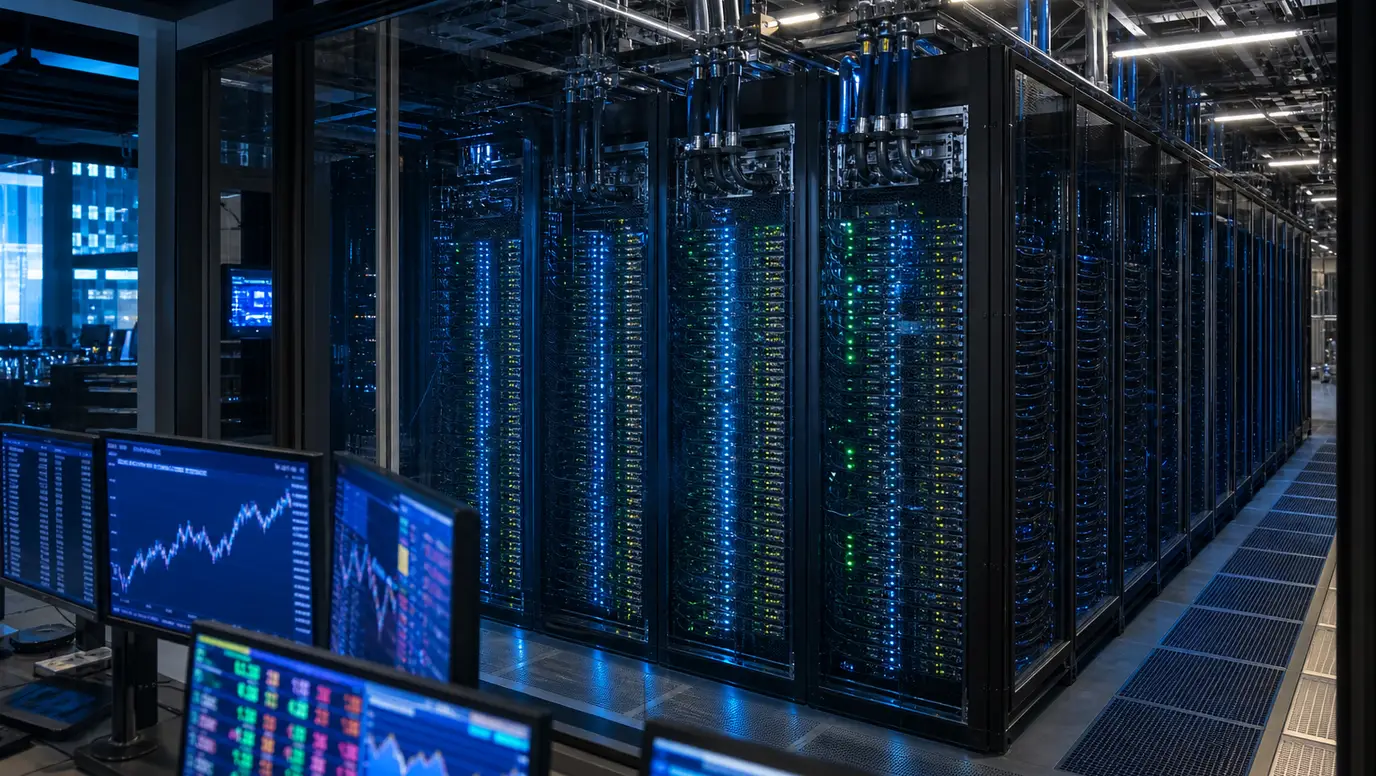
AUGUST 12, 2026
Super Micro Surge Puts AI Stocks and Semiconductors Back in Market Lead
AUGUST 10, 2026
CoreWeave Earnings Put AI Stocks on Margin Watch as Market Holds Near Records
AUGUST 8, 2026
Atlassian Stock Surge Puts AI Stocks Back in Software Spotlight
AUGUST 7, 2026
SpaceX Stock Rebounds as AI Spending and Share Unlock Test Wall Street
AUGUST 5, 2026
Palantir Stock Surge Puts AI Stocks Back on Earnings Watch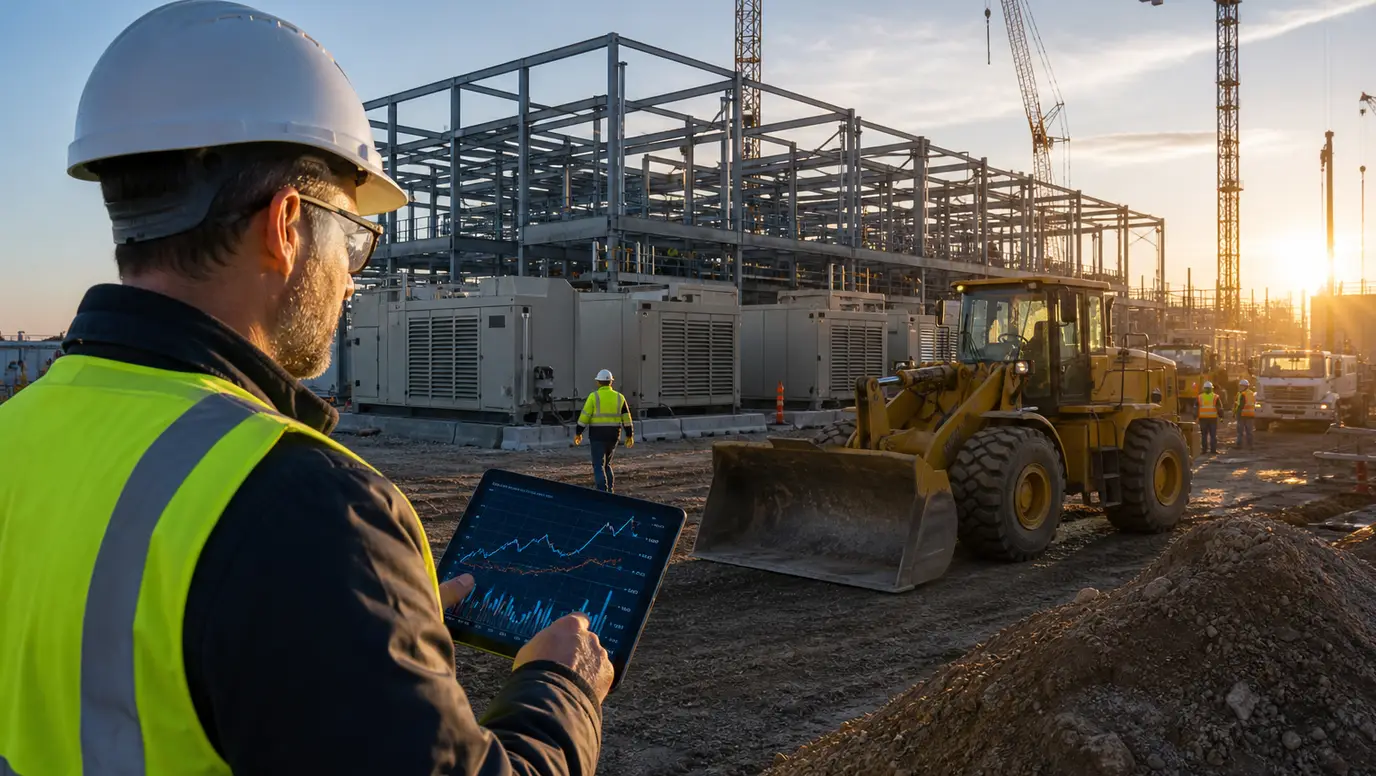
AUGUST 4, 2026
Caterpillar Stock Rally Fades as AI Power Demand Tests Industrial Stocks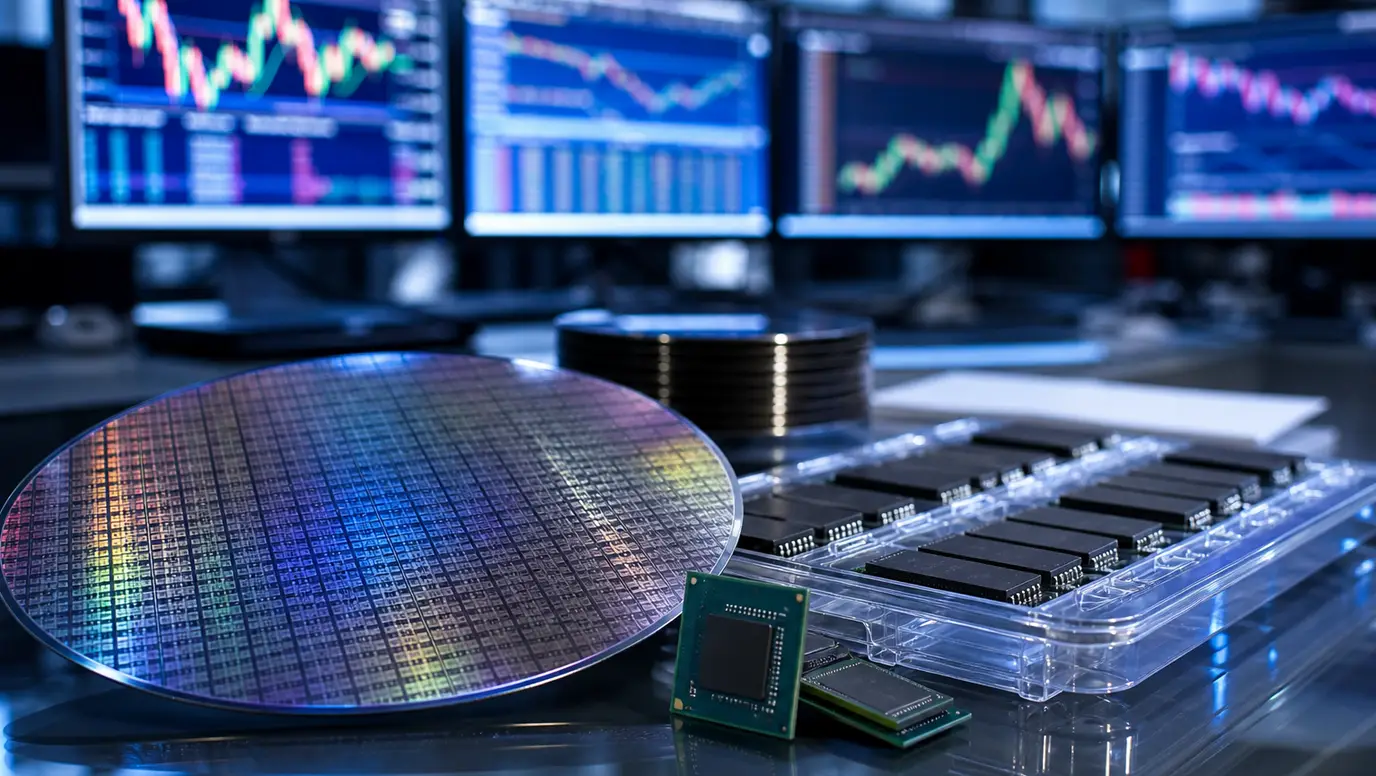
AUGUST 3, 2026
Micron Slide Tests Semiconductors and AI Stocks as Earnings Rotation Builds
AUGUST 2, 2026
Microsoft Stock Rally Puts AI Stocks on Cloud Payoff Watch
JULY 31, 2026
Amazon Stock Rally Lifts AI Stocks as AWS Growth Counters Spending Fears
JULY 30, 2026
Meta Platforms Slides as AI Costs Squeeze Profit Despite Ad Revenue Growth
JULY 26, 2026
Alphabet Cash Burn Puts AI Stocks on Cloud Spending Watch
JULY 25, 2026
Microsoft and Federal Reserve Put AI Stocks on Capex Watch
JULY 23, 2026
IBM Forecast Cut Puts AI Software Spending Risk Back on Stock Market Watch
JULY 19, 2026
Alphabet and Tesla Earnings Put Stocks on AI Reset Watch After Nasdaq Slide
JULY 18, 2026
Apple Overtakes Nvidia as Stocks Brace for AI Rotation and Earnings Test
JULY 17, 2026
Netflix Forecast Deepens Stocks Selloff as Nvidia and Micron Extend AI Rout
JULY 16, 2026
S&P 500 and Nasdaq Slip as AI Chip Stocks Test Indexes Rally