
OCTOBER 22, 2026
Nasdaq Leads Index Market Lower as AI Stocks and Oil Shock Hit Wall StreetNasdaq leads Wall Street lower as AI stock doubts and a fresh oil price spike test index market confidence after Wednesday’s rebound.

© 1box.site 2026

OCTOBER 2, 2026
Nike stock came under renewed selling pressure on Friday after the athletic apparel group delivered a quarterly revenue miss and issued a cautious sales outlook, putting the company’s turnaround plan back at the center of the stock market debate.
The move stood out in a session when broader U.S. equities were steadier after softer labor-market data eased pressure from Treasury yields. For Nike investors, however, company-specific concerns dominated: sales remain under pressure, Greater China continues to lag, and management is signaling that the reset could take longer than bullish shareholders had hoped.
Nike reported fiscal first-quarter revenue of about $11.2 billion, below market expectations, while earnings held up better than feared. The headline numbers left investors focused less on the profit beat and more on whether the company can rebuild sales momentum without sacrificing margins.
The weakest point remained Greater China, where revenue fell by more than 20% and currency-neutral trends were even softer. That decline matters because China has historically been one of Nike’s most important growth markets and a key proof point for the brand’s global pricing power.
Management also pointed to ongoing work in Nike Sportswear, Jordan Brand and the China business. That language suggests the company is still clearing product, channel and demand issues that have weighed on the stock for several years.
The larger concern for the stock market was Nike’s fiscal 2027 outlook. The company expects revenue to decline by a high-single-digit percentage and projected adjusted earnings per share below what many investors had penciled in before the update.
Nike also outlined a restructuring effort designed to generate roughly $2.5 billion in cumulative savings through fiscal 2031. Cost savings may help protect profitability over time, but the long timetable means shareholders may demand clearer evidence that demand is stabilizing before assigning a higher valuation to the stock.
The selloff shows that Nike is no longer being treated as a simple brand-recovery story. Investors are now weighing the strength of the franchise against weaker China demand, intensifying competition, a reset in key product lines and the risk that cost cutting may not quickly translate into faster growth.
For traders, the next key test is whether Nike can defend support after the earnings-driven drop. A sustained rebound would likely require signs that inventory is healthier, wholesale partnerships are improving and China sales are no longer deteriorating at the current pace.
For longer-term investors, the issue is valuation versus execution risk. Nike still owns one of the world’s best-known consumer brands, but the latest report reinforces that brand strength alone is not enough to offset slowing revenue and a cautious full-year outlook.
Until sales trends turn more convincing, Nike stock may continue to trade as a turnaround name rather than a premium growth stock. That makes upcoming updates on China, Jordan Brand demand and restructuring progress critical for market sentiment.
OCTOBER 22, 2026
Nasdaq Leads Index Market Lower as AI Stocks and Oil Shock Hit Wall Street
OCTOBER 22, 2026
Tesla Stock Falls as Profit Drop and SpaceX Merger Questions Eclipse Robotaxi Progress
OCTOBER 21, 2026
Russell 2000 Index Outruns Wall Street as Earnings Breadth Counters Tech Drag
OCTOBER 21, 2026
Netflix Stock Slide Puts Media Stocks on Wall Street Alert as Ad Forecast Is Cut
OCTOBER 20, 2026
GE Aerospace and RTX Lift Industrial Stocks as Earnings Beats Reset Wall Street
OCTOBER 18, 2026
S&P 500 Stocks Face Breadth Test as AI Rout Collides With Earnings Week
OCTOBER 18, 2026
Bank Stocks Find Earnings Support as Consumer Spending Eases Credit Fears
OCTOBER 17, 2026
Airline Stocks Face Fuel-Cost Test as Earnings Season Moves Beyond AI
OCTOBER 16, 2026
Tesla Stock Rises as Roadster Reveal Gives EV Stocks a Break From AI Rout
OCTOBER 15, 2026
Morgan Stanley Stock Slips as Record Wealth Revenue Fails to Offset Cost Worries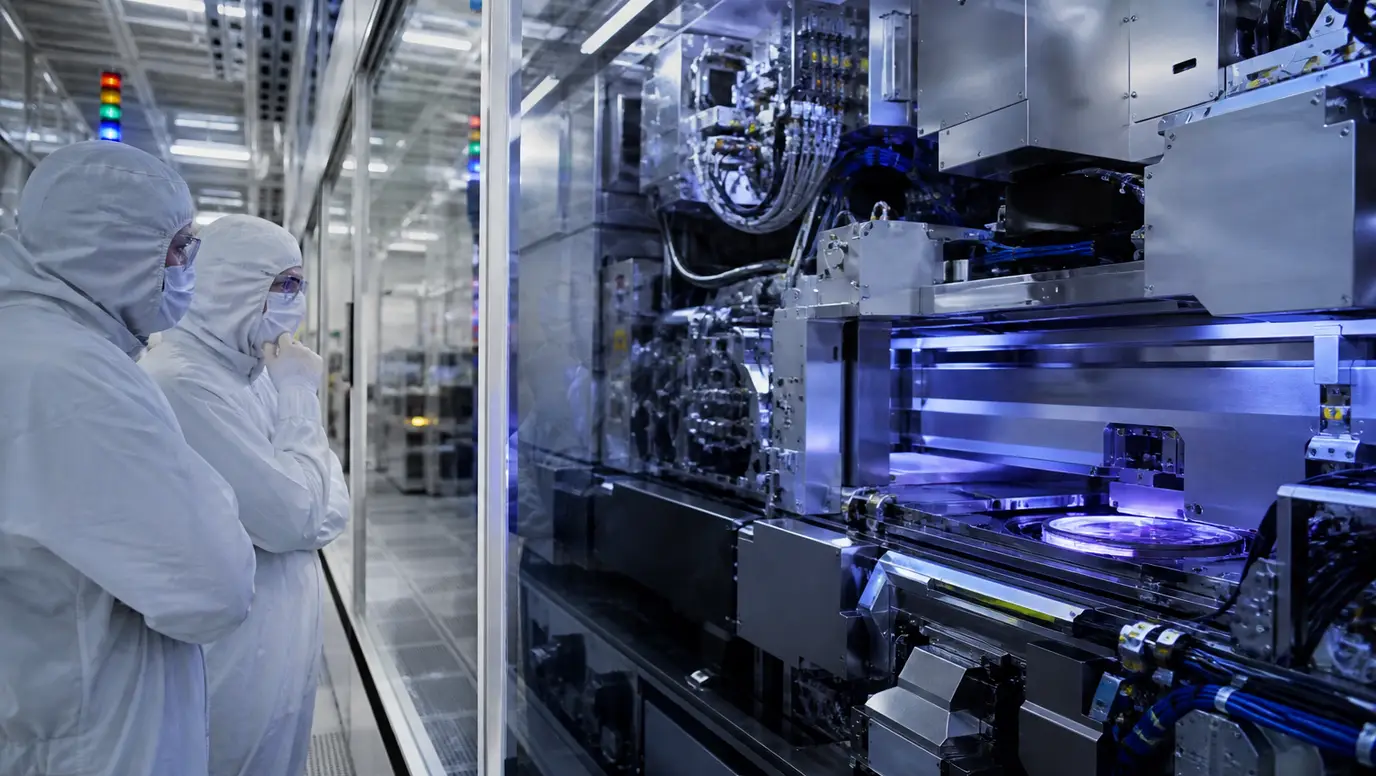
OCTOBER 14, 2026
ASML Stock Swings as AI Demand Lifts Sales Outlook and Supply Warning Caps Rally
OCTOBER 13, 2026
FTSE 100 Hits Three-Week High as Bank Stocks and Lower Gilt Yields Lift London Index
OCTOBER 13, 2026
Semiconductors Slide as Wall Street Weighs Bank Earnings and AI Rally Risk
OCTOBER 12, 2026
UnitedHealth Stock Slips as Traders Brace for Q3 Earnings and Medical-Cost Guidance
OCTOBER 11, 2026
Hang Seng Index Rebounds as Tech Stocks Lift Hong Kong Market Before China Data
OCTOBER 11, 2026
Bank Stocks Face Earnings Test as S&P 500 Rally Puts Federal Reserve in Focus
OCTOBER 10, 2026
Telecom Stocks Sink as SpaceX Spectrum Deal Resets Wireless Competition Risk
OCTOBER 10, 2026
Russell 2000 Stocks Rebound as Treasury Yields Keep Small-Cap Index on Alert
OCTOBER 9, 2026
Delta Air Lines Stock Falls as Fuel Costs Cut Into Airline Profit Outlook
OCTOBER 8, 2026
PepsiCo Stock Climbs as Earnings Beat Meets North America Warning
OCTOBER 4, 2026
Nvidia Stock Hits Record as AI Buyback Puts Cash Returns in Focus
OCTOBER 3, 2026
Synaptics Stock Jumps as onsemi Semiconductor Deal Turns to $5.7 Billion Cash Offer
OCTOBER 1, 2026
Stacks STX Jumps as Bitcoin DeFi Yield Narrative Revives Crypto Market Rotation
SEPTEMBER 30, 2026
Carnival CCL Stock Holds Rally as Record Earnings Put Cruise Shares Back in Focus
SEPTEMBER 28, 2026
Vail Resorts Stock Faces Earnings Test as Investors Watch Pass Sales and Weather Risk
SEPTEMBER 23, 2026
IonQ Stock Rally Puts Quantum Stocks Back on Wall Street's Growth Radar
SEPTEMBER 22, 2026
AMD Holds $1 Trillion Value as AI Chip Rally Keeps Stock Market Bid
SEPTEMBER 20, 2026
Berkshire Hathaway Stock Faces Succession Test as Buffett Leaves Chair
SEPTEMBER 17, 2026
Tokenized Stocks Get SEC Green Light as Stock Market Tests Onchain Trading
SEPTEMBER 5, 2026
Lululemon Stock Slumps as Guidance Cut Puts Retail Stocks on Demand Watch