
OCTOBER 16, 2026
Tesla Stock Rises as Roadster Reveal Gives EV Stocks a Break From AI RoutTesla stock trades higher after the Roadster reveal, giving EV stocks a fresh catalyst as Wall Street rotates away from AI risk.

© 1box.site 2026

AUGUST 2, 2026
Microsoft has moved back to the center of the stock market's artificial intelligence trade after a stronger-than-expected quarterly report turned investor attention from the cost of AI infrastructure to the revenue it is beginning to produce.
The shares recently traded near $464.72, leaving Microsoft with a market value of roughly $3.46 trillion. The advance followed a sharp post-earnings surge as investors responded to faster Azure growth, expanding cloud revenue and evidence that corporate demand for AI services remains resilient even as the broader market questions the durability of expensive data center spending.
For equity traders, the reaction matters beyond one mega-cap name. Microsoft is increasingly being treated as a test case for whether large technology companies can convert heavy AI capital expenditure into durable earnings growth. The latest results gave bulls fresh support, but they also raised the bar for future quarters.
Microsoft reported fiscal fourth-quarter revenue of $90.0 billion, up 18% from a year earlier, with operating income rising to $40.6 billion. Diluted earnings per share reached $4.81 on a GAAP basis and $4.74 on a non-GAAP basis, helped by strong demand across cloud and AI-linked services.
The most important figure for stock-market sentiment was Azure and other cloud services revenue growth of 43%. Microsoft Cloud revenue rose 27% to $59.3 billion, while commercial remaining performance obligations climbed 84% to $678 billion, giving investors a clearer line of sight into contracted future demand.
That combination helped ease one of the market's biggest concerns: that AI infrastructure spending could run ahead of monetization. The latest numbers suggest customers are still expanding cloud workloads, buying AI tools and committing to longer-term enterprise agreements. In that environment, Microsoft stock is being rewarded not just for growth, but for showing that growth can arrive alongside sizable profit expansion.
The rally also highlights how selective the AI trade has become. Investors have recently punished companies where AI spending appears to pressure margins without a clear near-term payoff. Microsoft, by contrast, delivered a quarter in which AI-related demand supported both revenue growth and earnings momentum, making the stock a fresh benchmark for other large-cap technology names.
Still, the market reaction leaves less room for disappointment. A higher share price means investors will be watching closely for any slowdown in Azure, signs of weaker enterprise software demand, or guidance that suggests infrastructure costs are rising faster than expected. The More Personal Computing segment also remained a softer spot, with revenue down 4%, showing that not every part of the business is contributing equally to the rally.
For now, the message from the stock market is clear: investors are willing to support premium valuations when AI spending is backed by visible cloud revenue, expanding order books and strong earnings conversion. Microsoft has delivered that evidence in the latest quarter, putting its shares at the center of the next phase of the AI stocks debate.
The next test will be whether Microsoft can sustain Azure momentum into the new fiscal year while managing the capital intensity of AI data centers. Traders will also monitor whether the company's cloud strength lifts confidence across software, semiconductor and data infrastructure stocks, or whether the rally remains concentrated in a narrow group of proven AI winners.
If the company continues to show that AI demand is translating into paid usage and stronger cloud commitments, Microsoft could remain a stabilizing force for large-cap technology sentiment. If growth slows, however, the same earnings report that reset expectations higher may become the standard against which future disappointments are measured.
OCTOBER 16, 2026
Tesla Stock Rises as Roadster Reveal Gives EV Stocks a Break From AI Rout
OCTOBER 15, 2026
Morgan Stanley Stock Slips as Record Wealth Revenue Fails to Offset Cost Worries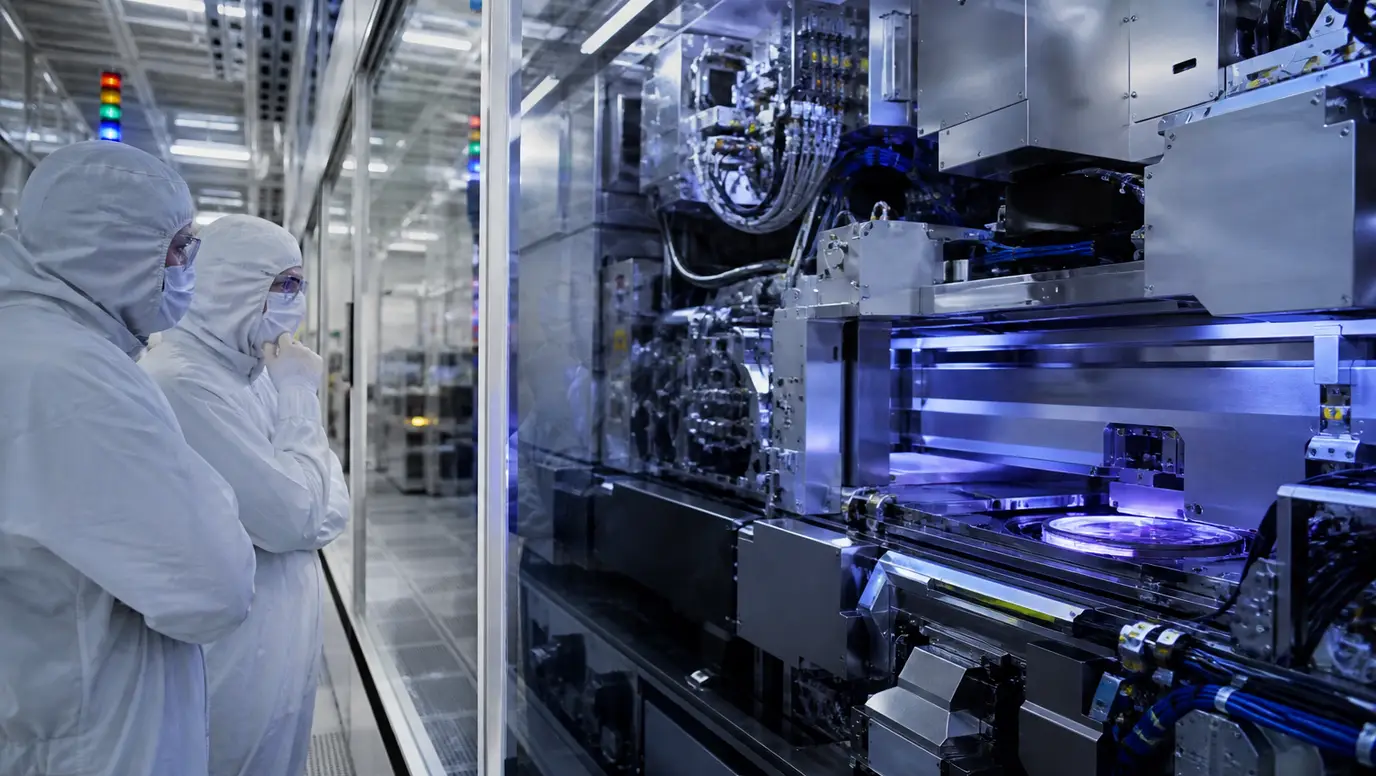
OCTOBER 14, 2026
ASML Stock Swings as AI Demand Lifts Sales Outlook and Supply Warning Caps Rally
OCTOBER 13, 2026
FTSE 100 Hits Three-Week High as Bank Stocks and Lower Gilt Yields Lift London Index
OCTOBER 13, 2026
Semiconductors Slide as Wall Street Weighs Bank Earnings and AI Rally Risk
OCTOBER 12, 2026
UnitedHealth Stock Slips as Traders Brace for Q3 Earnings and Medical-Cost Guidance
OCTOBER 11, 2026
Hang Seng Index Rebounds as Tech Stocks Lift Hong Kong Market Before China Data
OCTOBER 11, 2026
Bank Stocks Face Earnings Test as S&P 500 Rally Puts Federal Reserve in Focus
OCTOBER 10, 2026
Telecom Stocks Sink as SpaceX Spectrum Deal Resets Wireless Competition Risk
OCTOBER 10, 2026
Russell 2000 Stocks Rebound as Treasury Yields Keep Small-Cap Index on Alert
OCTOBER 9, 2026
Delta Air Lines Stock Falls as Fuel Costs Cut Into Airline Profit Outlook
OCTOBER 8, 2026
PepsiCo Stock Climbs as Earnings Beat Meets North America Warning
OCTOBER 4, 2026
Nvidia Stock Hits Record as AI Buyback Puts Cash Returns in Focus
OCTOBER 3, 2026
Synaptics Stock Jumps as onsemi Semiconductor Deal Turns to $5.7 Billion Cash Offer
OCTOBER 2, 2026
Nike Stock Slides as Revenue Miss and China Weakness Deepen Turnaround Test
OCTOBER 1, 2026
Stacks STX Jumps as Bitcoin DeFi Yield Narrative Revives Crypto Market Rotation
SEPTEMBER 30, 2026
Carnival CCL Stock Holds Rally as Record Earnings Put Cruise Shares Back in Focus
SEPTEMBER 28, 2026
Vail Resorts Stock Faces Earnings Test as Investors Watch Pass Sales and Weather Risk
SEPTEMBER 23, 2026
IonQ Stock Rally Puts Quantum Stocks Back on Wall Street's Growth Radar
SEPTEMBER 22, 2026
AMD Holds $1 Trillion Value as AI Chip Rally Keeps Stock Market Bid
SEPTEMBER 20, 2026
Berkshire Hathaway Stock Faces Succession Test as Buffett Leaves Chair
SEPTEMBER 17, 2026
Tokenized Stocks Get SEC Green Light as Stock Market Tests Onchain Trading
SEPTEMBER 5, 2026
Lululemon Stock Slumps as Guidance Cut Puts Retail Stocks on Demand Watch
AUGUST 31, 2026
GameStop Stock Jumps as Preliminary Profit Outlook Offsets Sales Drop
AUGUST 29, 2026
PayPal Stock Slide Puts Fintech Stocks on Takeover Premium Watch After Stripe Walkaway
AUGUST 28, 2026
Broadcom Earnings Put AI Stocks and Semiconductors on Demand Watch
AUGUST 27, 2026
Russell 2000 Stalls as Treasury Yields Revive Federal Reserve Risk for Small-Cap Stocks
AUGUST 26, 2026
Intuit Stock Slide Puts Software Stocks on Guidance Watch After Fiscal 2027 Outlook
AUGUST 25, 2026
Dick's Sporting Goods Stock Slide Puts Retail Stocks on Foot Locker Watch
AUGUST 24, 2026
Nikkei 225 Index Slide Puts AI Stocks and Semiconductors on Yield Watch