
OCTOBER 18, 2026
S&P 500 Stocks Face Breadth Test as AI Rout Collides With Earnings WeekS&P 500 stocks enter a key earnings stretch after a tech-led selloff exposed weaker breadth and renewed valuation risk.

© 1box.site 2026

JULY 30, 2026
Meta Platforms moved to the center of the stock market’s latest earnings test after its second-quarter report showed that advertising demand remained strong, but profit was pressured by a sharp increase in costs tied to artificial intelligence, infrastructure and corporate spending.
The Facebook, Instagram and WhatsApp parent reported revenue of about $60.8 billion for the quarter, up strongly from a year earlier and slightly ahead of market expectations. Earnings per share, however, came in below consensus estimates as expenses rose much faster than sales. The stock traded lower in extended dealing, extending investor concern that the AI investment cycle is beginning to weigh more heavily on margins across large-cap technology stocks.
The reaction was not a simple rejection of Meta’s core business. The company’s advertising engine continues to benefit from improved targeting tools, higher engagement and resilient demand from marketers. Instead, the selloff reflected a more selective market view: investors are increasingly willing to reward AI spending only when it is paired with clear near-term profit expansion.
Meta’s latest numbers underline the central debate facing AI stocks in 2026. Management has argued that heavy investment in data centers, servers, chips and AI talent is necessary to defend the company’s platforms and build new revenue opportunities. Traders, however, are now asking how quickly those investments can convert into measurable earnings growth.
Total expenses rose to roughly $42 billion in the quarter, a much faster pace than revenue growth. That shift put operating leverage under pressure and made the profit miss more important than the top-line beat. For a stock that had been priced partly on expectations of efficient AI-driven ad improvements, the widening cost base raises the bar for future quarters.
Capital expenditure guidance also remains a key pressure point. Meta now expects 2026 capital spending in a range of about $130 billion to $145 billion, reflecting a continued buildout of AI infrastructure. While that spending may support better recommendation systems, business messaging tools, generative AI products and future computing platforms, it also means cash flow discipline will remain under close scrutiny.
The negative share-price reaction does not erase Meta’s underlying revenue momentum. Advertising remains the company’s dominant profit engine, and the latest quarter suggested that marketers are still spending across its family of apps. That provides a cushion that many smaller AI-linked companies do not have.
For equity investors, the issue is valuation discipline rather than business weakness. Meta’s scale, user reach and ad data give it a strong competitive position, but the stock market is becoming less tolerant of open-ended AI budgets. If management can show that AI tools are lifting ad conversion, user engagement and pricing power, the cost debate could ease. If not, margins may remain the dominant narrative.
The guidance for the next quarter will be watched closely because it offers a first look at whether the company can balance elevated investment with continued revenue acceleration. A stronger outlook would support the argument that AI spending is protecting and expanding the core franchise. A softer outlook would reinforce fears that Big Tech’s AI race is becoming more expensive before it becomes more profitable.
Meta’s report arrived during a heavy earnings week for mega-cap technology, making its selloff important beyond one company. The broader stock market has been rotating between confidence in AI-led growth and concern that higher spending, interest-rate uncertainty and stretched valuations could limit upside.
That makes Meta a useful test case for the next phase of the AI trade. Investors are no longer treating AI investment as automatically bullish. They are separating companies that can fund the buildout from existing cash flows from those that need external capital or rely on distant revenue opportunities.
For now, Meta remains a profitable advertising giant with significant AI ambitions. The stock’s decline shows that the market is demanding more proof that those ambitions can lift earnings, not just expand the expense line. Until that proof becomes clearer, Meta Platforms may stay on margin watch even as its ad business continues to grow.
OCTOBER 18, 2026
S&P 500 Stocks Face Breadth Test as AI Rout Collides With Earnings Week
OCTOBER 18, 2026
Bank Stocks Find Earnings Support as Consumer Spending Eases Credit Fears
OCTOBER 17, 2026
Airline Stocks Face Fuel-Cost Test as Earnings Season Moves Beyond AI
OCTOBER 16, 2026
Tesla Stock Rises as Roadster Reveal Gives EV Stocks a Break From AI Rout
OCTOBER 15, 2026
Morgan Stanley Stock Slips as Record Wealth Revenue Fails to Offset Cost Worries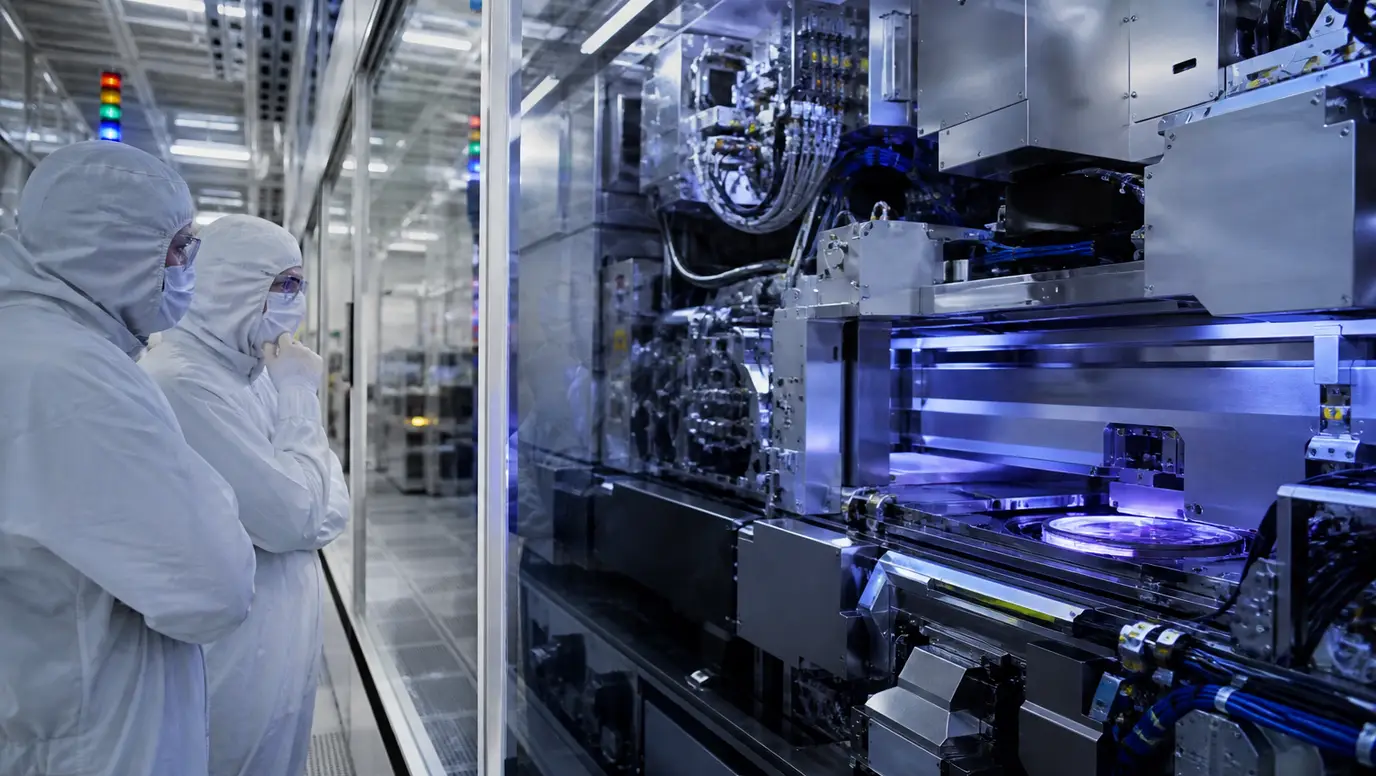
OCTOBER 14, 2026
ASML Stock Swings as AI Demand Lifts Sales Outlook and Supply Warning Caps Rally
OCTOBER 13, 2026
FTSE 100 Hits Three-Week High as Bank Stocks and Lower Gilt Yields Lift London Index
OCTOBER 13, 2026
Semiconductors Slide as Wall Street Weighs Bank Earnings and AI Rally Risk
OCTOBER 12, 2026
UnitedHealth Stock Slips as Traders Brace for Q3 Earnings and Medical-Cost Guidance
OCTOBER 11, 2026
Hang Seng Index Rebounds as Tech Stocks Lift Hong Kong Market Before China Data
OCTOBER 11, 2026
Bank Stocks Face Earnings Test as S&P 500 Rally Puts Federal Reserve in Focus
OCTOBER 10, 2026
Telecom Stocks Sink as SpaceX Spectrum Deal Resets Wireless Competition Risk
OCTOBER 10, 2026
Russell 2000 Stocks Rebound as Treasury Yields Keep Small-Cap Index on Alert
OCTOBER 9, 2026
Delta Air Lines Stock Falls as Fuel Costs Cut Into Airline Profit Outlook
OCTOBER 8, 2026
PepsiCo Stock Climbs as Earnings Beat Meets North America Warning
OCTOBER 4, 2026
Nvidia Stock Hits Record as AI Buyback Puts Cash Returns in Focus
OCTOBER 3, 2026
Synaptics Stock Jumps as onsemi Semiconductor Deal Turns to $5.7 Billion Cash Offer
OCTOBER 2, 2026
Nike Stock Slides as Revenue Miss and China Weakness Deepen Turnaround Test
OCTOBER 1, 2026
Stacks STX Jumps as Bitcoin DeFi Yield Narrative Revives Crypto Market Rotation
SEPTEMBER 30, 2026
Carnival CCL Stock Holds Rally as Record Earnings Put Cruise Shares Back in Focus
SEPTEMBER 28, 2026
Vail Resorts Stock Faces Earnings Test as Investors Watch Pass Sales and Weather Risk
SEPTEMBER 23, 2026
IonQ Stock Rally Puts Quantum Stocks Back on Wall Street's Growth Radar
SEPTEMBER 22, 2026
AMD Holds $1 Trillion Value as AI Chip Rally Keeps Stock Market Bid
SEPTEMBER 20, 2026
Berkshire Hathaway Stock Faces Succession Test as Buffett Leaves Chair
SEPTEMBER 17, 2026
Tokenized Stocks Get SEC Green Light as Stock Market Tests Onchain Trading
SEPTEMBER 5, 2026
Lululemon Stock Slumps as Guidance Cut Puts Retail Stocks on Demand Watch
AUGUST 31, 2026
GameStop Stock Jumps as Preliminary Profit Outlook Offsets Sales Drop
AUGUST 29, 2026
PayPal Stock Slide Puts Fintech Stocks on Takeover Premium Watch After Stripe Walkaway
AUGUST 28, 2026
Broadcom Earnings Put AI Stocks and Semiconductors on Demand Watch
AUGUST 27, 2026
Russell 2000 Stalls as Treasury Yields Revive Federal Reserve Risk for Small-Cap Stocks