
JULY 6, 2026
Gold Pullback and Copper Resilience Split Metals Market as Dollar StabilizesGold slipped from a two-week high while copper held firm, leaving metals traders focused on the dollar, yields and industrial demand.

© 1box.site 2026
JUNE 16, 2026
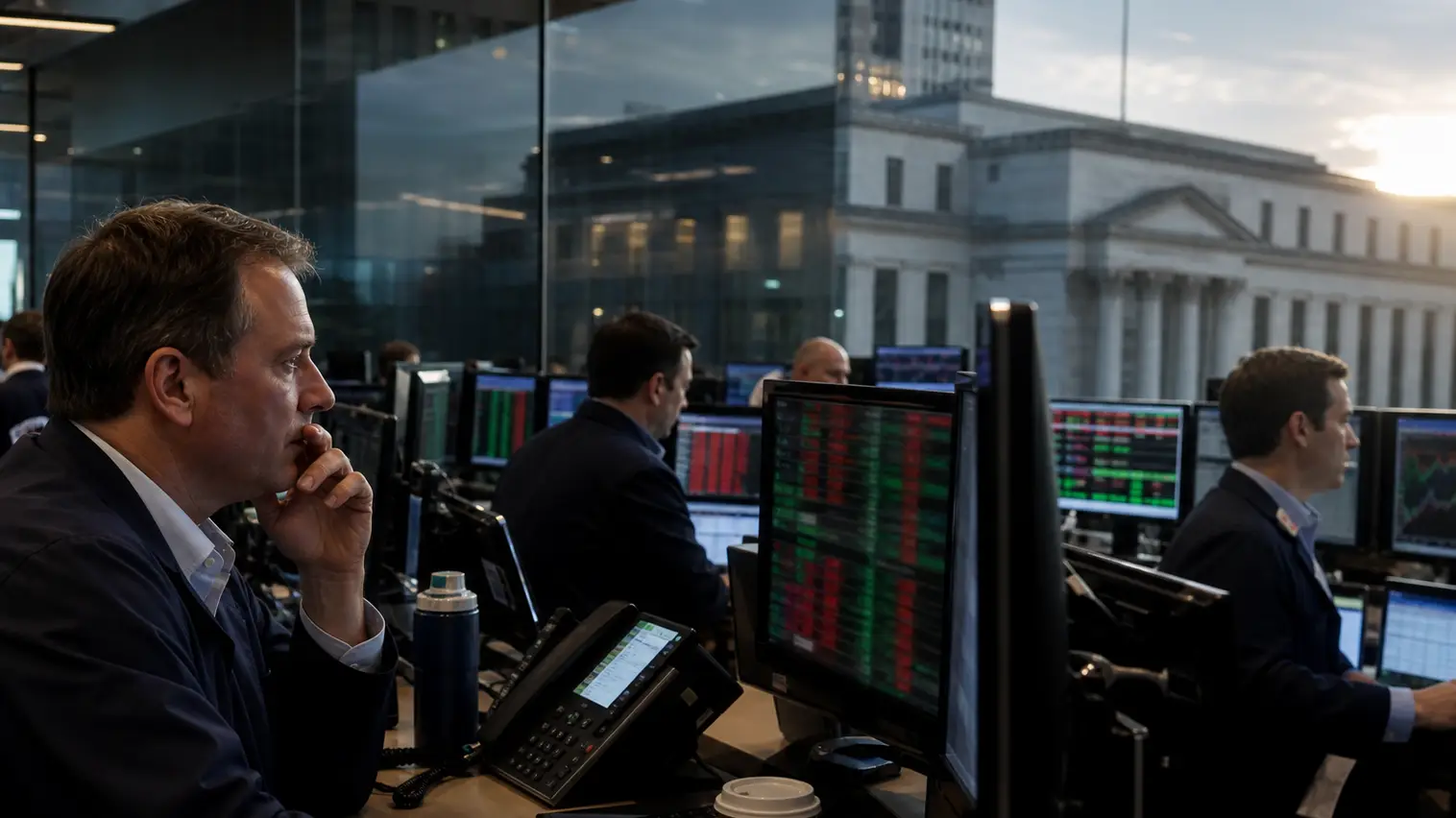
U.S. stock futures paused on Tuesday, June 16, as investors shifted from a powerful relief rally into a more selective phase ahead of the Federal Reserve’s June policy decision. The hesitation followed a sharp advance in which the S&P 500 gained ground, the Nasdaq outperformed on renewed demand for growth shares, and the Dow Jones Industrial Average pushed to a record close.
The stock market’s latest test is not simply whether buyers can extend the rebound. Traders are now weighing whether the rally has moved too far, too quickly before the first Federal Reserve meeting chaired by Kevin Warsh. Rate expectations, Treasury yields and the tone of the central bank’s projections are likely to decide whether Monday’s broad risk-on move turns into a durable breakout or a short-covering burst.
The Federal Reserve is widely expected to keep interest rates unchanged at its June 16-17 meeting, leaving investors focused on the statement, the updated economic projections and the press conference. The market is especially sensitive to any signal that policymakers see inflation risks as persistent enough to delay easing, or growth risks as serious enough to justify a more dovish stance later in the year.
For equities, the distinction matters. A steady-rate decision paired with cautious language could keep pressure on long-duration growth stocks, particularly if Treasury yields rise. A message that acknowledges softer growth or improving inflation trends could help preserve the bid for technology, communication services and other rate-sensitive groups.
The S&P 500 enters the meeting with stronger technical momentum than it had earlier in the month, but the index is also more vulnerable to disappointment after its quick recovery. A shallow pullback would not necessarily damage the uptrend, but a hawkish surprise could expose crowded positioning in the largest growth names.
The Nasdaq’s outperformance remains tied to the durability of the artificial intelligence trade. Semiconductor and cloud-infrastructure shares continue to attract institutional capital, supported by expectations for strong data-center spending and resilient demand for advanced computing capacity.
That leadership, however, also raises the bar for further gains. Valuations in several AI-linked stocks already reflect high earnings expectations, making the group more sensitive to changes in discount rates and any signs that capital expenditure growth is slowing. If the Fed keeps yields elevated, the market may become less willing to pay premium multiples for future growth.
Investors are also watching whether the rally can broaden beyond mega-cap technology. A healthier advance would include stronger participation from industrials, financials, consumer discretionary shares and small caps. Without that breadth, the S&P 500 may remain dependent on a narrow group of winners, leaving the broader stock market exposed to profit-taking if AI momentum cools.
The Dow’s record close shows that the rally is not limited entirely to high-growth technology. Blue-chip shares benefited from improved risk appetite and lower immediate concern over energy-driven inflation pressure. Companies with heavy transportation, manufacturing and consumer exposure were among the clearest beneficiaries of the calmer macro backdrop.
Still, the premarket pause suggests investors are not ready to chase every cyclical sector ahead of the Fed. Banks need a yield curve that supports lending margins without signaling recession risk. Industrials need confirmation that global demand remains firm. Consumer shares need evidence that household spending can absorb elevated borrowing costs.
That leaves the market in a balanced but fragile position. The bullish case is that easing geopolitical stress, stable earnings expectations and continued AI investment can keep buyers engaged. The bearish case is that sticky inflation, elevated valuations and a cautious Fed could turn the latest rally into another failed breakout attempt.
The immediate focus is on whether the S&P 500 can hold recent gains while Nasdaq leaders digest their latest surge. A firm close above the prior rally zone would support the view that institutional buyers are still adding risk. A reversal led by technology would suggest that traders are locking in profits before the Fed provides clearer guidance.
Treasury yields are the key cross-market signal. Falling yields would likely support growth stocks and help the Nasdaq maintain leadership. Rising yields could rotate money toward value shares, cash-generating blue chips and defensive sectors while challenging the most expensive parts of the market.
For now, Wall Street is treating the Fed meeting as a confirmation test. The rally has improved sentiment, but the next move depends on whether policy guidance validates the market’s optimism. Until that clarity arrives, stock futures may remain choppy, with traders favoring disciplined exposure over aggressive buying after Monday’s sharp advance.
JULY 6, 2026
Gold Pullback and Copper Resilience Split Metals Market as Dollar Stabilizes
JULY 6, 2026
Nasdaq Leads Index Market Rebound as Chip Recovery Offsets Dow Drift
JULY 5, 2026
Copper Tariff Delay Keeps Metals Market on Edge as Gold Holds Jobs-Report Rebound
JULY 5, 2026
Dollar Rebound Puts Forex Market on Fed Minutes Watch After Payroll Shock
JULY 4, 2026
Silver and Zinc Lead Broad Metals Rally as Dollar Weakness Extends Holiday Bounce
JULY 4, 2026
Nasdaq Weakness Puts Index Market Breadth Back in Focus as Dow Rotation Holds
JULY 3, 2026
Dow Record Sets Up Global Index Rally as U.S. Holiday Thins Trading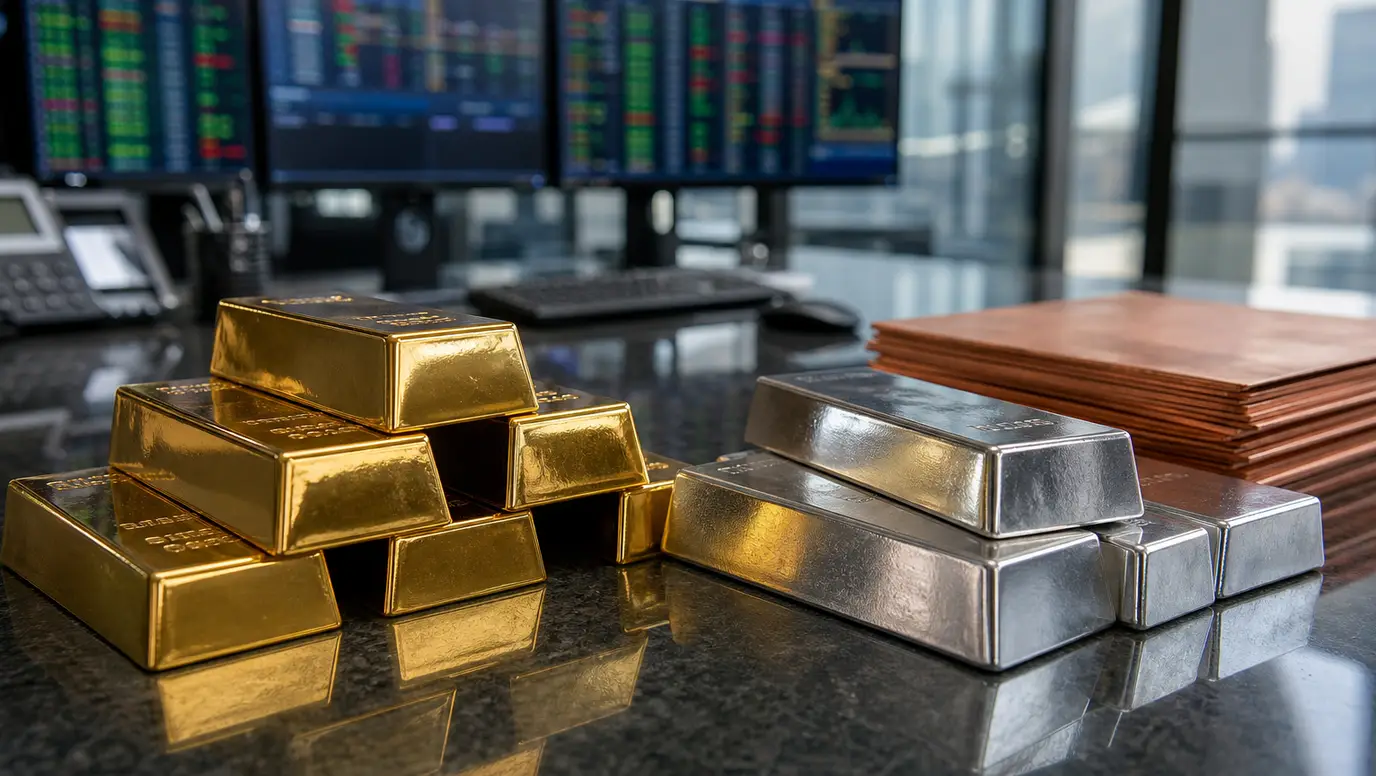
JULY 2, 2026
Gold and Silver Regain Momentum as Softer Jobs Signals Pull Yields Lower
JULY 2, 2026
Euro and Pound Rally as Weak June Payrolls Knock the Dollar Lower
JULY 2, 2026
S&P 500 Firms as Dow Outruns Nasdaq After June Payroll Shock
JULY 2, 2026
Stock Market Rises as Soft June Jobs Data Eases Fed Hike Fears
JULY 1, 2026
Dollar Fades After Fed Inflation Signal as Yen Intervention Risk Grips Forex Market
JULY 1, 2026
S&P 500 Wavers as Nasdaq Drag Shows Yield Risk After Strong Quarter
JUNE 30, 2026
Gold Nears Worst Quarter Since 2013 as Fed Bets Reprice Metals Market
JUNE 30, 2026
S&P 500 Edges Higher as Nasdaq Leads Cautious Index Market Into Jobs Data
JUNE 30, 2026
Dollar Keeps Forex Market on Edge as Jobs Data Looms and Yen Risk Spreads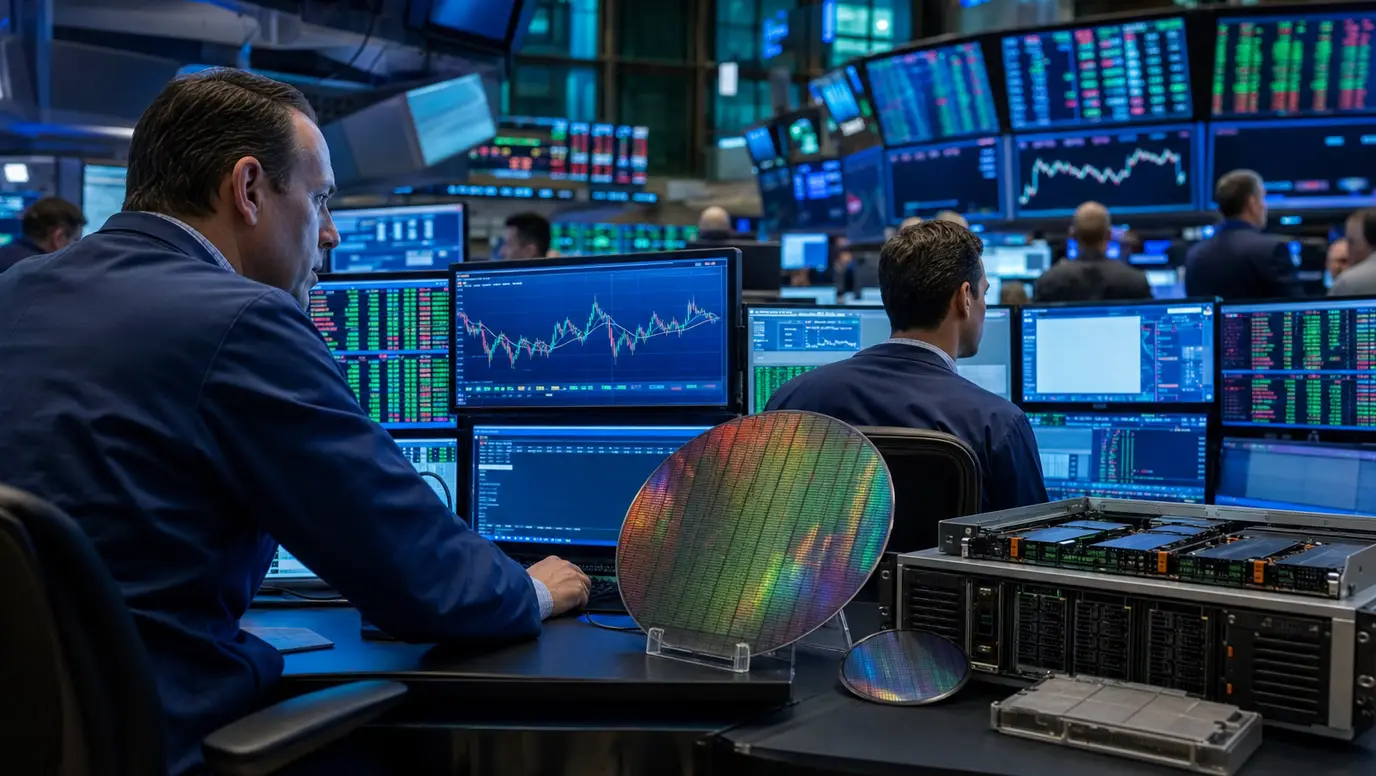
JUNE 30, 2026
AI Stocks Lead Wall Street Rebound as Nvidia and Micron Steady Chip Trade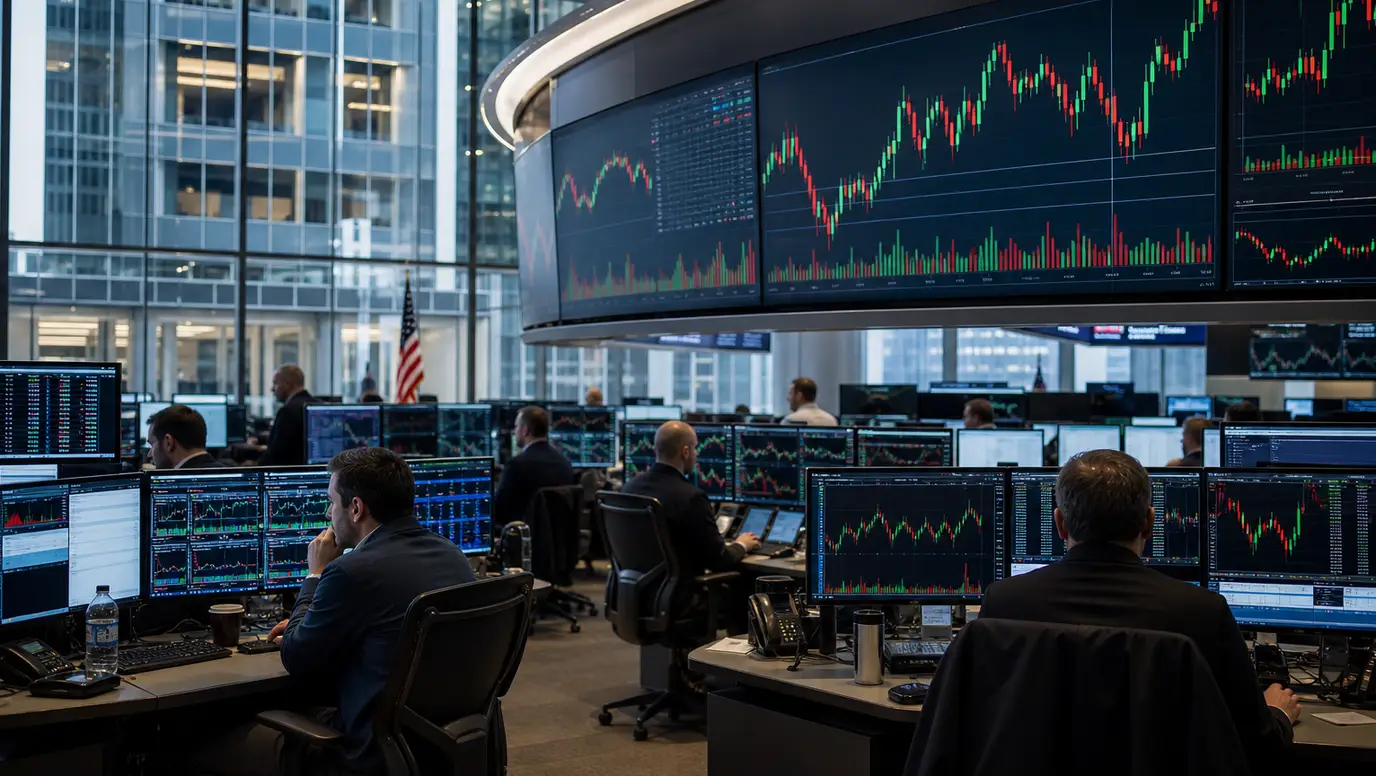
JUNE 29, 2026
S&P 500 Rebound Lifts Index Market as Nasdaq Recovers and Russell 2000 Lags
JUNE 28, 2026
Yen Watch Dominates Forex Market as Quarter-End Flows Test Dollar Rally
JUNE 28, 2026
Copper Tariff Deadline Overtakes Gold Rebound as Metals Market Enters Quarter-End
JUNE 28, 2026
AI Stocks Keep Wall Street on Defense as Oil Relief Meets Quarter-End Positioning
JUNE 27, 2026
S&P 500 Slips Despite Better Breadth as AI Drag Reshapes Index Market
JUNE 26, 2026
Yen Finds Weekend Bid as Dollar Pullback Shifts Forex Focus to Intervention Risk
JUNE 25, 2026
Gold Break Below $4,000 Keeps Metals Market on Dollar and Rate Alert
JUNE 25, 2026
Euro Slides Below $1.14 as PCE Relief Fails to Break Dollar’s Forex Grip
JUNE 25, 2026
Nasdaq Rebound Puts Index Market Breadth Back in Focus as Chip Rally Meets Rate Risk
JUNE 23, 2026
Dollar Firms as Pound Whipsaws and Euro Slips on Fed Rate Premium
JUNE 23, 2026
Nasdaq Slide Tests S&P 500 as Dow Resilience Highlights Index Rotation
JUNE 22, 2026
Copper Leads Metals Watch as Gold Waits for Dollar and Yield Break
JUNE 22, 2026
Yen Carry Trade Stays Hot as Dollar Bulls Test Tokyo’s Limits