OCTOBER 24, 2026
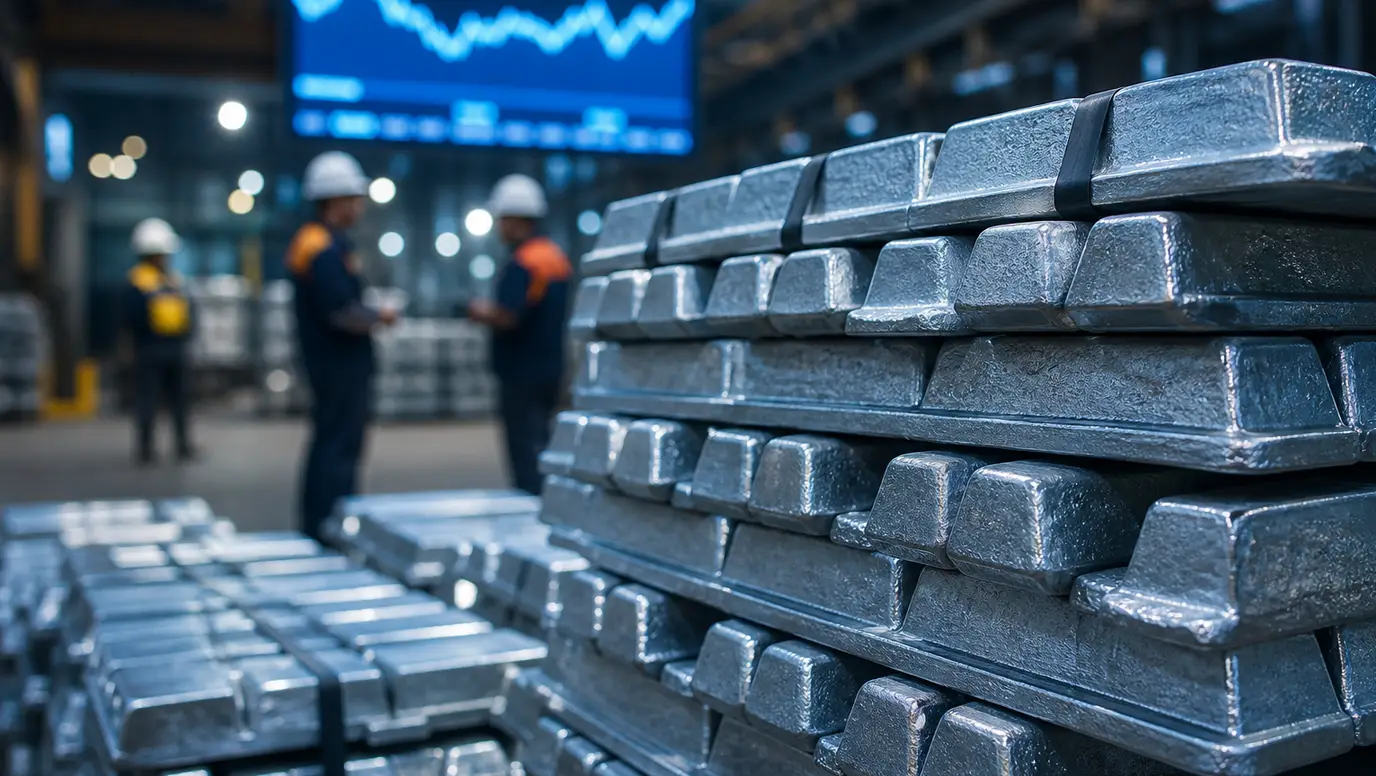
Zinc Metals Market Leads Base-Metal Rebound as Dollar Risk Meets Inventory BuildZinc leads the metals market rebound as traders weigh stronger base-metal demand signals against rising inventories and dollar risk.

© 1box.site 2026
JUNE 28, 2026
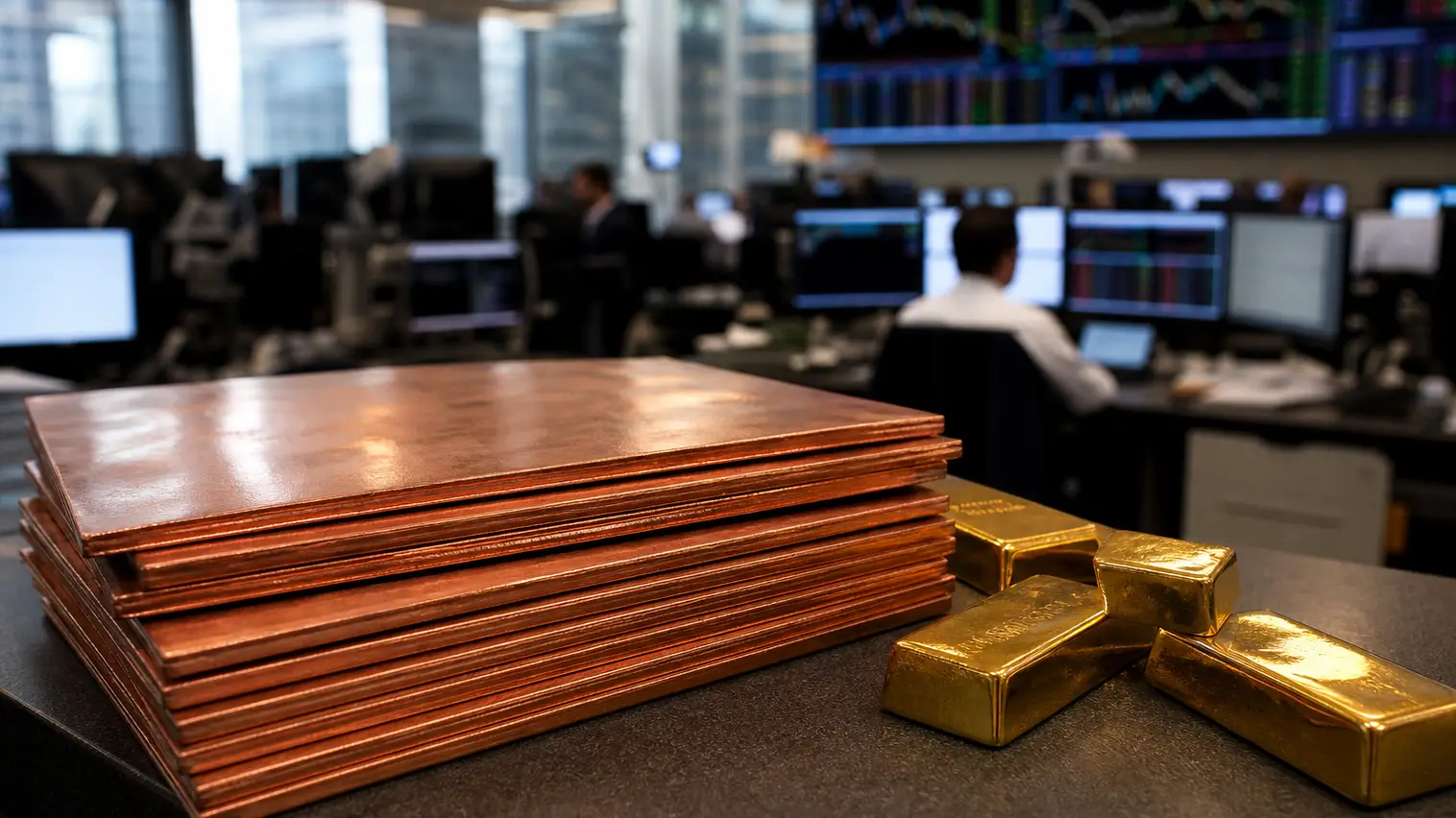
The metals market is entering the final sessions of June with copper back at the center of trading desks, as a looming U.S. tariff recommendation threatens to reshape physical flows just as precious metals attempt to stabilize from a volatile month. Weekend indications showed gold holding near the low $4,000s per ounce, silver close to $59 per ounce and COMEX copper around $6.20 per pound, leaving traders focused less on one directional move and more on which metal carries the clearest catalyst into quarter-end.
Fresh news activity is strongest in metals rather than foreign exchange because the sector now has two live themes moving at once: policy risk in copper and renewed haven demand in gold. Currency markets remain important through the U.S. dollar and Treasury yields, but the more immediate market tension is being expressed in metal spreads, warehouse positioning and procurement decisions ahead of the June 30 policy checkpoint.
Copper is drawing the heaviest attention because traders are watching whether Washington moves closer to tariffs on refined copper imports. The market has already spent much of the second quarter adjusting to the possibility of new duties, with U.S. inventories elevated after earlier stockpiling and the COMEX premium over London narrowing from more extreme levels. That shift suggests the most aggressive import scramble has cooled, but it does not remove the risk of a fresh repricing if the recommendation is stricter than expected.
For industrial buyers, the key issue is not only the headline tariff rate. A phased implementation, an exemption extension or a narrower product scope would each send a different signal to fabricators, cable producers and manufacturers planning third-quarter coverage. If the tariff threat fades, some of the metal parked in U.S. warehouses could become easier to release back into the market. If the threat hardens, domestic premiums may stay sticky even if global copper prices soften.
That makes copper a more policy-sensitive trade than a simple demand story this week. Structural demand from grids, electrification, data centers and industrial buildout remains a medium-term support, while mine disruptions and smelter feed constraints continue to limit confidence in supply growth. Near term, however, traders are likely to treat the tariff decision as the first test before returning to broader questions about Chinese demand, manufacturing activity and global inventories.
Gold’s rebound is also keeping the metals market active, though its driver is different. The metal has recovered from recent pressure as investors reassess whether higher U.S. yields and a firm dollar can continue to cap non-yielding assets. With spot prices still holding above the psychologically important $4,000 area, the market is signaling that strategic demand has not disappeared even after a sharp round of volatility.
Silver is trading with a more aggressive profile because it sits between precious-metal demand and industrial sensitivity. Its move back toward the upper-$50s per ounce region has improved sentiment, but it also raises the risk of faster profit-taking if the dollar strengthens or if copper loses momentum. Platinum and palladium remain secondary stories, supported by broader metals flows but still constrained by uneven expectations for automotive and industrial demand.
The dollar and Treasury yields remain the main macro variables for precious metals. A softer dollar would make gold and silver more attractive to non-U.S. buyers, while falling yields would reduce the opportunity cost of holding bullion. Conversely, any renewed rise in real yields could quickly turn the latest rebound into a consolidation phase rather than the start of a broader breakout.
Quarter-end positioning adds another layer of risk. Portfolio managers that reduced metals exposure during the recent pullback may be forced to reconsider allocations if copper holds firm and gold refuses to break down. At the same time, funds with strong first-half gains may prefer to lock in profits before fresh policy guidance and early-July macro data arrive.
The result is a metals market that looks less synchronized than it did earlier in the year. Copper is trading on tariffs, inventories and physical premiums. Gold is trading on rates, the dollar and haven demand. Silver is trying to follow both at once. That split could keep volatility elevated even if headline prices appear steady in thin weekend and quarter-end conditions.
For now, the strongest signal is that metals traders are no longer treating the sector as a single macro trade. Copper’s tariff deadline has created a distinct industrial catalyst, while gold’s resilience shows that defensive demand remains alive. If Washington delivers a clear copper roadmap and U.S. yields stay contained, the metals market could begin July with a firmer tone. If the policy message is ambiguous and the dollar rebounds, the next move may be defined by wider spreads rather than broad-based gains.
OCTOBER 24, 2026
Zinc Metals Market Leads Base-Metal Rebound as Dollar Risk Meets Inventory Build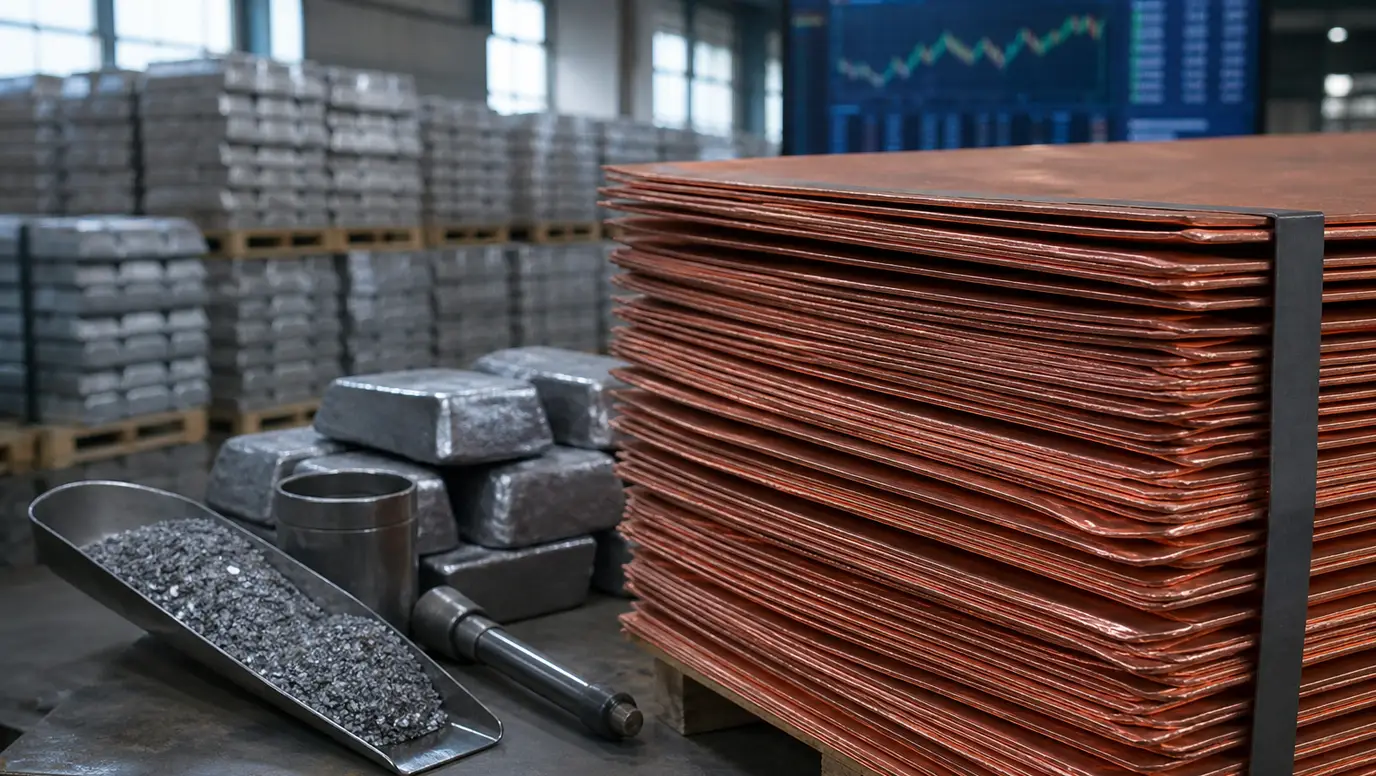
OCTOBER 23, 2026
Copper Metals Market Rebounds as Nickel Slips on Indonesia Cut Watch
OCTOBER 22, 2026
Gold Metals Market Rebounds as Softer Treasury Yields Put PCE Inflation Test in Focus
OCTOBER 21, 2026
Silver Metals Market Slips as US Dollar and Treasury Yields Revive Federal Reserve Risk
OCTOBER 20, 2026
Tin Metals Market Holds Above $50,000 as Inventory Draws Offset Dollar Risk
OCTOBER 18, 2026
Copper Metals Market Holds Near Record as Tight Stocks Offset Federal Reserve Shock
OCTOBER 16, 2026
Gold Metals Market Rebounds as US Dollar and Treasury Yields Ease Before Federal Reserve Decision
OCTOBER 15, 2026
Silver Metals Market Tests 2026 Low as Federal Reserve Rate Bets Lift US Dollar
OCTOBER 13, 2026
Zinc Metals Market Falls as LME Stock Jump and US Dollar Pressure Base Metals
OCTOBER 12, 2026
Copper Metals Market Rises as China Premium and Tight LME Stocks Challenge US Dollar
OCTOBER 11, 2026
Gold Metals Market Braces for Federal Reserve Test as US Dollar and Treasury Yields Bite
OCTOBER 10, 2026
Palladium Metals Market Slips as Auto Demand and US Dollar Pressure Deepen Surplus Worries
OCTOBER 8, 2026
Zinc Metals Tightness Faces US Dollar and Treasury Yield Test
OCTOBER 7, 2026
Aluminum Rebound Tests Metals Market as Dollar Strength and China Lull Cap Buyers
OCTOBER 6, 2026
Copper Futures Rally Puts Metals Market Focus on Smelter Squeeze
OCTOBER 4, 2026
Gold Metals Rebound Stalls as Treasury Yields Blunt Fed Pause Bets
OCTOBER 2, 2026
Silver Holds Above $61 as Dollar and Treasury Yields Keep Metals Market on Payrolls Watch
SEPTEMBER 30, 2026
Copper Futures Steady as Metals Market Weighs Dollar, Oil and Federal Reserve Risk
SEPTEMBER 27, 2026
Gold Futures Slip as Sticky Inflation and Fed Rate Bets Cap Metals Market Rebound
SEPTEMBER 25, 2026
Copper Futures Climb as China Tightness Puts Metals Market on Supply Watch
SEPTEMBER 22, 2026
Gold Holds Near $4,350 as Federal Reserve Rate Bets Cap Metals Market Rebound
SEPTEMBER 19, 2026
Copper Futures Rally Puts Metals Market on Federal Reserve and PMI Watch
SEPTEMBER 15, 2026
Gold Holds Near $4,300 as Federal Reserve Hike Bets Pressure Metals Market
SEPTEMBER 13, 2026
Copper Futures Pullback Puts Metals Market on Tariff Doubt Watch
SEPTEMBER 10, 2026
Gold Edges Higher as Soft Dollar Puts Metals Market on Federal Reserve Watch
SEPTEMBER 8, 2026
Copper Hits Record High as Tariff Risk Tightens Metals Market Supply
SEPTEMBER 5, 2026
Lead Lags Metals Market as Inventory Draws Fail to Shift Demand Doubts
SEPTEMBER 4, 2026
Gold Slides as Strong US Jobs Report Reprices Metals Market for Federal Reserve Risk
SEPTEMBER 2, 2026
Copper Pullback Hits Metals Market as Strong Dollar Revives Federal Reserve Rate Risk
AUGUST 29, 2026
Gold Retreat Puts Metals Market on Federal Reserve Rate-Hike Watch