
JULY 25, 2026
Microsoft and Federal Reserve Put AI Stocks on Capex WatchMicrosoft earnings and the Federal Reserve meeting put AI stocks under pressure as investors scrutinize capex, margins and guidance.

© 1box.site 2026

JULY 2, 2026
The U.S. stock market moved higher on Thursday as investors treated a softer June employment report as a reason to reduce the near-term risk of another Federal Reserve rate increase. The rally came in a holiday-shortened session and helped Wall Street steady after a choppy start to the third quarter.
The latest payroll figures showed employers added only 57,000 jobs in June, a sharp slowdown from the spring pace. The unemployment rate slipped to 4.2%, but the decline was softened by a drop in labor force participation, suggesting that the headline rate did not fully capture weaker hiring momentum. Weekly jobless claims remained low at 215,000, keeping the labor-market message mixed rather than outright recessionary.
For equity traders, the most immediate impact came through rates. Shorter-dated Treasury yields fell as futures markets dialed back the probability of a July Fed hike. That shift gave growth shares room to recover and reduced pressure on valuation-sensitive areas of the market, even as investors remained cautious about whether the central bank will need more inflation evidence before changing its policy tone.
The stock market has spent recent sessions balancing two competing narratives: resilient corporate earnings expectations and concern that sticky inflation could keep monetary policy restrictive. Thursday’s jobs report tilted that balance in favor of equities, at least temporarily, because weaker hiring makes it harder for policymakers to justify a more aggressive tightening path.
The move was most visible in the bond market, where falling yields supported risk appetite. Lower yields tend to improve the relative appeal of equities by reducing the discount rate applied to future earnings, a dynamic that matters most for technology, software, consumer growth and other long-duration sectors. The reaction also helped stabilize sentiment after profit-taking hit high-momentum chip and AI-linked shares earlier in the week.
Still, the rally was not built on unqualified economic strength. A payroll gain of 57,000 points to slower demand for workers, while the participation decline raises questions about the depth of the labor pool. That means investors are not simply buying a stronger economy; they are buying the possibility that slower hiring can cool inflation pressure without forcing a sharper downturn.
Market breadth remained an important part of Thursday’s story. Recent trading has shown investors becoming more selective after a powerful first-half run in semiconductor and AI stocks. While the AI theme remains a core driver of equity valuations, the latest session suggested that lower yields can also support financials, communication services, consumer names and other areas that lagged the most crowded growth trade.
That broadening is constructive for the stock market because it reduces dependence on a narrow group of mega-cap winners. When leadership expands, index-level gains tend to be more durable. However, traders are still watching whether the rotation reflects healthy diversification or a defensive move away from stocks that had priced in flawless execution.
The next test will be inflation data and upcoming corporate guidance. If price pressures remain stubborn, the Fed may keep a hawkish bias despite slower job creation. If inflation cools alongside softer hiring, the market could extend its rebound as investors price in a longer pause on rates.
The timing of the move also matters. U.S. markets were operating around the Independence Day holiday period, which can reduce liquidity and amplify intraday swings. Lighter volume means investors may need confirmation in the next full trading week before treating Thursday’s advance as a lasting shift in trend.
For now, the message from Wall Street is cautiously positive. Softer jobs data lowered immediate Fed hike fears, Treasury yields eased, and equity buyers returned after a difficult stretch for tech leadership. The stock market’s next challenge is to prove that the rally can survive fuller participation, fresh inflation numbers and the start of the next earnings cycle.
JULY 25, 2026
Microsoft and Federal Reserve Put AI Stocks on Capex Watch
JULY 24, 2026
RTX Outlook Raise Gives Defense Stocks a Fresh Earnings Anchor
JULY 23, 2026
IBM Forecast Cut Puts AI Software Spending Risk Back on Stock Market Watch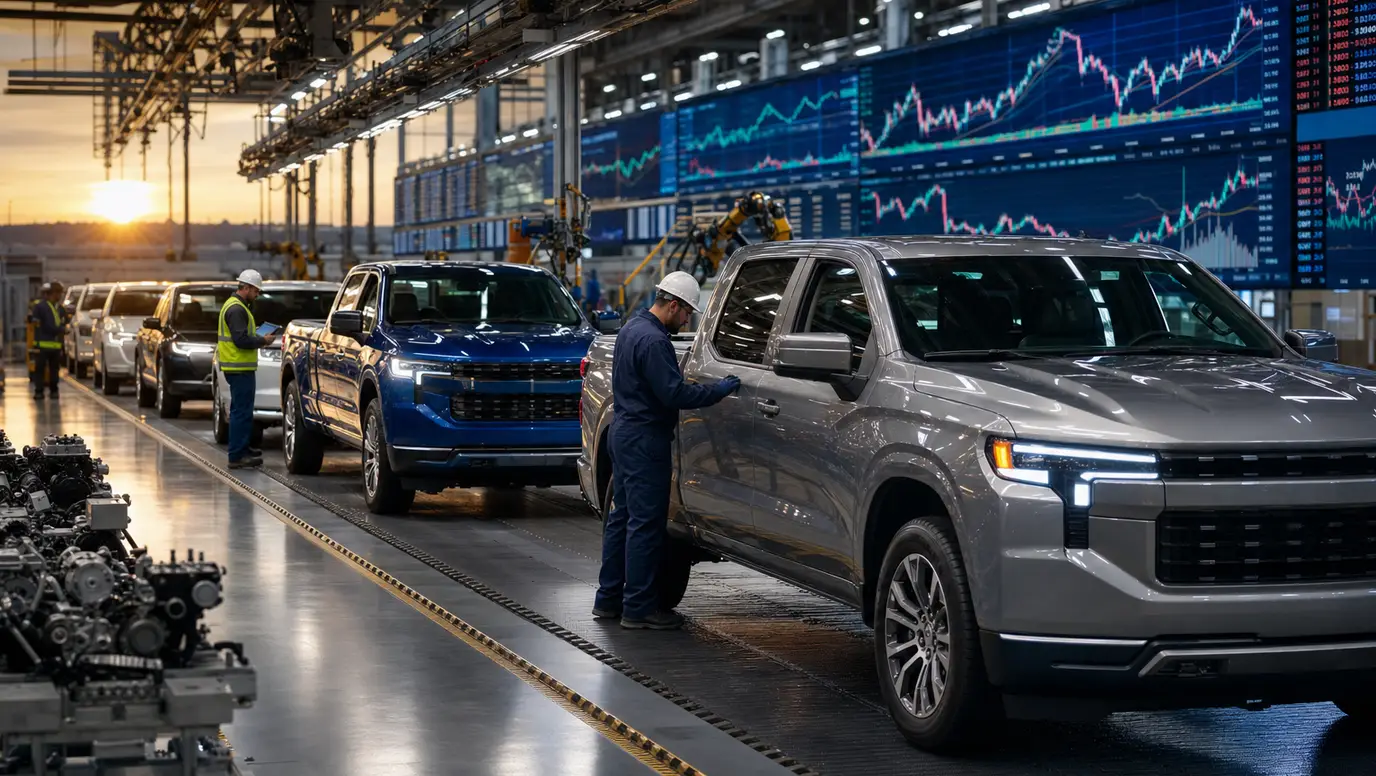
JULY 22, 2026
General Motors Outlook Lifts Autos as Stocks Seek Earnings Breadth Beyond AI
JULY 21, 2026
Hasbro Leads Stocks Higher as Magic Revenue Breakthrough Lifts Outlook
JULY 20, 2026
Intel and Texas Instruments Put Semiconductors in Focus as Stocks Enter Earnings Crunch
JULY 19, 2026
Alphabet and Tesla Earnings Put Stocks on AI Reset Watch After Nasdaq Slide
JULY 18, 2026
Apple Overtakes Nvidia as Stocks Brace for AI Rotation and Earnings Test
JULY 17, 2026
Netflix Forecast Deepens Stocks Selloff as Nvidia and Micron Extend AI Rout
JULY 16, 2026
S&P 500 and Nasdaq Slip as AI Chip Stocks Test Indexes Rally
JULY 16, 2026
SK Hynix Selloff Hits Nvidia as AI Stocks Face Fresh Valuation Test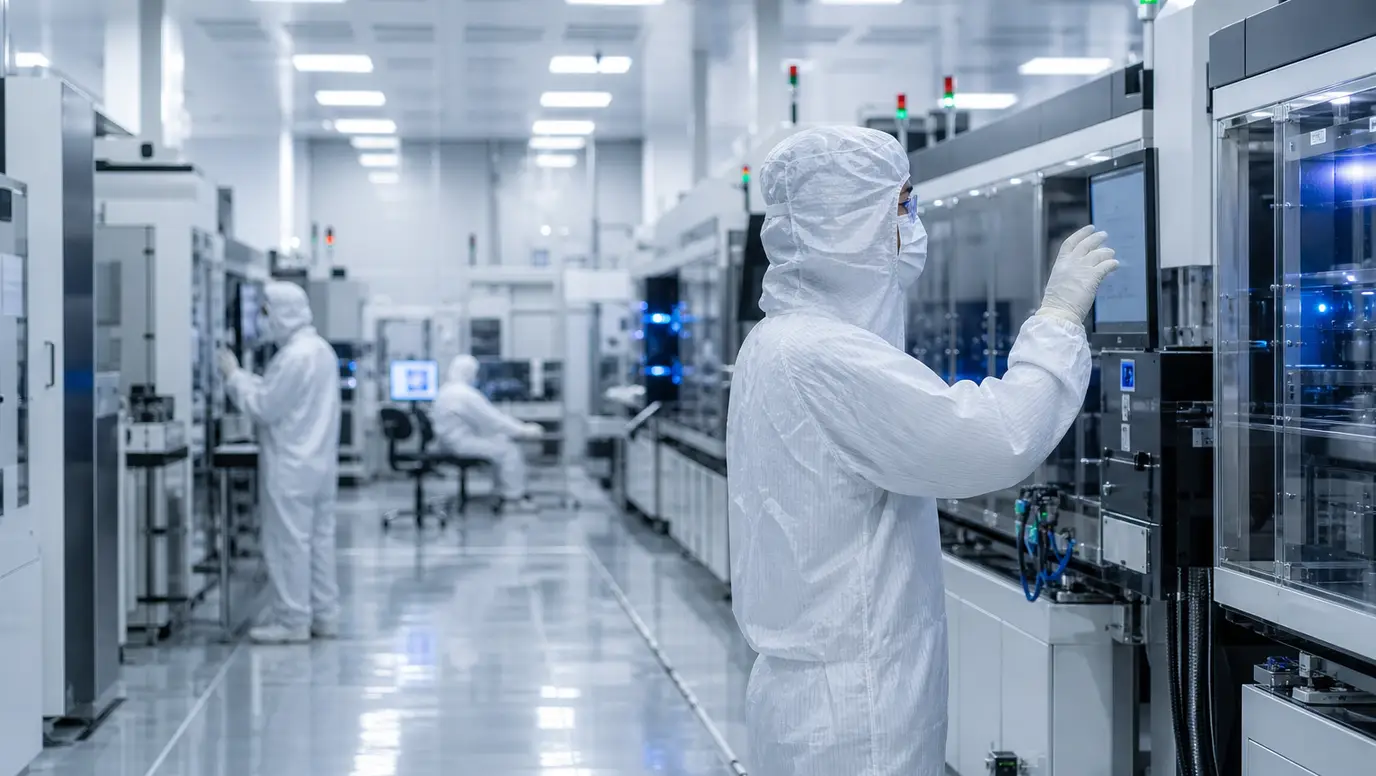
JULY 15, 2026
ASML Outlook Lifts AI Stocks as Semiconductors Reprice 2026 Demand
JULY 14, 2026
S&P 500 and Nasdaq Rebound Leaves Dow Lagging as CPI Relief Tests Index Breadth
JULY 14, 2026
Bank Earnings Lift Stock Market Mood as Softer CPI Eases Rate Pressure
JULY 13, 2026
Micron and Sandisk Slide as AI Memory Boom Faces Earnings Test
JULY 12, 2026
S&P 500 and Nasdaq Face Triple Test as CPI, Fed Testimony and Earnings Converge
JULY 11, 2026
Bank Stocks Face Earnings Test as Wall Street Looks Beyond the AI Rally
JULY 10, 2026
SK Hynix Nasdaq Debut Puts AI Memory Trade Back at Center of Stock Market
JULY 9, 2026
Broadcom’s Apple Chip Deal Gives Stock Market a Hard-Cash Test for AI Supplier Valuations
JULY 8, 2026
Consumer Earnings Put Stock Market Rotation on Trial as Profit Bar Jumps
JULY 7, 2026
AI Chip Rout Puts Stock Market Back on Valuation Watch as Nasdaq Futures Slide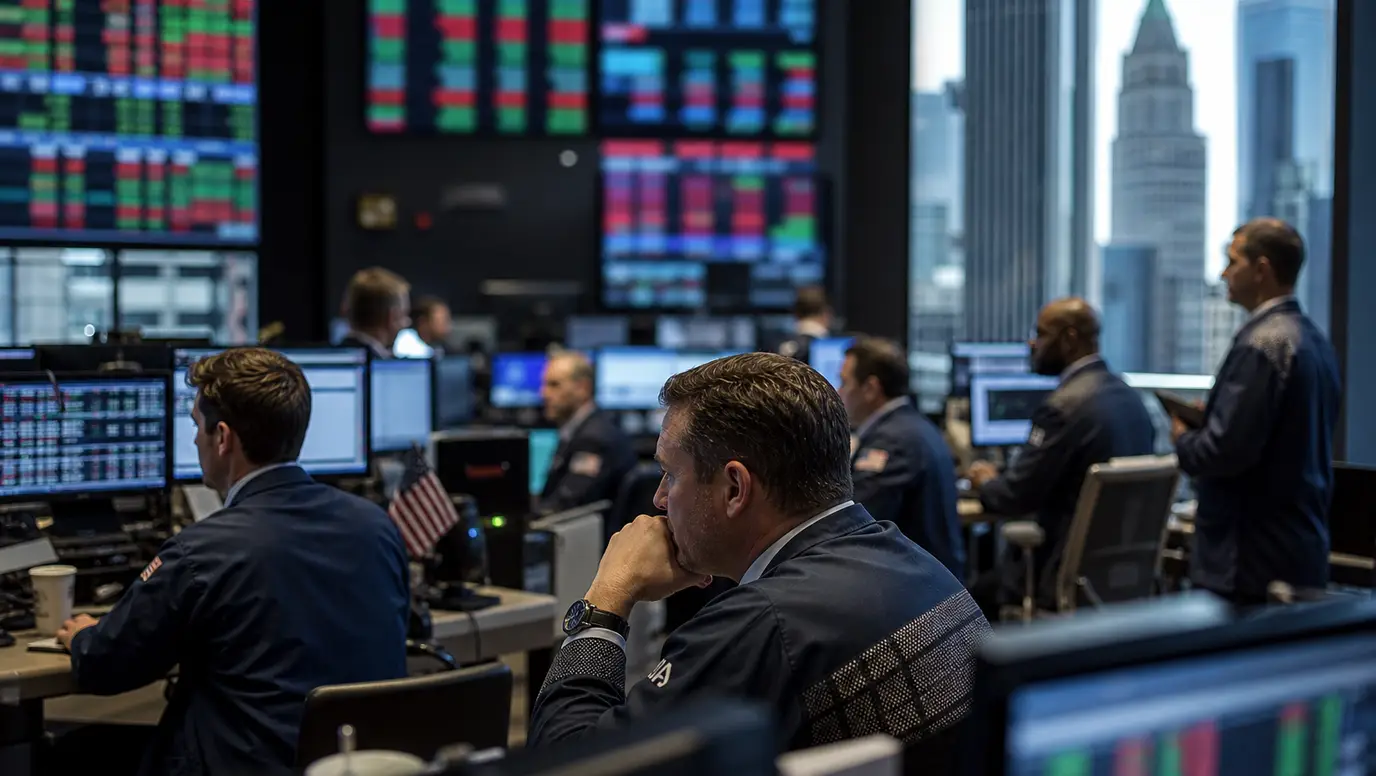
JULY 6, 2026
Stock Market Faces Earnings Breadth Test as Fed Minutes Loom After Chip Rout
JULY 5, 2026
Nasdaq Drag Deepens as AI Memory Rout Tests Stock Market Leadership
JULY 4, 2026
Nasdaq Weakness Puts Index Market Breadth Back in Focus as Dow Rotation Holds
JULY 4, 2026
Apple Rally Gives Stock Market Bulls a Fresh Megacap Anchor as Chip Shares Wobble
JULY 3, 2026
Tesla Selloff Puts Stock Market on Margin Watch as Earnings Season Nears
JULY 2, 2026
S&P 500 Firms as Dow Outruns Nasdaq After June Payroll Shock
JULY 1, 2026
S&P 500 Wavers as Nasdaq Drag Shows Yield Risk After Strong Quarter
JULY 1, 2026
Nvidia and Micron Pullback Tests Stock Market After Record Chip Rally
JUNE 30, 2026
S&P 500 Edges Higher as Nasdaq Leads Cautious Index Market Into Jobs Data