
OCTOBER 23, 2026
American Express Stock Falls as Profit Beat Meets Cost-Cut ScrutinyAmerican Express stock slips as record Q3 revenue, stronger guidance and resilient card spending collide with 5% workforce cuts.

© 1box.site 2026

JULY 7, 2026
The stock market is moving back into valuation-check mode as the artificial intelligence trade faces a fresh test from global semiconductor shares. After a strong rebound in U.S. equities on Monday, July 6, Tuesday’s premarket tone turned more cautious, with Nasdaq-linked futures leading the decline as investors questioned whether even very strong chip earnings are enough to support the sector’s stretched expectations.
The shift is important because AI-linked stocks have been the main engine behind recent U.S. market resilience. Monday’s session showed that dynamic clearly: the S&P 500 advanced, the Nasdaq Composite outperformed, and the Dow Jones Industrial Average reached another record close. But the rally was narrow, with gains concentrated in the technology and semiconductor complex while many other stocks lagged. That leaves the broader market vulnerable if investors continue to take profits in the AI supply chain.
The latest pressure came even after a major Asian chipmaker reported a dramatic jump in quarterly operating profit, underscoring how high expectations have become. Instead of rewarding the earnings surge, traders sold shares across parts of the memory and chip equipment chain, treating the numbers as confirmation that much of the good news may already be priced in.
That reaction matters for U.S. investors because the AI infrastructure buildout is deeply connected across global markets. Memory suppliers, chip designers, networking companies, cloud platform operators and server manufacturers have all benefited from the same theme: demand for high-bandwidth memory, advanced processors and data-center capacity. When one part of that chain sells off despite strong results, it raises questions about whether the market is shifting from earnings momentum to valuation discipline.
U.S. semiconductor names are now facing a more demanding backdrop. Investors still see powerful long-term demand for AI computing, but they are increasingly asking whether the current pace of capital spending can translate into durable returns. That distinction is becoming critical. A company can still report strong revenue growth and widening margins, yet its stock can fall if traders believe the valuation already assumes years of flawless execution.
The Nasdaq remains the center of the debate. Its recent strength has been driven by a relatively small group of AI and semiconductor leaders, leaving the index more sensitive to any pullback in that trade. Tuesday’s weakness in futures suggests traders are less willing to chase momentum immediately after Monday’s rebound, especially with the second-quarter earnings season approaching.
For the wider stock market, the key issue is breadth. If banks, industrials, healthcare and consumer stocks can absorb some leadership from technology, the market may be able to consolidate without a deeper correction. If not, another leg lower in chip shares could quickly pressure the major averages, even if the economic data remain supportive.
The Dow’s record close shows that investors are not abandoning equities broadly. Defensive and cash-generating companies still have a bid, while parts of the industrial and financial sectors continue to attract capital from traders looking beyond the AI boom. However, the S&P 500’s dependence on megacap technology means the index still needs stability in semiconductors to sustain a push toward new highs.
The next catalyst is likely to come from corporate guidance rather than headline profit numbers alone. Traders want details on AI order backlogs, data-center spending plans, memory pricing, inventory levels and customer concentration. Companies that can show demand is broadening beyond a handful of hyperscale cloud buyers may be rewarded. Firms that rely too heavily on a single AI spending cycle could face sharper scrutiny.
That puts upcoming results from U.S. chip and hardware companies in focus. Nvidia remains the benchmark for AI demand expectations, while Micron and other memory-linked names will be watched for evidence that pricing power is still improving. Investors will also monitor whether cloud customers continue to signal aggressive infrastructure budgets or begin to emphasize efficiency and returns on investment.
For now, the stock market is not flashing a broad risk-off signal. Instead, it is showing a more selective phase in which strong earnings are necessary but not always sufficient. The AI trade can still lead if guidance confirms durable demand, but the latest futures action shows that investors are no longer treating every chip-sector beat as an automatic reason to buy.
That makes today’s session a key sentiment test. A contained pullback would suggest healthy profit-taking after a powerful run. A deeper decline led by semiconductors would indicate that the market’s most important leadership group is entering a more volatile phase just as earnings season begins.
OCTOBER 23, 2026
American Express Stock Falls as Profit Beat Meets Cost-Cut Scrutiny
OCTOBER 22, 2026
Nasdaq Leads Index Market Lower as AI Stocks and Oil Shock Hit Wall Street
OCTOBER 22, 2026
Tesla Stock Falls as Profit Drop and SpaceX Merger Questions Eclipse Robotaxi Progress
OCTOBER 21, 2026
Netflix Stock Slide Puts Media Stocks on Wall Street Alert as Ad Forecast Is Cut
OCTOBER 20, 2026
GE Aerospace and RTX Lift Industrial Stocks as Earnings Beats Reset Wall Street
OCTOBER 18, 2026
S&P 500 Stocks Face Breadth Test as AI Rout Collides With Earnings Week
OCTOBER 18, 2026
Bank Stocks Find Earnings Support as Consumer Spending Eases Credit Fears
OCTOBER 17, 2026
Airline Stocks Face Fuel-Cost Test as Earnings Season Moves Beyond AI
OCTOBER 16, 2026
Tesla Stock Rises as Roadster Reveal Gives EV Stocks a Break From AI Rout
OCTOBER 15, 2026
Morgan Stanley Stock Slips as Record Wealth Revenue Fails to Offset Cost Worries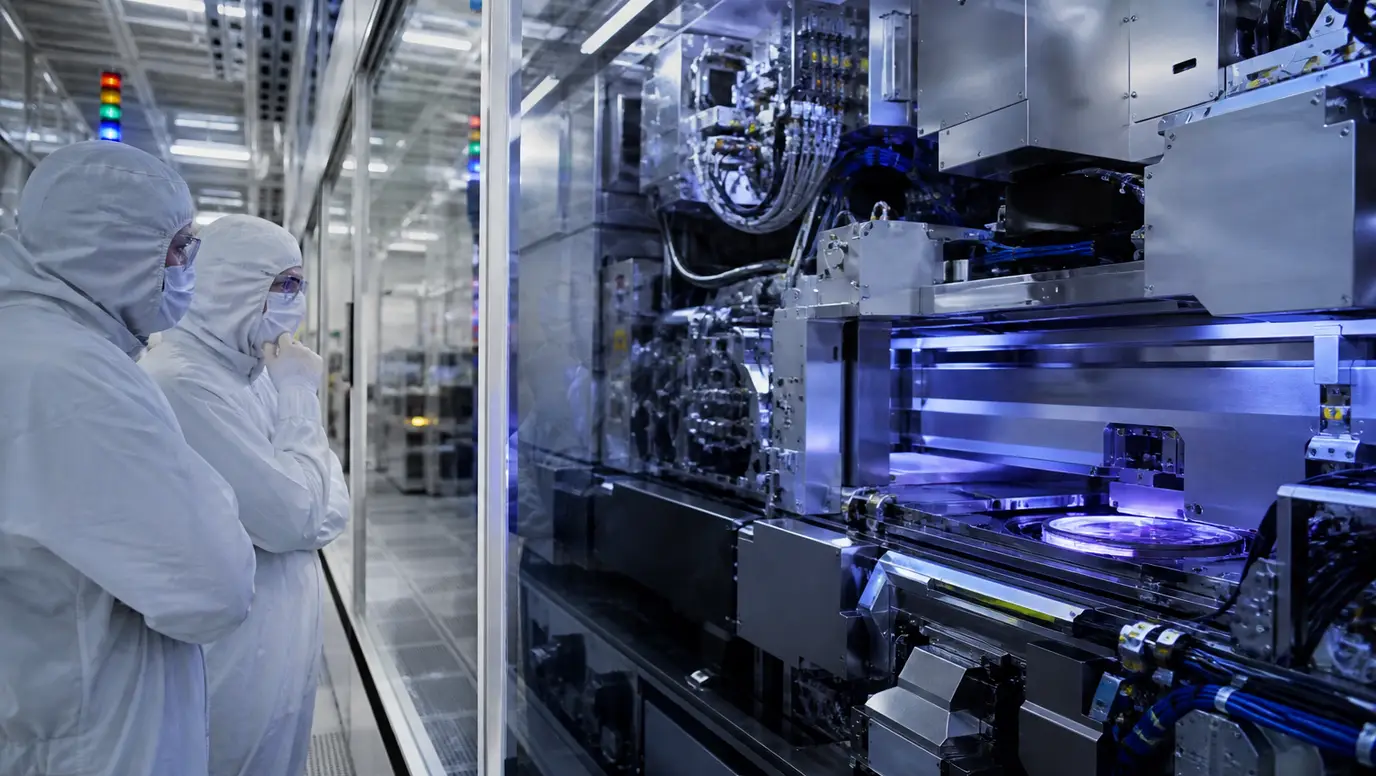
OCTOBER 14, 2026
ASML Stock Swings as AI Demand Lifts Sales Outlook and Supply Warning Caps Rally
OCTOBER 13, 2026
FTSE 100 Hits Three-Week High as Bank Stocks and Lower Gilt Yields Lift London Index
OCTOBER 13, 2026
Semiconductors Slide as Wall Street Weighs Bank Earnings and AI Rally Risk
OCTOBER 12, 2026
UnitedHealth Stock Slips as Traders Brace for Q3 Earnings and Medical-Cost Guidance
OCTOBER 11, 2026
Hang Seng Index Rebounds as Tech Stocks Lift Hong Kong Market Before China Data
OCTOBER 11, 2026
Bank Stocks Face Earnings Test as S&P 500 Rally Puts Federal Reserve in Focus
OCTOBER 10, 2026
Telecom Stocks Sink as SpaceX Spectrum Deal Resets Wireless Competition Risk
OCTOBER 10, 2026
Russell 2000 Stocks Rebound as Treasury Yields Keep Small-Cap Index on Alert
OCTOBER 9, 2026
Delta Air Lines Stock Falls as Fuel Costs Cut Into Airline Profit Outlook
OCTOBER 8, 2026
PepsiCo Stock Climbs as Earnings Beat Meets North America Warning
OCTOBER 4, 2026
Nvidia Stock Hits Record as AI Buyback Puts Cash Returns in Focus
OCTOBER 3, 2026
Synaptics Stock Jumps as onsemi Semiconductor Deal Turns to $5.7 Billion Cash Offer
OCTOBER 2, 2026
Nike Stock Slides as Revenue Miss and China Weakness Deepen Turnaround Test
OCTOBER 1, 2026
Stacks STX Jumps as Bitcoin DeFi Yield Narrative Revives Crypto Market Rotation
SEPTEMBER 30, 2026
Carnival CCL Stock Holds Rally as Record Earnings Put Cruise Shares Back in Focus
SEPTEMBER 28, 2026
Vail Resorts Stock Faces Earnings Test as Investors Watch Pass Sales and Weather Risk
SEPTEMBER 23, 2026
IonQ Stock Rally Puts Quantum Stocks Back on Wall Street's Growth Radar
SEPTEMBER 22, 2026
AMD Holds $1 Trillion Value as AI Chip Rally Keeps Stock Market Bid
SEPTEMBER 20, 2026
Berkshire Hathaway Stock Faces Succession Test as Buffett Leaves Chair
SEPTEMBER 17, 2026
Tokenized Stocks Get SEC Green Light as Stock Market Tests Onchain Trading