
OCTOBER 23, 2026
American Express Stock Falls as Profit Beat Meets Cost-Cut ScrutinyAmerican Express stock slips as record Q3 revenue, stronger guidance and resilient card spending collide with 5% workforce cuts.

© 1box.site 2026

JULY 4, 2026
Apple has become the clearest fresh support point for the stock market as investors look for megacap names that can hold up while the semiconductor trade cools. The iPhone maker’s shares jumped nearly 5% in the latest full U.S. session after reports pointed to an ambitious device cycle that could include at least five new iPhone models through early 2027 and a larger production plan for a foldable version.
The move matters because it arrived at a delicate moment for Wall Street. Recent trading has shown a sharper split inside technology: investors are still willing to buy durable platform companies, but they are taking profits in some high-flying chip names after an aggressive first-half rally. That divergence leaves Apple in a more important role as a potential stabilizer for growth portfolios heading into earnings season.
The latest Apple advance was not driven by the same artificial-intelligence infrastructure story that has dominated semiconductor valuations. Instead, the stock drew support from expectations that a refreshed iPhone lineup could extend the company’s hardware cycle, improve replacement demand, and protect premium pricing even as consumer spending remains uneven.
That distinction is important for stock market positioning. Investors who have been heavily exposed to AI chip winners are now looking for growth exposure with different earnings drivers. Apple offers a separate narrative built around product launches, installed-base monetization, services revenue, and supply-chain scale. If the reported production plans are confirmed, the market may treat the next iPhone cycle as a catalyst for both revenue visibility and margin resilience.
There are still risks. Foldable devices could carry higher component costs, and any premium model would need enough demand to justify a larger production run. Apple also faces the usual execution questions around launch timing, inventory management, and international demand. Even so, the stock’s reaction shows that investors are prepared to reward credible evidence of a stronger product pipeline.
Apple’s strength stood out because parts of the semiconductor complex were under pressure. After months of outsized gains tied to AI servers, memory demand, and accelerator spending, traders are becoming more selective. A pullback in chip equipment and memory-linked shares suggests the market is no longer treating the entire sector as a one-way trade.
That shift does not necessarily break the broader technology bull case, but it changes the character of the rally. A healthier stock market may need leadership to broaden beyond the most crowded AI beneficiaries. Apple’s rise, alongside renewed interest in large-cap quality shares, offers one possible route for that broadening.
Equity fund flow data also points to cautious re-engagement. U.S. stock funds attracted fresh money in the week ended July 1, helped by easing geopolitical stress and renewed demand for technology exposure. At the same time, large allocations to money market funds show that investors are not abandoning caution. Cash remains available, but it is being deployed selectively.
The next test is whether Apple and other megacap leaders can turn recent optimism into durable earnings support. Investors will be watching for comments on device demand, component costs, services growth, and whether higher-priced models can protect revenue even if unit growth remains moderate.
For the broader stock market, the key question is whether Apple’s rally is the start of a more balanced technology rotation or simply a short-term refuge from chip volatility. If megacap software, hardware, and consumer technology names can share leadership with semiconductors, market breadth should improve. If chip weakness deepens and Apple becomes one of only a few stocks holding up the tape, the rally may look more fragile.
For now, Apple has given bulls a timely anchor. The stock’s advance suggests investors still want exposure to dominant technology franchises, but they are demanding cleaner catalysts and less crowded entry points. That makes the coming earnings season especially important for determining whether the stock market can extend its gains with broader support.
OCTOBER 23, 2026
American Express Stock Falls as Profit Beat Meets Cost-Cut Scrutiny
OCTOBER 22, 2026
Nasdaq Leads Index Market Lower as AI Stocks and Oil Shock Hit Wall Street
OCTOBER 22, 2026
Tesla Stock Falls as Profit Drop and SpaceX Merger Questions Eclipse Robotaxi Progress
OCTOBER 21, 2026
Netflix Stock Slide Puts Media Stocks on Wall Street Alert as Ad Forecast Is Cut
OCTOBER 20, 2026
GE Aerospace and RTX Lift Industrial Stocks as Earnings Beats Reset Wall Street
OCTOBER 18, 2026
S&P 500 Stocks Face Breadth Test as AI Rout Collides With Earnings Week
OCTOBER 18, 2026
Bank Stocks Find Earnings Support as Consumer Spending Eases Credit Fears
OCTOBER 17, 2026
Airline Stocks Face Fuel-Cost Test as Earnings Season Moves Beyond AI
OCTOBER 16, 2026
Tesla Stock Rises as Roadster Reveal Gives EV Stocks a Break From AI Rout
OCTOBER 15, 2026
Morgan Stanley Stock Slips as Record Wealth Revenue Fails to Offset Cost Worries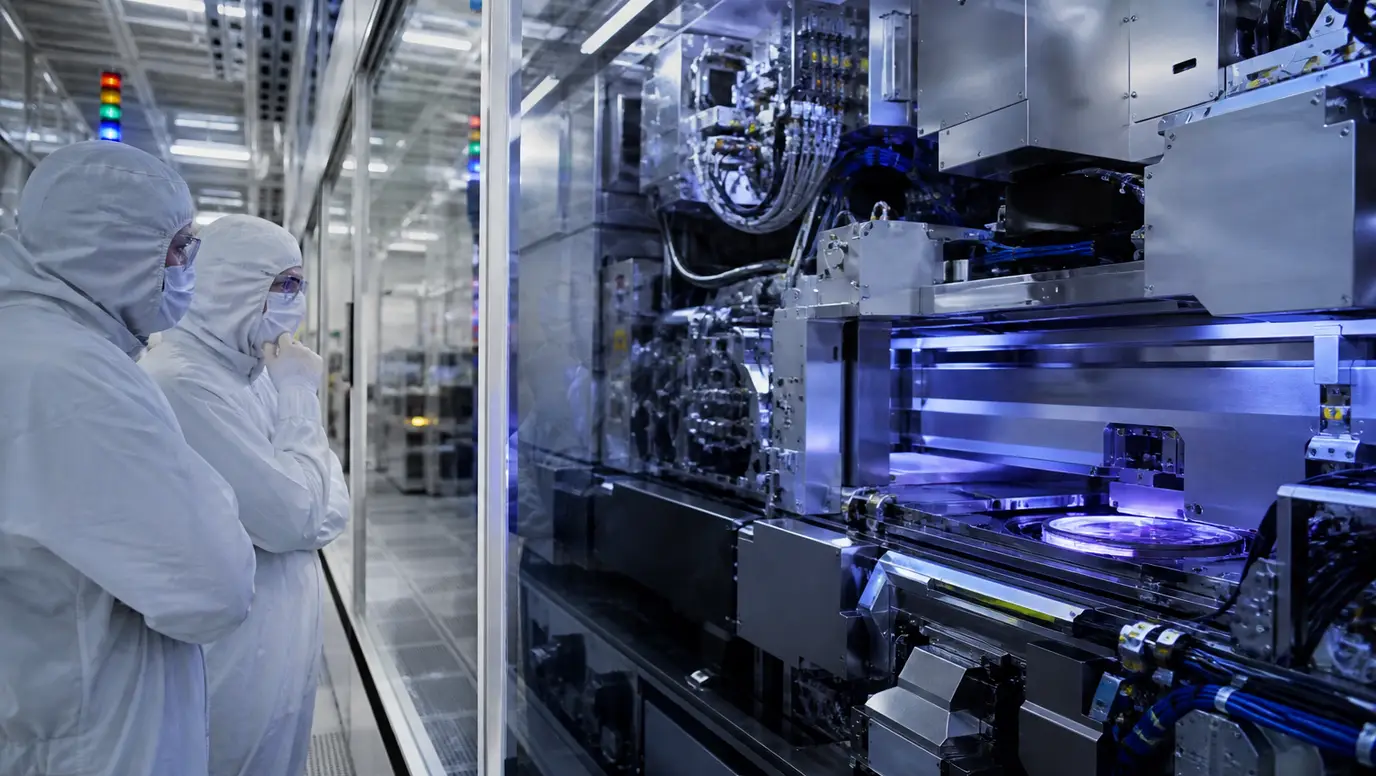
OCTOBER 14, 2026
ASML Stock Swings as AI Demand Lifts Sales Outlook and Supply Warning Caps Rally
OCTOBER 13, 2026
FTSE 100 Hits Three-Week High as Bank Stocks and Lower Gilt Yields Lift London Index
OCTOBER 13, 2026
Semiconductors Slide as Wall Street Weighs Bank Earnings and AI Rally Risk
OCTOBER 12, 2026
UnitedHealth Stock Slips as Traders Brace for Q3 Earnings and Medical-Cost Guidance
OCTOBER 11, 2026
Hang Seng Index Rebounds as Tech Stocks Lift Hong Kong Market Before China Data
OCTOBER 11, 2026
Bank Stocks Face Earnings Test as S&P 500 Rally Puts Federal Reserve in Focus
OCTOBER 10, 2026
Telecom Stocks Sink as SpaceX Spectrum Deal Resets Wireless Competition Risk
OCTOBER 10, 2026
Russell 2000 Stocks Rebound as Treasury Yields Keep Small-Cap Index on Alert
OCTOBER 9, 2026
Delta Air Lines Stock Falls as Fuel Costs Cut Into Airline Profit Outlook
OCTOBER 8, 2026
PepsiCo Stock Climbs as Earnings Beat Meets North America Warning
OCTOBER 4, 2026
Nvidia Stock Hits Record as AI Buyback Puts Cash Returns in Focus
OCTOBER 3, 2026
Synaptics Stock Jumps as onsemi Semiconductor Deal Turns to $5.7 Billion Cash Offer
OCTOBER 2, 2026
Nike Stock Slides as Revenue Miss and China Weakness Deepen Turnaround Test
OCTOBER 1, 2026
Stacks STX Jumps as Bitcoin DeFi Yield Narrative Revives Crypto Market Rotation
SEPTEMBER 30, 2026
Carnival CCL Stock Holds Rally as Record Earnings Put Cruise Shares Back in Focus
SEPTEMBER 28, 2026
Vail Resorts Stock Faces Earnings Test as Investors Watch Pass Sales and Weather Risk
SEPTEMBER 23, 2026
IonQ Stock Rally Puts Quantum Stocks Back on Wall Street's Growth Radar
SEPTEMBER 22, 2026
AMD Holds $1 Trillion Value as AI Chip Rally Keeps Stock Market Bid
SEPTEMBER 20, 2026
Berkshire Hathaway Stock Faces Succession Test as Buffett Leaves Chair
SEPTEMBER 17, 2026
Tokenized Stocks Get SEC Green Light as Stock Market Tests Onchain Trading