
OCTOBER 23, 2026
American Express Stock Falls as Profit Beat Meets Cost-Cut ScrutinyAmerican Express stock slips as record Q3 revenue, stronger guidance and resilient card spending collide with 5% workforce cuts.

© 1box.site 2026

JULY 14, 2026
The index market regained its footing on Tuesday as softer U.S. inflation data encouraged buyers back into the S&P 500 and Nasdaq, but the rebound was not broad enough to erase concerns about uneven participation across Wall Street. The Dow Jones Industrial Average lagged while growth-sensitive benchmarks drew support from lower Treasury yields and renewed interest in selected technology shares.
The move followed a June inflation release showing headline consumer prices down 0.4% on the month and up 3.5% from a year earlier. Core prices, excluding food and energy, were unchanged month over month and rose 2.6% annually. For index traders, the details mattered because they reduced immediate pressure on rate-sensitive equity valuations after Monday’s yield-driven pullback.
The Nasdaq’s rebound reflected a familiar pattern: when yields retreat, long-duration growth shares tend to recover first. Chip and AI-linked names helped stabilize sentiment after recent volatility, giving the technology-heavy benchmark an early advantage over the Dow. The S&P 500 also benefited from the improved rate backdrop, though leadership remained concentrated rather than evenly spread across sectors.
That narrowness keeps the session from looking like a clean risk-on reset. Index investors are still weighing whether the inflation report marks a durable turning point or simply a temporary easing caused by lower energy prices. With oil risk still elevated and Treasury yields only partially reversing their recent rise, the market is likely to keep assigning a premium to companies that can defend margins through the next earnings cycle.
The Dow’s underperformance showed that the index market remains split between macro relief and company-specific pressure. A softer inflation print can help valuation multiples, but it does not automatically solve earnings execution risk, especially for mature industrial, technology and financial components that carry heavy influence in price-weighted benchmarks.
Bank earnings added a constructive tone to the broader tape, with large lenders signaling that trading activity and consumer resilience remain supportive. Even so, the Dow’s lag suggested that investors are not simply buying the entire market. Instead, capital is rotating selectively toward areas where earnings visibility, pricing power and balance-sheet strength appear strongest.
Federal Reserve Chair Kevin Warsh’s first congressional testimony as chair added another layer of caution. His message reinforced a commitment to price stability but offered limited guidance on the next policy move. That leaves traders watching whether the central bank treats the June inflation slowdown as meaningful progress or waits for confirmation from upcoming labor, producer-price and spending data.
For the S&P 500, the near-term test is whether buyers can extend the rebound beyond megacap growth and financials. For the Nasdaq, the key question is whether AI and semiconductor shares can recover without reigniting concerns about stretched valuations. For the Dow, stabilization may require broader confidence that earnings momentum can offset slower policy easing.
The index market therefore enters the next phase of July with a more balanced but still fragile setup. Softer CPI has lowered the temperature around rates, yet breadth remains uneven, earnings surprises are becoming more important, and any fresh jump in yields could quickly challenge the rebound in the S&P 500 and Nasdaq.
OCTOBER 23, 2026
American Express Stock Falls as Profit Beat Meets Cost-Cut Scrutiny
OCTOBER 22, 2026
Nasdaq Leads Index Market Lower as AI Stocks and Oil Shock Hit Wall Street
OCTOBER 22, 2026
Tesla Stock Falls as Profit Drop and SpaceX Merger Questions Eclipse Robotaxi Progress
OCTOBER 21, 2026
Netflix Stock Slide Puts Media Stocks on Wall Street Alert as Ad Forecast Is Cut
OCTOBER 20, 2026
GE Aerospace and RTX Lift Industrial Stocks as Earnings Beats Reset Wall Street
OCTOBER 18, 2026
S&P 500 Stocks Face Breadth Test as AI Rout Collides With Earnings Week
OCTOBER 18, 2026
Bank Stocks Find Earnings Support as Consumer Spending Eases Credit Fears
OCTOBER 17, 2026
Airline Stocks Face Fuel-Cost Test as Earnings Season Moves Beyond AI
OCTOBER 16, 2026
Tesla Stock Rises as Roadster Reveal Gives EV Stocks a Break From AI Rout
OCTOBER 15, 2026
Morgan Stanley Stock Slips as Record Wealth Revenue Fails to Offset Cost Worries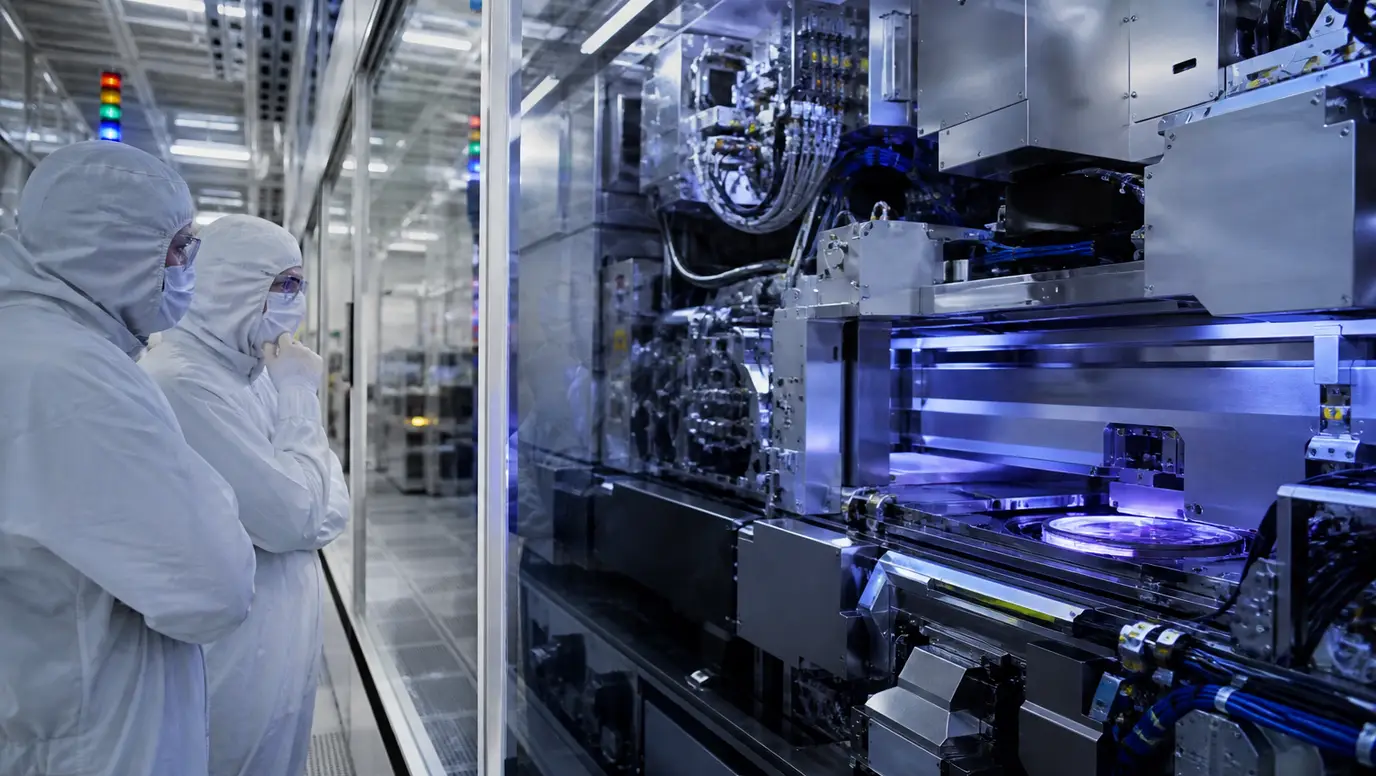
OCTOBER 14, 2026
ASML Stock Swings as AI Demand Lifts Sales Outlook and Supply Warning Caps Rally
OCTOBER 13, 2026
FTSE 100 Hits Three-Week High as Bank Stocks and Lower Gilt Yields Lift London Index
OCTOBER 13, 2026
Semiconductors Slide as Wall Street Weighs Bank Earnings and AI Rally Risk
OCTOBER 12, 2026
UnitedHealth Stock Slips as Traders Brace for Q3 Earnings and Medical-Cost Guidance
OCTOBER 11, 2026
Hang Seng Index Rebounds as Tech Stocks Lift Hong Kong Market Before China Data
OCTOBER 11, 2026
Bank Stocks Face Earnings Test as S&P 500 Rally Puts Federal Reserve in Focus
OCTOBER 10, 2026
Telecom Stocks Sink as SpaceX Spectrum Deal Resets Wireless Competition Risk
OCTOBER 10, 2026
Russell 2000 Stocks Rebound as Treasury Yields Keep Small-Cap Index on Alert
OCTOBER 9, 2026
Delta Air Lines Stock Falls as Fuel Costs Cut Into Airline Profit Outlook
OCTOBER 8, 2026
PepsiCo Stock Climbs as Earnings Beat Meets North America Warning
OCTOBER 4, 2026
Nvidia Stock Hits Record as AI Buyback Puts Cash Returns in Focus
OCTOBER 3, 2026
Synaptics Stock Jumps as onsemi Semiconductor Deal Turns to $5.7 Billion Cash Offer
OCTOBER 2, 2026
Nike Stock Slides as Revenue Miss and China Weakness Deepen Turnaround Test
OCTOBER 1, 2026
Stacks STX Jumps as Bitcoin DeFi Yield Narrative Revives Crypto Market Rotation
SEPTEMBER 30, 2026
Carnival CCL Stock Holds Rally as Record Earnings Put Cruise Shares Back in Focus
SEPTEMBER 28, 2026
Vail Resorts Stock Faces Earnings Test as Investors Watch Pass Sales and Weather Risk
SEPTEMBER 23, 2026
IonQ Stock Rally Puts Quantum Stocks Back on Wall Street's Growth Radar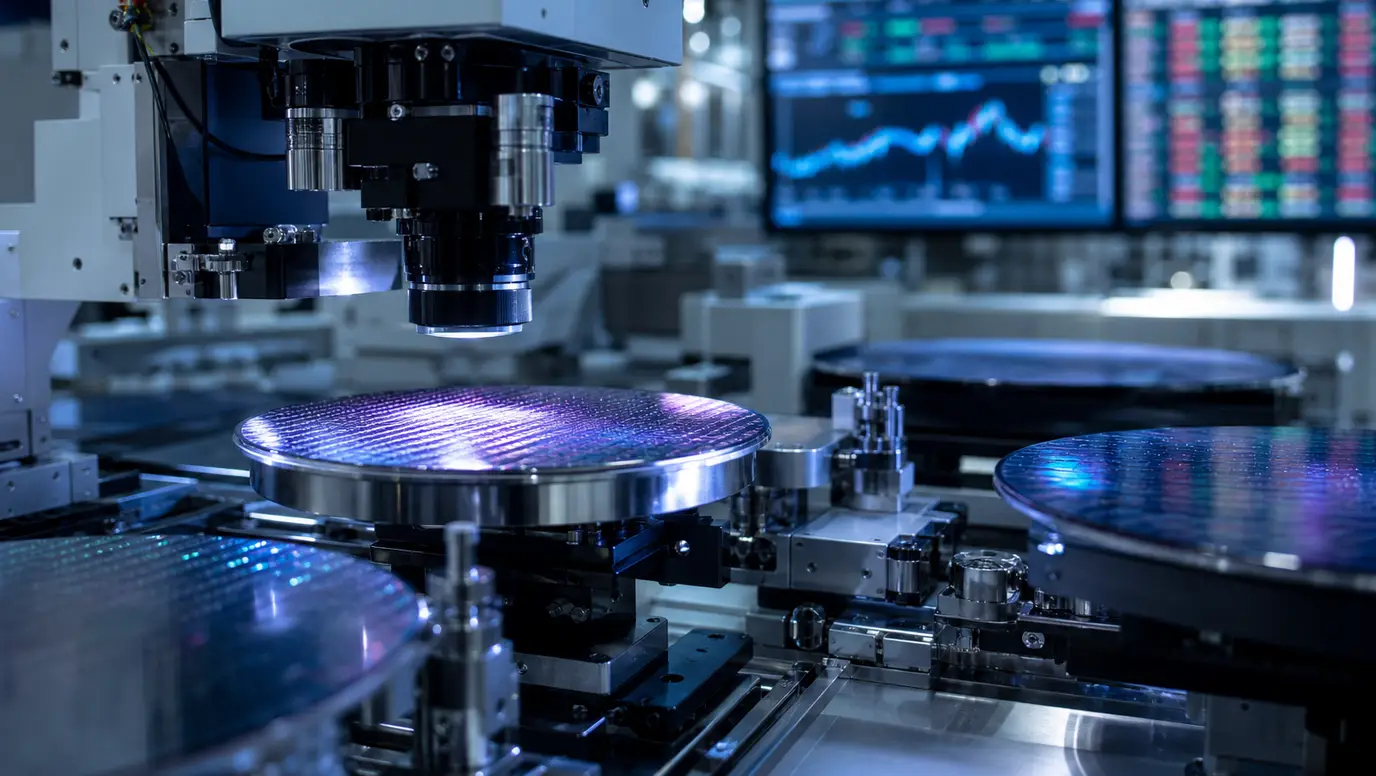
SEPTEMBER 22, 2026
AMD Holds $1 Trillion Value as AI Chip Rally Keeps Stock Market Bid
SEPTEMBER 20, 2026
Berkshire Hathaway Stock Faces Succession Test as Buffett Leaves Chair
SEPTEMBER 17, 2026
Tokenized Stocks Get SEC Green Light as Stock Market Tests Onchain Trading