
JUNE 25, 2026
Euro Slides Below $1.14 as PCE Relief Fails to Break Dollar’s Forex GripEuro stays under pressure below $1.14 as in-line PCE cools dollar momentum but keeps Fed rate risk alive across forex markets.

© 1box.site 2026
JUNE 25, 2026
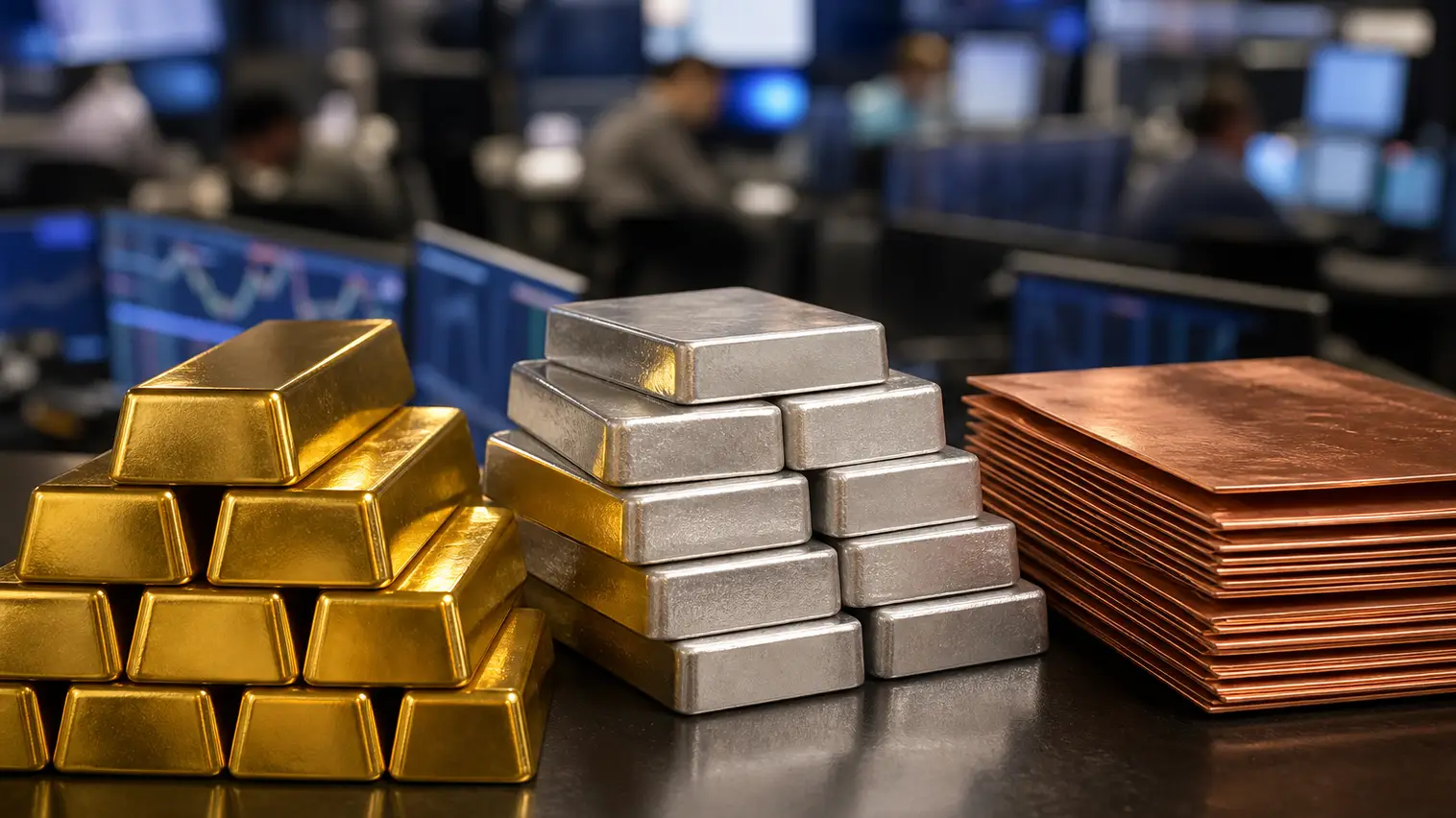
Gold remained under pressure on Thursday after slipping below the $4,000-an-ounce threshold, keeping the wider metals market focused on the U.S. dollar, Treasury yields and the Federal Reserve’s policy path. The move marked a notable loss of momentum for bullion after months in which safe-haven demand, central bank buying and inflation hedging had supported elevated prices.
Spot gold hovered near a more than seven-month low after a third consecutive decline, while silver and platinum also traded defensively. The pressure came even as the latest U.S. inflation reading offered no major upside shock, suggesting that metals traders are still more concerned about the level of real yields and the possibility that U.S. rates stay restrictive for longer.
The immediate problem for gold is that a stronger dollar raises the cost of bullion for non-U.S. buyers, while higher yields increase the opportunity cost of holding a non-interest-bearing asset. That combination has turned the $4,000 area from a psychological support zone into a key resistance test for short-term traders.
The latest core inflation data matched market expectations on a monthly basis, but it did not materially change the view that the Federal Reserve has limited room to ease policy quickly. For metals, that means any rebound may require either a clear retreat in Treasury yields or fresh evidence that inflation is cooling enough to reduce the risk of additional tightening.
Gold’s decline of more than 6% since last week’s Fed decision has also forced funds to reassess positioning. Momentum accounts that had followed the rally higher are now watching whether the market can stabilize above recent intraday lows, while longer-term buyers may wait for evidence that physical demand and central bank purchases are absorbing the selloff.
Silver weakened alongside gold, although its industrial demand profile leaves it exposed to a different set of signals. A stronger dollar is negative for precious metals broadly, but silver traders are also monitoring solar demand, electronics demand and manufacturing indicators for signs that the industrial side of the market can offset pressure from rates.
Platinum also slipped as investors reduced exposure to precious metals with cyclical demand characteristics. The market remains sensitive to auto-sector demand, substitution trends in emissions systems and supply risks from major producing regions, but the day’s trade showed that macro pressure is still dominating metal-specific fundamentals.
For base metals, copper remains the key industrial gauge. The metal has held up better than gold over parts of the year because of tight supply narratives and expectations for power-grid and electrification demand. Still, a firmer dollar and doubts about global growth can quickly limit rallies in copper, aluminum, zinc and nickel when investors shift away from cyclical commodities.
The next phase for the metals market will likely depend on whether the dollar extends its rally after the inflation data. If currency strength fades and yields stabilize, gold could attempt to rebuild support around the $4,000 region. If the dollar continues to climb, traders may test lower support levels before bargain buying becomes more visible.
In the near term, the market’s message is cautious. Gold still has structural support from reserve diversification and geopolitical hedging, while silver and copper retain long-term demand links to energy transition spending. But the current trading setup is being led by macro forces, and those forces remain unfavorable as long as the Fed rate premium stays intact.
That leaves metals investors with a narrower playbook: watch the dollar, watch real yields and watch whether the recent fall attracts physical demand. Until those signals improve, rallies in gold and silver may be treated as corrective rather than as confirmation that the broader metals bull trend has resumed.
JUNE 25, 2026
Euro Slides Below $1.14 as PCE Relief Fails to Break Dollar’s Forex Grip
JUNE 24, 2026
Tin-Led Metals Selloff Deepens as Silver Volatility Flags Macro Stress
JUNE 24, 2026
Dollar Breakout Squeezes Yen as Fed Hike Bets Shake Forex Market
JUNE 23, 2026
Metals Retreat Broadens as PCE Countdown Hits Gold, Silver and Copper
JUNE 23, 2026
Dollar Firms as Pound Whipsaws and Euro Slips on Fed Rate Premium
JUNE 22, 2026
Copper Leads Metals Watch as Gold Waits for Dollar and Yield Break
JUNE 22, 2026
Yen Carry Trade Stays Hot as Dollar Bulls Test Tokyo’s Limits
JUNE 22, 2026
Oil Risk Premium Fades as Brent and WTI Slide on Fresh U.S.-Iran Talks
JUNE 21, 2026
Gold Tests $4,000 Risk as Copper Demand Keeps Metals Market Split
JUNE 21, 2026
Euro Bears Regroup as US Dollar Rally Shifts Focus to Fed-ECB Rate Gap
JUNE 20, 2026
Gold and Silver Slide as Hawkish Fed Signal Puts Metals Back on Yield Watch
JUNE 20, 2026
Dollar Holds Breakout as Yen Weakness Puts Intervention Risk Back in Focus
JUNE 19, 2026
Copper Holds Firm as Metals Traders Reprice Dollar and Fed Rate Risk
JUNE 19, 2026
Dollar Breakout Pressures Pound and Yen as Fed and BoE Divergence Reprices FX
JUNE 17, 2026
Silver Holds Near $70 as Fed Decision Puts Industrial Metals Trade on Alert
JUNE 17, 2026
Dollar Steadies as Euro Rally Stalls Before Fed Decision
JUNE 16, 2026
Gold Extends Rebound as Iran Deal Cools Rate-Hike Fears Before Fed
JUNE 16, 2026
Yen Stays Near 160 After BOJ Hike as Dollar Awaits Fed Signal
JUNE 15, 2026
Gold Stalls as Dollar Strength Tests Metals Before Fed Decision
JUNE 15, 2026
Dollar Pauses as Euro Traders Brace for Fed Dot Plot and BOJ Decision
JUNE 14, 2026
Platinum and Palladium Pullback Tests the PGM Deficit Trade
JUNE 14, 2026
Yen Carry Trade Faces Volatility Test as Fed and BOJ Week Opens
JUNE 13, 2026
Gold Holds Safe-Haven Bid as Silver Volatility Sets Up Fed Week Metals Test
JUNE 13, 2026
Dollar Holds Firm as Euro Rally Fades Before Fed Week
JUNE 12, 2026
Copper Leads Metals Rebound as Softer Dollar Revives Gold and Silver Demand
JUNE 12, 2026
Yen Near 160 as Dollar Finds Support Before Fed-BOJ Policy Collision
JUNE 11, 2026
Gold and Copper Slide as Hot PPI Puts Metals Market Back Under Yield Pressure
JUNE 11, 2026
Euro Stalls After ECB Hike as Hot U.S. PPI Keeps Dollar Demand Alive
JUNE 10, 2026
Dollar Eases as In-Line CPI Cools Fed Hike Premium in Forex Market
JUNE 9, 2026
Gold Stabilizes Before CPI as Rate-Hike Risk Keeps Metals Rebound in Check