JUNE 3, 2026
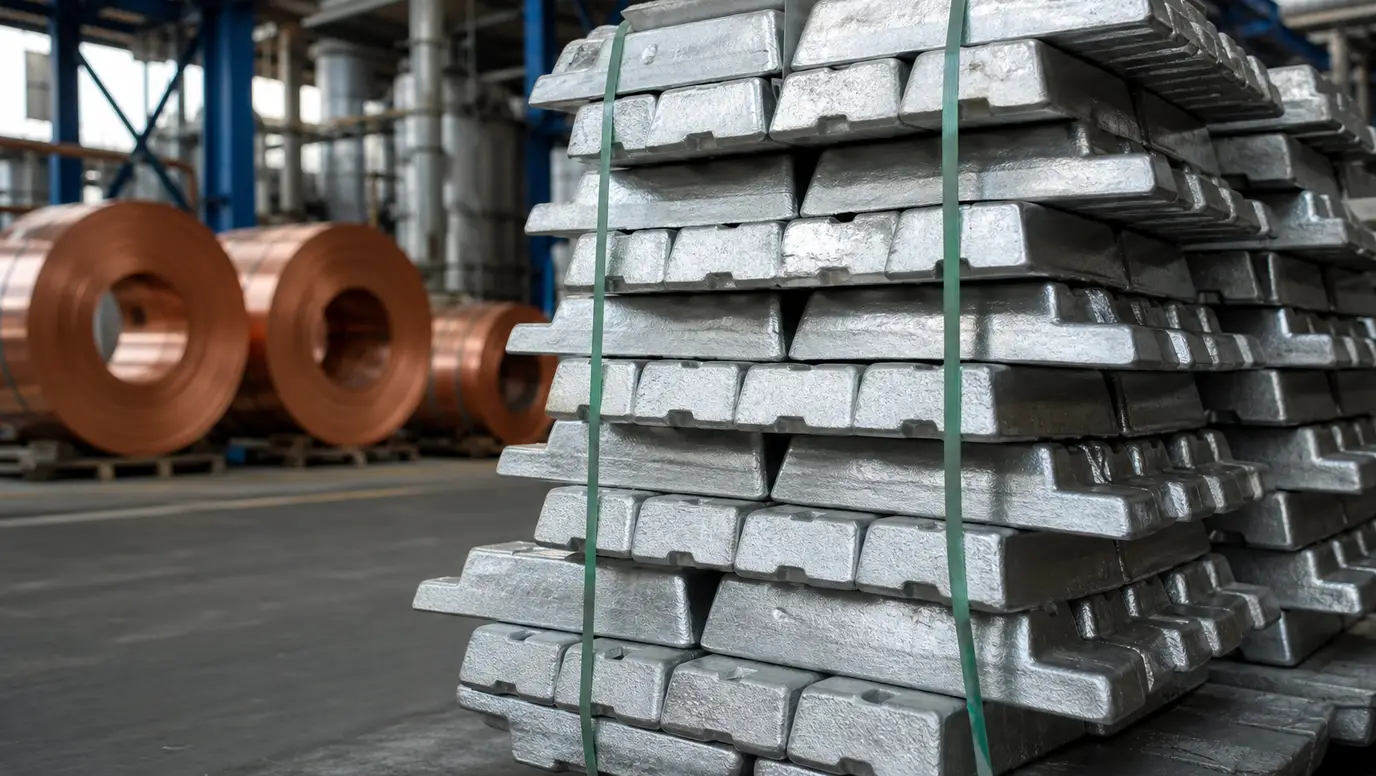
Aluminum Squeeze Takes Lead in Metals Market as Low Stocks Lift PremiumsAluminum tightness leads metals as low inventories and firm energy costs lift prices while gold watches yields and the dollar.

© 1box.site 2026

JUNE 3, 2026
U.S. equity benchmarks paused near record territory on Wednesday, June 3, as a rebound in crude oil prices interrupted the latest leg of Wall Street’s rally and pushed investors back toward inflation-sensitive risk checks.
The S&P 500 slipped about 0.3% in morning trading after closing above 7,600 for the first time a day earlier. The Dow Jones Industrial Average was the weakest of the main gauges, falling roughly 339 points, or 0.7%, while the Nasdaq Composite also moved lower by about 0.3% as traders weighed oil, yields and the durability of the AI-led advance.
The pullback did not erase the broader bullish backdrop. All three major U.S. indexes had just notched record closing highs, helped by strong corporate updates, resilient megacap technology demand and continued optimism around artificial intelligence investment. But the latest session showed how quickly macro pressure can reassert itself when valuations are elevated and index gains are concentrated near the top of the market.
The immediate pressure point was energy. Brent crude climbed back toward the upper-$90s per barrel area, reviving concerns that higher transport, logistics and input costs could slow the disinflation trend that equity investors have been counting on. For broad indexes, the issue is not just higher oil itself, but what a sustained move could mean for margins, consumer spending and Federal Reserve policy expectations.
That is why the Dow’s underperformance mattered. The blue-chip benchmark is more exposed to industrial, consumer and economically sensitive shares than the tech-heavy Nasdaq. When oil prices rise sharply, investors often reassess cyclicals first, especially if the move threatens to keep Treasury yields firm and delay any easing in financial conditions.
The S&P 500 remains close enough to its highs that the session looked more like a pause than a trend reversal. Still, the index now faces a higher bar. With the benchmark already up strongly for the year, traders are less willing to chase broad exposure unless earnings momentum, inflation expectations and bond yields all remain supportive at the same time.
The Nasdaq’s smaller decline showed that AI-linked enthusiasm is still providing a cushion for growth indexes. Recent hardware, cloud and semiconductor headlines have reinforced the view that corporate spending on AI infrastructure remains a central driver of U.S. equity leadership.
However, the index-market story is increasingly about breadth. A rally led by a narrow group of large technology names can continue for longer than skeptics expect, but it becomes more vulnerable when external shocks hit. If oil keeps pressuring inflation expectations or Treasury yields move higher, investors may demand stronger participation from industrials, financials, health care and consumer sectors before assigning fresh upside to the S&P 500.
For the Nasdaq 100, the key question is whether AI demand can offset a less friendly rate backdrop. Higher yields tend to reduce the present value of long-duration earnings, which matters most for expensive growth shares. That does not automatically break the trend, but it can make intraday swings sharper and increase the importance of earnings guidance from the largest index constituents.
Wednesday’s market tone also reflected the calendar. Investors are watching private payrolls, services activity and the upcoming government jobs report for clues on whether the economy is strong enough to support earnings without forcing the Fed to stay restrictive for longer.
That balance is delicate for index investors. Softer data could revive rate-cut hopes but raise questions about demand. Stronger data could support earnings estimates but keep yields elevated. In the current setup, the best outcome for equities would be steady growth, easing price pressure and no further escalation in energy costs.
Until that combination is clearer, the S&P 500’s record zone is likely to act as both a magnet and a ceiling. Buyers still have momentum on their side, but the oil rebound has reminded the market that the next phase of the index rally may require more than AI optimism alone.
JUNE 3, 2026
Aluminum Squeeze Takes Lead in Metals Market as Low Stocks Lift Premiums
JUNE 3, 2026
Dollar Rebound Faces Services PMI Test as Forex Traders Reprice Payrolls Week
JUNE 3, 2026
Stock Market Turns Selective as AI Earnings and Defensive Winners Split the Tape
JUNE 2, 2026
Index Rally Faces Fed Test After Job Openings Jump to 7.6 Million
JUNE 2, 2026
Dollar Holds Its Ground After JOLTS Surprise as Euro and Yen Face Separate Tests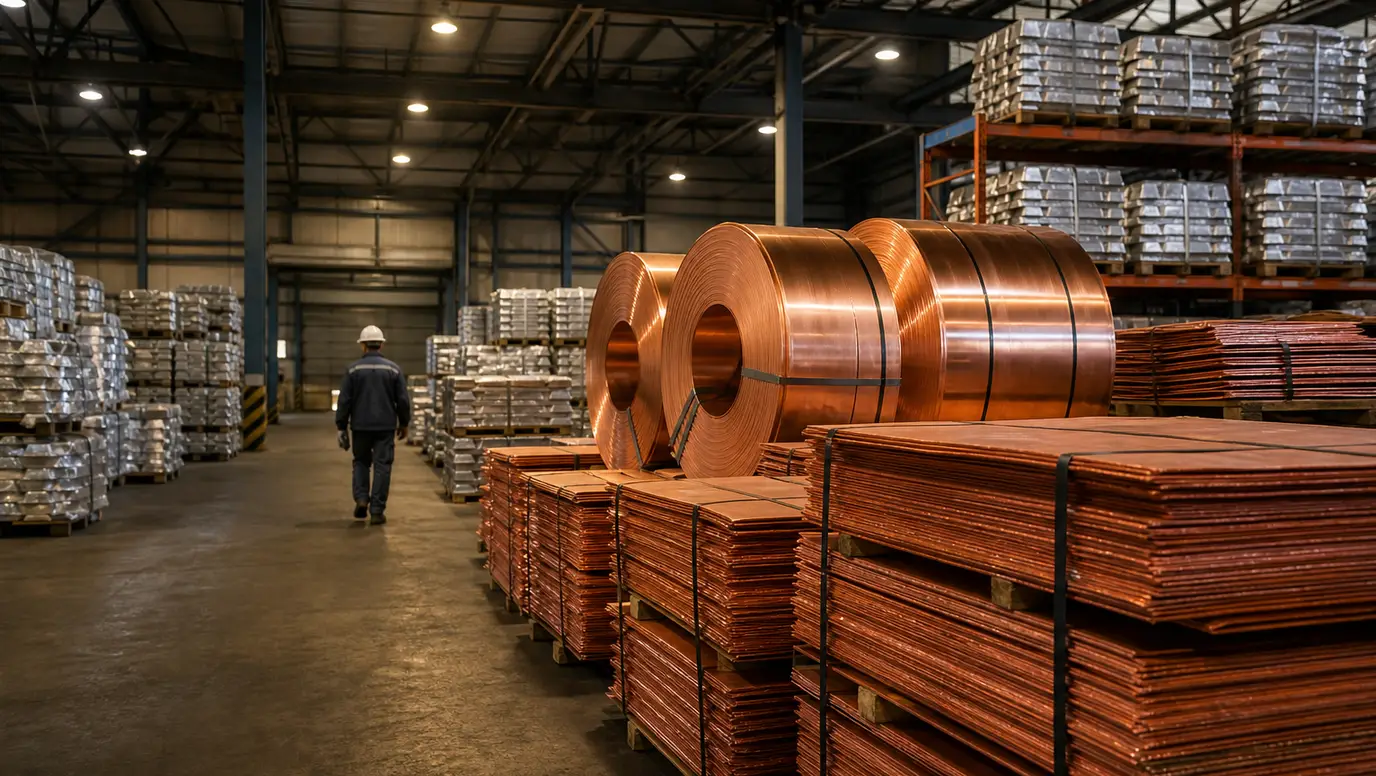
JUNE 2, 2026
Copper Tariff Premium Leads Metals Market as Gold Waits for Jobs Data
JUNE 1, 2026
Wall Street Records Hold as Oil Shock Tests Index Rally at Start of Jobs Week
JUNE 1, 2026
Nvidia AI PC Push Lifts Hardware Stocks as Intel Feels New Pressure
JUNE 1, 2026
Dollar Finds Support as Oil Risk and Payrolls Week Reset Forex Trade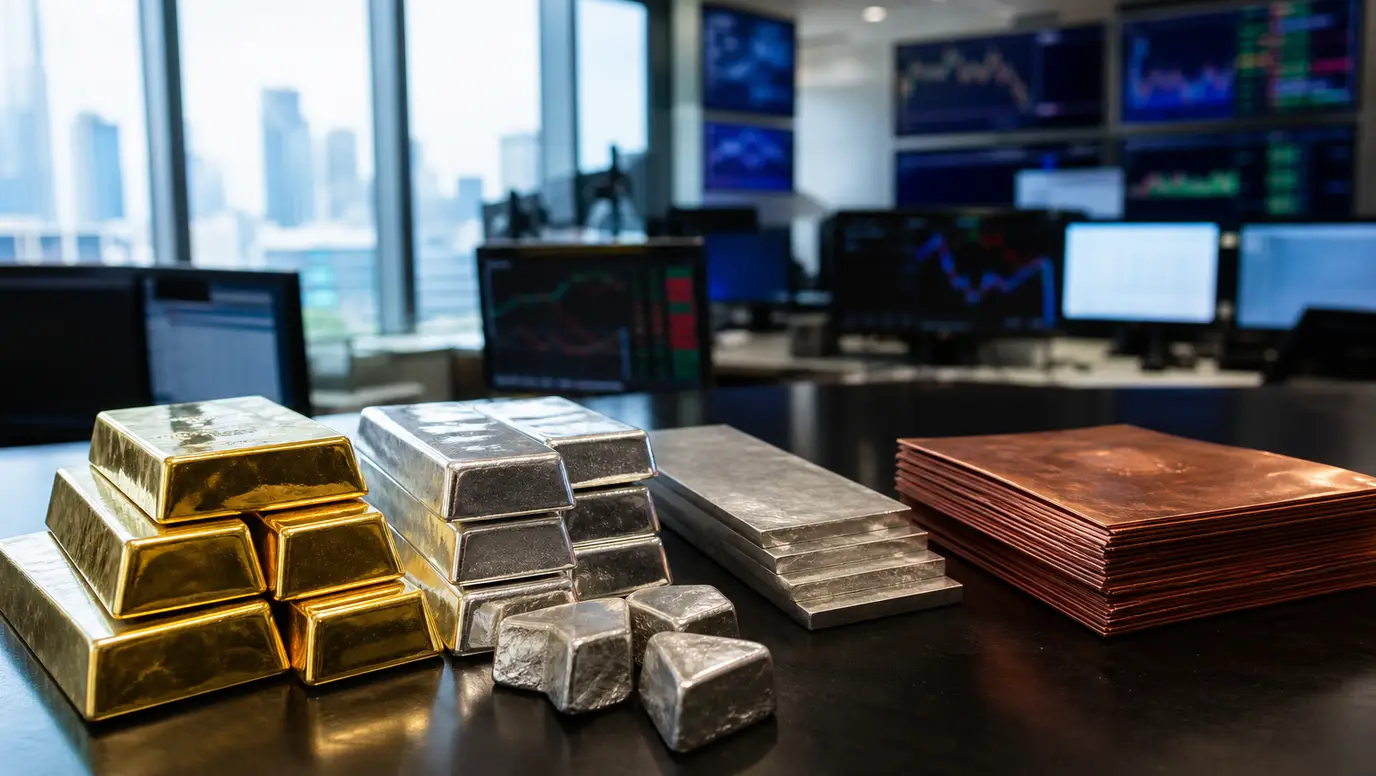
JUNE 1, 2026
Gold Slips as Platinum, Silver and Copper Keep Metals Trade Split
MAY 31, 2026
Nasdaq 100 Above 30,000 Puts Index Rally on Payrolls Watch
MAY 31, 2026
Broadcom and CrowdStrike Earnings Put AI Stock Rally on June Watch
MAY 31, 2026
EUR/USD Faces June Data Test as Dollar Traders Shift From PCE to Payrolls
MAY 31, 2026
Copper Premium Keeps Metals Market Active as Gold Turns to June Jobs Data
MAY 30, 2026
Micron’s Trillion-Dollar Run Shifts AI Stock Rally Toward Memory Chips
MAY 30, 2026
S&P 500 Nine-Week Streak Puts Index Breadth on Trial for June
MAY 30, 2026
Yen Intervention Tally Puts Dollar Bulls on Notice as Forex Market Enters June
MAY 30, 2026
Silver Holds the Spotlight as Month-End Metals Trade Splits After Inflation Data
MAY 29, 2026
Dell Surge Puts AI Server Demand Back at Center of Stock-Market Trade
MAY 29, 2026
U.S. Index Rally Enters Friday at Records as Traders Look Past Hot PCE
MAY 29, 2026
Gold Rebounds as Softer Yields Lift Metals, While Copper Holds Monthly Advance
MAY 29, 2026
Dollar Softens as Cooler Core PCE and Easing Haven Demand Shift Forex Focus to Euro and Yen
MAY 28, 2026
S&P 500 Stalls Near Record as GDP Cut and Sticky PCE Test Index Bulls
MAY 28, 2026
Salesforce Guidance Puts AI Software Stocks on Trial as Costco Earnings Loom
MAY 28, 2026
Gold Tests Two-Month Low as PCE Countdown Keeps Metals on Defensive
MAY 28, 2026
Dollar Rally Faces PCE Test as Yen Intervention Risk Returns to FX Desks
MAY 27, 2026
AI Stock Rotation Tests Wall Street as Traders Reprice Growth Risk
MAY 27, 2026
S&P 500 Holds Near Record as Lower Oil Prices Shift Index Leadership
MAY 27, 2026
Dollar Breakout Bets Build as Fed Inflation Focus Pressures Yen and Euro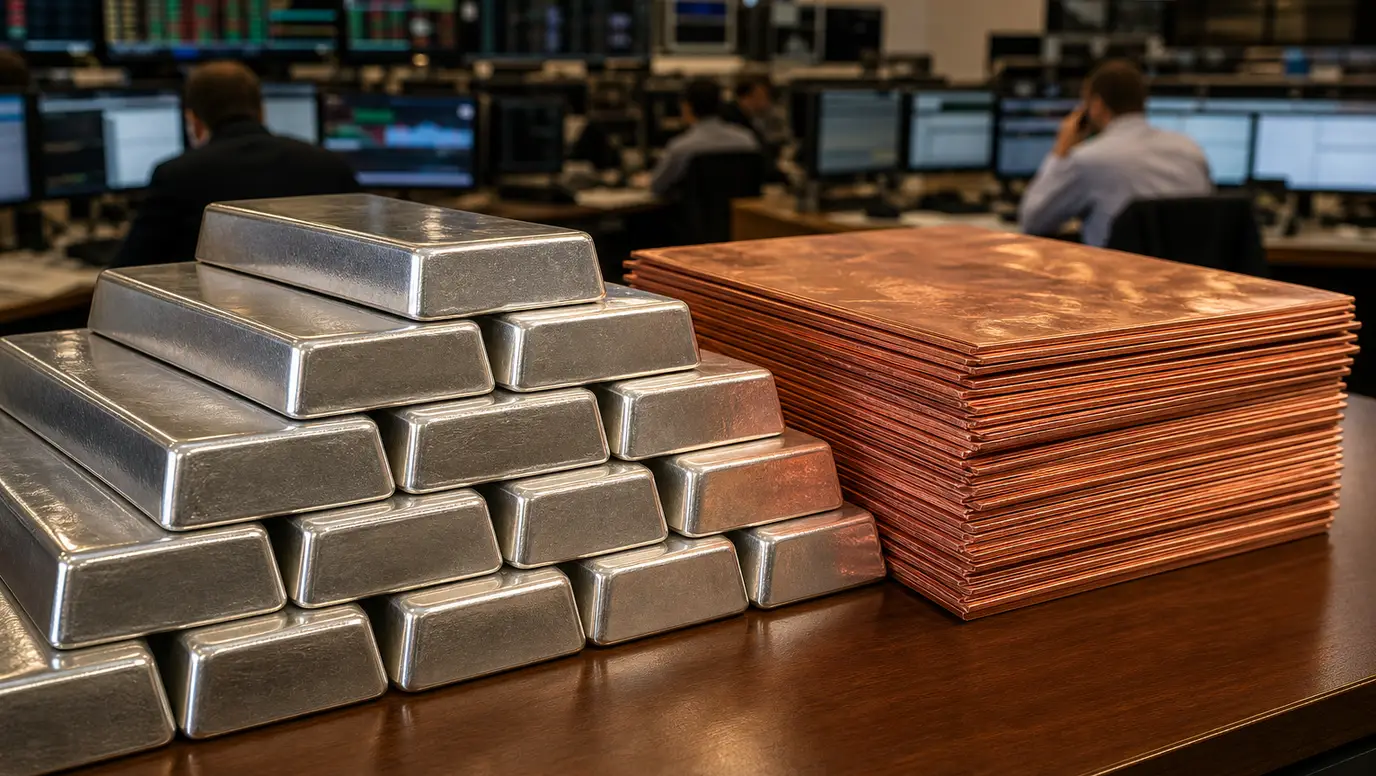
MAY 27, 2026
Silver Leads Metals Lower as Copper Resilience Highlights Split in Demand