
JULY 6, 2026
Gold Pullback and Copper Resilience Split Metals Market as Dollar StabilizesGold slipped from a two-week high while copper held firm, leaving metals traders focused on the dollar, yields and industrial demand.

© 1box.site 2026

JUNE 9, 2026
Fresh news flow is strongest in the index market today, where U.S. benchmarks are trying to stabilize after last week’s technology-led selloff. The Dow Jones Industrial Average moved ahead of the Nasdaq in early Tuesday trade, while the S&P 500 edged closer to its recent record zone as investors weighed a rebound in artificial intelligence shares against lingering caution over rates and valuations.
The session marks a shift from the Nasdaq-led bounce seen at the start of the week. The S&P 500 was modestly higher and remained within striking distance of its record high, while the Dow posted the clearer advance. The Nasdaq Composite was little changed, suggesting that dip buying in megacap technology is no longer enough on its own to deliver broad index momentum.
The Dow’s relative strength matters because it points to a broader attempt by investors to rebuild exposure outside the most crowded growth trades. When industrials, financials, health care and defensive blue chips participate, the index market becomes less dependent on a handful of AI-linked names. That is especially important after last week’s sharp pressure on large technology stocks briefly exposed concentration risk across the S&P 500 and Nasdaq.
For now, the S&P 500 is benefiting from both sides of the rotation. It still receives support from technology and communication services, but steadier demand for value and cyclical shares is helping limit downside volatility. If that balance holds, the benchmark could continue to challenge its record area even if Nasdaq leadership remains uneven.
The Nasdaq’s slower follow-through shows that traders are becoming more selective after the rebound in AI shares. The market is not abandoning the growth theme, but it is asking whether earnings expectations, capital spending plans and bond yields can still justify elevated multiples. That makes the next phase of the rally more dependent on breadth than on a single high-profile recovery trade.
Semiconductor and AI-related stocks remain central to intraday sentiment. However, the index reaction suggests investors are less willing to chase every rebound without confirmation from the wider market. A firmer Nasdaq close would improve confidence, but another fade could revive concern that last week’s selloff was not fully repaired.
The next major test for the index market is the inflation outlook. Traders are watching whether upcoming price data reinforces the idea that the Federal Reserve can stay patient, or whether sticky inflation keeps Treasury yields elevated and pressures equity valuations. A softer inflation reading would likely support rate-sensitive growth shares, while a hotter print could push investors back toward cash-flow visibility and defensive sectors.
Oil’s pullback is helping risk appetite by easing one source of inflation anxiety, but the benefit remains conditional. If energy prices stay contained and yields do not climb, the S&P 500 could retain its record-watch status. If yields rise again, the Nasdaq may struggle to extend its rebound, and the Dow’s leadership could become a sign of caution rather than confidence.
Overall, the index market is entering a cleaner but more demanding phase. The S&P 500 has recovered enough to bring records back into view, the Dow is showing useful breadth, and the Nasdaq is proving that AI momentum still matters. The question for investors is whether those three forces can move together, or whether the market’s recovery splits again as macro data returns to the center of trading.
JULY 6, 2026
Gold Pullback and Copper Resilience Split Metals Market as Dollar Stabilizes
JULY 6, 2026
Nasdaq Leads Index Market Rebound as Chip Recovery Offsets Dow Drift
JULY 5, 2026
Copper Tariff Delay Keeps Metals Market on Edge as Gold Holds Jobs-Report Rebound
JULY 5, 2026
Dollar Rebound Puts Forex Market on Fed Minutes Watch After Payroll Shock
JULY 4, 2026
Silver and Zinc Lead Broad Metals Rally as Dollar Weakness Extends Holiday Bounce
JULY 4, 2026
Nasdaq Weakness Puts Index Market Breadth Back in Focus as Dow Rotation Holds
JULY 3, 2026
Dow Record Sets Up Global Index Rally as U.S. Holiday Thins Trading
JULY 2, 2026
Gold and Silver Regain Momentum as Softer Jobs Signals Pull Yields Lower
JULY 2, 2026
Euro and Pound Rally as Weak June Payrolls Knock the Dollar Lower
JULY 2, 2026
S&P 500 Firms as Dow Outruns Nasdaq After June Payroll Shock
JULY 2, 2026
Stock Market Rises as Soft June Jobs Data Eases Fed Hike Fears
JULY 1, 2026
Dollar Fades After Fed Inflation Signal as Yen Intervention Risk Grips Forex Market
JULY 1, 2026
S&P 500 Wavers as Nasdaq Drag Shows Yield Risk After Strong Quarter
JUNE 30, 2026
Gold Nears Worst Quarter Since 2013 as Fed Bets Reprice Metals Market
JUNE 30, 2026
S&P 500 Edges Higher as Nasdaq Leads Cautious Index Market Into Jobs Data
JUNE 30, 2026
Dollar Keeps Forex Market on Edge as Jobs Data Looms and Yen Risk Spreads
JUNE 30, 2026
AI Stocks Lead Wall Street Rebound as Nvidia and Micron Steady Chip Trade
JUNE 29, 2026
S&P 500 Rebound Lifts Index Market as Nasdaq Recovers and Russell 2000 Lags
JUNE 28, 2026
Yen Watch Dominates Forex Market as Quarter-End Flows Test Dollar Rally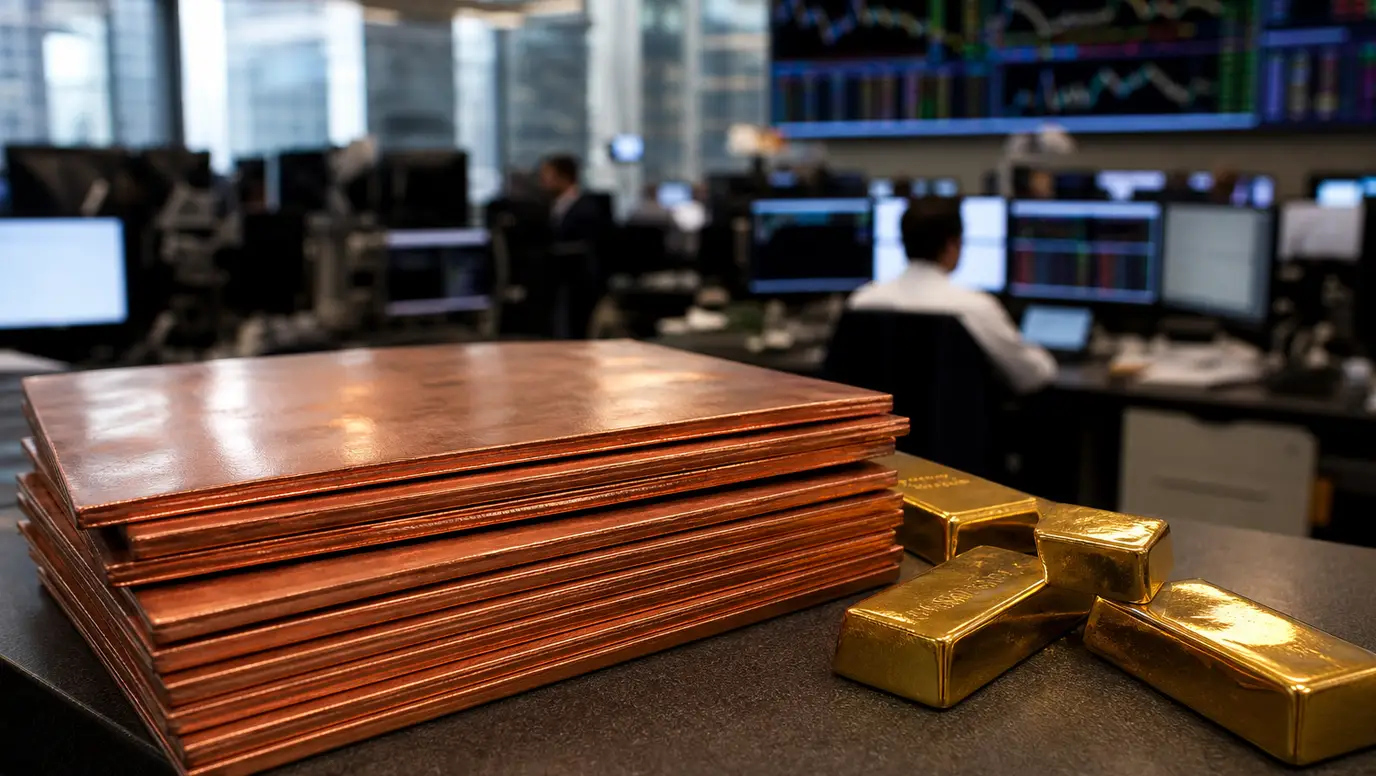
JUNE 28, 2026
Copper Tariff Deadline Overtakes Gold Rebound as Metals Market Enters Quarter-End
JUNE 28, 2026
AI Stocks Keep Wall Street on Defense as Oil Relief Meets Quarter-End Positioning
JUNE 27, 2026
S&P 500 Slips Despite Better Breadth as AI Drag Reshapes Index Market
JUNE 26, 2026
Yen Finds Weekend Bid as Dollar Pullback Shifts Forex Focus to Intervention Risk
JUNE 25, 2026
Gold Break Below $4,000 Keeps Metals Market on Dollar and Rate Alert
JUNE 25, 2026
Euro Slides Below $1.14 as PCE Relief Fails to Break Dollar’s Forex Grip
JUNE 25, 2026
Nasdaq Rebound Puts Index Market Breadth Back in Focus as Chip Rally Meets Rate Risk
JUNE 23, 2026
Dollar Firms as Pound Whipsaws and Euro Slips on Fed Rate Premium
JUNE 23, 2026
Nasdaq Slide Tests S&P 500 as Dow Resilience Highlights Index Rotation
JUNE 22, 2026
Copper Leads Metals Watch as Gold Waits for Dollar and Yield Break
JUNE 22, 2026
Yen Carry Trade Stays Hot as Dollar Bulls Test Tokyo’s Limits