
JUNE 10, 2026
Silver Leads Metals Selloff as Copper Hits Three-Week Low on Growth FearsSilver and copper drop as rate risk, growth worries and weak China demand signals pressure metals despite tight inventory pockets.

© 1box.site 2026

JUNE 10, 2026
U.S. index futures steadied after a volatile inflation-driven morning on Wednesday, with the S&P 500 and Nasdaq 100 attempting to recover part of an earlier slide as traders weighed a firm headline CPI reading against a milder core inflation signal. The move kept the index market focused on whether the recent pullback in high-growth technology shares is a short reset or the beginning of a broader rotation away from the most crowded AI-linked trades.
May consumer inflation rose 0.5% from the prior month and 4.2% from a year earlier, matching broad expectations on the headline measure. More important for equity valuations, core CPI rose 0.2% on the month and 2.9% annually, a detail that reduced the immediate risk of a sharper rate repricing. Even so, the inflation mix was not soft enough to fully remove pressure from long-duration growth stocks, leaving the Nasdaq more vulnerable than the Dow and other value-heavy benchmarks.
The setup follows a choppy Tuesday session in which the S&P 500 slipped 0.3% to 7,386.65, the Dow Jones Industrial Average rose 0.2% to 50,872.11, and the Nasdaq Composite fell 1% to 25,678.82. That divergence captured the main story for index traders: market breadth has been more resilient than the headline technology tape, but the largest AI and semiconductor-related names still carry enough weight to steer the major benchmarks.
The softer monthly core reading helped Treasury yields avoid a disorderly jump, which is important for equity multiples across the S&P 500 and Nasdaq. However, the year-over-year inflation rate remains above the Federal Reserve’s comfort zone, and investors are unlikely to price an aggressive easing cycle while energy costs and geopolitical risk continue to feed into headline inflation.
For the S&P 500, that creates a narrow path. A stable rates backdrop can support dip-buying near technical support, especially if earnings revisions remain constructive. But a renewed climb in yields would quickly revive questions about whether index valuations already discount too much profit growth from AI infrastructure, cloud spending, and high-margin software demand.
The Dow’s recent relative strength reflects that tension. Industrials, health care, financials, and other cash-flow-oriented groups have provided a cushion while mega-cap technology has struggled to hold rebounds. If that rotation continues, the Dow can outperform even during sessions when the S&P 500 is flat and the Nasdaq is under pressure.
The Nasdaq remains the cleanest gauge of investor confidence in the AI trade. Recent intraday reversals in chip, memory, optical component, and infrastructure names show that traders are becoming less willing to chase extended valuations without clearer confirmation from earnings guidance. This does not mean the AI theme has broken, but it does mean the index market is demanding better proof of revenue durability and margin expansion.
A key concern is concentration. When the S&P 500 rises on the strength of a narrow group of mega-cap stocks, index-level gains can mask weakness underneath the surface. When those same leaders begin to correct, the benchmark can lose momentum even if a majority of its constituents remain stable or higher. That is why breadth indicators, equal-weight index performance, and sector rotation will be watched closely through the rest of the week.
For Nasdaq bulls, a constructive signal would be a recovery led by both semiconductor leaders and secondary AI beneficiaries, rather than a rebound limited to a few defensive mega-caps. For bears, another failure near resistance would reinforce the view that investors are using inflation and rate uncertainty as a reason to reduce exposure to the most expensive growth names.
The next phase for the index market will depend on whether bond yields stay contained after the CPI release and whether upcoming corporate updates can stabilize sentiment toward technology earnings. A calmer Treasury market would make it easier for the S&P 500 to defend recent support, while a renewed yield spike could pressure both the Nasdaq and the broader growth complex.
Investors will also watch whether the Dow can keep absorbing rotation flows. Continued strength in cyclical and defensive sectors would suggest the equity market is undergoing a leadership shift rather than a broad liquidation. But if weakness spreads from AI stocks into banks, industrials, and consumer shares, the S&P 500’s recent range could face a more serious test.
For now, the message from index futures is cautious rather than decisively bearish. The May CPI report eased the worst fears around core inflation, but it did not give traders enough confidence to rebuild aggressive Nasdaq exposure. Until breadth improves and Treasury yields settle, the S&P 500 may remain trapped between dip-buying support and valuation resistance, with the Nasdaq setting the tone for risk appetite across global equity benchmarks.
JUNE 10, 2026
Silver Leads Metals Selloff as Copper Hits Three-Week Low on Growth Fears
JUNE 10, 2026
Dollar Eases as In-Line CPI Cools Fed Hike Premium in Forex Market
JUNE 10, 2026
S&P 500 Slips as Hot CPI Tests AI-Led Stock Market Rally
JUNE 9, 2026
Gold Stabilizes Before CPI as Rate-Hike Risk Keeps Metals Rebound in Check
JUNE 9, 2026
Dow Leads as S&P 500 Nears Record and Nasdaq Recovery Loses Speed
JUNE 9, 2026
Dollar Slips as Euro Finds Relief and Yen Stays Under Pressure
JUNE 8, 2026
Nasdaq-Led Rebound Lifts Index Market as Oil Shock Keeps Risk Appetite Capped
JUNE 8, 2026
Gold Loses Haven Bid as Copper Tariff Premium Splits Metals Market
JUNE 8, 2026
Dollar Holds High Ground as CPI Countdown Resets Forex Market Risk
JUNE 8, 2026
Chip Rebound Pulls Stock Market Higher as AI Dip Buyers Return
JUNE 7, 2026
Index Market Faces Concentration Test After Tech Selloff Breaks Record Run
JUNE 6, 2026
Yen Intervention Risk Takes Over Forex Market as Dollar Rally Clears 160
JUNE 6, 2026
Copper Stockpiling Keeps Metals Market on Edge as Dollar Pressure Hits the Complex
JUNE 6, 2026
Nasdaq Slide Turns Index Market From Record Chase to Weekend Risk Test
JUNE 6, 2026
Chip Rout Turns AI Trade Into Wall Street’s New Weekend Risk
JUNE 5, 2026
S&P 500 Winning Streak Wobbles as Payroll Beat Lifts Yields
JUNE 5, 2026
Gold Leads Metals Lower as Hot Payrolls Revive Rate-Risk Trade
JUNE 5, 2026
Strong Jobs Data Puts Stock Market Rally on Yield Watch as AI Leaders Slip
JUNE 5, 2026
Hot Payrolls Put Dollar Back in Charge as Forex Market Cuts Fed Easing Bets
JUNE 4, 2026
Dow Rotation Splits Index Market as Nasdaq AI Leaders Lose Steam
JUNE 4, 2026
Dollar Safe-Haven Bid Puts Yen Intervention Risk Back in Forex Focus
JUNE 4, 2026
Zinc Breakout Moves to Center of Metals Market as Copper Rally Cools
JUNE 3, 2026
Dow Leads Index Pullback as Oil Rebound Tests Wall Street Records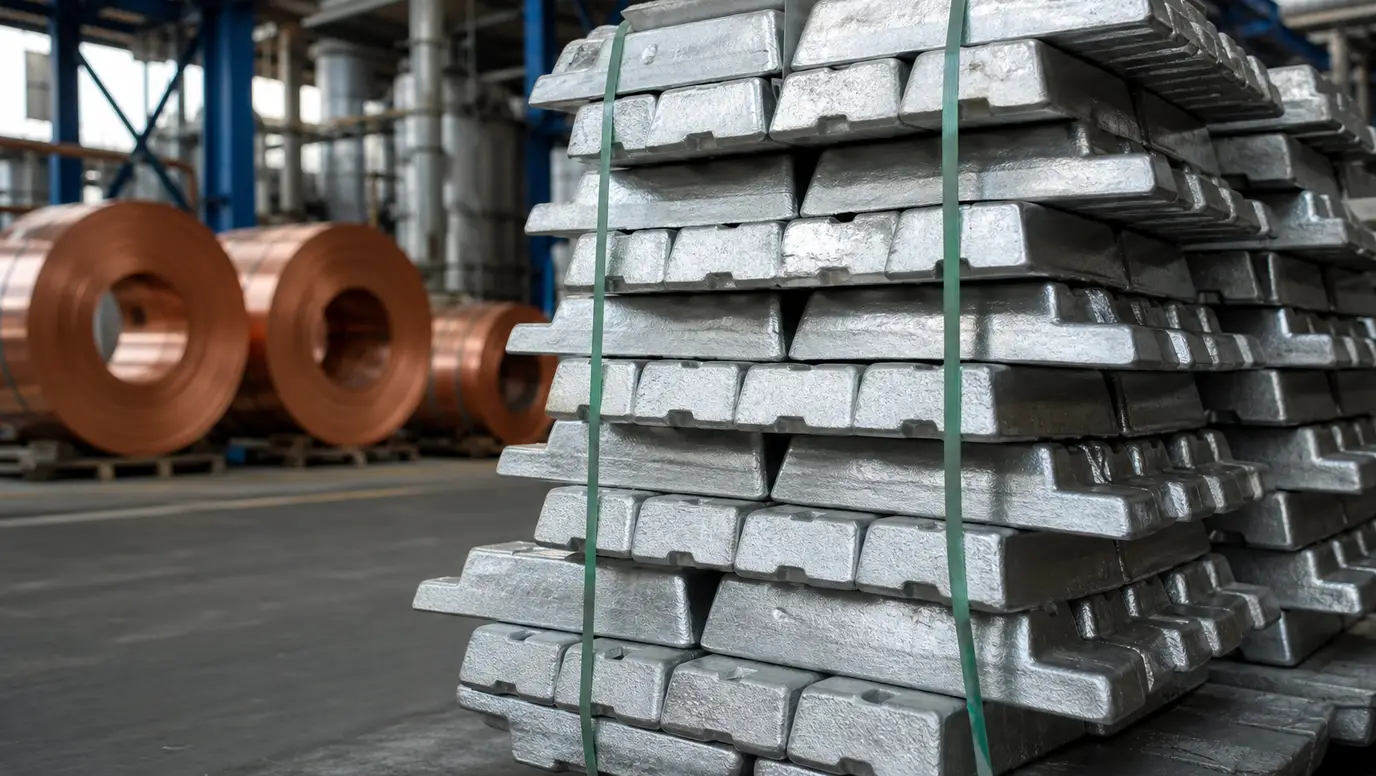
JUNE 3, 2026
Aluminum Squeeze Takes Lead in Metals Market as Low Stocks Lift Premiums
JUNE 3, 2026
Dollar Rebound Faces Services PMI Test as Forex Traders Reprice Payrolls Week
JUNE 3, 2026
Stock Market Turns Selective as AI Earnings and Defensive Winners Split the Tape
JUNE 2, 2026
Index Rally Faces Fed Test After Job Openings Jump to 7.6 Million
JUNE 2, 2026
Dollar Holds Its Ground After JOLTS Surprise as Euro and Yen Face Separate Tests
JUNE 2, 2026
Copper Tariff Premium Leads Metals Market as Gold Waits for Jobs Data
JUNE 1, 2026
Wall Street Records Hold as Oil Shock Tests Index Rally at Start of Jobs Week