
JULY 6, 2026
Gold Pullback and Copper Resilience Split Metals Market as Dollar StabilizesGold slipped from a two-week high while copper held firm, leaving metals traders focused on the dollar, yields and industrial demand.

© 1box.site 2026

JUNE 11, 2026
U.S. stock futures moved higher early Thursday, signaling an attempt to stabilize after the previous session’s sharp risk-off move, as traders turned their attention to producer-price inflation, jobless claims and the next read on whether corporate earnings can keep supporting elevated equity valuations.
The rebound was broad but still cautious. Nasdaq-linked futures led the move, helped by dip-buying in growth shares, while S&P 500 and Dow Jones futures also advanced. The tone suggested investors were not abandoning the equity rally, but they were becoming more selective after a volatile stretch driven by inflation concerns, elevated oil prices and renewed scrutiny of artificial-intelligence spending plans.
The producer-price index now sits at the center of the market’s short-term setup. After consumer inflation data failed to deliver a decisive green light for lower rates, equity traders are looking for confirmation that pipeline price pressures are not building again. A softer PPI reading would support the view that margins can remain resilient and that the Federal Reserve has room to stay patient. A hotter number would risk lifting Treasury yields and putting renewed pressure on long-duration growth stocks.
That rate sensitivity matters because the stock market’s leadership remains concentrated in technology and AI-related names. When yields rise, the valuation premium attached to future earnings becomes harder to defend. When yields stabilize, investors have been quick to return to the same megacap and semiconductor-linked trades that have carried much of this year’s advance.
Market breadth remains the key weakness beneath the surface. The futures bounce points to improved risk appetite, but it does not erase the broader question of whether the rally can broaden beyond a narrow group of growth leaders. Small-cap and cyclical shares have struggled to keep pace whenever inflation or energy prices climb, leaving the S&P 500 more exposed to swings in the largest technology constituents.
Corporate earnings are adding another layer to the market debate. Fresh results from a major enterprise software and cloud company showed that demand tied to AI infrastructure remains strong, but investors reacted warily to heavy capital spending and pressure on free cash flow. That response is important because Wall Street is no longer rewarding AI exposure automatically; companies now need to show that large infrastructure commitments can translate into durable cash generation.
The message for the broader stock market is clear: revenue growth alone may not be enough. Investors are increasingly focused on the quality of earnings, cash conversion and the timeline for returns on AI investment. That creates a more demanding backdrop for software, cloud, semiconductor and data-center suppliers, especially after a powerful run in many of those shares.
Still, the early futures move indicates that traders are willing to separate company-specific disappointment from the broader equity trend. If inflation data cools and yields remain contained, dip-buyers may continue to support the Nasdaq and S&P 500. If PPI surprises to the upside, however, the same AI-heavy leadership group could face another round of valuation compression.
Energy prices remain an important cross-market risk for equities. Elevated crude prices can lift headline inflation expectations, squeeze consumer spending and complicate the Federal Reserve’s policy outlook. For stock investors, the issue is not only the level of oil but the speed of the move, because sudden energy spikes tend to raise volatility across transport, industrial, retail and consumer discretionary shares.
That leaves Thursday’s session with a narrow path for a constructive close. Bulls need a calm inflation print, stable Treasury yields and evidence that buyers are returning beyond a handful of megacap growth names. Bears, meanwhile, will look for any combination of firm PPI, higher yields or weaker earnings quality to argue that the market’s rebound is only a technical recovery after Wednesday’s selloff.
For now, the stock market is trying to reset rather than reverse. Futures are pointing higher, but the next move will depend on whether macro data and earnings commentary can justify the premium investors continue to pay for U.S. equities.
JULY 6, 2026
Gold Pullback and Copper Resilience Split Metals Market as Dollar Stabilizes
JULY 6, 2026
Nasdaq Leads Index Market Rebound as Chip Recovery Offsets Dow Drift
JULY 5, 2026
Copper Tariff Delay Keeps Metals Market on Edge as Gold Holds Jobs-Report Rebound
JULY 5, 2026
Dollar Rebound Puts Forex Market on Fed Minutes Watch After Payroll Shock
JULY 4, 2026
Silver and Zinc Lead Broad Metals Rally as Dollar Weakness Extends Holiday Bounce
JULY 4, 2026
Nasdaq Weakness Puts Index Market Breadth Back in Focus as Dow Rotation Holds
JULY 3, 2026
Dow Record Sets Up Global Index Rally as U.S. Holiday Thins Trading
JULY 2, 2026
Gold and Silver Regain Momentum as Softer Jobs Signals Pull Yields Lower
JULY 2, 2026
Euro and Pound Rally as Weak June Payrolls Knock the Dollar Lower
JULY 2, 2026
S&P 500 Firms as Dow Outruns Nasdaq After June Payroll Shock
JULY 2, 2026
Stock Market Rises as Soft June Jobs Data Eases Fed Hike Fears
JULY 1, 2026
Dollar Fades After Fed Inflation Signal as Yen Intervention Risk Grips Forex Market
JULY 1, 2026
S&P 500 Wavers as Nasdaq Drag Shows Yield Risk After Strong Quarter
JUNE 30, 2026
Gold Nears Worst Quarter Since 2013 as Fed Bets Reprice Metals Market
JUNE 30, 2026
S&P 500 Edges Higher as Nasdaq Leads Cautious Index Market Into Jobs Data
JUNE 30, 2026
Dollar Keeps Forex Market on Edge as Jobs Data Looms and Yen Risk Spreads
JUNE 30, 2026
AI Stocks Lead Wall Street Rebound as Nvidia and Micron Steady Chip Trade
JUNE 29, 2026
S&P 500 Rebound Lifts Index Market as Nasdaq Recovers and Russell 2000 Lags
JUNE 28, 2026
Yen Watch Dominates Forex Market as Quarter-End Flows Test Dollar Rally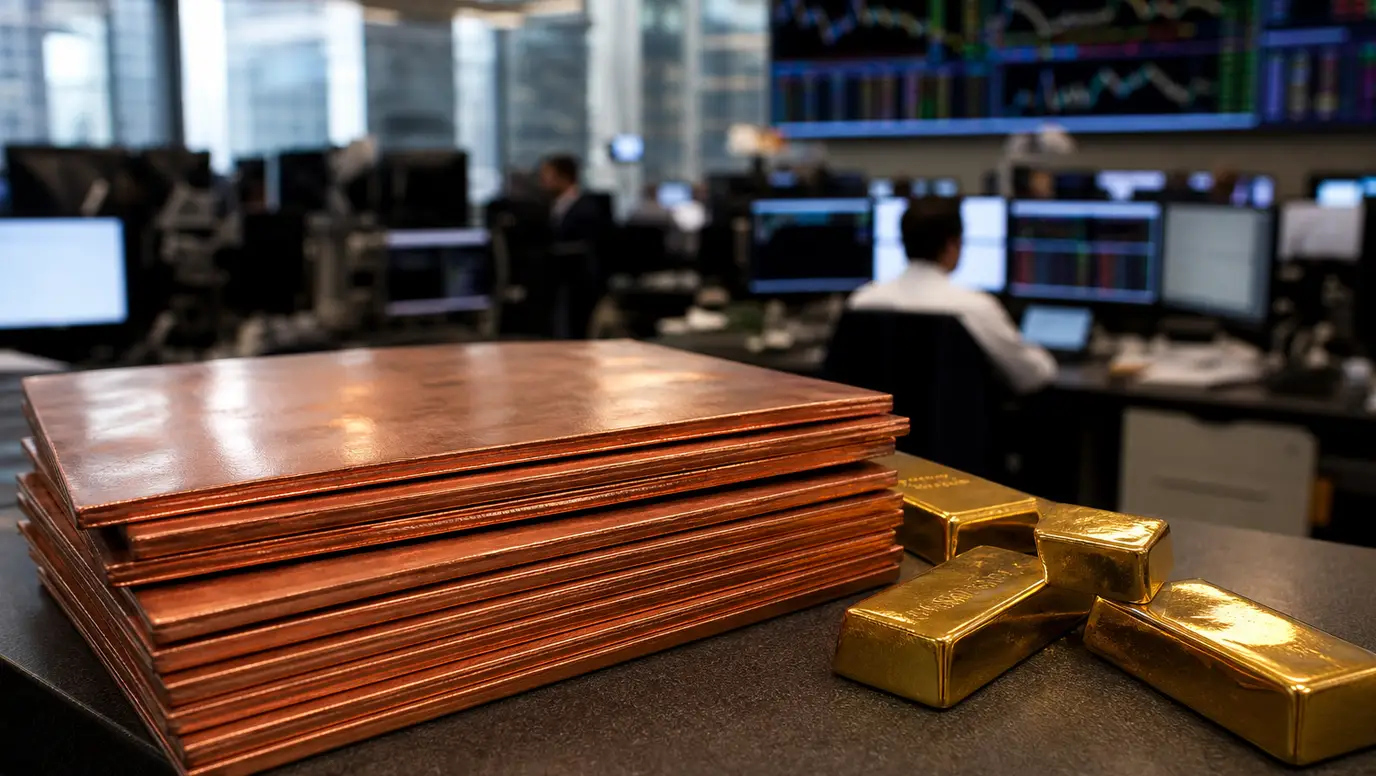
JUNE 28, 2026
Copper Tariff Deadline Overtakes Gold Rebound as Metals Market Enters Quarter-End
JUNE 28, 2026
AI Stocks Keep Wall Street on Defense as Oil Relief Meets Quarter-End Positioning
JUNE 27, 2026
S&P 500 Slips Despite Better Breadth as AI Drag Reshapes Index Market
JUNE 26, 2026
Yen Finds Weekend Bid as Dollar Pullback Shifts Forex Focus to Intervention Risk
JUNE 25, 2026
Gold Break Below $4,000 Keeps Metals Market on Dollar and Rate Alert
JUNE 25, 2026
Euro Slides Below $1.14 as PCE Relief Fails to Break Dollar’s Forex Grip
JUNE 25, 2026
Nasdaq Rebound Puts Index Market Breadth Back in Focus as Chip Rally Meets Rate Risk
JUNE 23, 2026
Dollar Firms as Pound Whipsaws and Euro Slips on Fed Rate Premium
JUNE 23, 2026
Nasdaq Slide Tests S&P 500 as Dow Resilience Highlights Index Rotation
JUNE 22, 2026
Copper Leads Metals Watch as Gold Waits for Dollar and Yield Break
JUNE 22, 2026
Yen Carry Trade Stays Hot as Dollar Bulls Test Tokyo’s Limits