
JULY 6, 2026
Gold Pullback and Copper Resilience Split Metals Market as Dollar StabilizesGold slipped from a two-week high while copper held firm, leaving metals traders focused on the dollar, yields and industrial demand.

© 1box.site 2026

JUNE 11, 2026
U.S. index markets held a cautious upside bias on Thursday as traders weighed a hotter producer-inflation report against continued demand for large-cap growth exposure. The S&P 500, Nasdaq-linked shares and Dow industrial proxies were all trading higher late in the U.S. morning, but the tone was less decisive than the opening rebound suggested.
The move came after May producer prices rose faster than expected, reinforcing the view that inflation pressure is still moving through corporate cost structures. Final-demand producer prices rose 1.1% on the month and 6.5% from a year earlier, while the core measure excluding food, energy and trade services increased 0.8% on the month and 5.1% annually. Goods prices were the main source of pressure, helped by a sharp rise in energy-related costs.
For the index market, the data created a familiar split. Equity benchmarks found support from dip-buying after the prior session’s risk-off move, but the inflation print limited enthusiasm by keeping Federal Reserve tightening risk on the table. That left the Nasdaq outperforming, the S&P 500 grinding higher and the Dow advancing at a slower pace as investors debated whether the rebound was a durable recovery or only a relief move after recent volatility.
The Nasdaq’s relative strength showed that investors are still willing to pay for earnings growth and balance-sheet quality, particularly in large-cap technology and AI-linked sectors. However, the quality of the advance matters. A narrow rally led by a few growth-heavy groups can lift headline benchmarks while leaving broader index breadth fragile.
The S&P 500 remained the key test for risk appetite. A steady move higher in the benchmark suggests investors are not abandoning equities despite the inflation shock, but the index still needs stronger participation from cyclicals, financials and industrial shares to confirm a healthier advance. Without that broader support, traders may continue to treat strength as tactical rather than as the start of a clean breakout.
The Dow’s more modest gain reflected the market’s sensitivity to input costs and interest-rate expectations. A hotter producer-price backdrop can pressure margins for companies that lack pricing power, while higher yields can reduce the appeal of dividend and defensive index components. That makes the Dow an important gauge of whether the day’s buying is spreading beyond growth stocks.
The producer-price surprise matters because it arrives at a point when traders are already watching whether stronger energy costs, transportation prices and services inflation could delay any policy relief from the Federal Reserve. If incoming data continue to show sticky inflation, equity valuations may face a higher discount-rate hurdle, especially in the most expensive parts of the Nasdaq and S&P 500.
Treasury yields therefore remain the central cross-market signal for index traders. A controlled yield reaction would help equities absorb the PPI report, but a renewed jump in longer-dated yields could quickly pressure growth multiples and pull the major benchmarks back toward recent support. The dollar is another watch point because a firmer currency can weigh on multinational earnings expectations inside the S&P 500 and Dow.
Energy-linked inflation is also complicating the index outlook. The latest producer-price details showed that goods inflation was heavily influenced by energy, including gasoline and other fuel categories. That can support energy-sector revenues in the short term, but it also raises the risk of cost pressure across transportation, manufacturing and consumer-facing companies.
Thursday’s price action leaves the index market in a consolidation phase rather than a clear trend reversal. Bulls need to see the S&P 500 hold its gains after the PPI shock, the Nasdaq avoid another failed rebound and the Dow participate enough to show that buying is not limited to a narrow group of growth leaders.
For now, traders are likely to remain selective. Strong earnings visibility and pricing power should remain favored, while highly valued stocks with uncertain cash-flow assumptions may stay vulnerable to any further rise in yields. That keeps the index market focused less on the headline direction of one session and more on whether breadth, rates and volatility can stabilize together.
The immediate setup is constructive but fragile: major benchmarks are higher, buyers are defending the post-selloff rebound, and inflation has not yet triggered a broad equity retreat. Still, the hotter producer-price report makes the next move in Treasury yields and Fed expectations the deciding factor for whether the S&P 500 and Nasdaq can extend gains into the next session.
JULY 6, 2026
Gold Pullback and Copper Resilience Split Metals Market as Dollar Stabilizes
JULY 6, 2026
Nasdaq Leads Index Market Rebound as Chip Recovery Offsets Dow Drift
JULY 5, 2026
Copper Tariff Delay Keeps Metals Market on Edge as Gold Holds Jobs-Report Rebound
JULY 5, 2026
Dollar Rebound Puts Forex Market on Fed Minutes Watch After Payroll Shock
JULY 4, 2026
Silver and Zinc Lead Broad Metals Rally as Dollar Weakness Extends Holiday Bounce
JULY 4, 2026
Nasdaq Weakness Puts Index Market Breadth Back in Focus as Dow Rotation Holds
JULY 3, 2026
Dow Record Sets Up Global Index Rally as U.S. Holiday Thins Trading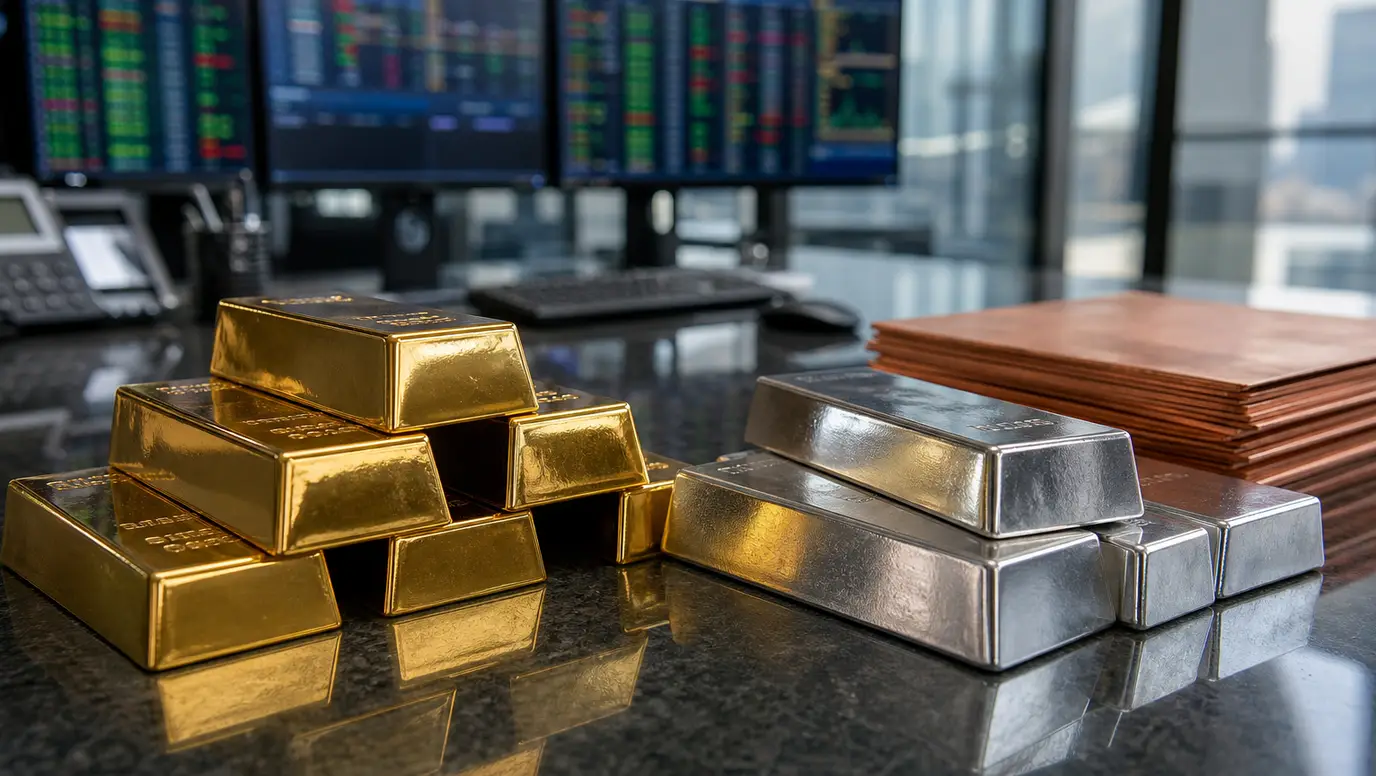
JULY 2, 2026
Gold and Silver Regain Momentum as Softer Jobs Signals Pull Yields Lower
JULY 2, 2026
Euro and Pound Rally as Weak June Payrolls Knock the Dollar Lower
JULY 2, 2026
S&P 500 Firms as Dow Outruns Nasdaq After June Payroll Shock
JULY 2, 2026
Stock Market Rises as Soft June Jobs Data Eases Fed Hike Fears
JULY 1, 2026
Dollar Fades After Fed Inflation Signal as Yen Intervention Risk Grips Forex Market
JULY 1, 2026
S&P 500 Wavers as Nasdaq Drag Shows Yield Risk After Strong Quarter
JUNE 30, 2026
Gold Nears Worst Quarter Since 2013 as Fed Bets Reprice Metals Market
JUNE 30, 2026
S&P 500 Edges Higher as Nasdaq Leads Cautious Index Market Into Jobs Data
JUNE 30, 2026
Dollar Keeps Forex Market on Edge as Jobs Data Looms and Yen Risk Spreads
JUNE 30, 2026
AI Stocks Lead Wall Street Rebound as Nvidia and Micron Steady Chip Trade
JUNE 29, 2026
S&P 500 Rebound Lifts Index Market as Nasdaq Recovers and Russell 2000 Lags
JUNE 28, 2026
Yen Watch Dominates Forex Market as Quarter-End Flows Test Dollar Rally
JUNE 28, 2026
Copper Tariff Deadline Overtakes Gold Rebound as Metals Market Enters Quarter-End
JUNE 28, 2026
AI Stocks Keep Wall Street on Defense as Oil Relief Meets Quarter-End Positioning
JUNE 27, 2026
S&P 500 Slips Despite Better Breadth as AI Drag Reshapes Index Market
JUNE 26, 2026
Yen Finds Weekend Bid as Dollar Pullback Shifts Forex Focus to Intervention Risk
JUNE 25, 2026
Gold Break Below $4,000 Keeps Metals Market on Dollar and Rate Alert
JUNE 25, 2026
Euro Slides Below $1.14 as PCE Relief Fails to Break Dollar’s Forex Grip
JUNE 25, 2026
Nasdaq Rebound Puts Index Market Breadth Back in Focus as Chip Rally Meets Rate Risk
JUNE 23, 2026
Dollar Firms as Pound Whipsaws and Euro Slips on Fed Rate Premium
JUNE 23, 2026
Nasdaq Slide Tests S&P 500 as Dow Resilience Highlights Index Rotation
JUNE 22, 2026
Copper Leads Metals Watch as Gold Waits for Dollar and Yield Break
JUNE 22, 2026
Yen Carry Trade Stays Hot as Dollar Bulls Test Tokyo’s Limits