JULY 28, 2026
ASML and Nvidia Selloff Drags Semiconductors as China DUV Report Hits StocksASML, Nvidia and chip equipment stocks fall as a China DUV lithography report pressures the semiconductor trade before earnings and Fed signals.

© 1box.site 2026

JUNE 13, 2026
The index market is entering the new week with a fresh catalyst from the Nasdaq-100 quarterly rebalance, as investors prepare for a heavier concentration of AI infrastructure, advanced chips and space-linked growth companies inside one of the world’s most tracked equity benchmarks.
The latest review adds Astera Labs, CoreWeave, Nebius Group, Rocket Lab and Teradyne to the Nasdaq-100 before the market opens on June 22, 2026. Charter Communications, Cognizant Technology Solutions, Insmed, Verisk Analytics and Zscaler are set to leave the benchmark. The reshuffle gives traders a cleaner view of where momentum capital has been flowing: away from slower-growth software and services pockets and toward companies tied to computing capacity, data-center connectivity, automation and next-generation launch infrastructure.
The timing matters because U.S. benchmarks have already been leaning on a narrow set of growth themes to defend year-to-date gains. The S&P 500, Dow Jones Industrial Average and Nasdaq Composite all finished higher on June 12, while small caps also gained, signaling that risk appetite has not vanished even as traders remain alert to inflation, Treasury yields and the coming Federal Reserve decision window.
Nasdaq-100 membership is not just a symbolic milestone. The index is followed by a large ecosystem of exchange-traded funds, structured products and institutional mandates, which means additions and deletions can create mechanical demand around effective dates. That flow is not always permanent, but it can intensify short-term volatility as passive products, benchmark-aware managers and arbitrage desks adjust positions.
For the index market, the more important signal is the composition shift. Astera Labs brings exposure to high-speed connectivity chips used in AI data centers. CoreWeave and Nebius extend the benchmark’s link to AI cloud infrastructure. Teradyne adds a semiconductor testing and automation component, while Rocket Lab gives the Nasdaq-100 a higher-profile space and satellite services angle. Together, the additions reinforce the market’s view that the AI trade is no longer confined to mega-cap software or graphics processors; it is spreading through the physical infrastructure needed to train, host and deploy large-scale models.
That also raises the concentration question. The Nasdaq-100 has historically rewarded investors during strong technology cycles, but it can become more sensitive to valuation resets when yields rise or earnings expectations are revised lower. A rebalance that adds more growth-linked businesses may help the benchmark capture upside if AI capital spending remains resilient, but it may also deepen drawdowns if investors decide that infrastructure buildouts are becoming too debt-heavy or too dependent on a small group of end customers.
The broader index setup is more balanced than it looked during the sharpest AI-led swings earlier in June. The Dow’s advance and the Russell 2000’s firm finish on June 12 suggest that investors are still willing to buy beyond the largest technology names when oil prices ease and bond yields stabilize. That breadth will be crucial if the Nasdaq-100 is to absorb its rebalance without making the overall market look even more crowded.
For the S&P 500, the Nasdaq-100 changes are a reminder that benchmark construction can shape investor behavior as much as macro data. A stronger Nasdaq can support sentiment across the S&P 500 because many of the same growth and semiconductor themes overlap. However, if the new additions rally only on index inclusion and then fade, traders may treat the move as another sign that speculative appetite is running ahead of earnings visibility.
The next major macro filter is Federal Reserve week. Markets are not only watching the policy decision, but also the language around inflation persistence, labor-market resilience and the path for real rates. A steady or softer yield backdrop would likely help long-duration growth shares and keep Nasdaq leadership intact. A hawkish surprise, by contrast, could pressure the highest-multiple index constituents and revive interest in defensive Dow components.
Near term, the focus is on the closing auction and pre-effective positioning before the June 22 rebalance. Additions may see elevated volume as index-tracking products build exposure, while deletions can face pressure from forced selling. The cleanest read for the index market will come after the mechanical flows pass: if the new members hold their gains and the Nasdaq-100 maintains breadth, investors may view the rebalance as confirmation of durable AI infrastructure leadership.
Still, traders should separate index demand from fundamental demand. Inclusion can improve liquidity and visibility, but it does not remove balance-sheet risk, margin pressure or execution risk. That distinction is especially important for AI infrastructure names that require heavy capital spending to secure chips, power capacity and data-center expansion.
For now, the Nasdaq-100 rebalance gives the index market the strongest fresh storyline among major benchmarks. It combines immediate trading flow, a clear thematic rotation and a direct link to the AI investment cycle. Whether it becomes a durable bullish catalyst will depend on whether broader market breadth survives the next round of macro tests.
JULY 28, 2026
ASML and Nvidia Selloff Drags Semiconductors as China DUV Report Hits Stocks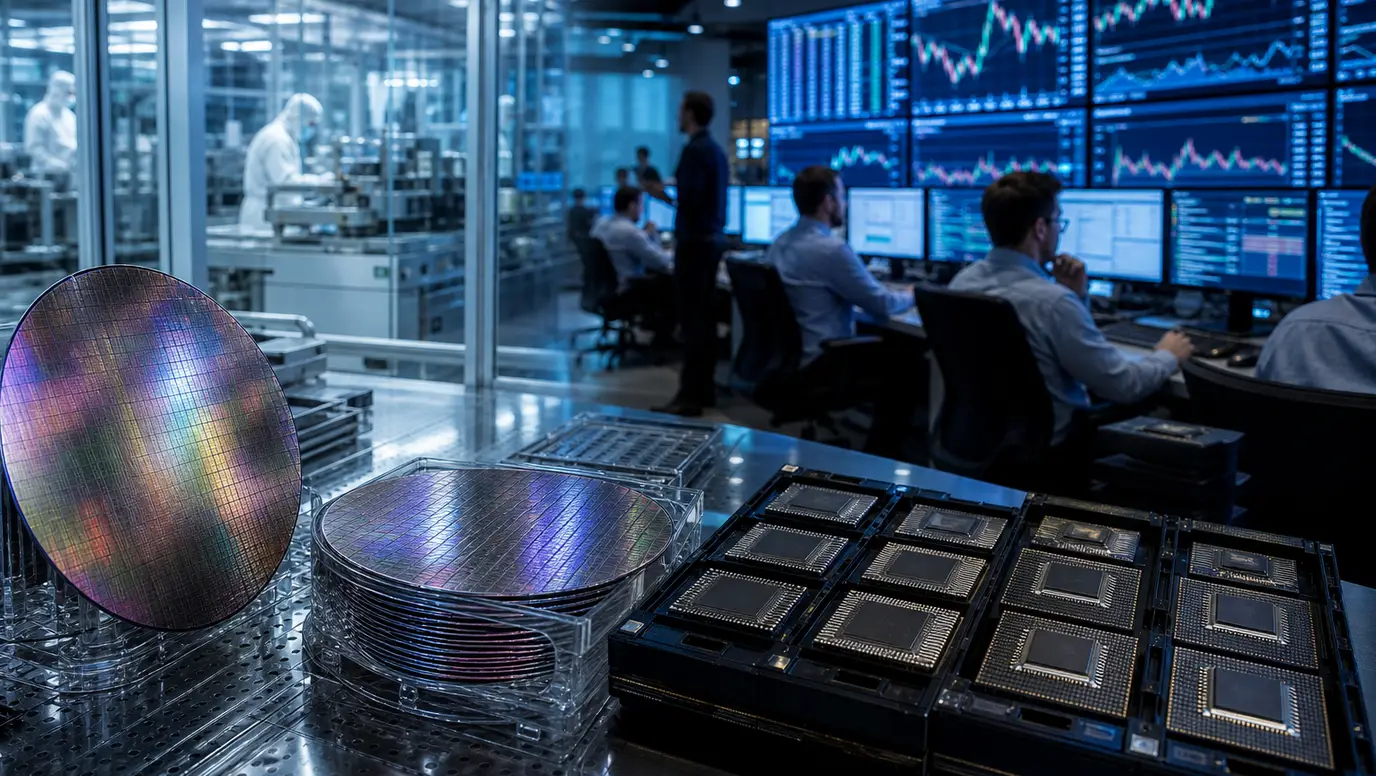
JULY 20, 2026
Intel and Texas Instruments Put Semiconductors in Focus as Stocks Enter Earnings Crunch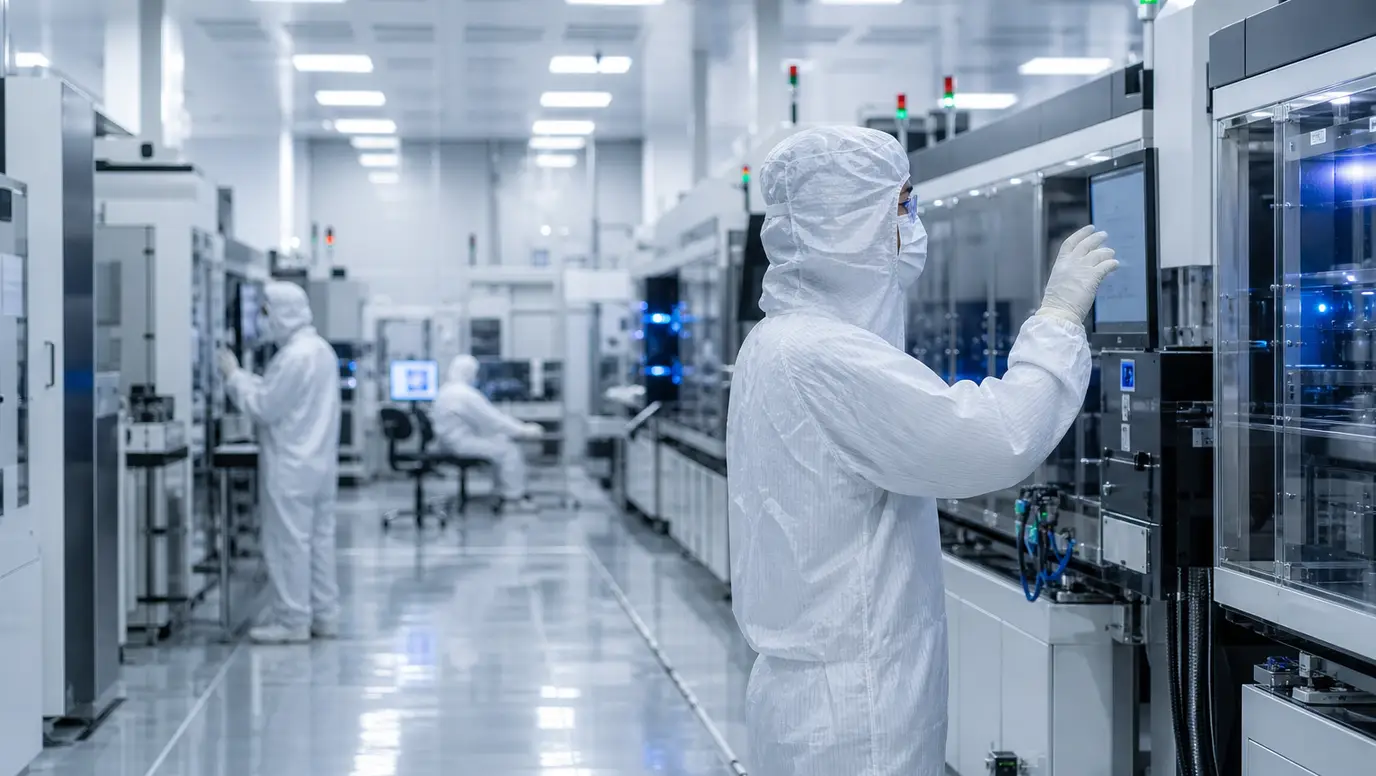
JULY 15, 2026
ASML Outlook Lifts AI Stocks as Semiconductors Reprice 2026 Demand
JULY 13, 2026
Micron and Sandisk Slide as AI Memory Boom Faces Earnings Test
JULY 12, 2026
Meta’s AI Cloud Push Gives Stock Market a New Test for Capex Payoff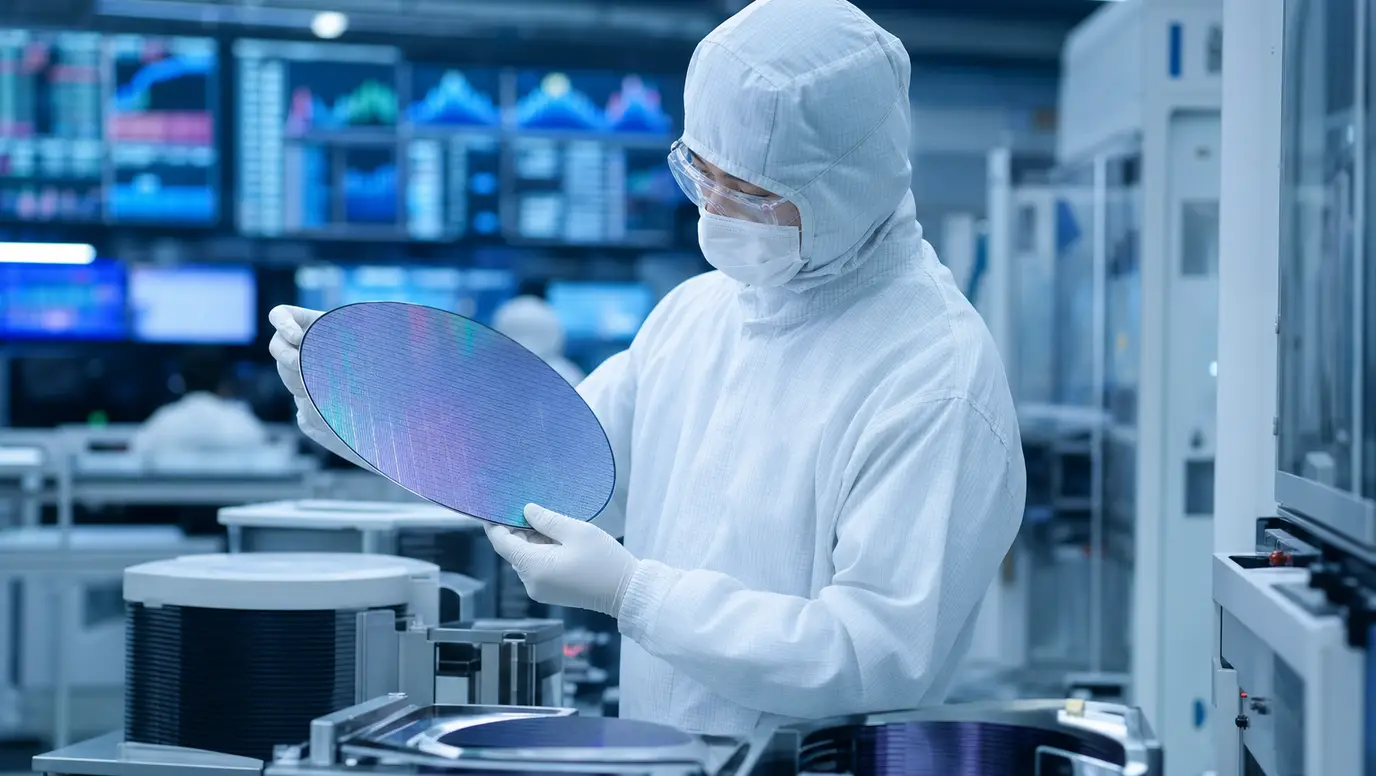
JULY 10, 2026
SK Hynix Nasdaq Debut Puts AI Memory Trade Back at Center of Stock Market
JULY 9, 2026
Broadcom’s Apple Chip Deal Gives Stock Market a Hard-Cash Test for AI Supplier Valuations
JULY 8, 2026
Nasdaq Futures Slip as Chip Rout and Fed Minutes Put Index Market on Alert
JULY 7, 2026
AI Chip Reversal Tests Index Market Rally as S&P 500 Retreats From Record Zone
JULY 7, 2026
AI Chip Rout Puts Stock Market Back on Valuation Watch as Nasdaq Futures Slide
JULY 6, 2026
Stock Market Faces Earnings Breadth Test as Fed Minutes Loom After Chip Rout
JULY 5, 2026
Nasdaq Drag Deepens as AI Memory Rout Tests Stock Market Leadership
JULY 4, 2026
Apple Rally Gives Stock Market Bulls a Fresh Megacap Anchor as Chip Shares Wobble
JULY 1, 2026
Nvidia and Micron Pullback Tests Stock Market After Record Chip Rally
JUNE 30, 2026
AI Stocks Lead Wall Street Rebound as Nvidia and Micron Steady Chip Trade
JUNE 28, 2026
AI Stocks Keep Wall Street on Defense as Oil Relief Meets Quarter-End Positioning
JUNE 27, 2026
Chip Rout Leaves Nasdaq Under Pressure as Healthcare Rotation Cushions Stock Market Losses
JUNE 26, 2026
Rate-Sensitive Growth Stocks Falter as PCE Keeps Fed Risk Alive
JUNE 26, 2026
Nasdaq Weakness Spreads Globally as Dow Record Masks Index Market Stress
JUNE 25, 2026
Apple Drop Tests Stock Market as AI Chip Bounce Fails to Lift Nasdaq
JUNE 25, 2026
Nasdaq Rebound Puts Index Market Breadth Back in Focus as Chip Rally Meets Rate Risk
JUNE 24, 2026
Micron Volatility Turns AI Memory Into Wall Street’s Key Stock Market Test
JUNE 23, 2026
AI Stock Selloff Hits Wall Street as Rate Fears Challenge Tech Valuations
JUNE 22, 2026
Micron Earnings Put AI Memory Trade in Focus as Chip Stocks Reopen After Fed Shock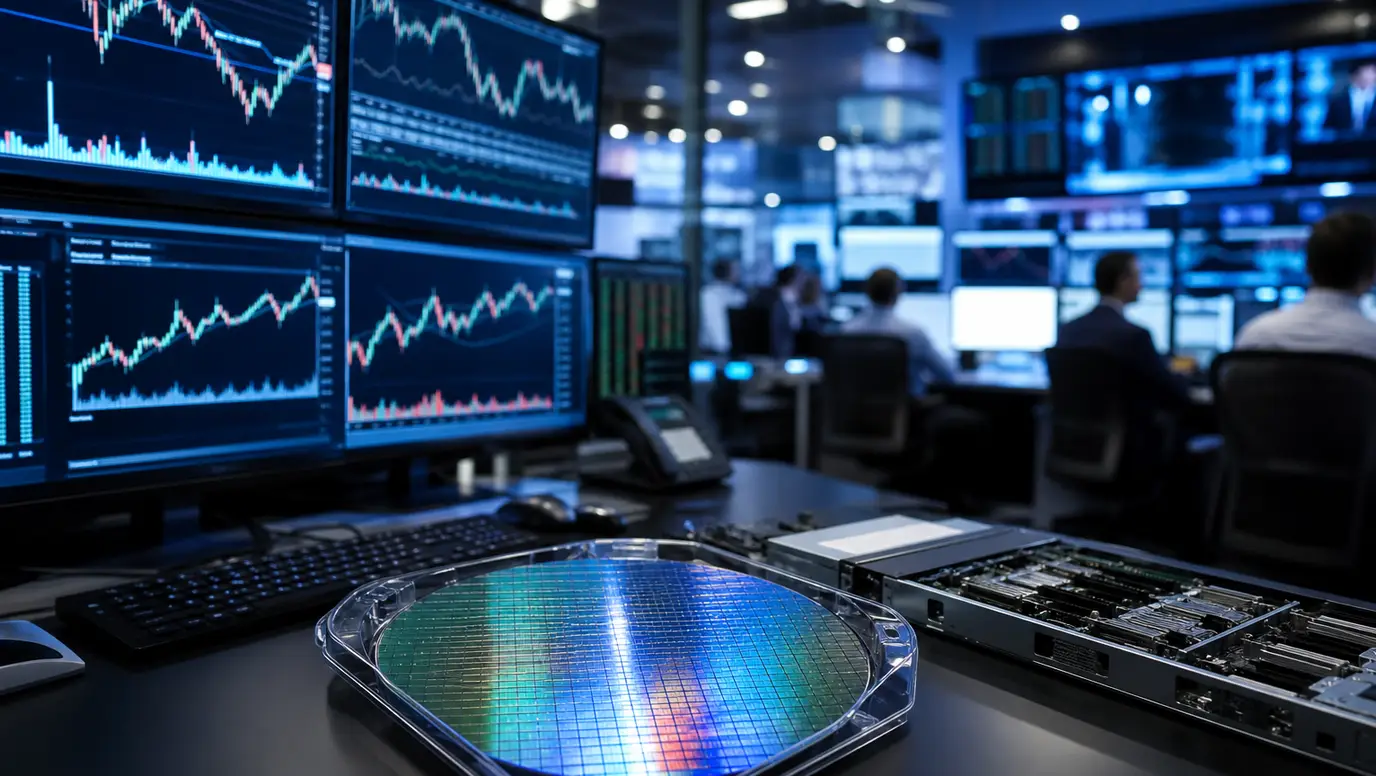
JUNE 21, 2026
Marvell Technology Enters S&P 500 as AI Stock Momentum Faces a Valuation Test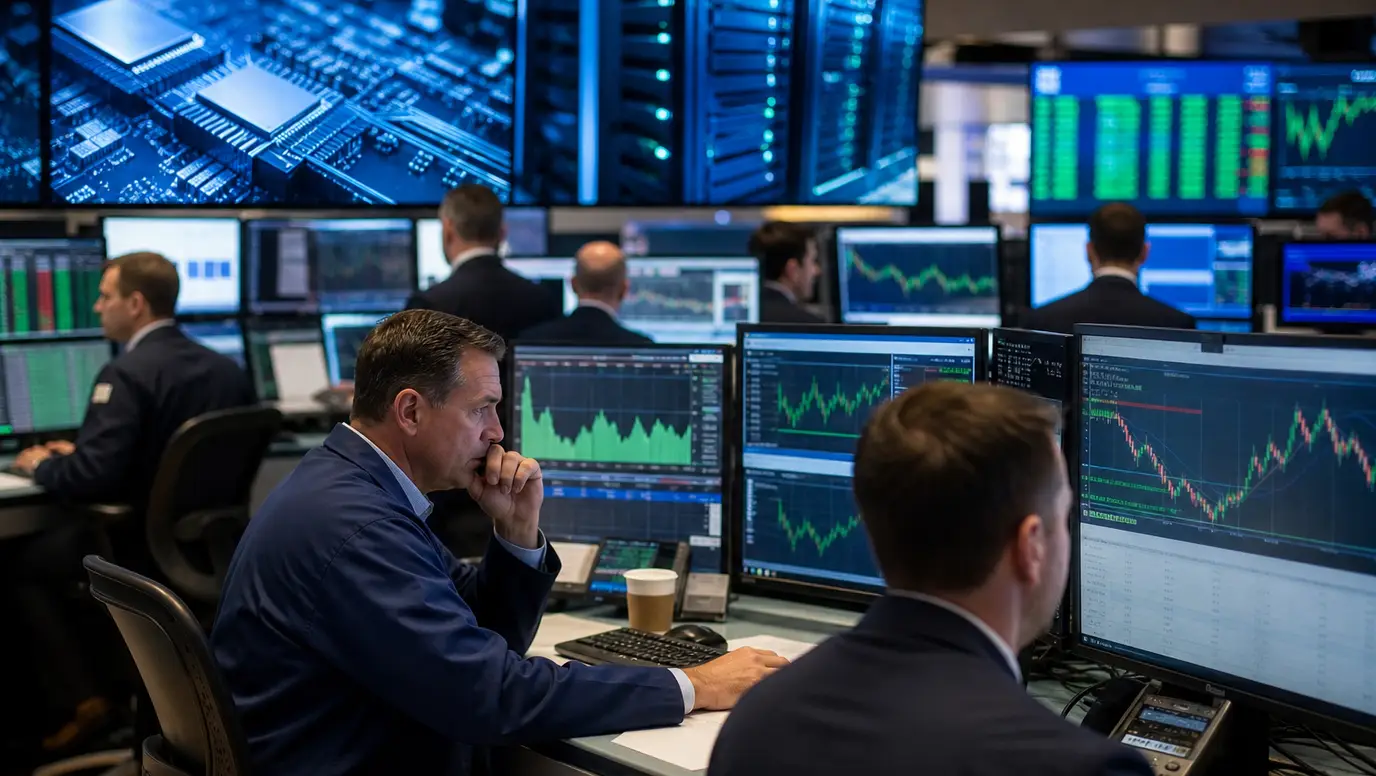
JUNE 19, 2026
Nasdaq Regains Leadership as Chip Stocks Cushion Fed Rate Jitters
JUNE 14, 2026
Wall Street Faces Fed Week as Chip Rebound Tests S&P 500 Momentum
JUNE 9, 2026
Micron and Nvidia Fade Turns Stock Market’s AI Rebound Into a Breadth Test
JUNE 8, 2026
Nasdaq-Led Rebound Lifts Index Market as Oil Shock Keeps Risk Appetite Capped
JUNE 8, 2026
Chip Rebound Pulls Stock Market Higher as AI Dip Buyers Return