OCTOBER 31, 2026
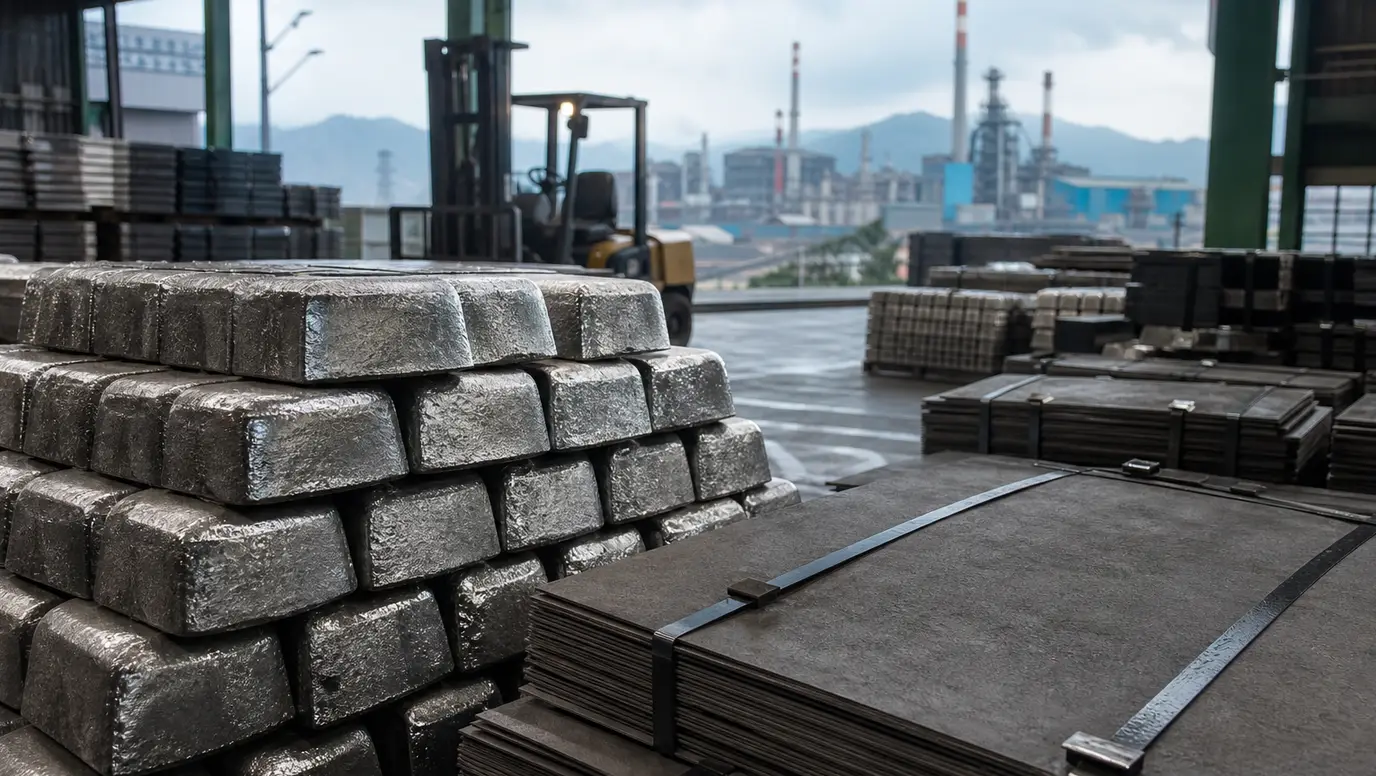
Nickel Metals Market Stalls Near $16,000 as Indonesia Cut Talk Meets StockpilesNickel stalls near $16,000 as Indonesia cut talk clashes with high exchange stocks and weak stainless steel demand.

© 1box.site 2026
NOVEMBER 5, 2026
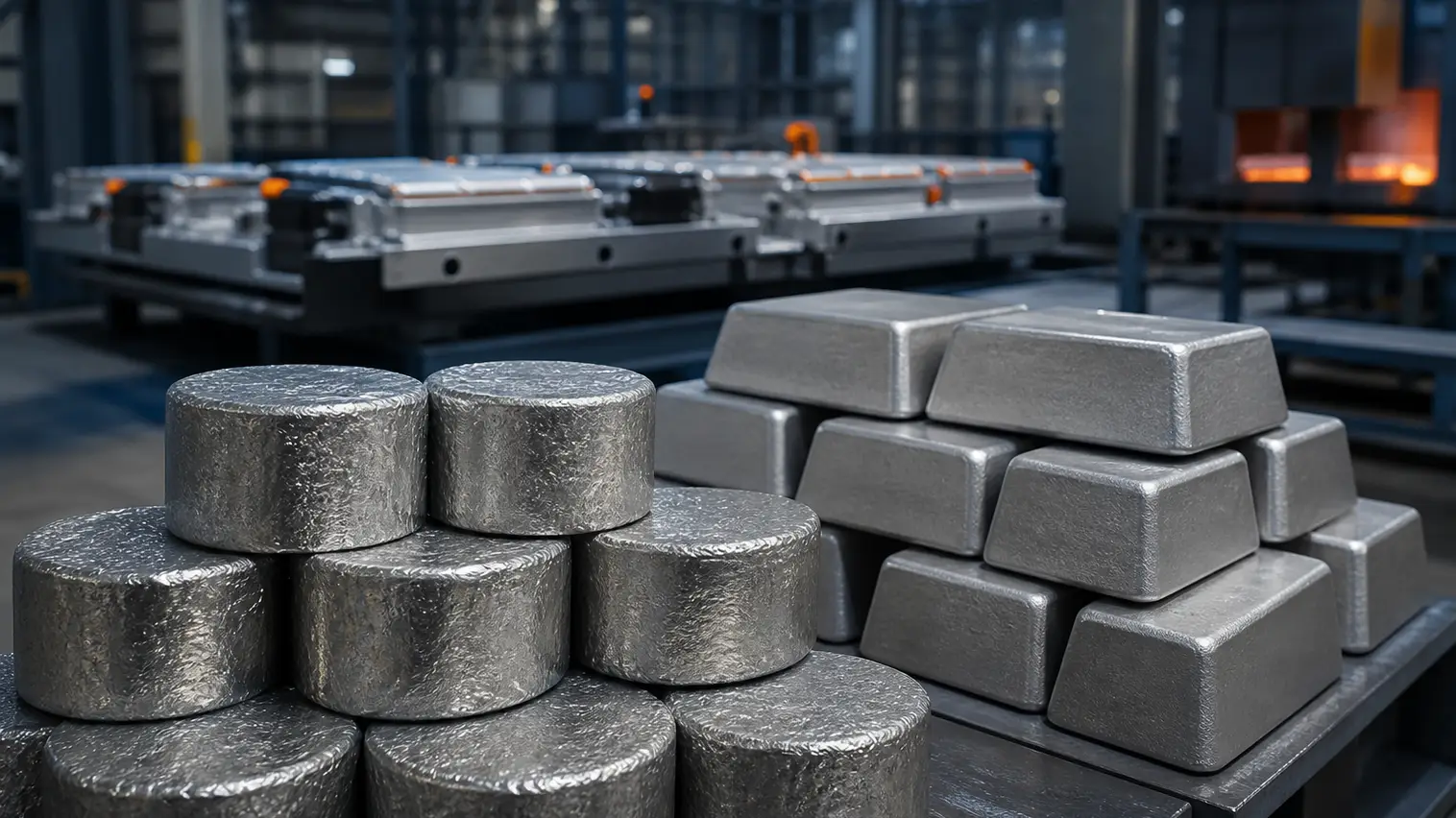
Nickel moved back into the spotlight in the metals market on Thursday as traders weighed a rebound above the $16,000-per-ton area against a still-heavy global supply backdrop. The latest price action suggests investors are beginning to price in the possibility that Indonesia, the dominant force in mined nickel supply, may use its 2027 permitting process to slow output growth after months of pressure from surplus inventories and weak battery-sector demand.
The move marks a shift in tone for a market that recently traded near multi-month lows. Benchmark nickel prices have recovered from the mid-$15,000 range, helped by expectations that policy action in Indonesia could tighten future ore availability. Even so, the rally remains cautious rather than decisive, because visible inventories are still elevated and downstream demand has not yet delivered the kind of broad recovery needed to absorb excess supply quickly.
Indonesia’s annual mining work plan and budget approvals are now a central risk factor for nickel traders. Officials have indicated that 2027 ore allocations may be set with closer attention to global balance, domestic smelter needs and the financial strain facing producers after the price downturn. That has encouraged short-covering in nickel futures and fresh interest from investors looking for a policy-driven floor in the market.
The country’s revised 2026 ore production quota has been reported around 290 million to 300 million metric tons, already a large figure for a market struggling with oversupply. The next round of approvals will therefore be watched closely for evidence that Jakarta is prepared to limit the growth path of raw material supply. For stainless steel mills, battery-material producers and commodity funds, the question is whether any quota restraint will be large enough to change the market balance, or whether it will mainly slow the pace of surplus accumulation.
Indonesia’s influence has grown because its integrated mining and processing model has reshaped the global nickel trade. Lower-cost Indonesian output has expanded rapidly through nickel pig iron, matte and mixed hydroxide precipitate supply chains, pushing higher-cost producers elsewhere onto the defensive. A tighter approval regime would not erase that structural advantage, but it could reduce the pressure on prices if implemented firmly and paired with discipline from major processors.
The bullish case is still complicated by weaker-than-expected demand from the electric vehicle battery chain. Growth in nickel-rich cathode chemistry has been restrained by the rising adoption of lithium iron phosphate batteries, particularly in mass-market vehicles where lower cost and durability have become more important than maximum range. That trend has reduced the urgency for battery manufacturers to secure additional nickel units at any price.
At the same time, stainless steel demand has offered only uneven support. China’s industrial cycle remains important for base metals, but traders have been reluctant to chase rallies while construction-linked demand is patchy and export competition remains intense. In this environment, nickel’s rebound depends less on a sudden demand boom and more on whether supply management can restore confidence that the worst of the glut is passing.
Exchange-monitored inventories and reported surplus estimates remain central to the cautious tone. Market participants continue to describe global supply as running ahead of annual demand, with some estimates placing surplus material in the hundreds of thousands of tons. That overhang limits the speed of any price recovery and makes nickel vulnerable to profit-taking whenever policy headlines fade.
For the broader metals market, nickel’s rebound offers a different narrative from the recent weakness seen across parts of the base-metals complex. Rather than a pure demand story, nickel is trading as a policy-and-supply adjustment story. That distinction matters because even modest changes in Indonesian quotas can influence expectations for ore flows, smelter margins and refined supply over the next year.
Near term, traders are likely to watch whether nickel can hold the $16,000 area and build momentum without stronger confirmation from physical demand. A sustained move higher would require clearer signs that Indonesia’s quota review is translating into real supply discipline, not just verbal guidance. Failure to maintain the rebound could return attention to weak battery demand, high inventories and the risk of renewed selling by funds.
The result is a more balanced, but still fragile, setup for nickel. Policy risk has reduced the appeal of aggressive bearish positions, while the surplus backdrop keeps buyers selective. Until the 2027 quota picture becomes clearer, nickel may remain one of the most headline-sensitive metals in the commodity market.
OCTOBER 31, 2026
Nickel Metals Market Stalls Near $16,000 as Indonesia Cut Talk Meets Stockpiles
OCTOBER 23, 2026
Copper Metals Market Rebounds as Nickel Slips on Indonesia Cut Watch
OCTOBER 17, 2026
Nickel Metals Market Stalls as Indonesia Smelter Freeze Talk Meets Weak Demand
OCTOBER 5, 2026
Lead Futures Rebound as Warehouse Drawdown Puts Battery Metal Back on Metals Watch
SEPTEMBER 23, 2026
Nickel Futures Hold Firm as Indonesia Drought Cuts Put Metals Market on Supply Watch
SEPTEMBER 17, 2026
Nickel Futures Slide as Indonesia Ore Price Reset Tests Metals Market
SEPTEMBER 9, 2026
Nickel Futures Rebound as Indonesia Supply Risk Jolts Metals Market
JULY 22, 2026
Nickel and Zinc Join Metals Rally as China Supply Signals Revive Risk Appetite