NOVEMBER 5, 2026
Nickel Metals Market Rebounds as Indonesia Quota Cut Talk Challenges Surplus TradeNickel rebounds as Indonesia quota cut talk challenges surplus fears, but weak battery demand keeps the metals market cautious.

© 1box.site 2026

NOVEMBER 11, 2026
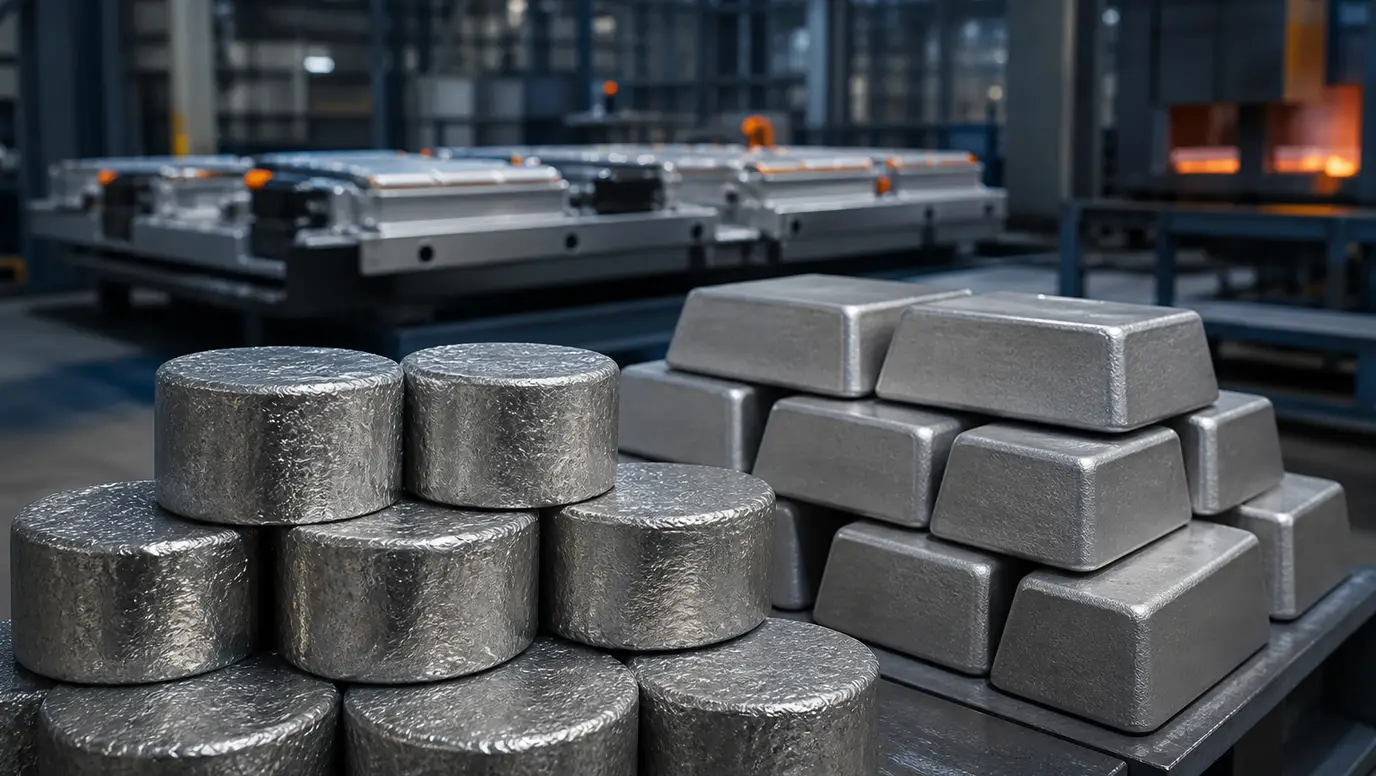
Nickel returned to the center of the metals market on Wednesday as traders weighed another soft session for the industrial metal against persistent signs of oversupply from Indonesia and uneven demand from stainless steel and battery supply chains.
The latest price action has kept nickel close to the lower end of its 2026 range, even as other base metals continue to draw support from infrastructure spending, power-grid investment and artificial intelligence-linked demand for electrical equipment. The contrast is important for commodity investors: nickel remains a critical battery metal, but its near-term trading pattern is still being shaped more by surplus units than by long-term electrification optimism.
Three-month nickel on the London market has struggled to sustain rallies above the mid-$15,000-per-ton area, with fresh selling emerging whenever the broader metals complex faces a stronger US dollar or firmer Treasury yields. That makes nickel one of the more rate-sensitive corners of the base-metals board, especially after renewed inflation concerns revived debate over whether central banks can ease policy as quickly as risk assets had hoped.
The biggest pressure point remains supply. Indonesia continues to dominate the global nickel narrative after years of investment in mining, processing and refining capacity. Its expanding role has transformed the market from one driven mainly by traditional stainless-steel cycles into one where policy decisions, ore quotas, power costs and refining economics in Southeast Asia can shift global balances quickly.
That supply growth has also changed the quality mix available to buyers. Material that was once expected to move into nickel sulfate production for electric vehicle batteries has increasingly been redirected toward exchange-deliverable Class 1 metal when battery-sector margins weaken. The result is a market where visible inventories and physical premiums can stay under pressure even if the long-term battery demand story remains intact.
Recent corporate updates from the region have added another layer to the outlook. A major Japanese metals producer cut its profit forecast after taking an impairment linked to a Philippine nickel operation planned for shutdown later this decade. The move underlined how difficult the economics have become for higher-cost producers when Indonesian output keeps a lid on prices.
Demand is not collapsing, but it is not strong enough to give nickel a clean bullish catalyst. Stainless steel consumption remains mixed, while electric vehicle battery chemistry trends continue to complicate the outlook. Lithium iron phosphate batteries, which do not use nickel, have gained share in several mass-market vehicle segments, limiting the speed at which nickel-rich battery demand can absorb surplus supply.
For traders, the key question is whether current prices are low enough to force a broader supply response. Some high-cost projects are already under review, and more marginal operations may face pressure if prices remain pinned near 2026 lows. However, the market has so far been reluctant to price in a durable deficit because Indonesian output remains flexible and policy-driven.
Macro conditions are also working against a swift recovery. A firmer US dollar typically makes dollar-priced metals more expensive for non-US buyers, while higher yields reduce the appeal of holding non-income-generating commodities. Nickel is particularly exposed because its bullish case depends on future demand growth, not immediate shortage.
The near-term setup points to continued rangebound trading, with rallies likely to face selling unless inventory data begin to tighten or Indonesia signals a more restrictive approach to ore supply and refining growth. A weaker dollar could provide temporary relief, but nickel bulls may need evidence of stronger physical buying before the market can break out of its current pattern.
For the broader metals market, nickel’s weakness is a reminder that the energy-transition trade is not moving in one direction. Copper and aluminum can benefit from grid expansion and power infrastructure, while nickel still has to digest the consequences of rapid supply growth and shifting battery technology. Until that balance improves, nickel is likely to remain a laggard within the metals complex despite its strategic importance.
NOVEMBER 5, 2026
Nickel Metals Market Rebounds as Indonesia Quota Cut Talk Challenges Surplus Trade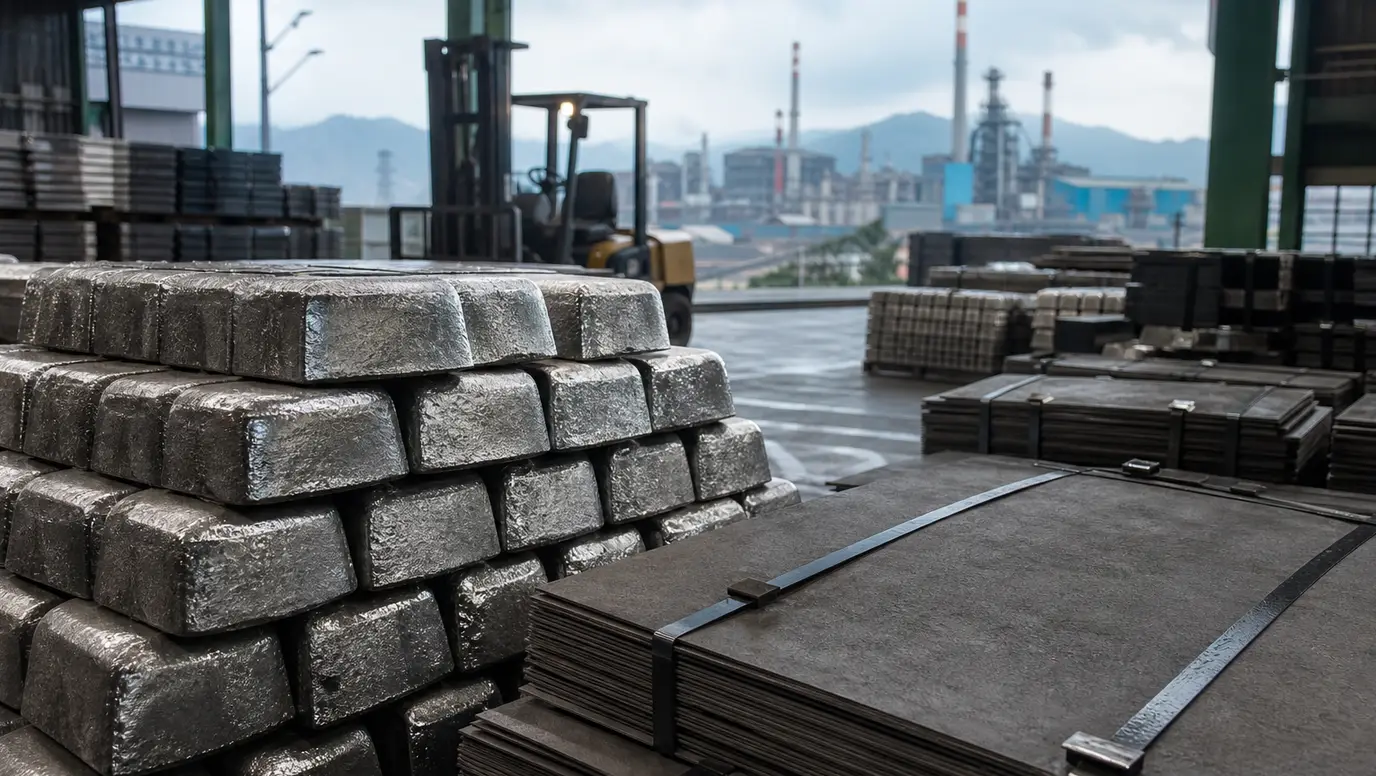
OCTOBER 31, 2026
Nickel Metals Market Stalls Near $16,000 as Indonesia Cut Talk Meets Stockpiles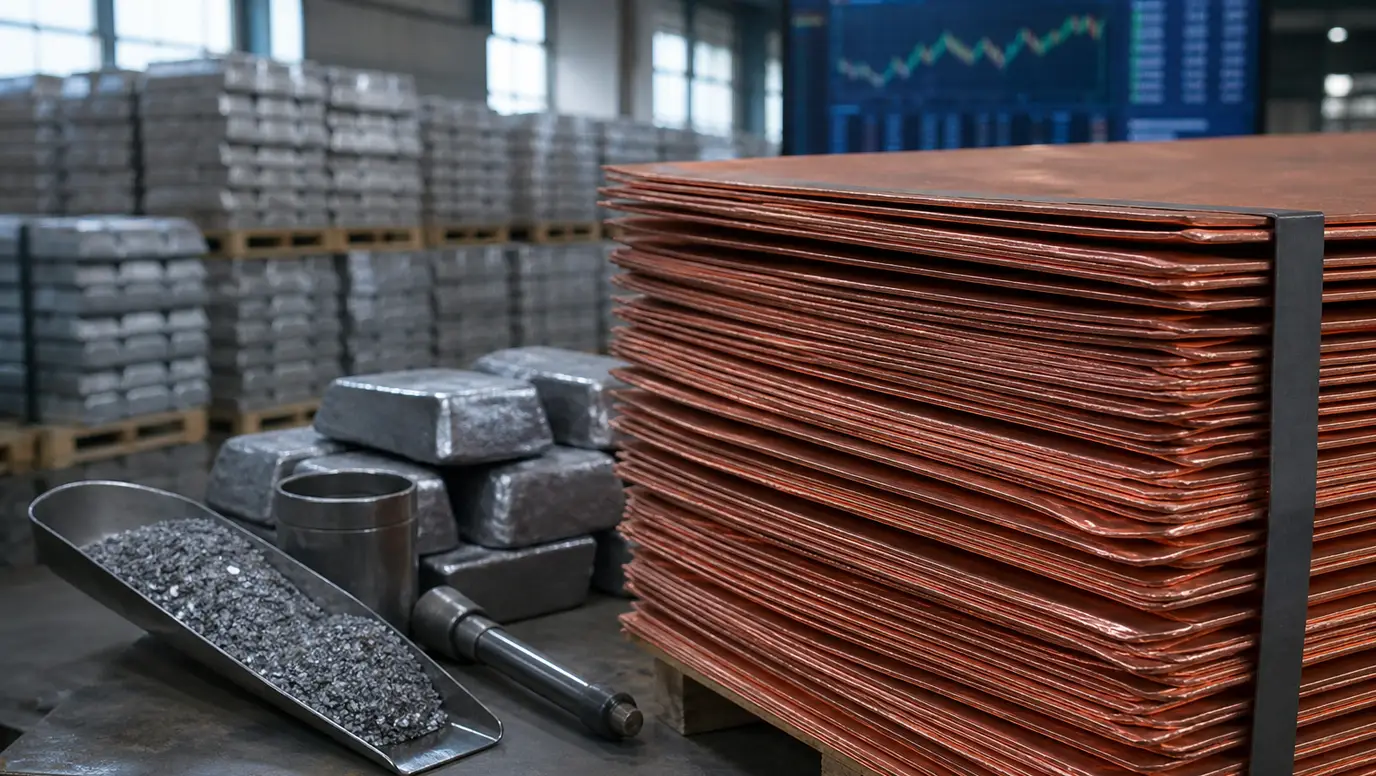
OCTOBER 23, 2026
Copper Metals Market Rebounds as Nickel Slips on Indonesia Cut Watch
OCTOBER 17, 2026
Nickel Metals Market Stalls as Indonesia Smelter Freeze Talk Meets Weak Demand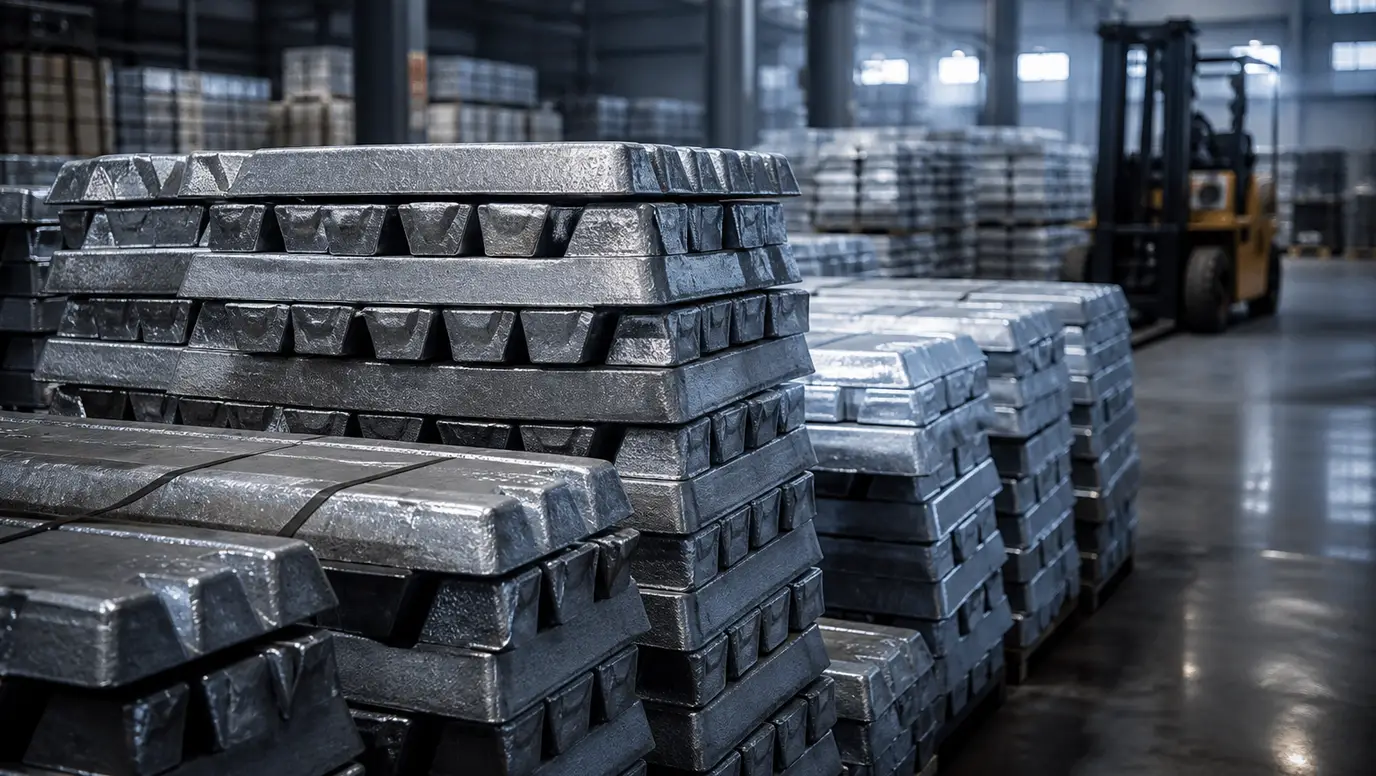
OCTOBER 5, 2026
Lead Futures Rebound as Warehouse Drawdown Puts Battery Metal Back on Metals Watch
SEPTEMBER 23, 2026
Nickel Futures Hold Firm as Indonesia Drought Cuts Put Metals Market on Supply Watch
SEPTEMBER 17, 2026
Nickel Futures Slide as Indonesia Ore Price Reset Tests Metals Market
SEPTEMBER 9, 2026
Nickel Futures Rebound as Indonesia Supply Risk Jolts Metals Market
JULY 22, 2026
Nickel and Zinc Join Metals Rally as China Supply Signals Revive Risk Appetite