OCTOBER 23, 2026
Copper Metals Market Rebounds as Nickel Slips on Indonesia Cut WatchCopper rebounds as risk appetite steadies, while nickel slips as traders await firmer signals on Indonesian output cuts.

© 1box.site 2026
OCTOBER 31, 2026
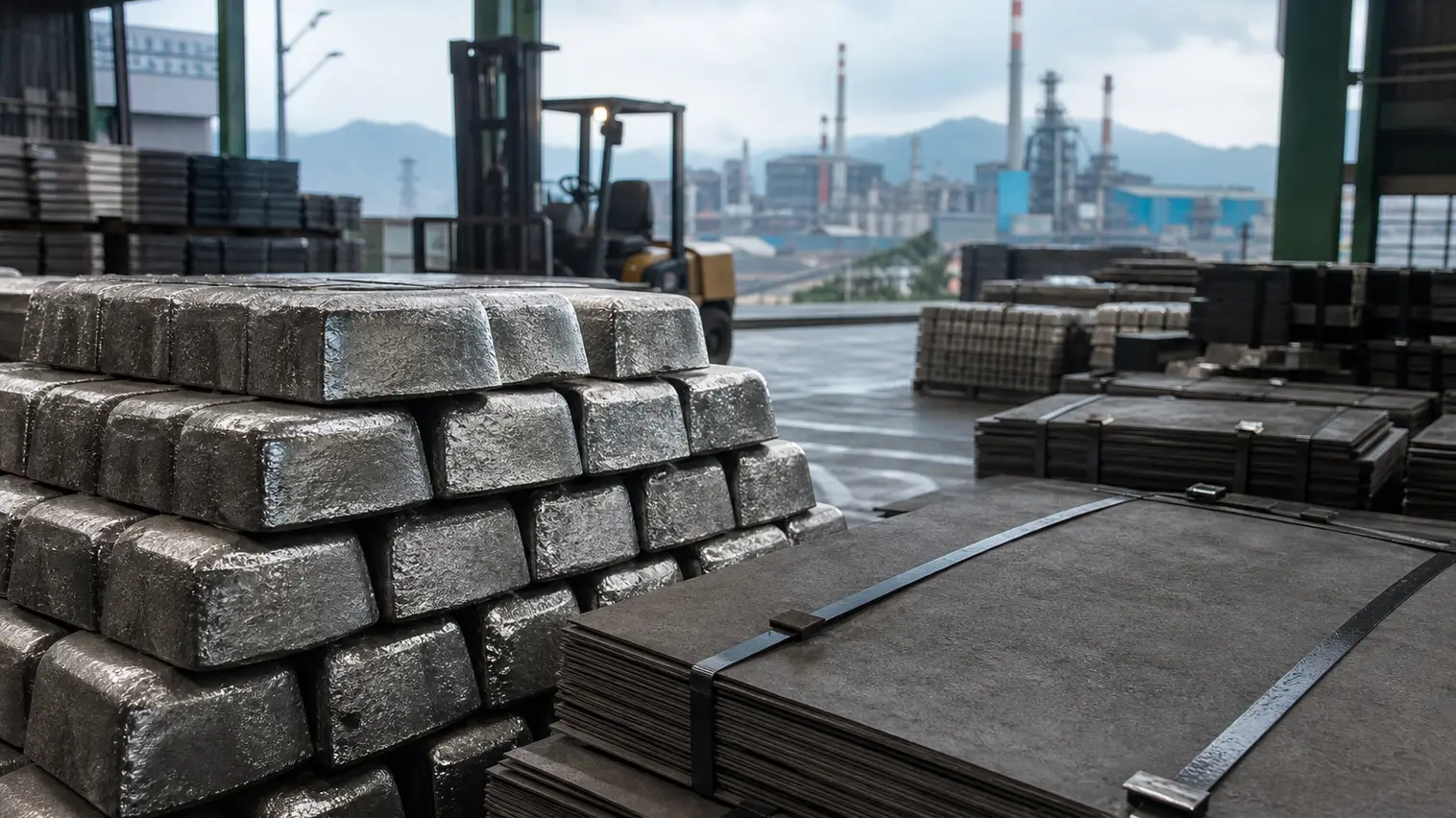
Nickel has become the metals market’s latest test of whether supply discipline can overpower visible inventory. After a brief late-October rebound tied to speculation about production restraint in Indonesia, the industrial metal is struggling to hold the $16,000-per-ton area as traders weigh policy headlines against a still-heavy stock cushion.
The move is important because nickel has lagged the sharper rallies seen in tighter metals this year. Exchange-monitored stockpiles remain near 278,000 tons, only modestly below recent highs and large enough to keep buyers patient. That backdrop has limited follow-through even when talk of coordinated output cuts by Chinese-linked producers in Indonesia briefly improved sentiment.
For now, the market is treating the cut discussion as a potential catalyst rather than confirmed tightening. Prices can react quickly to any sign that Indonesian supply growth is slowing, but traders are looking for evidence that ore quotas, smelter utilization rates, or operating margins are actually removing material from the supply chain.
Indonesia remains the central variable for nickel because its mining and processing complex has reshaped global supply. Any adjustment to ore approvals, smelter capacity, or nickel pig iron output can move expectations across stainless steel, battery materials, and refined metal contracts. The latest market focus is whether authorities and producers will shift from price-stabilizing language to enforceable reductions.
That distinction matters. A cut rumor can lift futures for a day or two, but the physical market needs to see lower ore availability, weaker refined output, or a sustained drawdown in warehouse stocks before a higher price range becomes durable. Recent inventory levels show why the burden of proof remains high: available metal is still substantial, and cancelled warrants have not yet signaled a broad scramble for nearby supply.
The price structure also points to a market that is not yet short of metal. When warehouses are well supplied and buyers can defer purchases, rallies tend to attract producer hedging and consumer resistance. That dynamic has kept nickel’s recovery more hesitant than metals where inventories are visibly tight or demand is accelerating faster.
The demand side is also restraining the nickel metals market. Stainless steel remains the largest end-use segment, and softness in that channel has made it harder for battery-related demand to change the overall balance. Mills have faced margin pressure, ample finished steel supply, and uneven order books, reducing their willingness to chase nickel higher.
Battery demand is still a long-term support, but its short-term effect is more complicated. Some electric-vehicle supply chains continue to use nickel-rich chemistries, while other manufacturers have leaned further into lower-nickel or nickel-free alternatives. That shift has weakened the once-simple bullish narrative that every increase in EV production would translate directly into stronger primary nickel demand.
As a result, traders are separating structural growth from immediate consumption. The market may still need large volumes of nickel for batteries, alloys, and stainless steel over time, but current pricing is being driven by what happens in the next quarter: Indonesian output, Chinese stainless steel run rates, and whether exchange stocks finally begin to fall in a convincing way.
Even with the bearish inventory picture, downside momentum is not unlimited. Analysts and physical traders increasingly view the $15,000 to $15,500 region as a zone where higher-cost nickel pig iron, ferronickel, and some intermediate projects face margin strain. That does not guarantee a lasting rally, but it can slow selling when prices approach levels that threaten operating cuts.
The problem for bulls is that integrated producers may be able to keep running longer than expected. Mining margins, captive power, cobalt by-product credits, and downstream refining economics can allow output to continue even when headline nickel prices look weak. That resilience has repeatedly frustrated attempts to call a quick end to the surplus.
Near term, nickel appears caught between cost support below and inventory resistance above. A sustained break above $17,000 would likely require confirmed Indonesian production cuts, stronger stainless steel purchasing, and visible stock draws. Without that combination, the market may continue to trade in a choppy range around $16,000, reacting sharply to policy headlines but fading when physical evidence fails to follow.
OCTOBER 23, 2026
Copper Metals Market Rebounds as Nickel Slips on Indonesia Cut Watch
OCTOBER 17, 2026
Nickel Metals Market Stalls as Indonesia Smelter Freeze Talk Meets Weak Demand
OCTOBER 5, 2026
Lead Futures Rebound as Warehouse Drawdown Puts Battery Metal Back on Metals Watch
SEPTEMBER 23, 2026
Nickel Futures Hold Firm as Indonesia Drought Cuts Put Metals Market on Supply Watch
SEPTEMBER 17, 2026
Nickel Futures Slide as Indonesia Ore Price Reset Tests Metals Market
SEPTEMBER 9, 2026
Nickel Futures Rebound as Indonesia Supply Risk Jolts Metals Market
JULY 22, 2026
Nickel and Zinc Join Metals Rally as China Supply Signals Revive Risk Appetite