
OCTOBER 18, 2026
Bank Stocks Find Earnings Support as Consumer Spending Eases Credit FearsBank stocks steady as consumer spending, trading revenue and loan growth offset rate and credit worries in a key earnings-season test.

© 1box.site 2026

OCTOBER 18, 2026
The S&P 500 enters the new trading week under renewed pressure after a late-week technology selloff interrupted the market’s record-setting momentum and shifted index attention from headline levels to underlying breadth. The benchmark dropped 1.1% in the latest session, while the technology-heavy Nasdaq Composite fell more sharply and small-cap shares also weakened, leaving investors to assess whether the pullback is a short rotation or the start of a broader de-risking phase.
The move was not simply a one-index story. The Dow Jones Industrial Average declined only modestly by comparison, showing that defensive and value-oriented pockets continued to cushion parts of the market. That divergence matters for index traders because the S&P 500 remains heavily influenced by large technology and communication-services companies, even when the average stock is sending a more mixed signal.
The most important feature of the latest selloff was its concentration. Technology shares led the decline, with weakness spreading across a large portion of the sector. For much of 2026, the S&P 500’s advance has depended on confidence that artificial intelligence spending would support earnings growth, capital investment and premium valuations. The latest retreat suggests that investors are becoming more selective about that thesis.
When leadership narrows, the S&P 500 can remain vulnerable even if economic data do not point to an immediate downturn. A handful of mega-cap stocks can lift or drag the benchmark by themselves, creating a gap between index performance and the experience of investors holding more diversified portfolios. That is why market breadth, equal-weight performance and sector rotation are likely to carry extra weight in the coming sessions.
For now, the pullback looks more like a valuation reset than a full breakdown in risk appetite. Financials, energy and defensive groups have recently shown relative resilience, limiting the damage in the broader market. However, if technology selling continues while Treasury yields remain firm, investors may demand a larger earnings premium before stepping back into the most expensive growth shares.
The next phase for the S&P 500 will be shaped by corporate results and forward guidance. Investors are looking for evidence that revenue growth, margins and capital-spending plans can justify the index’s elevated levels after a strong multi-month run. Companies tied to cloud infrastructure, chips, software and digital advertising will be watched closely because their outlooks can influence both AI sentiment and the broader benchmark.
At the same time, the market faces a macro test. Inflation expectations, Federal Reserve rate assumptions and Treasury yield moves remain central to equity valuations. If bond yields stay elevated, long-duration growth stocks may struggle to regain leadership, even if earnings are solid. If yields ease, the S&P 500 could stabilize quickly, especially if results show that corporate demand remains healthy.
Traders are also watching whether recent volatility attracts dip buyers near key technical zones. A short-term rebound would need stronger participation beyond the largest technology names to look durable. Without that broader support, rallies could remain fragile and vulnerable to another bout of profit-taking.
The index-market question is whether money leaving AI-linked leaders rotates into other S&P 500 sectors or exits equities altogether. A healthy rotation into industrials, healthcare, financials or consumer staples would suggest investors are reducing valuation risk without abandoning stocks. A more synchronized decline across sectors would point to a deeper change in risk appetite.
For long-term investors, the current setup argues for close attention to breadth rather than headline index levels alone. The S&P 500 is still supported by corporate earnings strength and resilient nominal growth, but the latest selloff shows that concentration risk remains a defining feature of the market. The benchmark can recover if earnings validate AI spending and yields stop rising, but the path is likely to be more uneven than the rally that carried indexes to recent highs.
OCTOBER 18, 2026
Bank Stocks Find Earnings Support as Consumer Spending Eases Credit Fears
OCTOBER 17, 2026
Airline Stocks Face Fuel-Cost Test as Earnings Season Moves Beyond AI
OCTOBER 16, 2026
Tesla Stock Rises as Roadster Reveal Gives EV Stocks a Break From AI Rout
OCTOBER 15, 2026
Morgan Stanley Stock Slips as Record Wealth Revenue Fails to Offset Cost Worries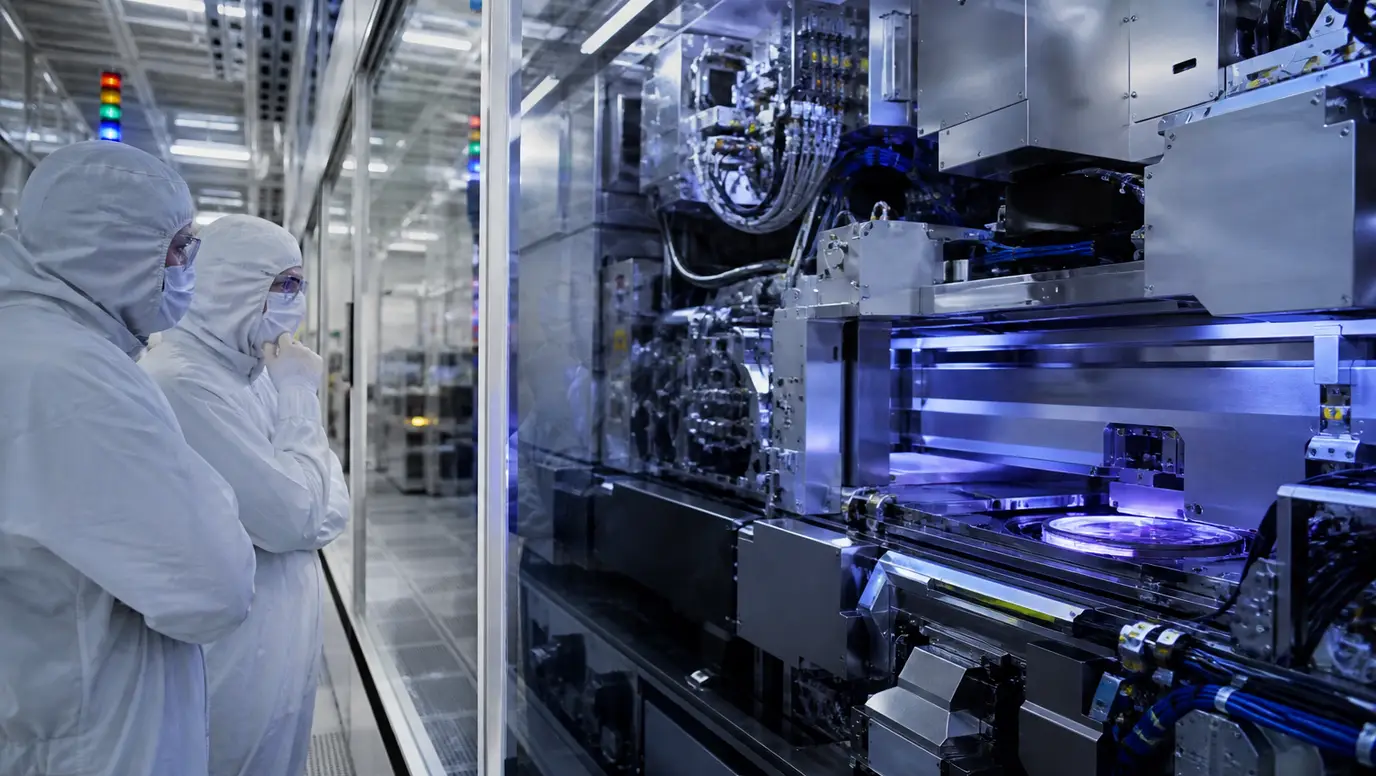
OCTOBER 14, 2026
ASML Stock Swings as AI Demand Lifts Sales Outlook and Supply Warning Caps Rally
OCTOBER 13, 2026
FTSE 100 Hits Three-Week High as Bank Stocks and Lower Gilt Yields Lift London Index
OCTOBER 13, 2026
Semiconductors Slide as Wall Street Weighs Bank Earnings and AI Rally Risk
OCTOBER 12, 2026
UnitedHealth Stock Slips as Traders Brace for Q3 Earnings and Medical-Cost Guidance
OCTOBER 11, 2026
Hang Seng Index Rebounds as Tech Stocks Lift Hong Kong Market Before China Data
OCTOBER 11, 2026
Bank Stocks Face Earnings Test as S&P 500 Rally Puts Federal Reserve in Focus
OCTOBER 10, 2026
Telecom Stocks Sink as SpaceX Spectrum Deal Resets Wireless Competition Risk
OCTOBER 10, 2026
Russell 2000 Stocks Rebound as Treasury Yields Keep Small-Cap Index on Alert
OCTOBER 9, 2026
Delta Air Lines Stock Falls as Fuel Costs Cut Into Airline Profit Outlook
OCTOBER 8, 2026
PepsiCo Stock Climbs as Earnings Beat Meets North America Warning
OCTOBER 4, 2026
Nvidia Stock Hits Record as AI Buyback Puts Cash Returns in Focus
OCTOBER 3, 2026
Synaptics Stock Jumps as onsemi Semiconductor Deal Turns to $5.7 Billion Cash Offer
OCTOBER 2, 2026
Nike Stock Slides as Revenue Miss and China Weakness Deepen Turnaround Test
OCTOBER 1, 2026
Stacks STX Jumps as Bitcoin DeFi Yield Narrative Revives Crypto Market Rotation
SEPTEMBER 30, 2026
Carnival CCL Stock Holds Rally as Record Earnings Put Cruise Shares Back in Focus
SEPTEMBER 28, 2026
Vail Resorts Stock Faces Earnings Test as Investors Watch Pass Sales and Weather Risk
SEPTEMBER 23, 2026
IonQ Stock Rally Puts Quantum Stocks Back on Wall Street's Growth Radar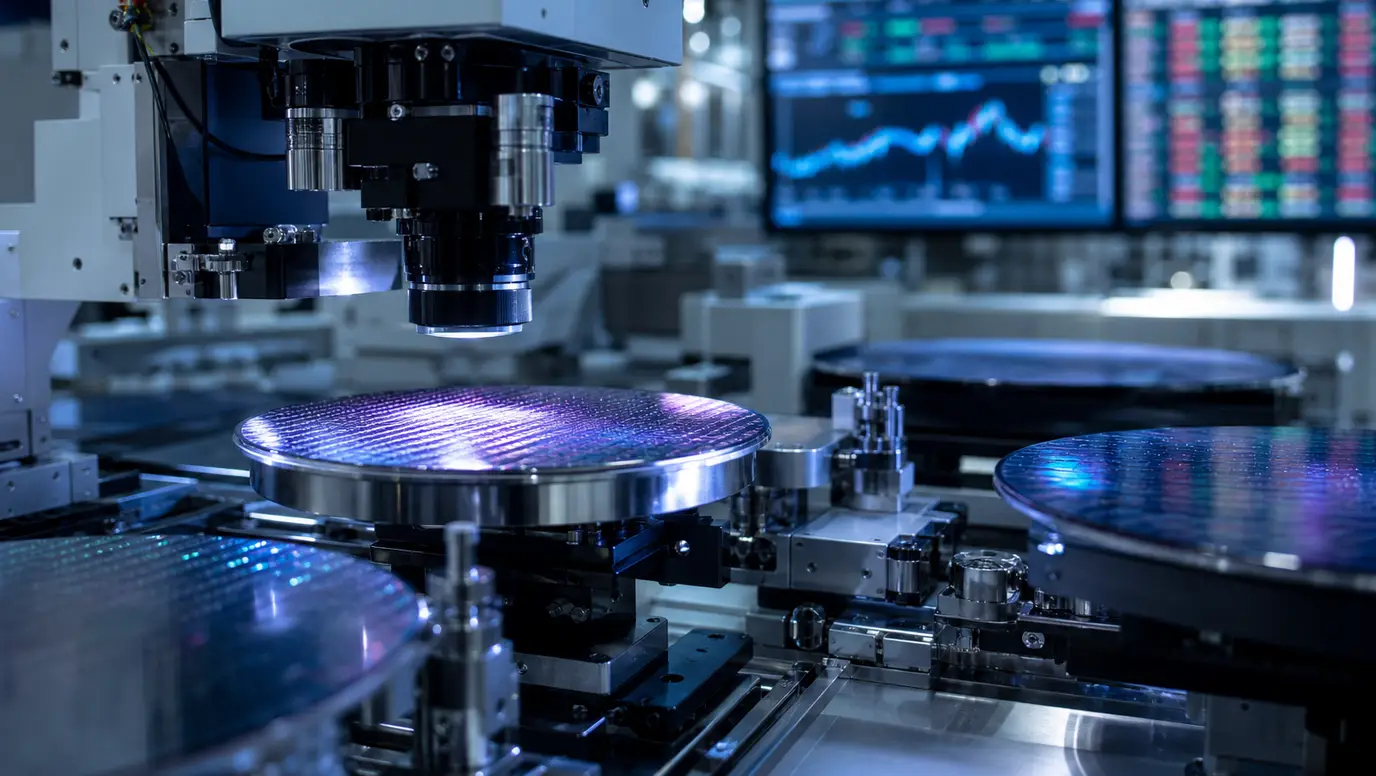
SEPTEMBER 22, 2026
AMD Holds $1 Trillion Value as AI Chip Rally Keeps Stock Market Bid
SEPTEMBER 20, 2026
Berkshire Hathaway Stock Faces Succession Test as Buffett Leaves Chair
SEPTEMBER 17, 2026
Tokenized Stocks Get SEC Green Light as Stock Market Tests Onchain Trading
SEPTEMBER 5, 2026
Lululemon Stock Slumps as Guidance Cut Puts Retail Stocks on Demand Watch
AUGUST 31, 2026
GameStop Stock Jumps as Preliminary Profit Outlook Offsets Sales Drop
AUGUST 29, 2026
PayPal Stock Slide Puts Fintech Stocks on Takeover Premium Watch After Stripe Walkaway
AUGUST 28, 2026
Broadcom Earnings Put AI Stocks and Semiconductors on Demand Watch
AUGUST 27, 2026
Russell 2000 Stalls as Treasury Yields Revive Federal Reserve Risk for Small-Cap Stocks
AUGUST 26, 2026
Intuit Stock Slide Puts Software Stocks on Guidance Watch After Fiscal 2027 Outlook