
OCTOBER 29, 2026
Alphabet Stock Plunges as AI Stocks Test Wall Street’s Earnings PatienceAlphabet stock slides after earnings, pressuring AI stocks as Wall Street questions search momentum and data-center spending.

© 1box.site 2026

OCTOBER 27, 2026
SK Hynix stock surged on Tuesday as investors returned to South Korean semiconductor names, betting that artificial intelligence infrastructure spending can keep memory-chip demand resilient even as global markets brace for a heavy central-bank and earnings calendar.
The rally put SK Hynix back at the center of the stock-market debate over AI supply chains. The chipmaker advanced strongly alongside Samsung Electronics, helping Seoul equities outperform broader Asian trading after a rebound in U.S. technology shares improved sentiment toward high-beta semiconductor stocks.
The move was not just a technical bounce. Traders pointed to three overlapping catalysts: renewed optimism around AI-linked capital spending, stronger-than-expected South Korean growth momentum, and anticipation ahead of SK Hynix’s quarterly results. The company is due to report earnings this week, making its outlook for high-bandwidth memory and data-center demand a key test for the global AI trade.
SK Hynix has become one of the most closely watched listed companies in the AI hardware cycle because of its exposure to advanced memory used in accelerators and data-center servers. When appetite for AI infrastructure rises, investors often treat the stock as a direct read-through on demand from cloud platforms, chip designers and enterprise computing buyers.
That sensitivity has worked both ways in recent weeks. Semiconductor shares had come under pressure as investors questioned whether the pace of AI investment could remain profitable, especially with borrowing costs still elevated and major technology companies facing scrutiny over capital expenditure. Tuesday’s rebound suggested that bargain hunters were willing to re-enter the trade before earnings, but it did not remove the risk of sharp volatility around guidance.
For SK Hynix, the central question is whether management can show that pricing power in premium memory remains intact. Investors will be watching commentary on high-bandwidth memory supply, server DRAM demand, NAND conditions and capital spending discipline. Any signal that customers are still competing for limited advanced capacity could support the bullish case for semiconductor margins into 2027.
The rally also came as South Korea’s economy showed firmer momentum, with export-linked activity supported by the global chip cycle. That matters for equity investors because semiconductor shipments are a major driver of South Korean corporate earnings, currency sentiment and foreign fund flows.
Foreign and institutional buying appeared to strengthen the move, while local traders weighed whether the rebound marked a sustainable rotation back into AI hardware or a short-covering rally after recent weakness. The answer may depend on whether SK Hynix can convert strong demand expectations into clearer profit visibility.
Samsung Electronics also rallied, reinforcing the view that investors were buying the broader Korean semiconductor complex rather than only one company-specific story. Still, SK Hynix remains the sharper market signal because its earnings release arrives first and because its AI memory exposure has made it a favored proxy for the highest-growth part of the chip supply chain.
The timing of the rebound is important. Global investors are entering a week packed with central-bank decisions, U.S. economic data and major corporate earnings. A hawkish shift in rate expectations could quickly pressure long-duration growth stocks, including semiconductor names whose valuations depend on future earnings expansion.
That leaves SK Hynix stock facing a two-sided setup. A confident earnings outlook could extend the recovery and renew interest in AI-linked Asian equities. But cautious guidance, weaker pricing commentary or a tighter financial-condition backdrop could turn the rally into another volatility event.
For now, the stock-market message is clear: investors are not abandoning the AI chip theme, but they are demanding proof. SK Hynix’s next update will help determine whether Tuesday’s surge was the start of a renewed semiconductor advance or simply a relief rally before a more difficult earnings test.
OCTOBER 29, 2026
Alphabet Stock Plunges as AI Stocks Test Wall Street’s Earnings Patience
OCTOBER 24, 2026
Alphabet, Microsoft and Amazon Put Stock Market AI Spending Trade on Trial
OCTOBER 22, 2026
Nasdaq Leads Index Market Lower as AI Stocks and Oil Shock Hit Wall Street
OCTOBER 18, 2026
S&P 500 Stocks Face Breadth Test as AI Rout Collides With Earnings Week
OCTOBER 17, 2026
Nikkei 225 Ends Bruising Week as AI Chip Selloff Tests Japan Index Bulls
OCTOBER 14, 2026
ASML Stock Swings as AI Demand Lifts Sales Outlook and Supply Warning Caps Rally
OCTOBER 13, 2026
Semiconductors Slide as Wall Street Weighs Bank Earnings and AI Rally Risk
OCTOBER 7, 2026
Marvell Stock Rally Puts AI Semiconductors Back in Focus as Treasury Yields Return
OCTOBER 6, 2026
Broadcom Stock Rises as Anthropic AI Financing Puts Semiconductors in Focus
OCTOBER 5, 2026
Qualcomm Stock Puts Semiconductors on Watch as Huawei AI Patent Deal Meets Arm Trial Risk
OCTOBER 4, 2026
Nvidia Stock Hits Record as AI Buyback Puts Cash Returns in Focus
OCTOBER 3, 2026
Synaptics Stock Jumps as onsemi Semiconductor Deal Turns to $5.7 Billion Cash Offer
SEPTEMBER 22, 2026
AMD Holds $1 Trillion Value as AI Chip Rally Keeps Stock Market Bid
SEPTEMBER 9, 2026
Qualcomm Stock Climbs as Amazon AI Chip Deal Lifts Semiconductors
SEPTEMBER 3, 2026
Broadcom Stock Slips as AI Semiconductors Surge but Guidance Tests Bulls
AUGUST 30, 2026
Marvell Technology Stock Pullback Puts AI Stocks and Semiconductors on Margin Watch
AUGUST 28, 2026
Broadcom Earnings Put AI Stocks and Semiconductors on Demand Watch
AUGUST 24, 2026
Nikkei 225 Index Slide Puts AI Stocks and Semiconductors on Yield Watch
AUGUST 23, 2026
Marvell Stock Faces AI Infrastructure Test as Traders Weigh Rich Chip Valuations
AUGUST 21, 2026
Nvidia Stock Rebound Puts AI Stocks on Earnings Watch as Yields Test Semiconductors
AUGUST 19, 2026
AMD Stock Slides as AI Semiconductors Face Federal Reserve Minutes Test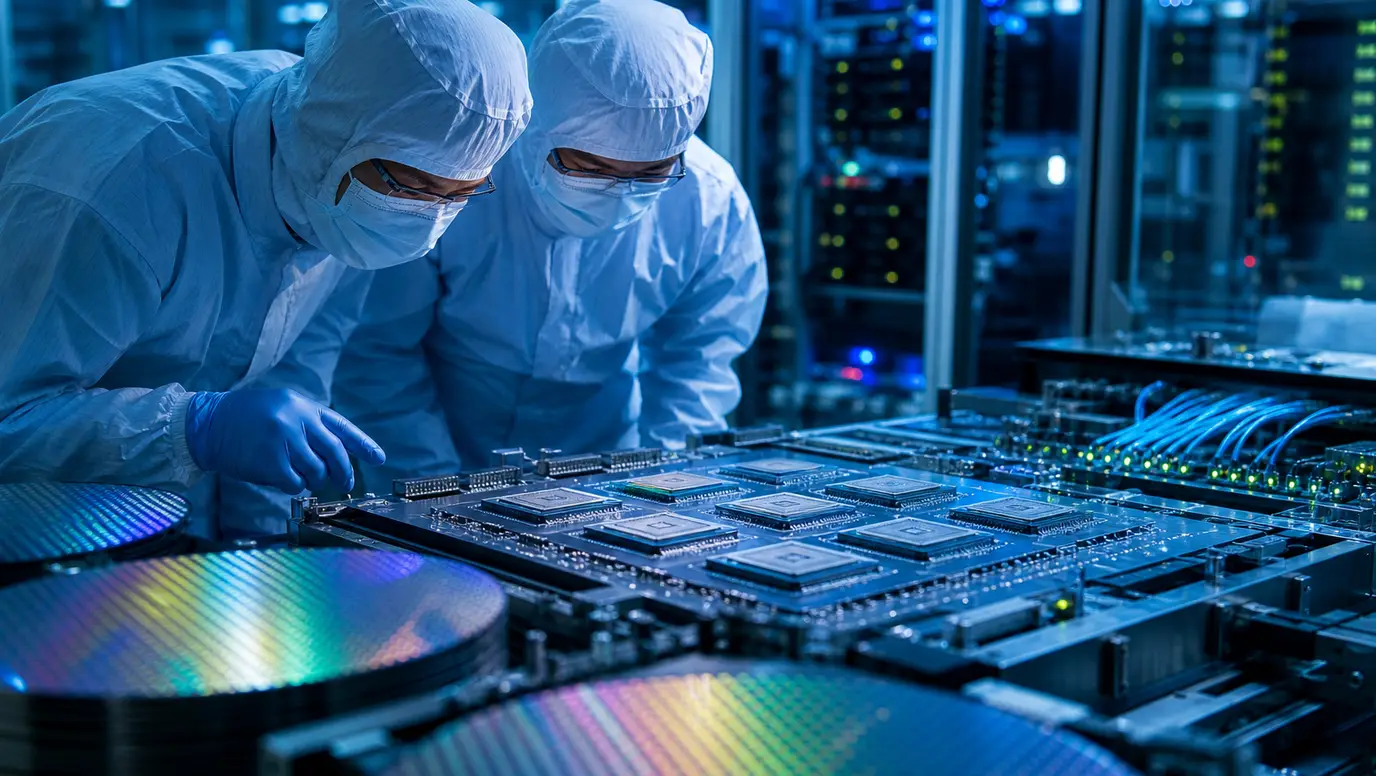
AUGUST 17, 2026
Marvell Stock Jumps as AI Semiconductors Face Data Center Earnings Test
AUGUST 15, 2026
CoreWeave Stock Rally Puts AI Stocks on Margin Watch as Backlog Tops $100 Billion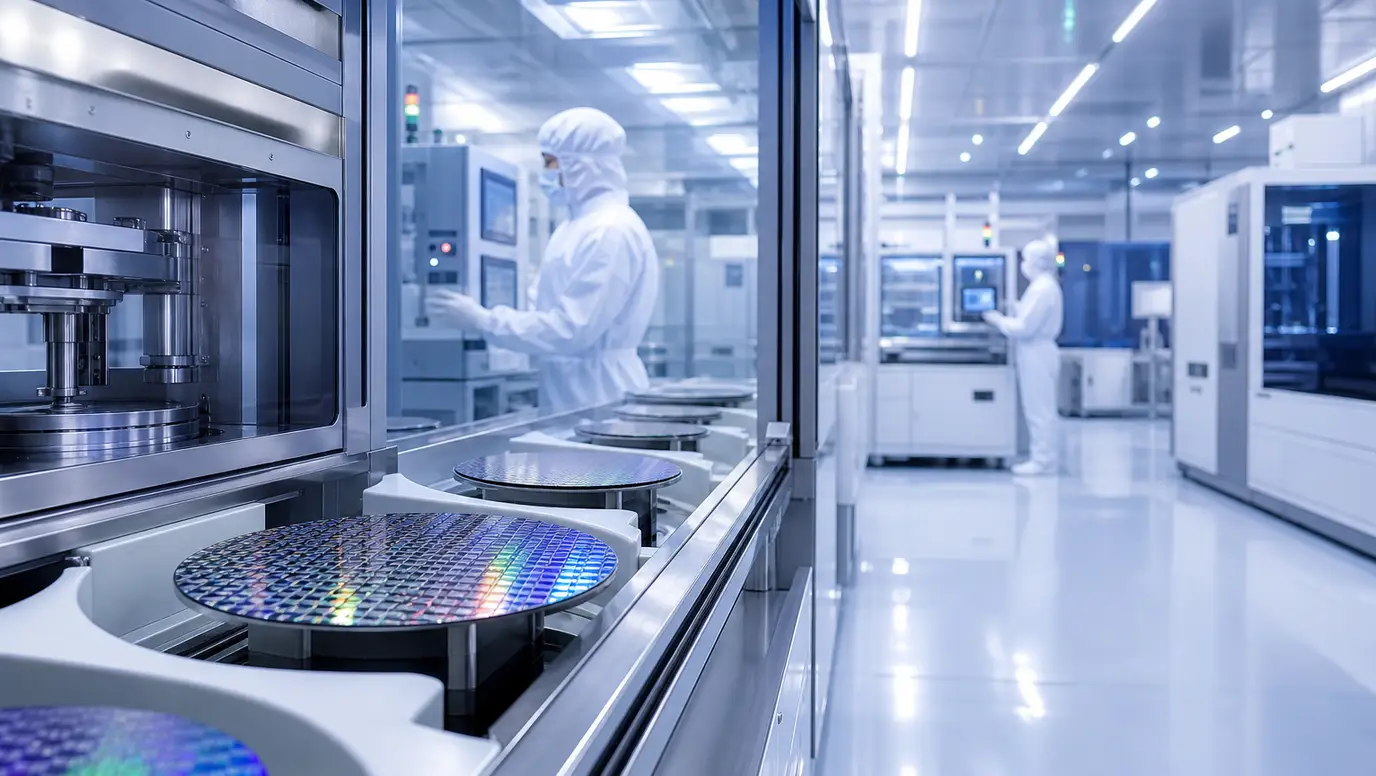
AUGUST 13, 2026
Applied Materials Earnings Put AI Stocks and Semiconductors on Equipment Demand Watch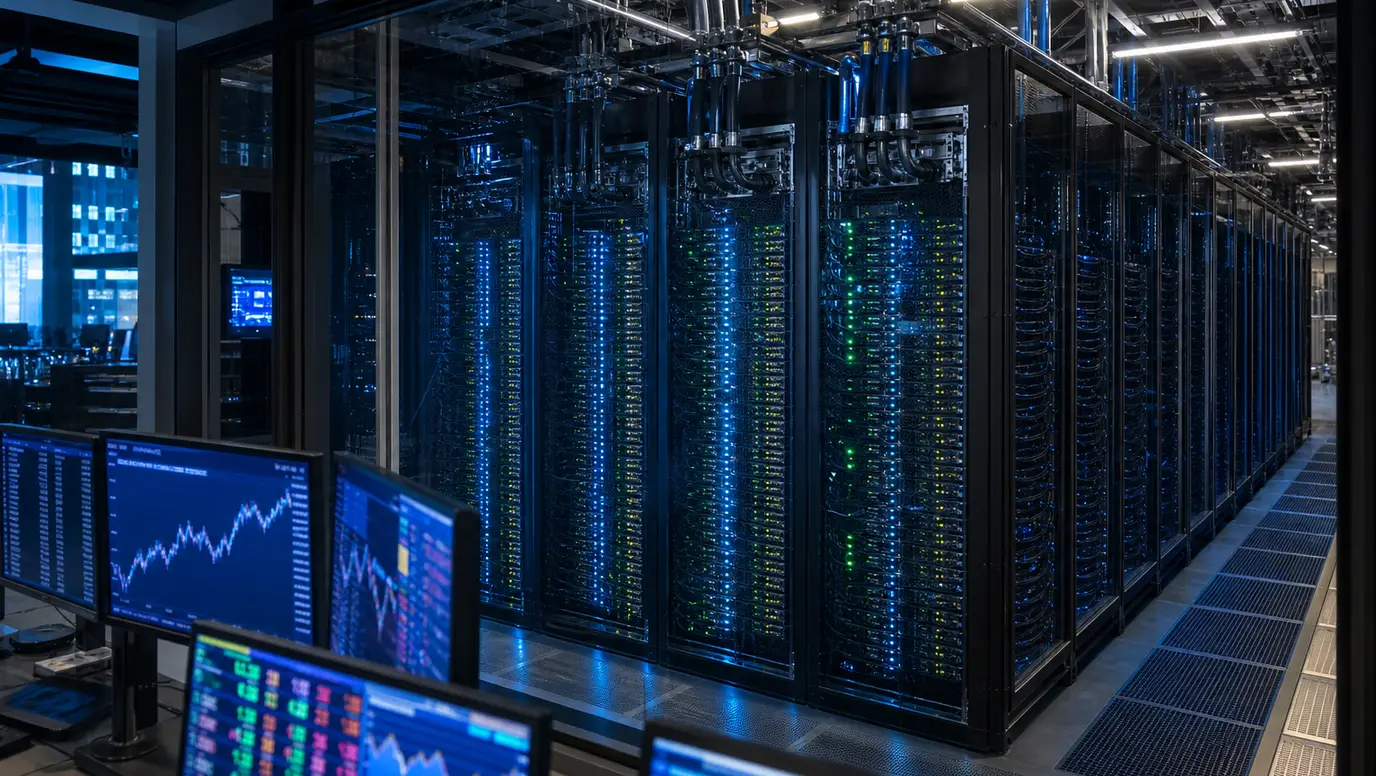
AUGUST 12, 2026
Super Micro Surge Puts AI Stocks and Semiconductors Back in Market Lead
AUGUST 10, 2026
CoreWeave Earnings Put AI Stocks on Margin Watch as Market Holds Near Records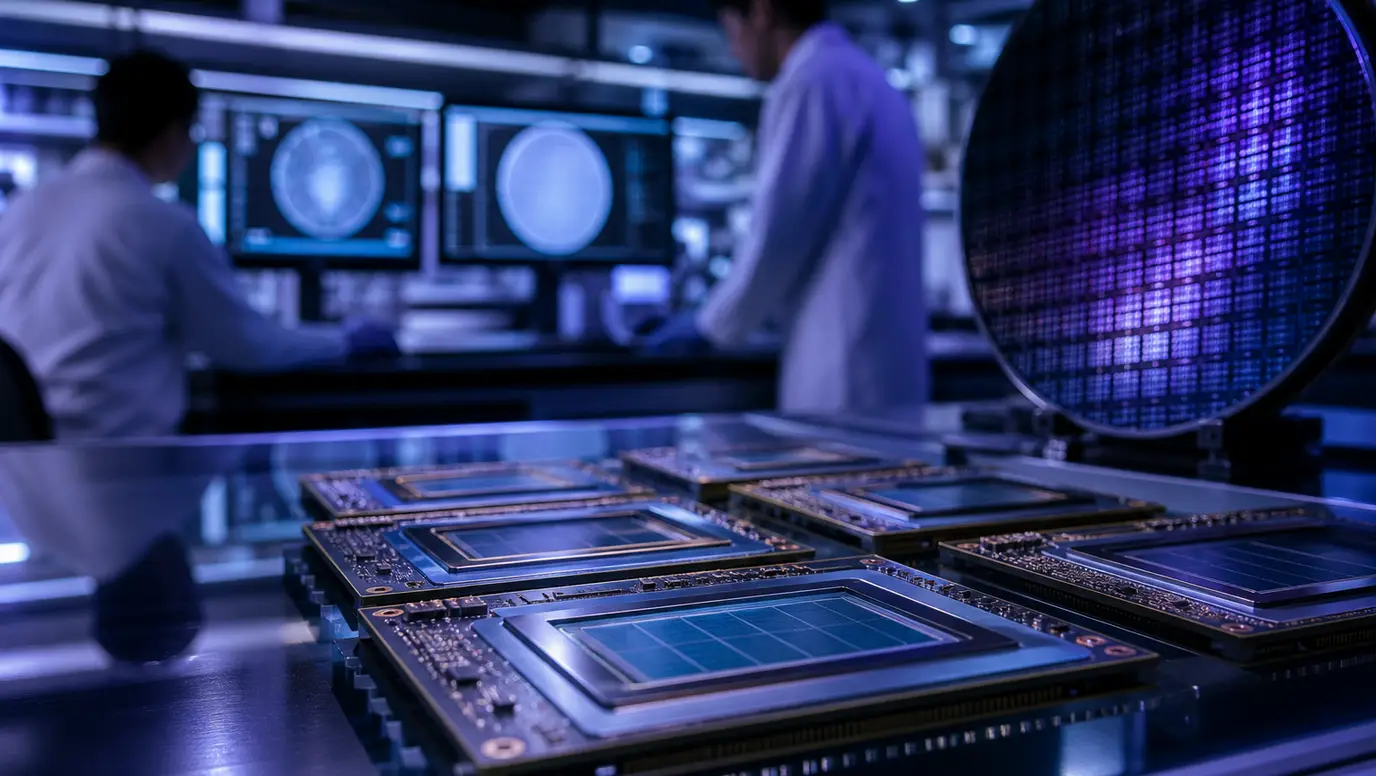
AUGUST 9, 2026
Nvidia Stock Faces Earnings Test as AI Software Push Extends Semiconductors Rally
AUGUST 8, 2026
Atlassian Stock Surge Puts AI Stocks Back in Software Spotlight
AUGUST 7, 2026
SpaceX Stock Rebounds as AI Spending and Share Unlock Test Wall Street
AUGUST 6, 2026
AMD Stock Rebounds as AI Semiconductors Test Margin Expectations