
OCTOBER 13, 2026
Semiconductors Slide as Wall Street Weighs Bank Earnings and AI Rally RiskSemiconductor shares fall as Wall Street balances strong bank earnings, AI valuation risk and the next US inflation test.

© 1box.site 2026

SEPTEMBER 7, 2026
The Nikkei 225 delivered the clearest index-market signal on Monday, climbing 2.12% to 66,399.84 as buying concentrated in Japan’s semiconductor and technology-linked heavyweights. The move added 1,378.90 points to the benchmark and briefly pushed it as high as 66,668.71, keeping Tokyo at the center of global equity attention while US cash markets were closed for the Labor Day holiday.
The advance stood out because it was not a broad-based surge. More Nikkei 225 constituents fell than rose, with 105 advancers against 120 decliners, showing that a small group of influential shares carried the benchmark higher. That narrow leadership makes the rally powerful at the index level but also leaves traders watching whether follow-through buying can spread beyond chip equipment, testing and AI supply-chain names.
Semiconductor exposure was the dominant theme. Advantest remained the largest index weight at more than 12%, while Tokyo Electron carried a weighting above 8%, giving the chip complex an outsized role in the day’s price action. SoftBank Group, another major influence on the benchmark through its technology and AI-related investment profile, also helped reinforce the growth-stock tone.
The rally reflected renewed appetite for Asia’s AI infrastructure trade after recent volatility in global technology shares. Investors appeared willing to rotate back into companies tied to chip testing, manufacturing equipment and data-center demand, even as broader macro conditions remained unsettled. For index traders, the key point is that the Nikkei 225 can move sharply when its highest-weighted technology components align in the same direction.
South Korea’s equity benchmark also jumped, strengthening the view that Monday’s regional move was centered on semiconductors rather than domestic Japan factors alone. The synchronized gains in Tokyo and Seoul suggest that investors are still treating Asian chip exposure as a global AI proxy, especially when US markets are shut and liquidity is concentrated in the region.
Despite the strong headline gain, the internal market picture was more mixed. The negative advance-decline balance means the Nikkei 225’s performance depended heavily on a handful of large constituents. If those stocks lose momentum, the index could retrace quickly unless financials, exporters, consumer shares and industrials provide broader support.
Valuation sensitivity is also returning to the discussion. The Nikkei 225’s index-weighted price-to-earnings ratio was above 22, a level that leaves the benchmark exposed to shifts in bond yields, currency expectations and earnings guidance. That does not automatically undermine the rally, but it raises the bar for future gains because investors may demand clearer profit upgrades from the same technology leaders now pulling the index higher.
The Bank of Japan remains another important variable. Expectations for tighter policy have kept traders alert to potential pressure on rate-sensitive sectors and on exporters if the yen strengthens further. A stronger yen can reduce the translated value of overseas earnings for Japanese multinationals, while higher domestic yields can challenge the premium valuations assigned to fast-growing technology stocks.
Monday’s global setup also mattered. With Wall Street closed, trading volumes and cross-market signals were less complete than usual. That can amplify moves in regional benchmarks, particularly when momentum funds, futures traders and short-term accounts chase the same theme. The Nikkei 225’s surge therefore gives a strong signal of renewed chip demand, but confirmation may depend on how US technology futures and Treasury yields respond when normal trading resumes.
For now, the Nikkei 225 has reclaimed the spotlight among major indexes. The next test is whether the rally can broaden beyond semiconductors and whether buyers defend the 66,000 area if profit-taking emerges. A sustained hold above that level would keep momentum traders focused on the recent intraday high, while a slide back below it would suggest that Monday’s strength was more about concentrated chip leadership than a durable improvement in overall index breadth.
OCTOBER 13, 2026
Semiconductors Slide as Wall Street Weighs Bank Earnings and AI Rally Risk
OCTOBER 7, 2026
Marvell Stock Rally Puts AI Semiconductors Back in Focus as Treasury Yields Return
OCTOBER 6, 2026
Broadcom Stock Rises as Anthropic AI Financing Puts Semiconductors in Focus
OCTOBER 5, 2026
Qualcomm Stock Puts Semiconductors on Watch as Huawei AI Patent Deal Meets Arm Trial Risk
OCTOBER 3, 2026
Synaptics Stock Jumps as onsemi Semiconductor Deal Turns to $5.7 Billion Cash Offer
SEPTEMBER 9, 2026
Qualcomm Stock Climbs as Amazon AI Chip Deal Lifts Semiconductors
SEPTEMBER 6, 2026
Nasdaq 100 Faces Indexes Test as Semiconductors Fade Before Federal Reserve Inflation Data
SEPTEMBER 3, 2026
Broadcom Stock Slips as AI Semiconductors Surge but Guidance Tests Bulls
AUGUST 30, 2026
Marvell Technology Stock Pullback Puts AI Stocks and Semiconductors on Margin Watch
AUGUST 28, 2026
Broadcom Earnings Put AI Stocks and Semiconductors on Demand Watch
AUGUST 24, 2026
Nikkei 225 Index Slide Puts AI Stocks and Semiconductors on Yield Watch
AUGUST 21, 2026
Nvidia Stock Rebound Puts AI Stocks on Earnings Watch as Yields Test Semiconductors
AUGUST 19, 2026
AMD Stock Slides as AI Semiconductors Face Federal Reserve Minutes Test
AUGUST 17, 2026
Marvell Stock Jumps as AI Semiconductors Face Data Center Earnings Test
AUGUST 13, 2026
Applied Materials Earnings Put AI Stocks and Semiconductors on Equipment Demand Watch
AUGUST 12, 2026
Super Micro Surge Puts AI Stocks and Semiconductors Back in Market Lead
AUGUST 9, 2026
Nvidia Stock Faces Earnings Test as AI Software Push Extends Semiconductors Rally
AUGUST 6, 2026
AMD Stock Rebounds as AI Semiconductors Test Margin Expectations
AUGUST 3, 2026
Micron Slide Tests Semiconductors and AI Stocks as Earnings Rotation Builds
JULY 28, 2026
ASML and Nvidia Selloff Drags Semiconductors as China DUV Report Hits Stocks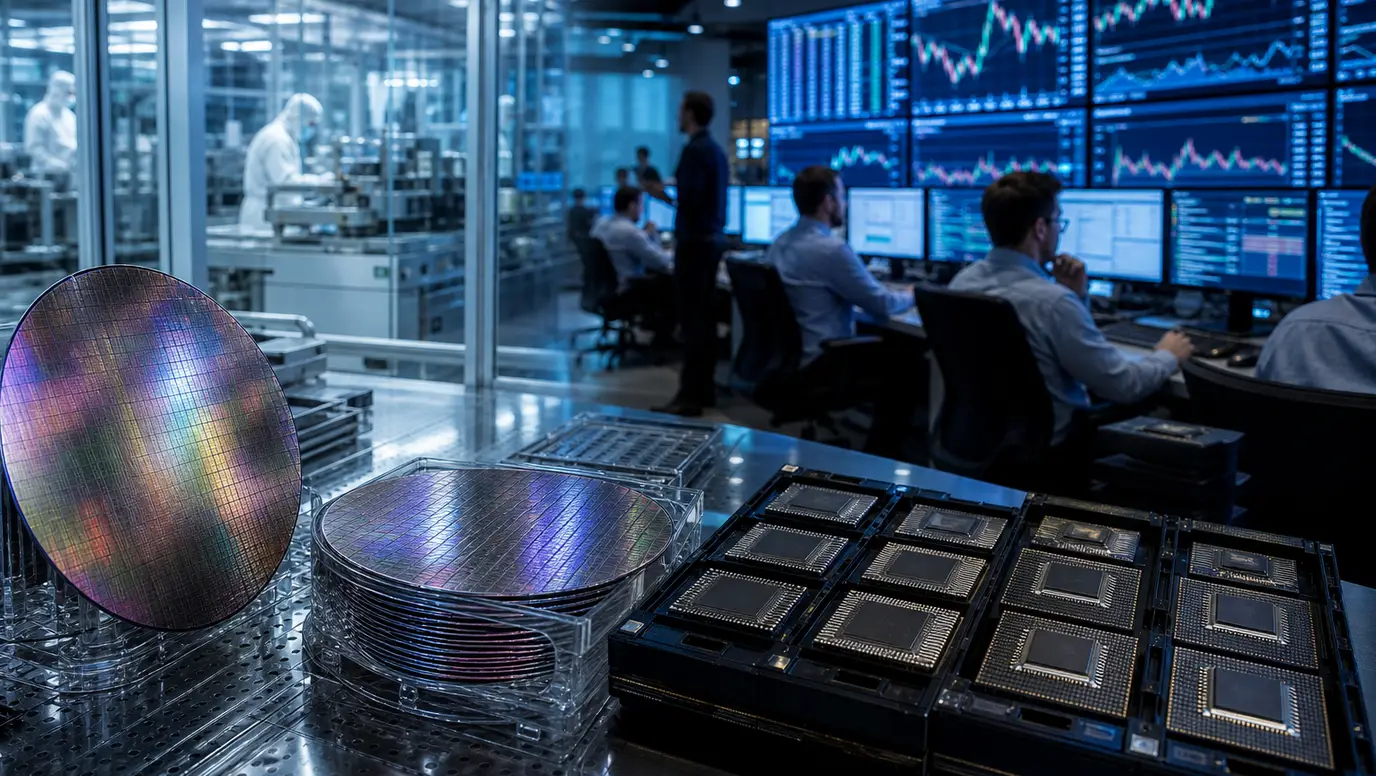
JULY 20, 2026
Intel and Texas Instruments Put Semiconductors in Focus as Stocks Enter Earnings Crunch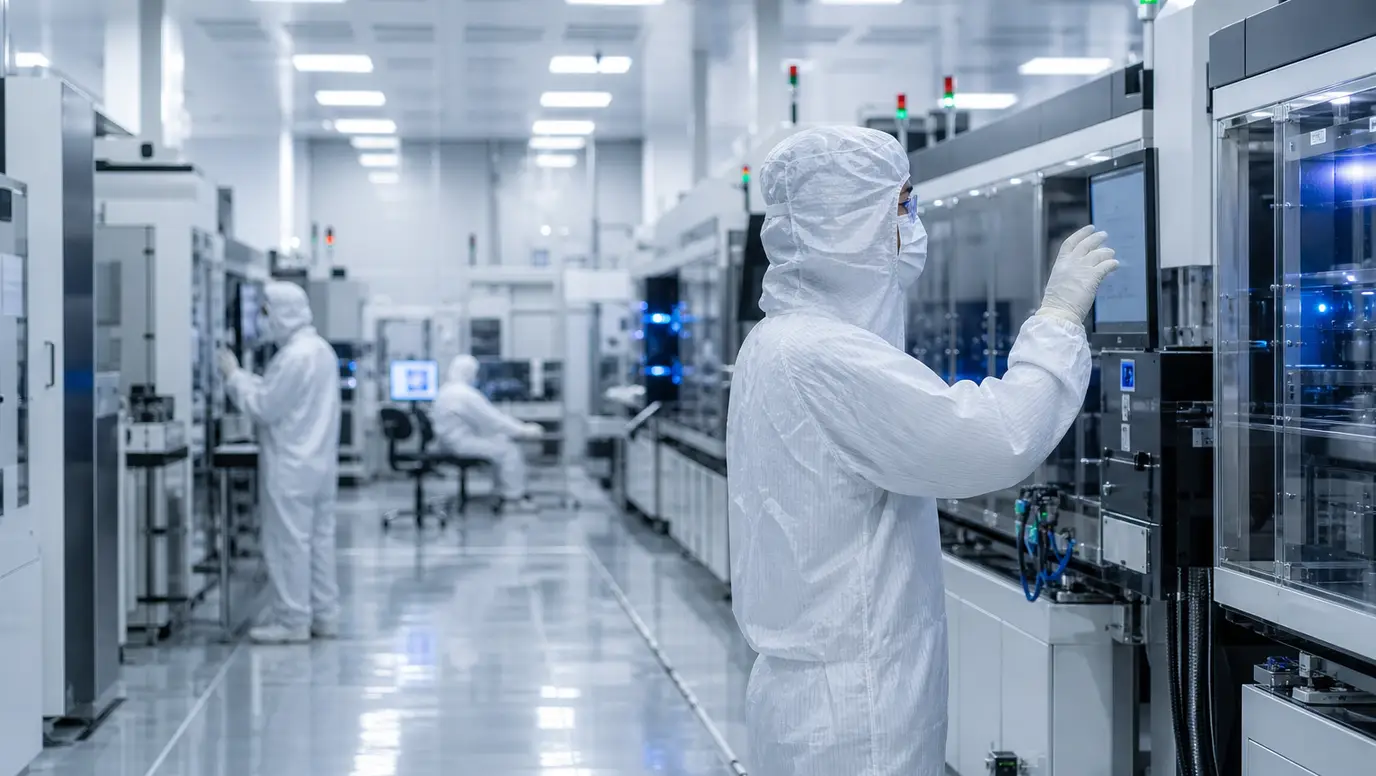
JULY 15, 2026
ASML Outlook Lifts AI Stocks as Semiconductors Reprice 2026 Demand
JULY 13, 2026
Micron and Sandisk Slide as AI Memory Boom Faces Earnings Test
JULY 12, 2026
Meta’s AI Cloud Push Gives Stock Market a New Test for Capex Payoff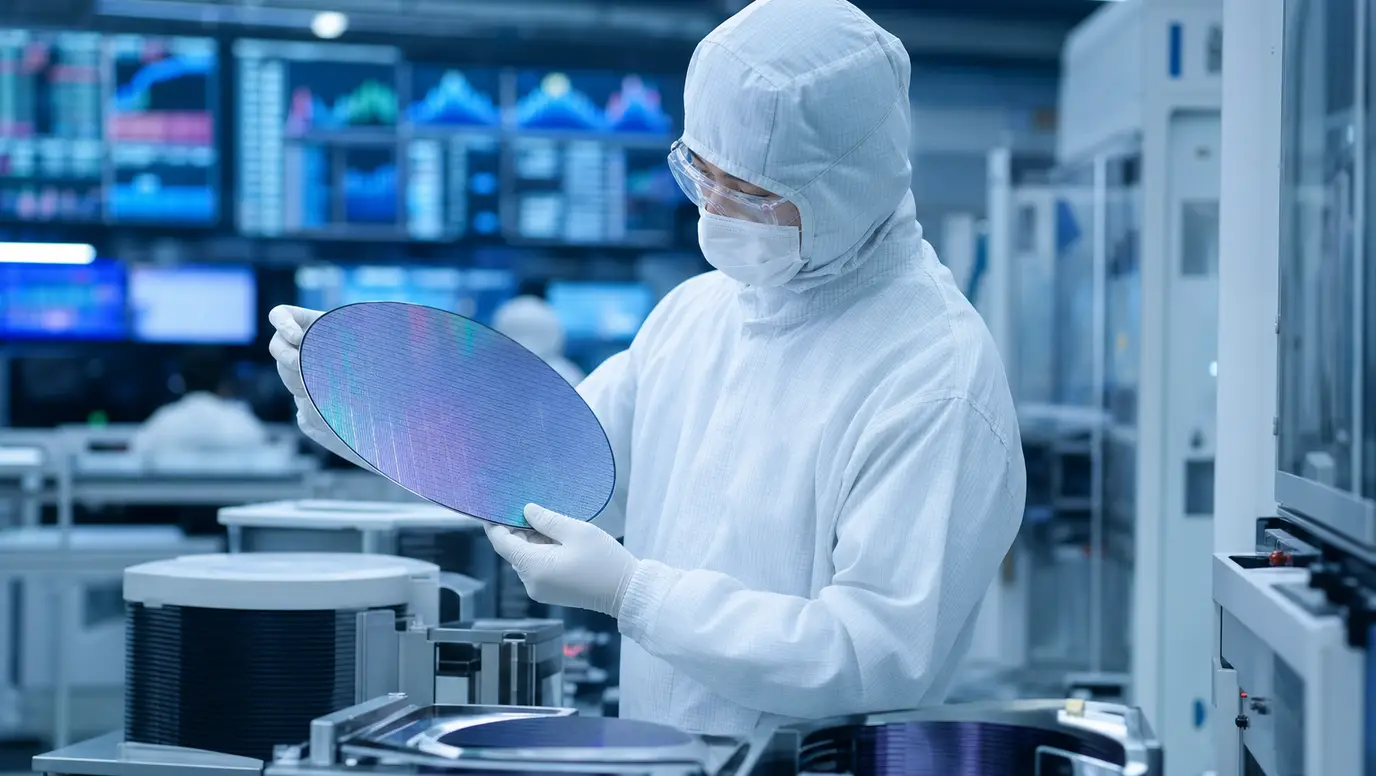
JULY 10, 2026
SK Hynix Nasdaq Debut Puts AI Memory Trade Back at Center of Stock Market
JULY 9, 2026
Broadcom’s Apple Chip Deal Gives Stock Market a Hard-Cash Test for AI Supplier Valuations
JULY 8, 2026
Nasdaq Futures Slip as Chip Rout and Fed Minutes Put Index Market on Alert
JULY 7, 2026
AI Chip Reversal Tests Index Market Rally as S&P 500 Retreats From Record Zone
JULY 7, 2026
AI Chip Rout Puts Stock Market Back on Valuation Watch as Nasdaq Futures Slide
JULY 6, 2026
Stock Market Faces Earnings Breadth Test as Fed Minutes Loom After Chip Rout