
NOVEMBER 19, 2026
Japanese Yen Weakens as US Dollar Nears 160 in Forex TradingThe Japanese yen weakened toward 160 per US dollar as traders weighed interest rate expectations and the risk of currency intervention.

© 1box.site 2026

NOVEMBER 22, 2026
The Swiss franc heads into a new trading week with inflation and interest-rate expectations in focus after a senior Swiss central banker warned that policymakers are watching for signs of broader price pressures.
Swiss National Bank Vice Chairman Antoine Martin said in comments published on November 22 that the bank was paying particular attention to potential second-round effects, in which initial price increases feed into wages and other costs. His remarks came after Swiss annual inflation accelerated to 1.5% in October from 1% in September.
The comments arrived after Friday’s trading, so they did not explain that session’s currency moves. In the November 20 reference-rate snapshot, the US dollar was worth approximately 0.8392 Swiss francs, down about 0.4% from the previous business day.
October’s inflation reading remained within the Swiss central bank’s definition of price stability, but its faster-than-expected increase raised expectations that policymakers could consider a rate rise in December. Martin’s comments underline the importance of whether the initial inflation shock spreads more broadly through the economy; they did not signal a decision.
For the franc, the outlook depends partly on how investors reassess the gap between Swiss and foreign interest rates. Higher expected Swiss rates can make franc-denominated assets more attractive, although currency movements also depend on market sentiment and expectations elsewhere.
Across the Atlantic, minutes released on November 18 showed that nearly all Federal Reserve officials expected a quarter-point rate increase in December. That prospect has supported the dollar, while uncertainty around global equities has also encouraged demand for currencies viewed as havens, including the franc.
Traders will next assess the US personal consumption expenditures inflation report scheduled for November 25. A stronger-than-expected reading could reinforce expectations for tighter US policy, while softer data could prompt a reassessment. Either outcome would need to be weighed against Swiss inflation expectations and broader demand for the franc.
The 0.8392 reference rate is a snapshot rather than a guaranteed dealing price or a forecast. Currency prices can change when markets reopen and as new information becomes available.
NOVEMBER 19, 2026
Japanese Yen Weakens as US Dollar Nears 160 in Forex Trading
NOVEMBER 16, 2026
Swiss Franc Forex Slips as US Dollar Rate Advantage Tests Haven Appeal
NOVEMBER 15, 2026
Canadian Dollar Forex Faces CPI Test as US Dollar Rate Premium Keeps USD/CAD Elevated
NOVEMBER 13, 2026
Japanese Yen Forex Watch Intensifies as Dollar Tests 160 Intervention Line
NOVEMBER 12, 2026
Australian Dollar Forex Slides as US Dollar Rally Erases Reserve Bank of Australia Rate Edge
NOVEMBER 11, 2026
US Dollar Forex Rally Sends Swiss Franc Lower as Federal Reserve Hike Bets Build
NOVEMBER 10, 2026
Euro Forex Market Slips as Hot US CPI Revives US Dollar and Federal Reserve Hike Bets
NOVEMBER 9, 2026
New Zealand Dollar Forex Rebounds as Election Cliffhanger Puts RBNZ Path in Focus
NOVEMBER 8, 2026
British Pound Forex Rally Faces Bank of England Test as US Dollar CPI Risk Returns
NOVEMBER 7, 2026
Japanese Yen Forex Rally Builds as Bank of Japan Shift Puts US Dollar on Intervention Watch
NOVEMBER 5, 2026
Swiss Franc Forex Firms as US Dollar Slide Deepens After Midterm Vote
NOVEMBER 4, 2026
Australian Dollar Forex Slips as Reserve Bank of Australia Hike Fails to Beat US Dollar
NOVEMBER 3, 2026
Euro Forex Holds Near 1.1200 as Dollar Traders Await US Vote and Inflation Data
NOVEMBER 2, 2026
British Pound Forex Firms as Bank of England Rate Decision Tests US Dollar Pullback
OCTOBER 31, 2026
Japanese Yen Forex Extends Gains as Bank of Japan Hold Pressures US Dollar
OCTOBER 30, 2026
Canadian Dollar Forex Rally Extends as Bank of Canada Hike Puts US Dollar Under Pressure
OCTOBER 29, 2026
US Dollar Forex Holds Firm as Fed Pause Puts Euro and GDP Data in Focus
OCTOBER 28, 2026
Euro Forex Slides Toward $1.11 as Fed and ECB Decisions Put Dollar in Control
OCTOBER 25, 2026
Japanese Yen Forex Rebounds as USD/JPY Nears 157 Before Fed and Bank of Japan Decisions
OCTOBER 23, 2026
Swiss Franc Forex Firms as SNB Carry-Trade Signal Checks Dollar Rebound
OCTOBER 22, 2026
Euro Forex Stalls as French Bond Rout Blunts Softer US Dollar Before Central Bank Week
OCTOBER 20, 2026
Australian Dollar Forex Eyes 0.70 as China Growth and Fed Pause Bets Lift AUD/USD
OCTOBER 19, 2026
Japanese Yen Forex Holds Near 158 Per Dollar as Bank of Japan Signals Tightening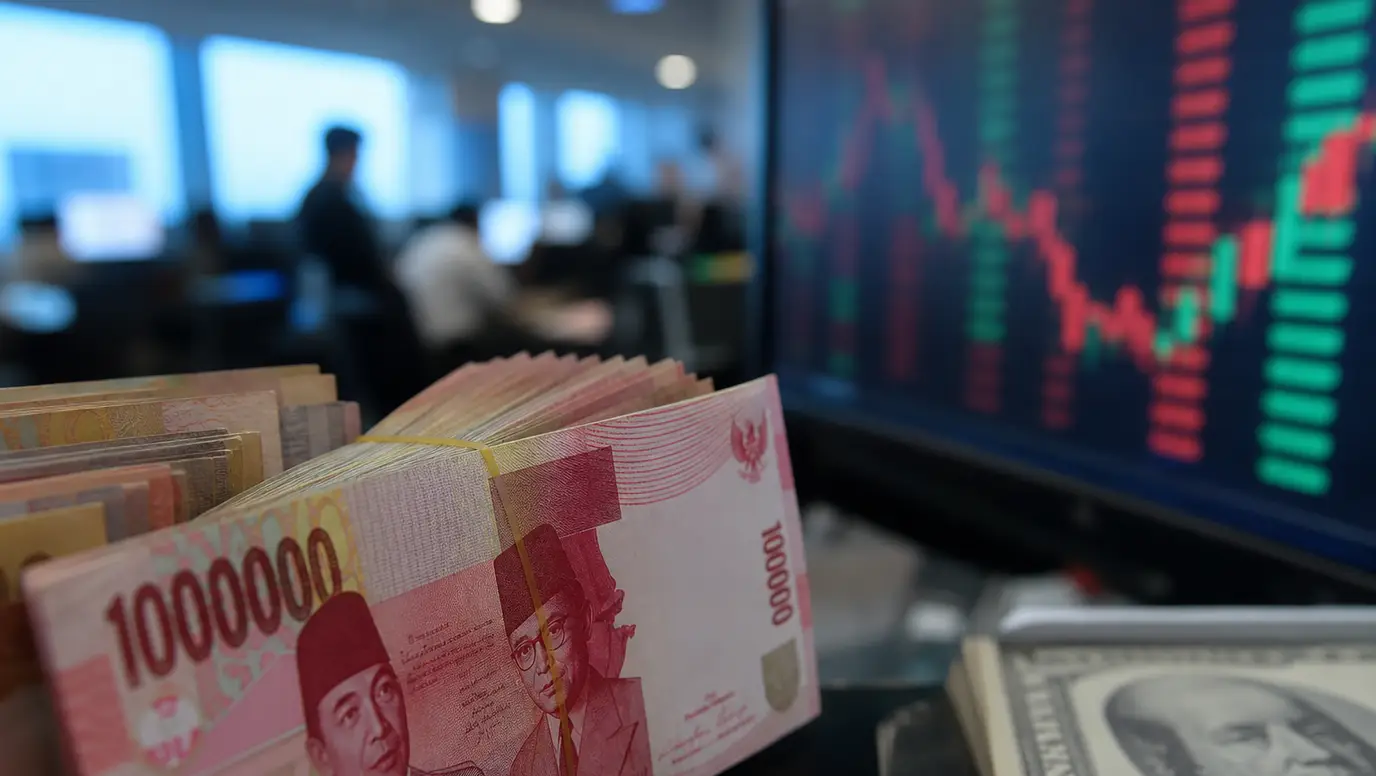
OCTOBER 18, 2026
Indonesia Rupiah Forex Slumps as Index Downgrade Risk Spurs Dollar Demand
OCTOBER 16, 2026
Canadian Dollar Forex Rebounds as US Dollar Retreat Sets Up Bank of Canada Test
OCTOBER 15, 2026
Swiss Franc Forex Rises as Treasury Yields Pull US Dollar From 18-Month High
OCTOBER 14, 2026
Euro Forex Edges Higher as US Dollar Retreats Before Inflation Test
OCTOBER 13, 2026
Japanese Yen Forex Rebounds as Bank of Japan Price Data Checks US Dollar Rally
OCTOBER 12, 2026
British Pound Forex Holds Steady as Bank of England Speakers and US Dollar Test Loom
OCTOBER 10, 2026
Iraqi Dinar Devaluation Puts Forex Market on Alert as US Dollar Premium Widens