
OCTOBER 19, 2026
Japanese Yen Forex Holds Near 158 Per Dollar as Bank of Japan Signals TighteningJapanese yen steadies near 158 per dollar as BOJ inflation remarks revive rate-hike bets and intervention risk limits USD/JPY upside.

© 1box.site 2026
OCTOBER 18, 2026
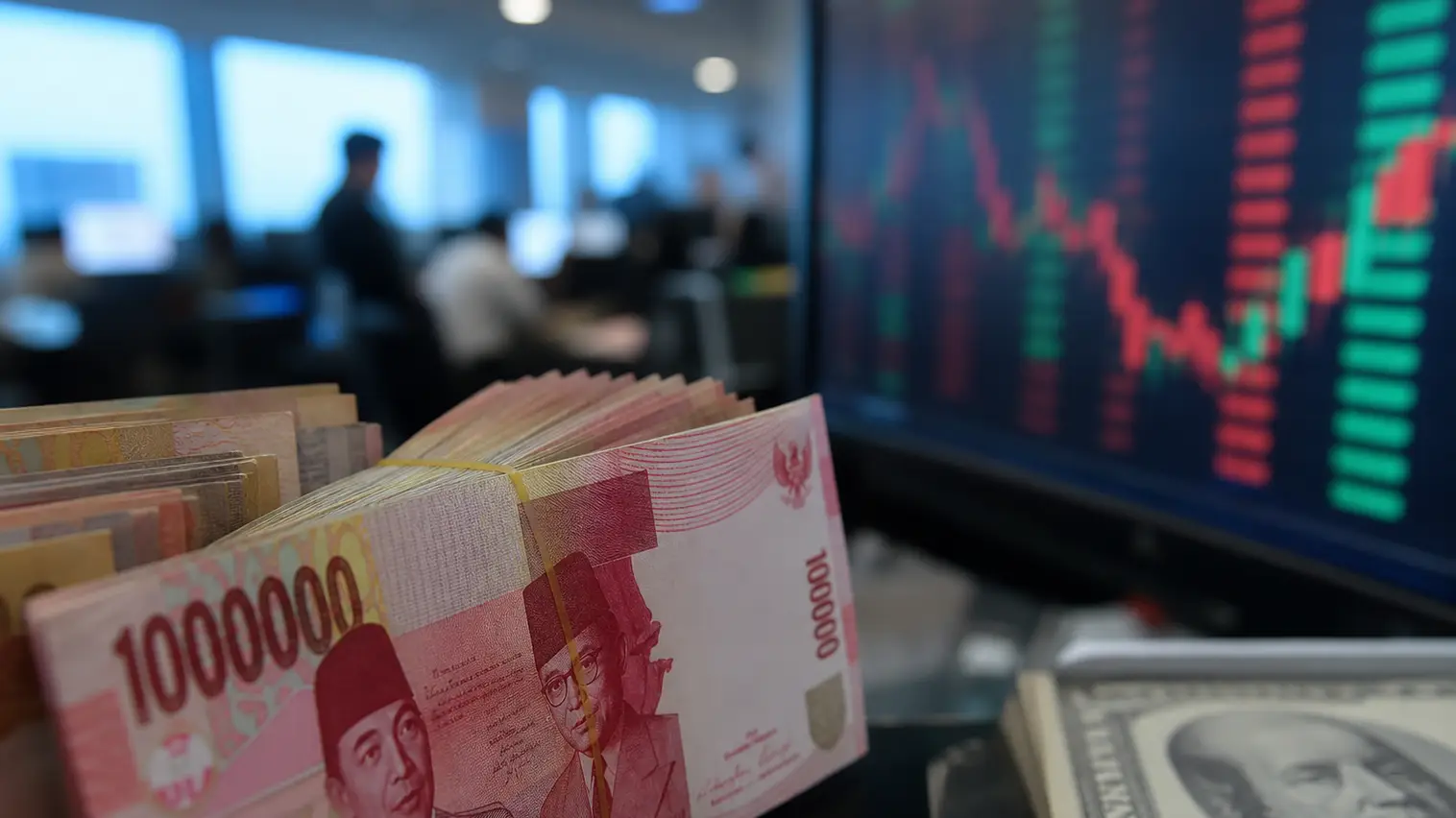
Indonesia's rupiah has moved back to the center of the forex market after a sharp bout of risk aversion pushed the currency through a closely watched 18,000-per-dollar area and forced traders to reassess capital-flow risk in Southeast Asia's largest economy.
The pressure followed a fresh global index review that raised the possibility of Indonesia being moved from emerging-market status to a standalone classification. For currency traders, the issue is not only technical index membership. A downgrade threat can change the behavior of passive funds, active managers and hedging desks, creating demand for dollars as investors reduce local exposure or protect portfolios against further volatility.
The move makes the rupiah one of the most active emerging-market forex stories of the week, outpacing quieter moves in several major currency pairs. With recent CMS coverage already focused on sterling, the Canadian dollar, the Swiss franc, the euro and the yen, the rupiah selloff offers a fresh forex-market angle tied directly to capital flows, dollar liquidity and central bank stabilization policy.
The rupiah's weakness has been amplified by a steep fall in Indonesian equities, where fears of exclusion from major emerging-market benchmarks triggered forced-selling concerns. A sharp equity drawdown often becomes a currency event because overseas investors converting proceeds from local assets typically need dollars, while domestic institutions may raise hedges against additional outflows.
That feedback loop is now the key concern for the forex market. If investors view the downgrade process as prolonged rather than quickly resolved, dollar demand could remain sticky even during short-term rebounds in local stocks. The consultation period also leaves a long window for headline risk, meaning the rupiah may trade less on domestic macro data and more on evidence of whether market-governance reforms are judged credible by global investors.
For now, the most important technical area is the 18,000-per-dollar zone. A sustained break above that level would risk reinforcing defensive positioning, while a recovery back below it could suggest that official support and bargain hunting are beginning to slow the outflow impulse.
Indonesia's central bank has signaled that it will remain present in markets through offshore and onshore instruments, including spot transactions, non-deliverable forwards and domestic liquidity operations. That stance reduces the risk of a disorderly forex move, but it does not fully remove the pressure if global funds continue to cut exposure.
The challenge is that currency intervention can smooth volatility, but it cannot by itself reverse a change in investor perception. Traders will therefore watch foreign-exchange reserves, local bond flows and any new policy steps aimed at improving market transparency. Clearer evidence that foreign selling is stabilizing would be needed before rupiah bears are likely to retreat in a durable way.
Rate expectations also matter. If policymakers lean too heavily on currency defense, markets may begin to price a tighter policy path, which could support the rupiah but also weigh on growth-sensitive assets. If they tolerate more depreciation, imported inflation and dollar-funding pressure could become bigger concerns.
The near-term rupiah outlook remains cautious. A relief bounce is possible after a fast selloff, particularly if authorities deliver stronger reassurance or if broader dollar momentum fades. However, the currency is likely to keep a higher risk premium while investors wait for more clarity on the index review and the scale of potential portfolio outflows.
For forex traders, the setup favors headline-sensitive trading rather than a clean trend based on interest-rate differentials alone. The rupiah may stabilize if equity markets regain liquidity and foreign selling slows, but another wave of downgrade-related concern could quickly revive demand for dollars.
That makes Indonesia's currency the standout story in the forex market for now: a local governance issue has become a broader test of emerging-market confidence, dollar liquidity and the ability of central bank support to contain capital-flow stress.
OCTOBER 19, 2026
Japanese Yen Forex Holds Near 158 Per Dollar as Bank of Japan Signals Tightening
OCTOBER 16, 2026
Gold Metals Market Rebounds as US Dollar and Treasury Yields Ease Before Federal Reserve Decision
OCTOBER 16, 2026
Canadian Dollar Forex Rebounds as US Dollar Retreat Sets Up Bank of Canada Test
OCTOBER 15, 2026
Swiss Franc Forex Rises as Treasury Yields Pull US Dollar From 18-Month High
OCTOBER 15, 2026
Silver Metals Market Tests 2026 Low as Federal Reserve Rate Bets Lift US Dollar
OCTOBER 14, 2026
Euro Forex Edges Higher as US Dollar Retreats Before Inflation Test
OCTOBER 13, 2026
Zinc Metals Market Falls as LME Stock Jump and US Dollar Pressure Base Metals
OCTOBER 13, 2026
Japanese Yen Forex Rebounds as Bank of Japan Price Data Checks US Dollar Rally
OCTOBER 12, 2026
Copper Metals Market Rises as China Premium and Tight LME Stocks Challenge US Dollar
OCTOBER 12, 2026
British Pound Forex Holds Steady as Bank of England Speakers and US Dollar Test Loom
OCTOBER 11, 2026
Gold Metals Market Braces for Federal Reserve Test as US Dollar and Treasury Yields Bite
OCTOBER 11, 2026
Australian Dollar Faces Reserve Bank of Australia Minutes Test as US Dollar Stays Near 18-Month High
OCTOBER 10, 2026
Iraqi Dinar Devaluation Puts Forex Market on Alert as US Dollar Premium Widens
OCTOBER 10, 2026
Palladium Metals Market Slips as Auto Demand and US Dollar Pressure Deepen Surplus Worries
OCTOBER 8, 2026
Euro Forex Slides as French Debt Stress and Treasury Yields Lift Dollar
OCTOBER 8, 2026
Zinc Metals Tightness Faces US Dollar and Treasury Yield Test
OCTOBER 7, 2026
Japanese Yen Forex Weakens as USD/JPY Tests 158 Before Fed Minutes
OCTOBER 7, 2026
Aluminum Rebound Tests Metals Market as Dollar Strength and China Lull Cap Buyers
OCTOBER 6, 2026
British Pound Forex Steadies as Firm US Dollar and Gilt Yields Cap GBP/USD Bounce
OCTOBER 5, 2026
Australian Dollar Forex Holds Below 70 Cents as Reserve Bank of Australia Hike Meets Firm US Dollar
OCTOBER 4, 2026
Canadian Dollar Forex Slips as U.S. Rate Gap and Flat GDP Keep USD/CAD Near Highs
OCTOBER 2, 2026
Silver Holds Above $61 as Dollar and Treasury Yields Keep Metals Market on Payrolls Watch
SEPTEMBER 30, 2026
Swiss Franc Forex Rebound Tests US Dollar Rally as Federal Reserve Inflation Gauge Cools
SEPTEMBER 22, 2026
Japanese Yen Slides as Dollar Strength and Bank of Japan Doubts Put Forex Market on Intervention Watch
SEPTEMBER 15, 2026
Euro Slides as US Dollar Rally Puts Forex Market on Federal Reserve Watch
SEPTEMBER 11, 2026
Japanese Yen Firms in Forex Market as Bank of Japan Bets Challenge US Dollar Rally
SEPTEMBER 6, 2026
Euro Firms in Forex Market as European Central Bank Decision Sets Up Dollar Test
SEPTEMBER 1, 2026
Swiss Franc Weakens as Forex Market Backs Dollar on Federal Reserve Rate Risk
AUGUST 27, 2026
US Dollar Rebound Tests Forex Market as Hot PCE Revives Fed Rate Risk
AUGUST 21, 2026
Dollar Slide Puts Forex Market on Treasury Yields Watch as Fiscal Fears Spread