
OCTOBER 22, 2026
Euro Forex Stalls as French Bond Rout Blunts Softer US Dollar Before Central Bank WeekEuro forex steadies near key levels as French bond stress offsets a softer US dollar before the Fed and ECB policy decisions.

© 1box.site 2026

OCTOBER 23, 2026
The Swiss franc moved back into focus in the forex market on Friday as traders reassessed whether the currency can keep drawing support after the Swiss National Bank signaled that emergency-style pressure against franc strength is no longer central to its policy stance.
USD/CHF hovered near recent lows after a three-day pullback, with the dollar’s broader recovery only partly offsetting renewed demand for defensive currencies. The move followed the release of the Swiss central bank’s latest policy discussion summary, which showed officials viewed the franc’s recent weakness as consistent with wider interest-rate differentials and low volatility rather than as a disorderly market shift.
For currency desks, the message is important because it reframes the franc from a one-way haven trade into a more tactical funding and risk-sentiment currency. The central bank left its policy rate at 0% at its September meeting and judged that an increased willingness to intervene in the foreign exchange market was no longer necessary in the current environment.
The Swiss franc had strengthened sharply earlier in the year as geopolitical risk lifted demand for safe assets. That pressure has since eased, and the central bank noted that the franc had depreciated by roughly 3% in trade-weighted terms since the June assessment.
The key driver was not domestic weakness alone. Higher rates abroad widened the reward for borrowing in francs and holding higher-yielding currencies, increasing the franc’s appeal as a funding currency for carry trades. Low exchange-rate volatility added to that incentive, making leveraged positions more attractive while risk appetite remained resilient.
That dynamic creates a two-sided setup for USD/CHF. If equity markets stabilize and global yields stay elevated, the franc may struggle to build sustained upside because traders can continue to use it to fund positions elsewhere. But if risk sentiment deteriorates, the same crowded carry structure can unwind quickly, forcing franc buying as investors reduce exposure.
The dollar side of the pair remains equally important. Elevated US yields and expectations for tighter policy have helped prevent a deeper dollar retreat, but concerns about stretched technology valuations and intermittent demand for Treasuries have kept the market sensitive to any shift in risk appetite. That leaves USD/CHF trading as much on global portfolio positioning as on Swiss data.
Swiss inflation remains low by international standards, which gives policymakers room to keep rates at 0% for now. However, the latest policy discussion also showed that officials are watching higher energy prices and the weaker franc because both can lift import costs.
The central bank’s baseline remains measured: medium-term inflation pressure was described as only slightly higher, core inflation has risen only modestly, and officials saw no broad second-round effects. That combination reduces the immediate case for a rate increase, even as the currency’s depreciation makes monetary conditions easier.
For forex traders, the nuance matters. A weaker franc can support Swiss growth and exporters, but too much depreciation would complicate the inflation outlook if oil and refined fuel prices remain elevated. Conversely, a sudden return of haven flows could tighten conditions and revive the intervention debate, especially if the move threatens price stability through an excessively strong exchange rate.
The next phase for the Swiss franc is likely to depend on whether markets treat the central bank’s latest communication as permission to rebuild carry trades or as a warning that policy remains flexible. The central bank still says it can be active in foreign exchange markets when necessary, even though it no longer sees a need for heightened intervention language.
Near term, USD/CHF is likely to remain sensitive to the balance between US dollar yield support and Swiss franc haven demand. A clean break lower would suggest that risk aversion is again overpowering the carry-trade argument, while a rebound would indicate that traders are comfortable leaning against the franc as a low-yielding funder.
Upcoming inflation signals, energy-price moves and central bank commentary across major economies will shape that balance. If global central banks keep rates higher to fight energy-driven inflation, the franc’s yield disadvantage may persist. If market stress intensifies, however, the currency’s haven status could quickly reassert itself.
For now, the Swiss franc forex story is less about a single policy surprise and more about a changing market identity. The currency is still a haven when confidence breaks, but the latest central bank signal confirms that, in calmer conditions, it is increasingly being priced as a funding currency in a higher-rate world.
OCTOBER 22, 2026
Euro Forex Stalls as French Bond Rout Blunts Softer US Dollar Before Central Bank Week
OCTOBER 21, 2026
Silver Metals Market Slips as US Dollar and Treasury Yields Revive Federal Reserve Risk
OCTOBER 20, 2026
Australian Dollar Forex Eyes 0.70 as China Growth and Fed Pause Bets Lift AUD/USD
OCTOBER 20, 2026
Tin Metals Market Holds Above $50,000 as Inventory Draws Offset Dollar Risk
OCTOBER 19, 2026
Japanese Yen Forex Holds Near 158 Per Dollar as Bank of Japan Signals Tightening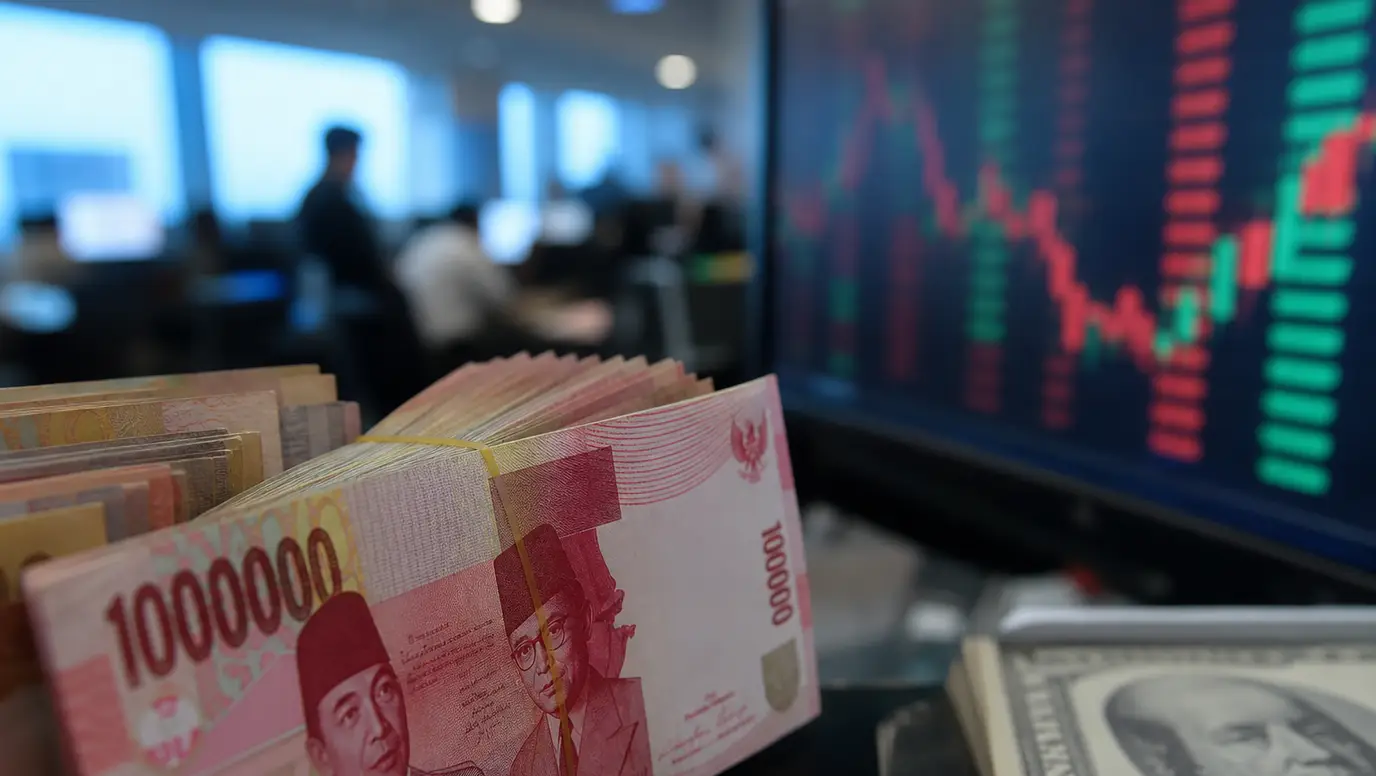
OCTOBER 18, 2026
Indonesia Rupiah Forex Slumps as Index Downgrade Risk Spurs Dollar Demand
OCTOBER 16, 2026
Gold Metals Market Rebounds as US Dollar and Treasury Yields Ease Before Federal Reserve Decision
OCTOBER 16, 2026
Canadian Dollar Forex Rebounds as US Dollar Retreat Sets Up Bank of Canada Test
OCTOBER 15, 2026
Swiss Franc Forex Rises as Treasury Yields Pull US Dollar From 18-Month High
OCTOBER 15, 2026
Silver Metals Market Tests 2026 Low as Federal Reserve Rate Bets Lift US Dollar
OCTOBER 14, 2026
Euro Forex Edges Higher as US Dollar Retreats Before Inflation Test
OCTOBER 13, 2026
Zinc Metals Market Falls as LME Stock Jump and US Dollar Pressure Base Metals
OCTOBER 13, 2026
Japanese Yen Forex Rebounds as Bank of Japan Price Data Checks US Dollar Rally
OCTOBER 12, 2026
Copper Metals Market Rises as China Premium and Tight LME Stocks Challenge US Dollar
OCTOBER 12, 2026
British Pound Forex Holds Steady as Bank of England Speakers and US Dollar Test Loom
OCTOBER 11, 2026
Gold Metals Market Braces for Federal Reserve Test as US Dollar and Treasury Yields Bite
OCTOBER 11, 2026
Australian Dollar Faces Reserve Bank of Australia Minutes Test as US Dollar Stays Near 18-Month High
OCTOBER 10, 2026
Iraqi Dinar Devaluation Puts Forex Market on Alert as US Dollar Premium Widens
OCTOBER 10, 2026
Palladium Metals Market Slips as Auto Demand and US Dollar Pressure Deepen Surplus Worries
OCTOBER 8, 2026
Euro Forex Slides as French Debt Stress and Treasury Yields Lift Dollar
OCTOBER 8, 2026
Zinc Metals Tightness Faces US Dollar and Treasury Yield Test
OCTOBER 7, 2026
Japanese Yen Forex Weakens as USD/JPY Tests 158 Before Fed Minutes
OCTOBER 7, 2026
Aluminum Rebound Tests Metals Market as Dollar Strength and China Lull Cap Buyers
OCTOBER 6, 2026
British Pound Forex Steadies as Firm US Dollar and Gilt Yields Cap GBP/USD Bounce
OCTOBER 5, 2026
Australian Dollar Forex Holds Below 70 Cents as Reserve Bank of Australia Hike Meets Firm US Dollar
OCTOBER 4, 2026
Canadian Dollar Forex Slips as U.S. Rate Gap and Flat GDP Keep USD/CAD Near Highs
OCTOBER 2, 2026
Silver Holds Above $61 as Dollar and Treasury Yields Keep Metals Market on Payrolls Watch
SEPTEMBER 30, 2026
Swiss Franc Forex Rebound Tests US Dollar Rally as Federal Reserve Inflation Gauge Cools
SEPTEMBER 22, 2026
Japanese Yen Slides as Dollar Strength and Bank of Japan Doubts Put Forex Market on Intervention Watch
SEPTEMBER 15, 2026
Euro Slides as US Dollar Rally Puts Forex Market on Federal Reserve Watch