
AUGUST 16, 2026
SpaceX Stock Rally Puts Growth Stocks on Lockup Supply WatchSpaceX stock turns into a test for growth stocks as lockup releases expand tradable supply after its first public earnings report.

© 1box.site 2026
JUNE 12, 2026
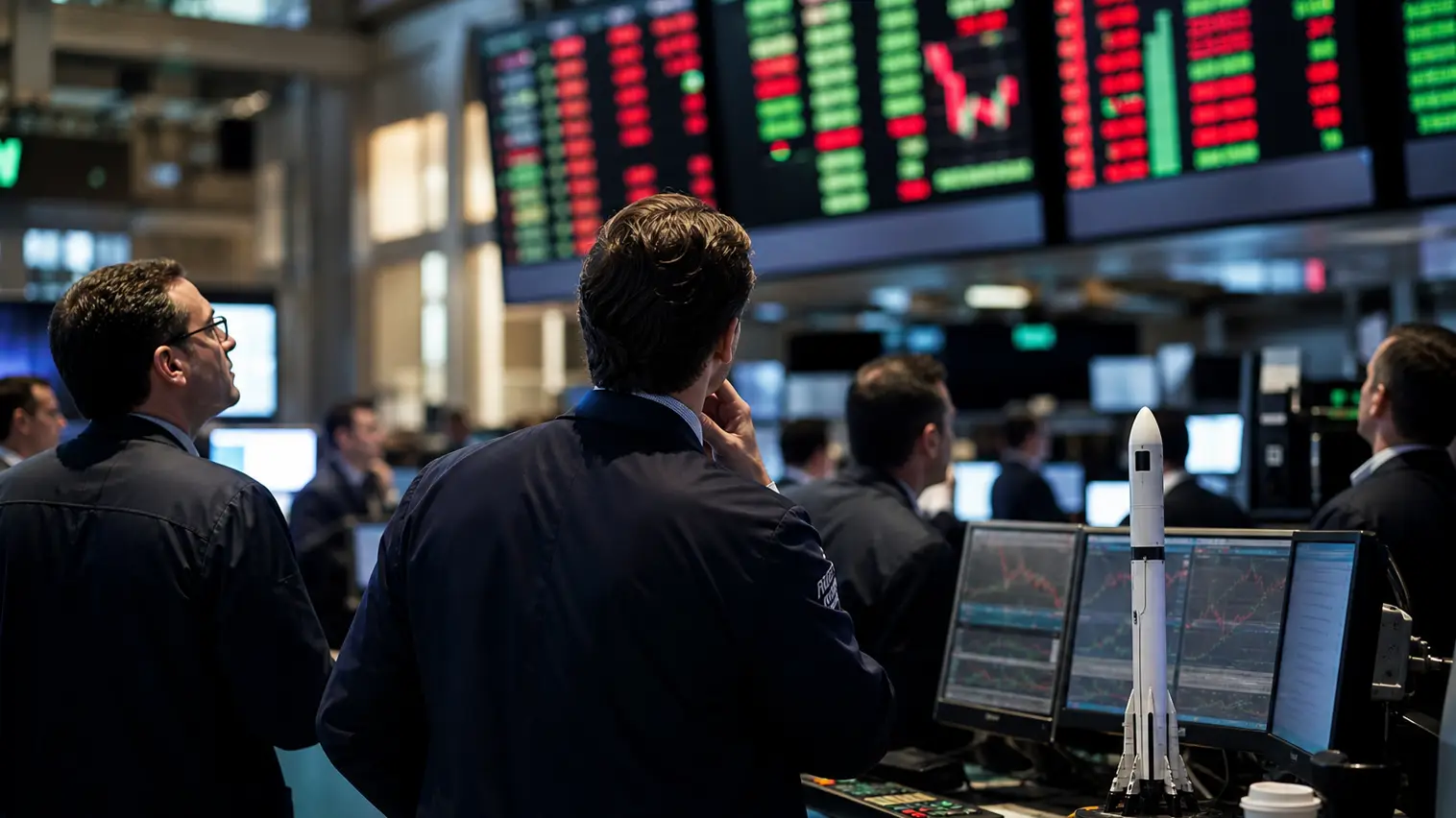
U.S. equities entered Friday’s session with a more selective tone as traders shifted from Thursday’s broad relief rally to a fresh test of demand for high-growth AI-linked listings. The S&P 500 was little changed in early trade, the Dow Jones Industrial Average edged higher, and the Nasdaq Composite slipped as investors waited for SpaceX’s expected first day of trading on the Nasdaq.
The setup gives the stock market a new gauge of risk appetite after a volatile week shaped by inflation pressure, oil swings, geopolitical headlines, and sharp reversals in technology shares. Thursday’s rally had restored momentum across the major averages, with the S&P 500 rising 1.8%, the Dow advancing 1.9%, and the Nasdaq Composite gaining 2.5% as chip stocks recovered and Treasury yields eased.
SpaceX’s market arrival is being watched less as a single-company event and more as a referendum on whether investors still have room for another mega-cap growth story. The company’s expected valuation puts it in the same conversation as the largest U.S. technology leaders, raising the stakes for price discovery in the opening session.
That demand test matters because AI-related equities have recently shown signs of fatigue after months of premium valuations and crowded positioning. A strong debut could reinforce confidence that institutional buyers remain willing to pay for companies tied to automation, data infrastructure, and next-generation computing. A weak or disorderly debut, by contrast, would strengthen the argument that investors are becoming more disciplined after the latest AI-led surge.
The pressure was visible in parts of the technology complex. Several AI and software names struggled to extend Thursday’s rebound, while Adobe fell despite stronger quarterly profit and revenue, as investors focused on leadership changes and the company’s weaker share-price trend this year. The reaction suggests that earnings beats alone may not be enough when valuations, management visibility, and growth durability are all under review.
The broader market remains supported by improving corporate earnings expectations and the pullback in oil from recent highs. Brent crude traded below the peaks seen earlier in the week, helping reduce immediate inflation fears after energy prices had become a major source of pressure for rate-sensitive equities.
Still, the bond market is not giving stocks a clear green light. The 10-year Treasury yield moved back toward the upper end of its recent range after a sharp decline in the prior session, keeping attention on Federal Reserve policy expectations. Higher yields can weigh on long-duration growth shares, especially the same AI and software names that have powered much of the Nasdaq’s outperformance.
For the S&P 500, the key issue is whether leadership can broaden beyond a narrow group of technology winners. Industrials, materials, and selected cyclicals helped drive Thursday’s advance, but investors will need to see that rotation persist if the index is to hold gains while mega-cap technology consolidates.
Friday’s trading leaves Wall Street balancing three near-term signals: the quality of SpaceX’s debut, the direction of Treasury yields, and the breadth of participation beneath the headline indexes. A stable IPO launch with limited pressure on existing AI leaders would likely support the view that equity risk appetite remains intact.
However, if investors fund new exposure by selling established technology winners, the Nasdaq could remain choppy even if the S&P 500 holds near recent highs. That would make market breadth, rather than headline index levels, the cleaner measure of underlying confidence.
For now, the stock market is not rejecting risk, but it is becoming more selective. The next phase of the rally may depend on whether fresh AI listings can attract capital without draining liquidity from the companies that carried the market higher in the first place.
AUGUST 16, 2026
SpaceX Stock Rally Puts Growth Stocks on Lockup Supply Watch
AUGUST 7, 2026
SpaceX Stock Rebounds as AI Spending and Share Unlock Test Wall Street
JULY 5, 2026
SpaceX Nasdaq-100 Entry Puts Index Market on Liquidity Watch Before Fed Minutes