
SEPTEMBER 14, 2026
Nikkei 225 Slumps as AI Stocks Put Japan Indexes on Bank of Japan WatchNikkei 225 falls as AI stock selling, oil shock and Bank of Japan rate risk reshape Japan indexes before key policy meetings.

© 1box.site 2026

AUGUST 1, 2026
The FTSE 100 is drawing fresh attention in the index market after a late-July advance left London’s blue-chip benchmark trading near record territory, supported by a mix of bank strength, commodity-linked shares and defensive rotation away from more volatile technology-heavy benchmarks.
The move gives index traders a different signal from the one dominating Wall Street, where elevated valuations and sensitivity to artificial intelligence spending have kept volatility high in growth shares. In London, heavier exposure to financials, energy, miners, pharmaceuticals and consumer staples has helped the FTSE 100 act as a relative shelter when investors question the durability of high-multiple tech trades.
Financial stocks have been central to the latest FTSE 100 momentum, with lenders benefiting from resilient net interest income expectations and from a market backdrop in which investors are still debating how quickly central banks can ease policy. Higher-for-longer rate assumptions can create valuation pressure for some equities, but they may also support margins for banks when credit stress remains contained.
Miners and broader commodity-linked shares have also helped the index, particularly during sessions when metals and energy prices firmed. That matters because the FTSE 100 has a larger natural-resources weighting than many other developed-market benchmarks, giving it a different earnings profile from the Nasdaq-led global equity trade.
The rotation is not risk-free. A sharp drop in oil or metals would quickly challenge the earnings support behind several large-cap constituents, while a renewed jump in gilt yields could pressure dividend-sensitive sectors. Still, the recent price action suggests investors are willing to reward cash-generative, globally diversified companies while tech valuations remain under scrutiny.
The Bank of England remains a key driver for FTSE 100 sentiment. Traders are watching whether policymakers keep emphasizing inflation persistence or start to validate expectations for a more flexible policy path. A dovish shift would likely support domestically exposed shares and the FTSE 250, while a firmer inflation warning could keep leadership concentrated in banks, energy and overseas earners.
Sterling is another important variable. Because many FTSE 100 companies generate a large share of revenue abroad, a softer pound can lift translated earnings and support the index even when the domestic economy looks uneven. Conversely, a stronger pound may reduce that translation benefit and make stock selection more important inside the benchmark.
For now, the index market message is one of rotation rather than broad complacency. The FTSE 100’s advance shows demand for value, dividends and commodity exposure, but the rally still depends on stable credit conditions, controlled inflation expectations and continued earnings resilience.
With the FTSE 100 near the upper end of its recent range, traders are likely to treat fresh highs as a test of conviction. Sustained closes above recent peaks would strengthen the argument that international investors are increasing exposure to UK large caps, especially if market breadth improves beyond banks and miners.
A pullback would not necessarily damage the broader trend unless it is accompanied by weaker earnings guidance, a sharp rise in yields or a reversal in commodities. In the near term, dips may continue to attract buyers if dividend yields remain competitive and the index keeps offering diversification away from crowded technology trades.
The weekend setup leaves the FTSE 100 in focus for the next trading week, with index investors watching whether London’s defensive leadership can keep outperforming or whether global risk appetite rotates back toward growth-heavy benchmarks.
SEPTEMBER 14, 2026
Nikkei 225 Slumps as AI Stocks Put Japan Indexes on Bank of Japan Watch
SEPTEMBER 13, 2026
S&P 500 Rally Puts Index Breadth on Federal Reserve Watch
SEPTEMBER 12, 2026
Russell 2000 Trails Index Rebound as Federal Reserve Hike Risk Tests Small Caps
SEPTEMBER 11, 2026
Nasdaq Leads Indexes Rebound as Oil Pullback Eases Federal Reserve Inflation Shock
SEPTEMBER 10, 2026
DAX 40 and CAC 40 Face Rate Hike Test as European Central Bank Revives Indexes Inflation Risk
SEPTEMBER 8, 2026
S&P 500 Slips as Oil Surge Puts Indexes on Federal Reserve Inflation Watch
SEPTEMBER 7, 2026
Nikkei 225 Jumps as Semiconductors Lift Indexes in Holiday-Thinned Trade
SEPTEMBER 6, 2026
Nasdaq 100 Faces Indexes Test as Semiconductors Fade Before Federal Reserve Inflation Data
SEPTEMBER 5, 2026
DAX 40 Edges Higher as Indexes Split Before Federal Reserve Inflation Test
SEPTEMBER 4, 2026
Dow Jones Drops as Strong Jobs Report Revives Federal Reserve Risk for Indexes
SEPTEMBER 3, 2026
CAC 40 Slides as Luxury Selloff Splits European Indexes Before ECB Test
SEPTEMBER 2, 2026
Russell 2000 Steadies as Soft Jobs Data Pulls Indexes Toward Federal Reserve Test
SEPTEMBER 1, 2026
FTSE 100 Slides as Gilt Yield Spike Revives Bank of England Risk for Indexes
AUGUST 31, 2026
Hang Seng and Nikkei 225 Drag Global Indexes Lower as Oil Shock Revives Inflation Risk
AUGUST 30, 2026
S&P 500 and Nasdaq Face Jobs-Week Test as Federal Reserve Rate-Hike Bets Pressure Indexes
AUGUST 29, 2026
Global Indexes Slip as Federal Reserve Rate Warning Lifts Bond Yields
AUGUST 28, 2026
CAC 40 Rebound Lifts Europe Indexes as Federal Reserve Rate Risk Returns
AUGUST 26, 2026
Dow Jones and Nvidia Keep Indexes on Federal Reserve Watch After Hotter Inflation
AUGUST 25, 2026
S&P 500 and Nasdaq Rebound Puts Indexes on Inflation Watch
AUGUST 23, 2026
Hang Seng Rally Puts China Tech and Liquidity in Focus for Indexes
AUGUST 22, 2026
DAX 40 and FTSE 100 Rebound as European Indexes Brace for Jackson Hole Yields Test
AUGUST 21, 2026
Russell 2000 Slide Exposes Breadth Risk as Dow Rebound Tests Indexes
AUGUST 20, 2026
S&P 500 and Nasdaq Slip as Indexes Face Federal Reserve Rate-Risk Hangover
AUGUST 19, 2026
US Indexes Try to Snap Three-Day Slide as Treasury Yields Ease Before Federal Reserve Minutes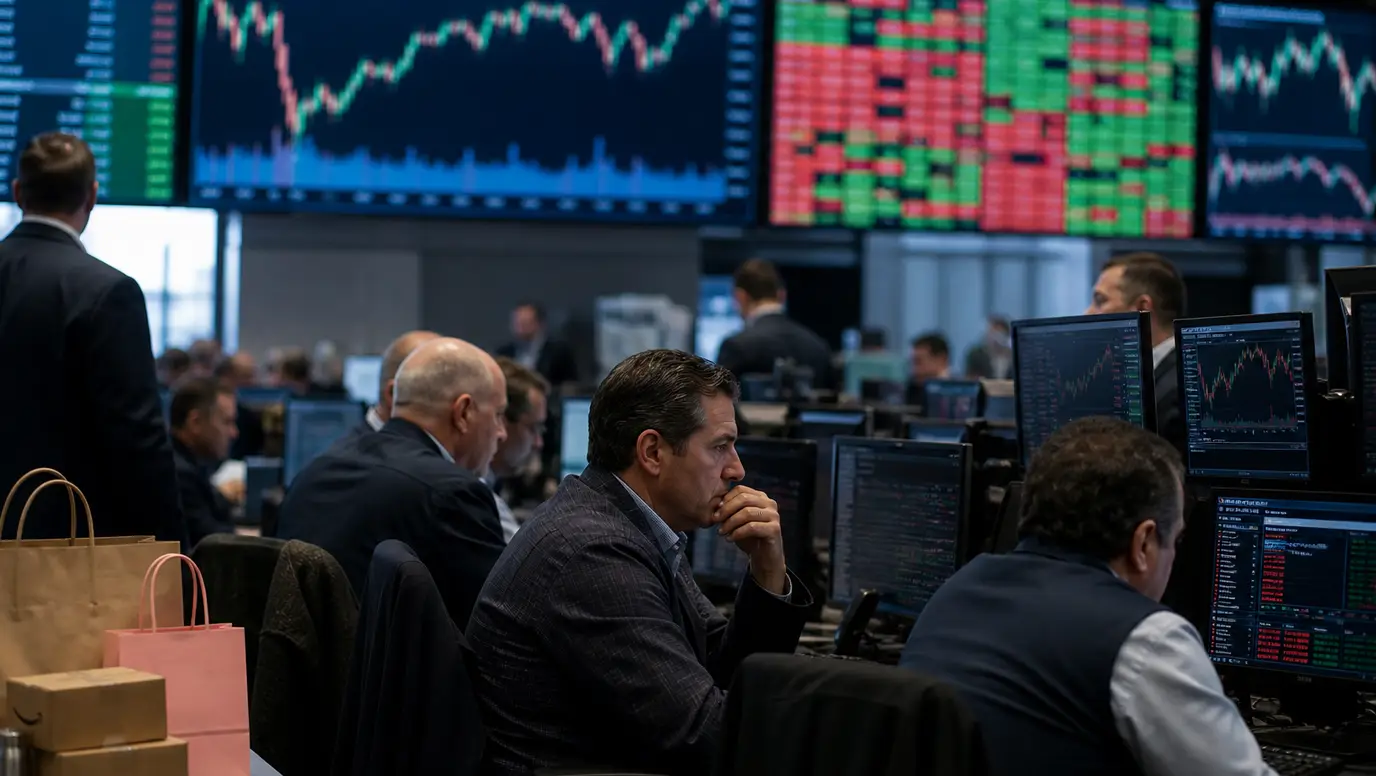
AUGUST 17, 2026
Dow Jones Drifts as Stock Indexes Await Retail Earnings Test
AUGUST 16, 2026
S&P 500 Pullback Puts Indexes and Treasury Yields on Federal Reserve Minutes Watch
AUGUST 15, 2026
Russell 2000 Leads Indexes as Small-Cap Stocks Resist Record Pullback
AUGUST 14, 2026
Record Indexes Pause as Stocks Face Breadth Test After July Spending Drop
AUGUST 13, 2026
Treasury Yields Slide as Nasdaq-Led Indexes Press Toward Records
AUGUST 12, 2026
Nasdaq and S&P 500 Lift Indexes as July CPI Keeps Federal Reserve Relief Trade Alive