NOVEMBER 27, 2026
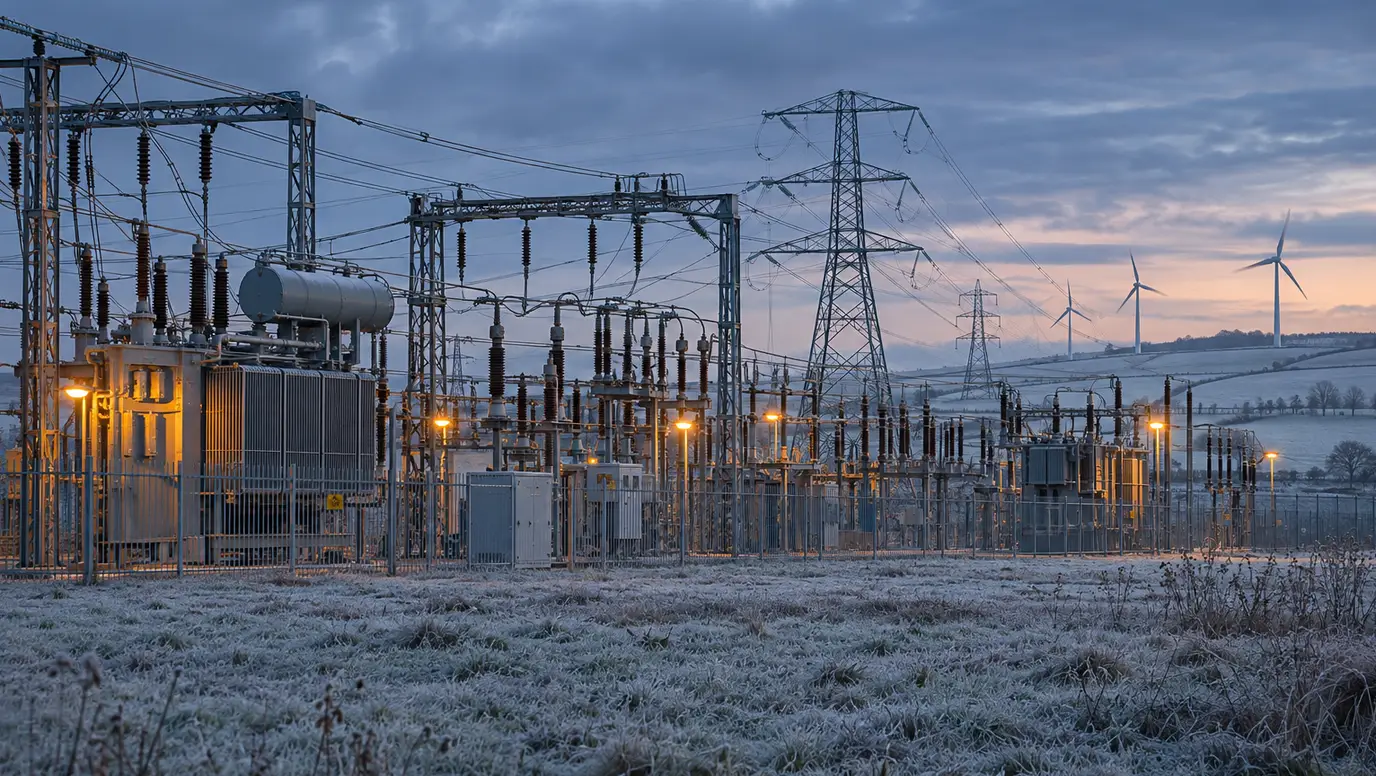
Britain Issues Fourth Electricity Margin Notice as Grid Constraints BiteBritain's grid operator calls for extra electricity for a fourth day as cold weather and transmission constraints squeeze the safety margin.

© 1box.site 2026
NOVEMBER 22, 2026
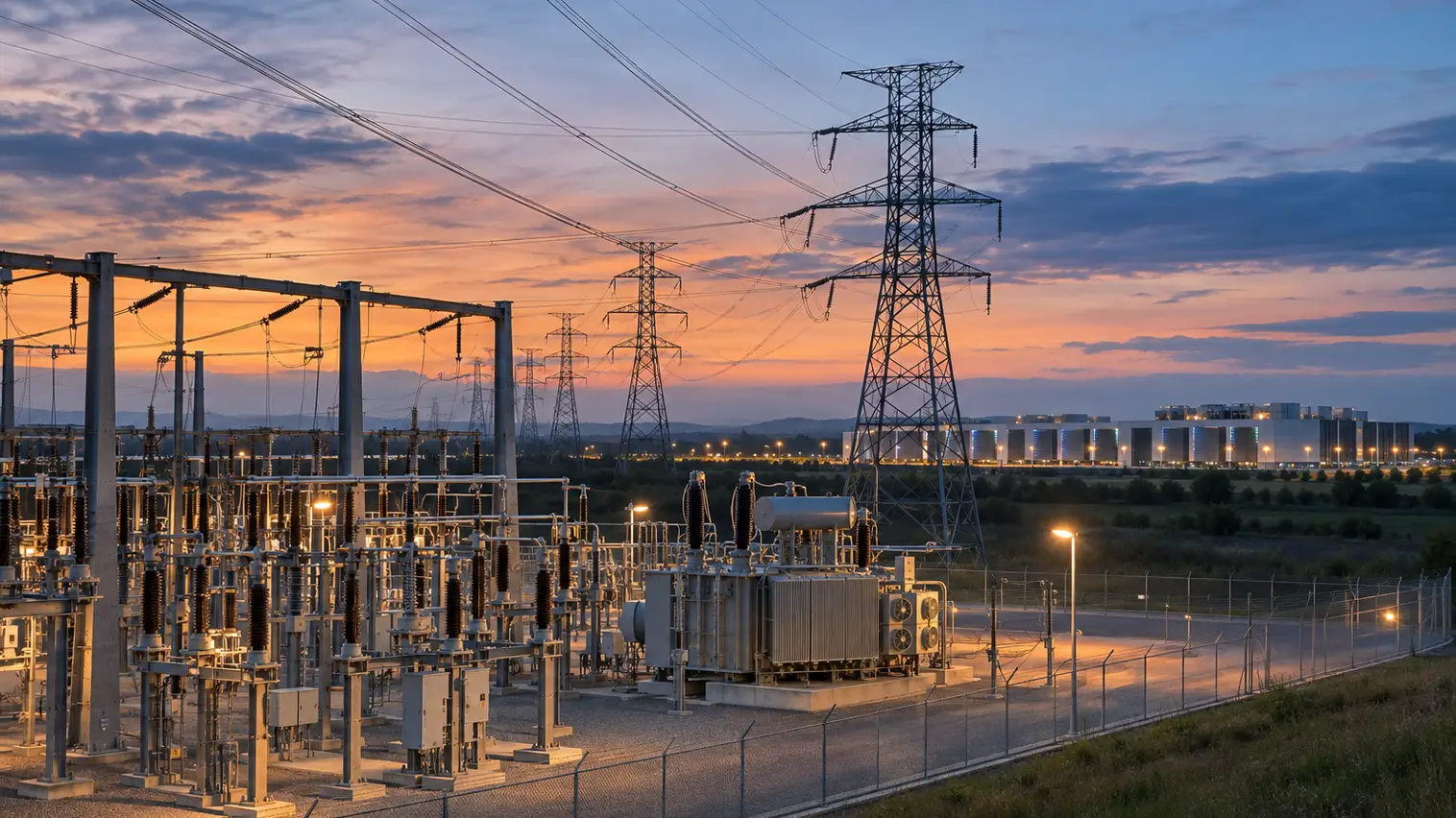
The US electricity market faces a potential shift in how new power projects are approved and how data centers pay for grid capacity after the Senate passed a bipartisan infrastructure bill on November 19.
The measure, approved by a 62-33 vote, aims to accelerate reviews for power plants, transmission lines and other projects. It also includes provisions intended to prevent other electricity customers from bearing costs associated with serving data centers. The bill still requires House approval and the president’s signature before it can become law.
Data centers are adding to demand for electricity at a time when utilities must also finance new generation and transmission. The Senate bill would direct federal regulators to develop rules addressing how large computing facilities pay for transmission service and associated grid costs.
For power suppliers and grid developers, the proposals could influence the economics of connecting large new customers. For households and businesses, the question is whether the final rules would limit the share of infrastructure costs passed through to their bills. The outcome would depend on implementation, including decisions by regulators and utilities.
Supporters argue that faster permitting could help bring new generation and transmission online as demand grows. A federal forecast released on November 10 projected US power-sector generation would reach nearly 4,390 billion kilowatt-hours in 2026, a record and an increase of 2.7% from the previous year.
Additional supply and stronger transmission links could ease constraints over time, but a faster review process does not guarantee that projects will be financed or built. Electricity prices also reflect fuel costs, local network expenses and the balance between supply and demand.
The bill remains politically contested. Some lawmakers want stronger environmental and tribal protections or different limits on data center development. For the electricity market, the next test is whether the House accepts the Senate’s approach or seeks changes that could delay a final agreement.
NOVEMBER 27, 2026
Britain Issues Fourth Electricity Margin Notice as Grid Constraints Bite