NOVEMBER 22, 2026
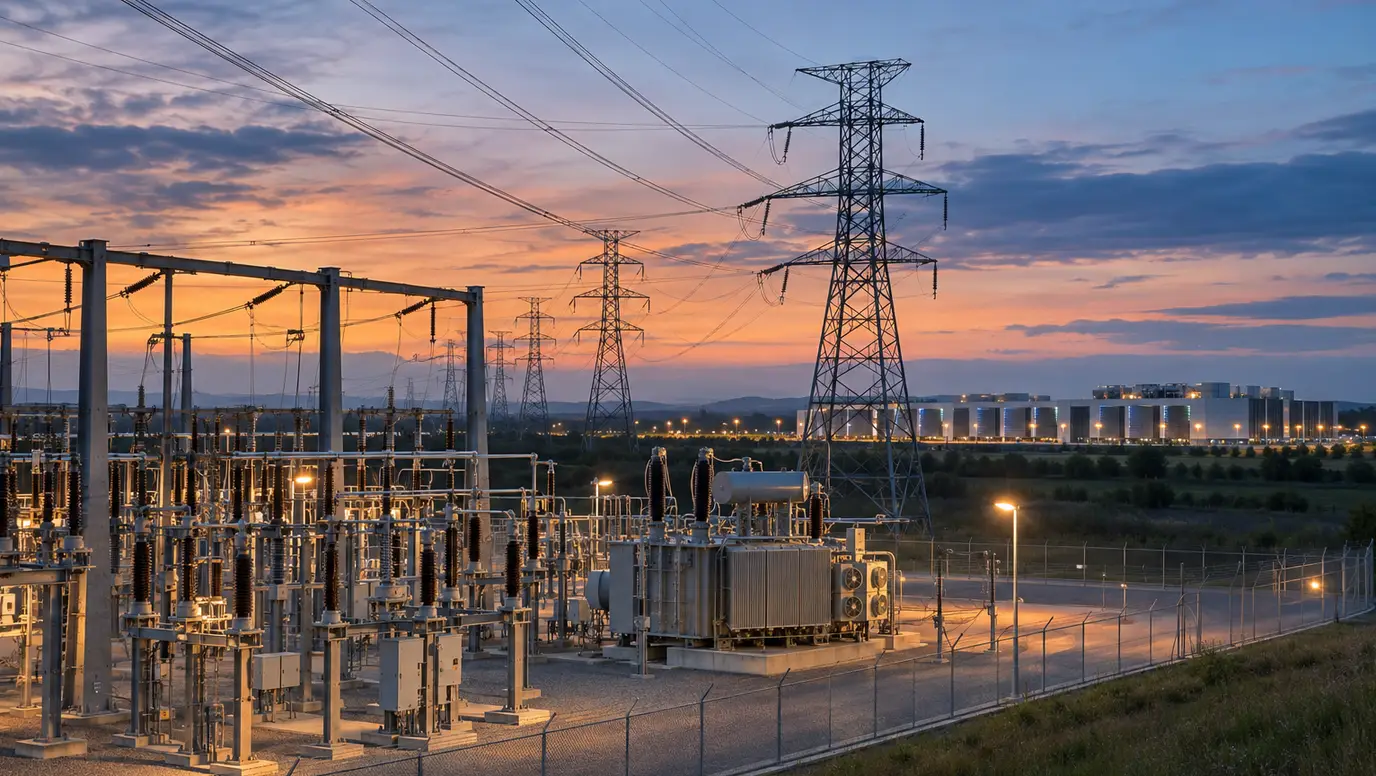
Electricity Market Faces Energy Infrastructure Test After Senate VoteA Senate permitting bill puts electricity infrastructure and data center costs in focus, but the measure still needs House approval.

© 1box.site 2026
NOVEMBER 27, 2026
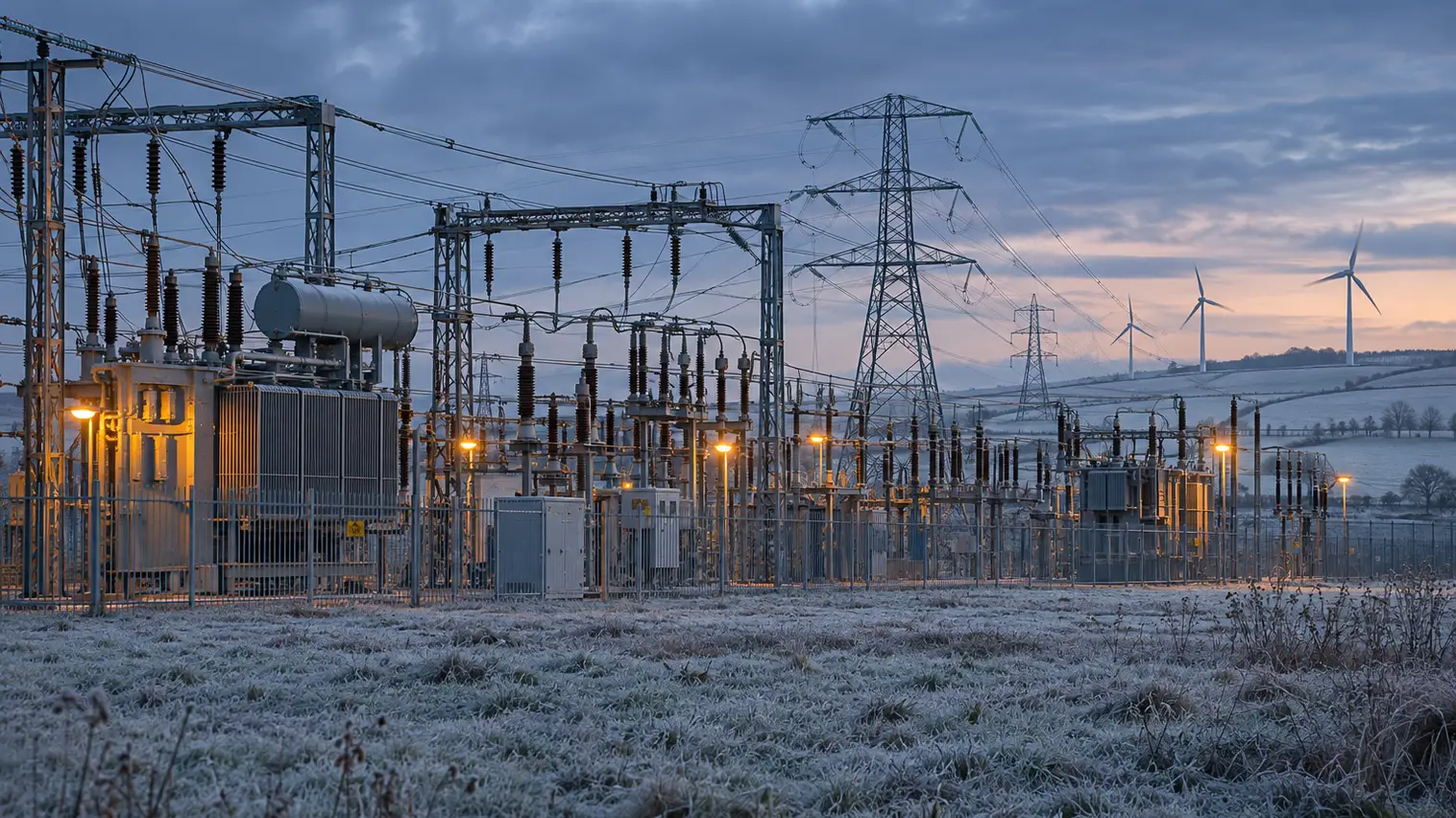
Britain's electricity grid operator called for additional power capacity for a fourth consecutive day on November 27, as cold weather and transmission constraints narrowed the cushion between expected supply and demand.
The operator issued two electricity margin notices for Friday. The morning notice was later canceled, while the estimated shortfall against the desired safety margin for the 2 p.m. to 8 p.m. period was reduced from 2,400 megawatts to 1,780 megawatts in an update at 10:12 a.m. local time.
The shortfall refers to the buffer the operator wants to maintain, not an equivalent forecast shortage of electricity for customers. The operator said the notices were precautionary and did not warn of power cuts.
Maintenance and other network constraints have limited the amount of electricity that can be moved to where it is needed. That has made it harder to use some available wind generation, even as colder temperatures increase demand for power.
In the updated afternoon notice, 3,200 megawatts of generation were excluded from the available margin because of system constraints. The operator can use a notice to encourage generators and other market participants to make additional capacity available.
The repeated notices highlight a distinction for the energy market: having enough generation across the country does not necessarily mean it can all reach demand centers when transmission lines are congested.
Tight margins can increase the cost of balancing the system if the operator needs to secure additional generation or pay for changes in output. The effect on prices depends on the capacity offered, demand and the location of grid constraints.
Longer-dated power contracts showed a mixed response at the November 26 close. The summer 2027 contract slipped to 11.99 pence per kilowatt-hour, while the winter 2027 contract edged up to 11.36 pence. Those prices reflect trading before Friday's notices and do not measure the cost of balancing the grid during the affected hours.
For the coming days, traders will be watching weather forecasts, transmission availability and any further updates to the grid's safety margin. A return to milder conditions or additional usable capacity could ease pressure, while prolonged constraints may keep balancing costs elevated.
NOVEMBER 22, 2026
Electricity Market Faces Energy Infrastructure Test After Senate Vote