NOVEMBER 3, 2026
Propane Fuel Market Slides as Storage Surplus Vanishes Before Winter Demand TestPropane fuel market slips as U.S. storage surplus fades, exports stay firm and winter heating demand becomes the next key price test.

© 1box.site 2026
NOVEMBER 23, 2026
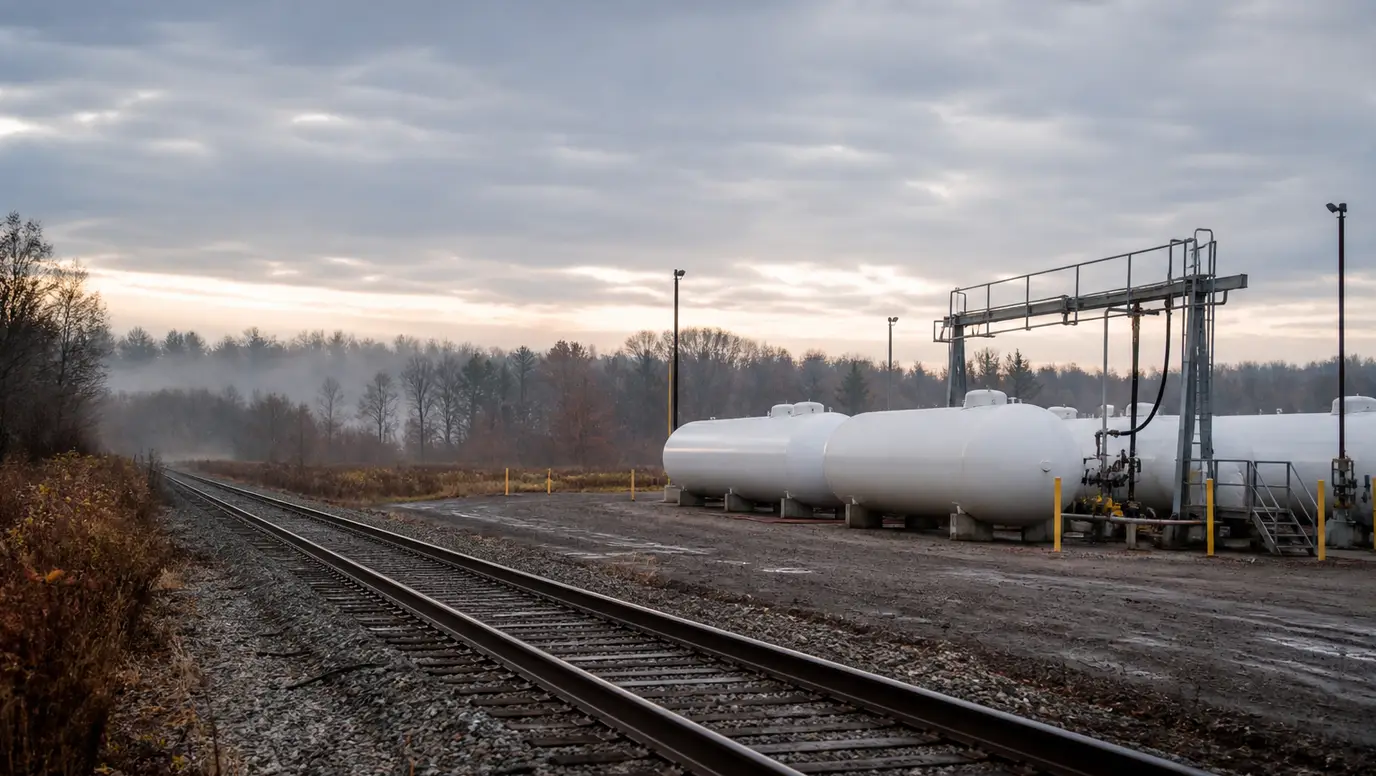
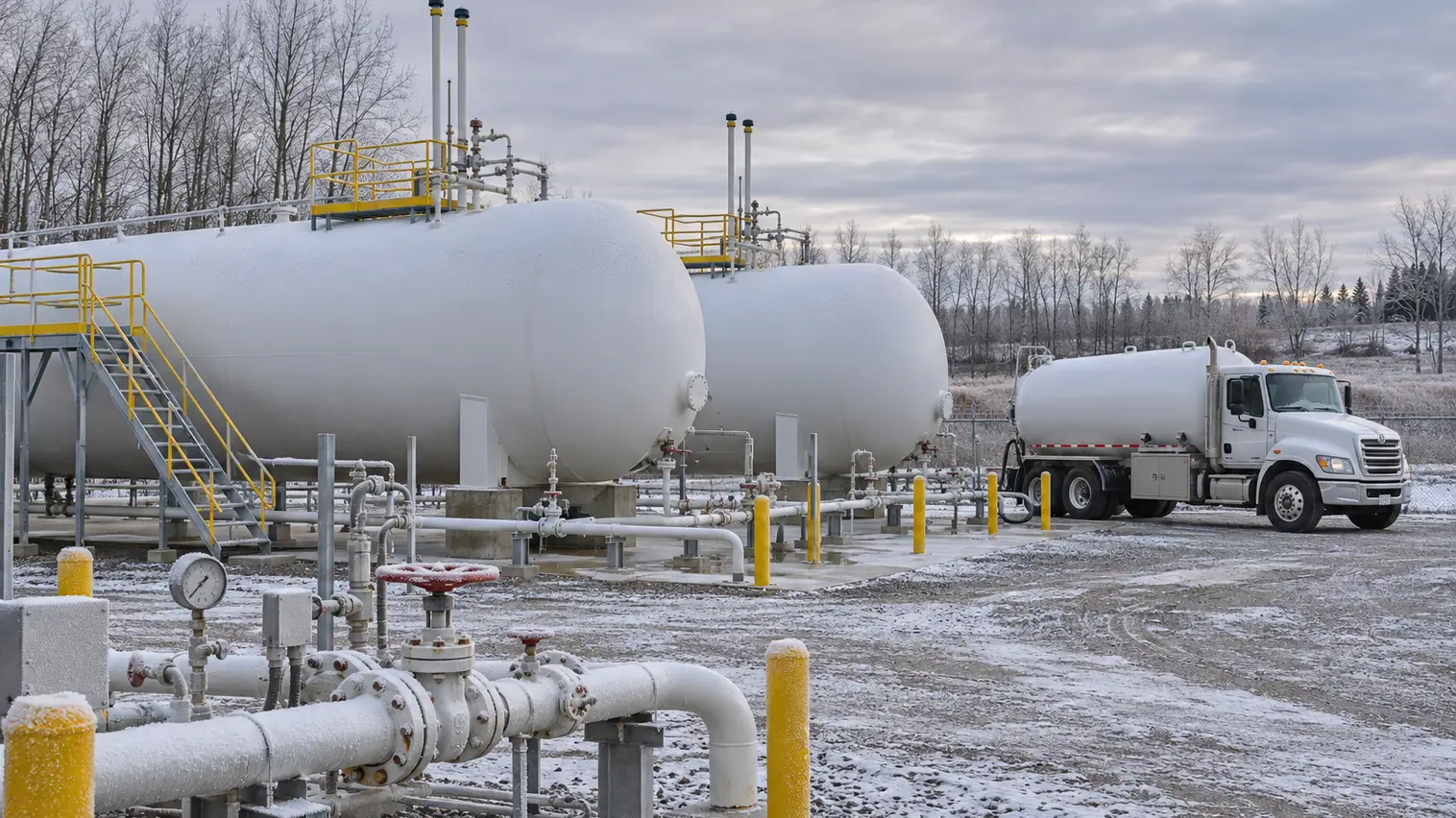
Canada’s propane market is heading into winter with a thinner inventory cushion, particularly in the east, where underground stocks were well below their recent average at the start of October.
Figures published on November 18 showed eastern Canadian underground propane inventories at 3.10 million barrels on October 1, or 26% below the five-year average for that time of year. The level was just 1.2% above the five-year minimum.
The figures raise the importance of winter weather and deliveries for a fuel used in heating and agriculture. Lower starting inventories can leave the market more exposed to a prolonged cold spell, although the data alone do not establish that a shortage or price increase is imminent.
Across Canada, underground propane inventories stood at 10.02 million barrels at the beginning of October, 0.7% below the five-year minimum for that point in the year. The national figure followed a sharp monthly decline in western stocks.
Western underground inventories were 6.92 million barrels, or 1.4% below their five-year average. In the east, the underground storage included in the data is located in Ontario. The figures cover underground caverns rather than every form of propane inventory, so they should not be treated as a complete measure of fuel available to customers.
Propane demand typically increases during the heating season, when stored fuel helps bridge the gap between production and consumption. Crop drying can also add to demand. A sustained cold spell could accelerate withdrawals and increase pressure on regional supplies and prices.
Seasonal forecasts have pointed to an increased likelihood of warmer-than-average temperatures across much of Canada. If that outlook holds, slower withdrawals could help ease pressure on inventories. Forecasts are not guarantees, however, and a colder winter would test the smaller storage buffer.
For market participants, the next question is whether incoming supplies and milder weather can keep pace with demand as winter progresses. The October figures provide a starting point for that assessment, not a measure of current stocks.
NOVEMBER 3, 2026
Propane Fuel Market Slides as Storage Surplus Vanishes Before Winter Demand Test
OCTOBER 3, 2026
Propane Leads Energy Commodities Watch as U.S. Exports Hit Record
SEPTEMBER 24, 2026
Propane Fuel Prices Firm as U.S. Stock Draw Puts Mont Belvieu on Export Watch
SEPTEMBER 17, 2026
Propane Fuel Draw Tests Energy Market as Exports Offset U.S. Stock Cushion
SEPTEMBER 6, 2026
Propane Fuel Draw Puts Energy Commodities on Winter Supply Watch
AUGUST 24, 2026
Propane Stockpile Puts Fuel Traders on Winter Demand Watch
AUGUST 13, 2026
Propane Fuel Glut Widens as US Energy Stocks Rise Above Seasonal Average