
NOVEMBER 9, 2026
New Zealand Dollar Forex Rebounds as Election Cliffhanger Puts RBNZ Path in FocusNew Zealand dollar rebounds as an unresolved election, RBNZ rate risk and US CPI expectations reshape the forex outlook.

© 1box.site 2026
NOVEMBER 17, 2026
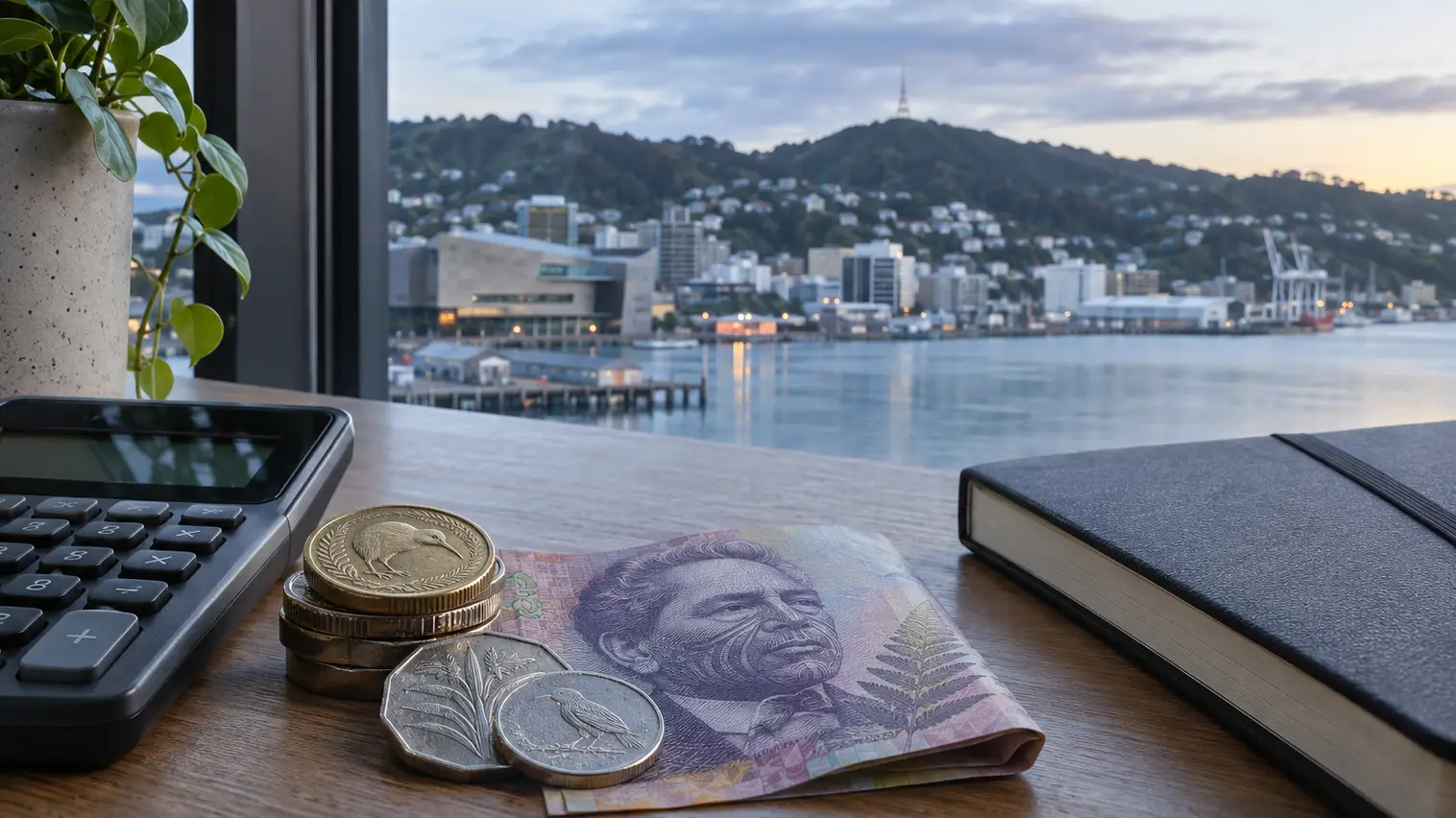
The New Zealand dollar weakened against its US counterpart on November 17, as investors weighed a rise in domestic inflation expectations against a strong US currency and uncertainty over the path of interest rates.
The New Zealand dollar’s 2 p.m. local reference rate was US$0.55010, down from US$0.55240 at the previous day’s fix. Earlier in the session, the currency was quoted around US$0.5493, below the closely watched US$0.55 level.
A Reserve Bank of New Zealand survey released Tuesday showed respondents expected annual inflation of 2.92% one year ahead, up from 2.60% in the previous survey. Two-year expectations rose more modestly, to 2.36% from 2.34%.
The survey also showed that longer-term expectations eased: the five-year measure fell to 2.17% from 2.31%. The responses were collected from 44 business leaders and professional forecasters between October 23 and October 30, so they do not capture developments since then.
The divergence gives currency traders a mixed picture. Higher near-term expectations may reinforce concern that inflation will remain persistent, while the smaller move in the two-year reading and decline in the five-year measure suggest less pressure further out.
The Reserve Bank left its official cash rate at 2.75% in October and is scheduled to announce its next decision on December 9. Survey respondents expected the rate to average 3.05% at the end of the December quarter, though that is a survey forecast rather than a policy commitment.
For the currency, the direction of New Zealand rates matters alongside the outlook in the United States. Expectations of further US monetary tightening have supported the US dollar, making it harder for the New Zealand currency to benefit from speculation about higher domestic rates.
A weaker New Zealand dollar can make imported goods more expensive in local terms, potentially adding to inflation pressure. It can also raise the local-currency value of overseas earnings for exporters, although the effect varies with contracts and hedging.
Traders will be watching whether NZD/USD can regain the US$0.55 area and whether incoming economic data changes expectations for either central bank. A move back above that level would not by itself resolve the broader question of how far the two countries’ interest-rate paths may diverge.
NOVEMBER 9, 2026
New Zealand Dollar Forex Rebounds as Election Cliffhanger Puts RBNZ Path in Focus
NOVEMBER 1, 2026
New Zealand Dollar Forex Rebounds Toward 0.5650 as Split RBNZ Hold Keeps Hike Risk Alive
OCTOBER 21, 2026
New Zealand Dollar Forex Slips Below 0.57 as CPI Test Puts RBNZ Hike Bets in Focus
SEPTEMBER 14, 2026
New Zealand Dollar Slips in Forex as Reserve Bank Signal Collides With Federal Reserve Bets
SEPTEMBER 8, 2026
New Zealand Dollar Slides as RBNZ Caution Outweighs Rate Hike in Forex Market
SEPTEMBER 2, 2026
New Zealand Dollar Falls as Forex Market Weighs RBNZ Hike and Federal Reserve Jobs Test
AUGUST 16, 2026
New Zealand Dollar Puts Forex Market on RBNZ September Hike Watch
AUGUST 8, 2026
Forex Market: New Zealand Dollar Stalls Against US Dollar as Reserve Bank Path Turns Data-Heavy
AUGUST 2, 2026
New Zealand Dollar Faces RBNZ Test as US Dollar Jobs Risk Looms
JULY 21, 2026
New Zealand Dollar Rallies as Inflation Shock Puts Forex Traders Back on RBNZ Watch