
PJM Power Emergency Puts Backup Fuel and Demand Response in Energy Market Focus
OCTOBER 16, 2026
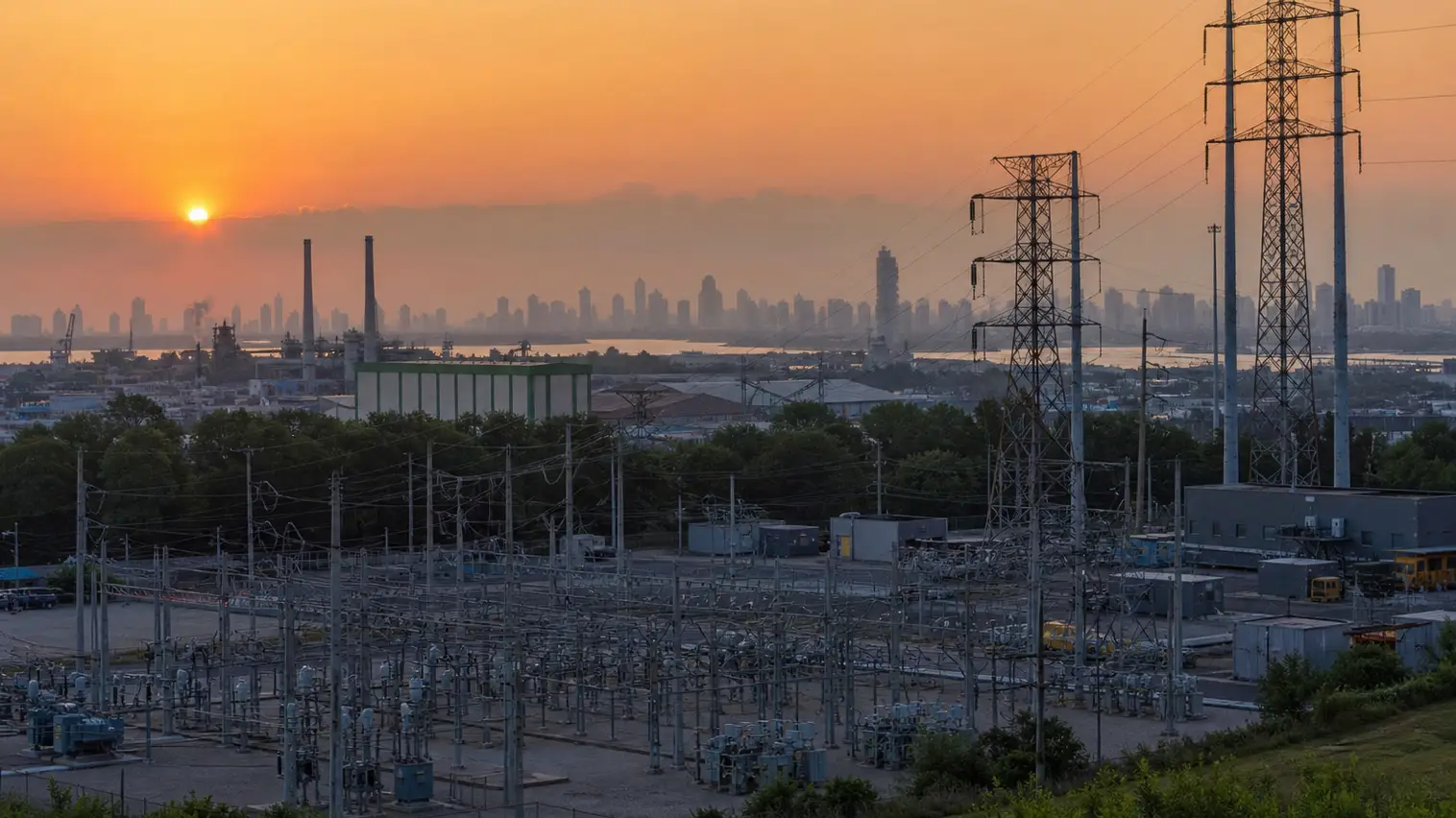
The energy market is turning its attention from headline oil swings to the U.S. power grid after PJM Interconnection moved through a rare October reliability event that kept traders focused on backup fuel demand, demand response and real-time electricity prices.
The emergency window ran from October 13 through October 16, giving the grid operator added flexibility to dispatch specified generating resources and call on backup generation at large-load sites if needed. The order followed a combination of elevated electricity demand, generator outages, transmission work and firm export obligations, a mix that is unusual for mid-October and more typical of peak summer stress.
For commodity investors, the episode matters because it links electricity markets more tightly with fuel markets. When grid operators lean on emergency generation, the marginal unit can shift quickly toward gas, oil-fired backup, diesel inventories, batteries or behind-the-meter resources. That can lift local fuel logistics costs even when national energy benchmarks look relatively stable.
Power Market Stress Adds a New Layer to Energy Risk
PJM serves a large footprint across the Mid-Atlantic and parts of the Midwest, making its operating signals important for regional power prices and broader energy sentiment. The latest event did not point to a uniform blackout scenario, but it did show how quickly weather, maintenance schedules and demand from large industrial and technology loads can tighten reserve margins outside the traditional summer peak.
Real-time power prices appeared calmer by Friday morning than the emergency language suggested, with many major PJM hubs trading well below extreme scarcity levels. Even so, the market signal was not neutral. Traders are likely to treat the event as another reminder that capacity, transmission availability and flexible fuel supply are becoming core inputs for U.S. energy pricing.
The timing is especially important because autumn is normally a shoulder season, when power demand eases and generators schedule maintenance before winter. Unseasonably warm weather can compress that maintenance window, while data centers and other large loads add a more persistent demand base. That combination reduces the cushion that energy markets once expected between summer cooling demand and winter heating demand.
Backup Fuel Becomes a Market Signal
Backup fuel is now part of the power-price conversation. Large-load sites that can switch to on-site generation may help the grid avoid deeper emergency steps, but their fuel use can create short bursts of demand for diesel, distillate, natural gas or other local energy supplies. Those bursts are small compared with national consumption, yet they can matter in regional markets during stressed operating hours.
That is why the market reaction should not be measured only through benchmark electricity prices. The more important question is whether emergency dispatch becomes frequent enough to affect hedging behavior. If utilities, data centers and industrial customers decide they need larger backup fuel buffers, the impact may show up gradually through storage patterns, forward power premiums and local delivery costs.
Demand response is another focus. Cutting or shifting consumption can be cheaper than forcing additional generation online, but it depends on contract participation, customer willingness and the speed at which large users can reduce load. The latest PJM event suggests demand response is moving from a seasonal reliability tool to a more active market instrument.
Investors Watch Capacity Costs and Winter Readiness
The immediate energy-market takeaway is that reliability risk is no longer confined to summer heat waves or winter storms. A mid-October emergency raises questions about whether capacity markets are pricing the right mix of dispatchable generation, transmission constraints and fast-growing large-load demand.
Power producers with flexible generation may benefit from higher scarcity premiums if grid stress recurs. At the same time, commercial users face a stronger incentive to hedge electricity exposure and secure backup fuel contracts before winter. For households, the pass-through is less immediate, but repeated emergency events can eventually feed into retail power costs through capacity charges, fuel adjustments and infrastructure spending.
The next test for the energy market will be whether cooler weather allows PJM to rebuild operational flexibility without additional emergency measures. If grid conditions normalize, the episode may fade as a short-term weather-driven shock. If similar alerts return during winter, traders are likely to attach a larger risk premium to regional power and backup fuel markets.
For now, the PJM power emergency has expanded the energy-market watchlist. Oil and gas benchmarks still matter, but electricity reliability, backup fuel availability and demand response are increasingly central to how investors price the next phase of U.S. energy volatility.